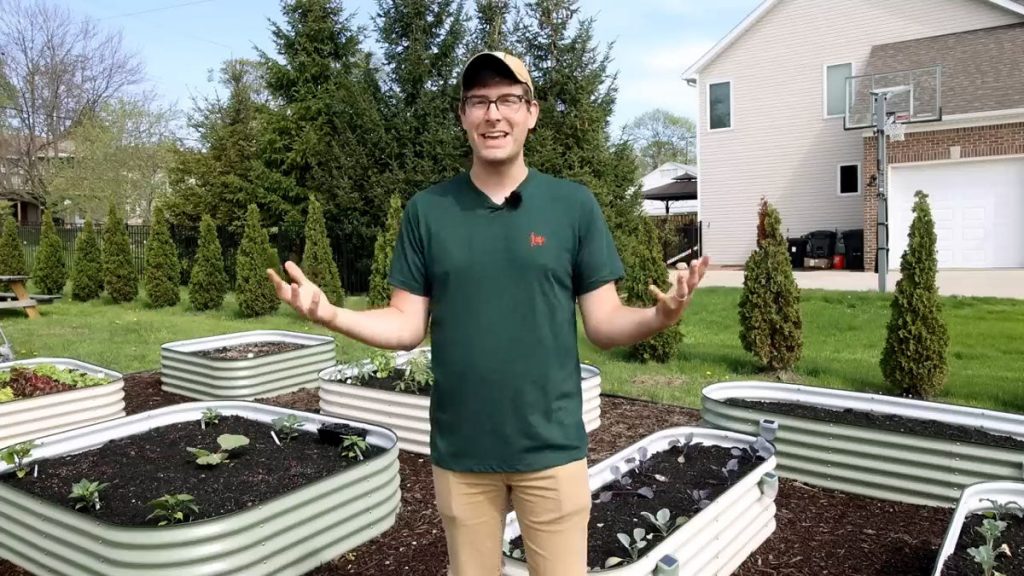
Imagine walking into your backyard and picking fresh, crisp vegetables right from your own garden. The thought of savoring home-grown produce can be incredibly satisfying, both for your taste buds and your well-being.
You might think setting up a vegetable garden is a complex task, but with the right guidance, it’s simpler than you imagine. In this guide, you’ll discover the essential steps to transform a patch of your backyard into a thriving vegetable oasis.
Whether you have a spacious yard or just a small balcony, there’s a perfect setup waiting for you. Dive in, and let’s unlock the secrets to starting your very own vegetable garden, where every plant is a promise of health and flavor.
Choosing The Right Location
Selecting the ideal spot for your vegetable garden is crucial. Ensure it gets plenty of sunlight and has good soil. Consider proximity to water sources for easy irrigation.
Choosing the right location for your vegetable garden is crucial. A great spot ensures your plants thrive and produce a bountiful harvest. Consider these key factors to find the perfect place for your garden.Assessing Sunlight
Vegetables need sunlight to grow well. Choose a spot that gets at least six hours of sun daily. Avoid shaded areas near tall trees or buildings. Morning sun is especially beneficial for most vegetables. Observe your garden space throughout the day to check sunlight patterns. This helps identify the sunniest areas for planting.Considering Soil Quality
Good soil is vital for healthy vegetables. Check the soil texture and drainage. The soil should be loose and well-draining. Avoid clay or rocky soil that holds too much water. Test the soil pH to ensure it’s suitable for vegetables. Most vegetables prefer a pH between 6.0 and 7.0. Improve the soil with organic matter if needed. Compost and well-rotted manure enhance soil nutrients and structure.Checking Water Accessibility
Easy access to water is important for your garden’s success. Choose a location near a water source. This makes watering convenient. Ensure the site has proper drainage to prevent waterlogging. Consider installing a drip irrigation system for efficient watering. This saves time and ensures your plants get enough water. Check water availability regularly to maintain your garden’s health.Selecting Vegetables To Grow
Choose vegetables that thrive in your climate for a successful garden. Consider sunlight, soil type, and space. Select easy-to-grow varieties like tomatoes, cucumbers, and carrots for beginners.
Selecting the right vegetables is crucial for a successful garden. Each vegetable has unique needs. Understanding these needs can help you make the best choices. Let’s dive into some essential factors to consider.Seasonal Vegetables
Different vegetables grow best in different seasons. Cool-season vegetables, like spinach and lettuce, thrive in spring. Warm-season vegetables, like tomatoes and peppers, love summer heat. Planting at the right time ensures a healthy crop. Check seed packets for specific planting dates.Climate Suitability
Your local climate affects what vegetables will thrive. Some plants need more warmth and sun. Others do well in cooler, shaded areas. Research your area’s climate zone. Choose vegetables that match your local weather conditions.Space Requirements
Consider how much space each vegetable needs. Some plants, like zucchini, need room to spread. Others, like carrots, grow well in small spaces. Plan your garden layout based on these space needs. Vertical gardening can also save space in small areas. Use trellises for climbing plants.Preparing The Soil
Preparing the soil is crucial for a thriving vegetable garden. Begin by clearing weeds and debris from the area. Mix in organic compost to enrich the soil, ensuring nutrients for healthy plant growth.
Preparing the soil is a crucial step in setting up a successful vegetable garden. The health and productivity of your plants largely depend on the quality of the soil they’re rooted in. By taking the time to prepare your soil properly, you set the stage for a bountiful harvest.Soil Testing
Before planting, it’s wise to test your soil. This helps you understand its pH level and nutrient content. Home test kits are available, or you can send samples to a local extension office for detailed analysis. A soil test can reveal deficiencies or imbalances. Knowing what’s missing allows you to amend the soil effectively. This ensures your vegetables have the right environment to thrive.Adding Compost
Compost is a gardener’s best friend. It enriches the soil, improves its structure, and boosts its ability to retain moisture. Add a layer of compost to your garden bed and mix it in well. If you’re new to composting, start by collecting kitchen scraps and yard waste. Over time, these decompose into nutrient-rich compost. Regularly adding compost not only feeds your plants but also supports beneficial soil organisms.Tilling And Leveling
Once you’ve added compost, it’s time to till the soil. Tilling breaks up compacted soil, making it easier for roots to grow. Use a garden fork or a tiller, depending on the size of your garden. After tilling, level the soil with a rake. This creates a smooth surface for planting and ensures even water distribution. A level garden bed helps prevent water pooling and soil erosion, which can harm your plants. Have you ever noticed how much easier it is to work with well-prepared soil? It feels lighter, smells earthy, and responds well to your touch. Investing time in soil preparation reaps rewards throughout the growing season.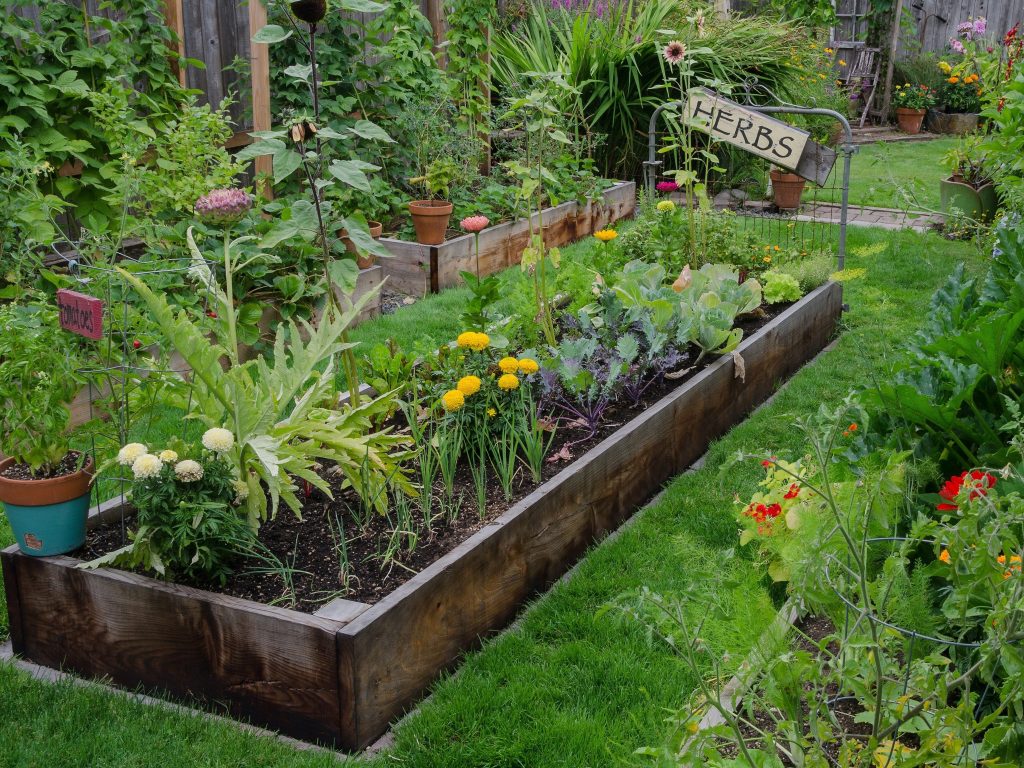
Credit: www.melnor.com
Planting Techniques
Creating a vegetable garden begins with selecting the right spot with good sunlight. Prepare the soil by removing weeds and adding compost for nutrients. Plan your layout, considering spacing for each plant, to ensure healthy growth.
Planting techniques are crucial for a successful vegetable garden. Understanding different methods helps maximize your garden’s yield. Let’s explore some essential planting techniques that ensure your plants thrive.Seed Planting
Seed planting is a fundamental technique. Choose quality seeds for better growth. Prepare the soil by loosening it and removing debris. Dig small holes or trenches, depending on the seed type. Place seeds at the recommended depth. Cover with soil gently and water lightly. Maintain moisture, but avoid overwatering.Transplanting Seedlings
Transplanting involves moving young plants to your garden. Start with healthy seedlings. Prepare the garden bed by tilling the soil. Create holes larger than the seedling’s root ball. Carefully remove seedlings from their containers. Place them in the holes, covering roots with soil. Water immediately to settle the soil.Companion Planting
Companion planting pairs plants to benefit each other. Some plants deter pests or improve growth. For example, plant basil with tomatoes. Basil repels pests and enhances tomato flavor. Research compatible plant pairs for your garden. This technique maximizes space and increases yield.Watering Strategies
Efficient watering strategies ensure a thriving vegetable garden. Use drip irrigation or soaker hoses for consistent moisture. Mulching helps retain water and reduces evaporation.
Setting up a vegetable garden is a rewarding endeavor that requires careful planning, especially when it comes to watering strategies. The right approach can significantly impact the health and yield of your plants. Whether you’re a seasoned gardener or just starting, understanding the best watering practices is crucial to nurturing a thriving garden. Let’s dive into some effective strategies that can help you maintain the perfect balance of moisture for your vegetable garden.Drip Irrigation
Drip irrigation is a game-changer for vegetable gardeners. It delivers water directly to the roots, minimizing waste and ensuring your plants get the moisture they need. This method is particularly beneficial for those living in areas with water restrictions. Setting up a drip irrigation system might seem daunting at first, but it’s worth the effort. Start by laying out a network of hoses or tubing along your garden beds, and attach emitters near each plant. This targeted approach helps prevent overwatering and reduces the risk of diseases caused by wet foliage. If you’re someone who forgets to water your plants regularly, drip irrigation could be your best friend. You can even automate it with timers, so your garden gets watered consistently without you lifting a finger.Watering Schedule
Crafting a watering schedule is essential for maintaining the health of your vegetable garden. How often should you water your plants? The answer depends on several factors like weather conditions, plant types, and soil composition. A good rule of thumb is to water early in the morning or late in the evening. These times minimize evaporation and help retain moisture. During hot months, your garden may require more frequent watering, so be ready to adjust your schedule accordingly. Consider keeping a garden journal to track your watering habits. Not only will it help you identify patterns, but it can also highlight areas that need more attention. Remember, consistency is key; irregular watering can stress plants and reduce yields.Rainwater Collection
Why not take advantage of nature’s bounty by collecting rainwater? It’s an eco-friendly option that can save you money while benefiting your garden. Installing a rain barrel system is simple and can be a great way to supplement your watering needs. Position your barrels under downspouts to collect rain efficiently. You can then use this stored water for your vegetable garden, reducing reliance on municipal water sources. Plus, rainwater is often softer and free from chemicals found in tap water, which your plants will love. Imagine reducing your water bill while conserving an essential resource. Doesn’t that sound appealing? With rainwater collection, you can achieve both and contribute positively to the environment. Incorporating these watering strategies into your gardening routine can make a significant difference in your vegetable garden’s success. Which strategy will you try first?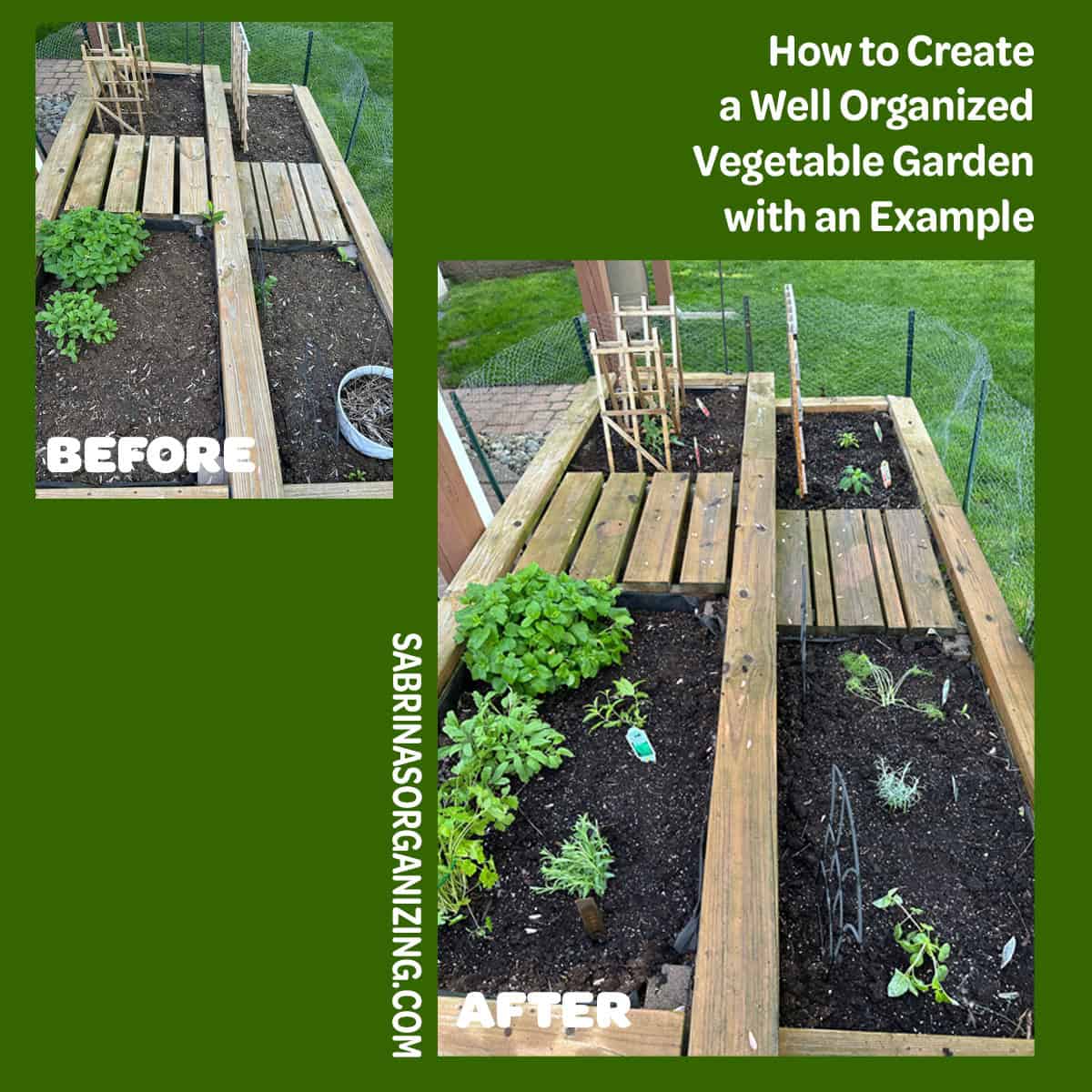
Credit: sabrinasorganizing.com
Pest And Disease Management
Effective pest and disease management is crucial in setting up a thriving vegetable garden. Choose disease-resistant plant varieties and maintain proper spacing to allow good airflow. Regularly inspect plants for signs of pests and diseases, and use natural remedies like neem oil or insecticidal soap for control.
Managing pests and diseases in your vegetable garden is crucial for a thriving harvest. Without proper management, your plants can easily fall prey to common nuisances, reducing your yield significantly. Let’s dive into how you can effectively identify, control, and prevent these garden invaders.Identifying Common Pests
Knowing your enemies is half the battle. You might spot aphids clustering on leaves or notice the tell-tale holes left by caterpillars. Keep an eye out for snails and slugs, especially during wet weather. They love munching on tender seedlings. A quick tip: regularly inspect your plants, especially the undersides of leaves, to catch these pests early before they multiply.Organic Control Methods
Chemical pesticides may offer a quick fix, but organic methods are safer for you and the environment. Consider introducing beneficial insects like ladybugs, which feast on aphids. Neem oil is a popular choice among organic gardeners. It’s effective against a wide range of pests and is safe for most plants. Simply mix and spray on affected areas.Preventive Measures
Prevention is better than cure. Start by rotating your crops each year to disrupt the lifecycle of pests and diseases. Encourage biodiversity by planting a mix of vegetables and flowers. Mulching can also deter pests while retaining moisture and maintaining soil temperature. And remember, healthy plants are less susceptible to attacks, so keep your soil enriched and well-drained. Are you ready to tackle pest and disease management in your vegetable garden? Implement these strategies and watch your plants flourish.Maintaining Plant Health
Set up a vegetable garden by choosing a sunny spot and preparing the soil with compost. Regular watering and monitoring for pests ensure healthy plants. Rotate crops each season to maintain soil nutrients.
Maintaining plant health is crucial for a thriving vegetable garden. Regular care and attention can make the difference between a bountiful harvest and a disappointing yield. Let’s explore key practices to ensure your plants stay healthy and productive throughout the growing season.Regular Pruning
Pruning is an essential task that helps plants grow stronger and produce more. By removing dead or diseased leaves, you enable the plant to focus its energy on healthy growth. It’s also a good opportunity to shape your plants, ensuring better air circulation, which reduces the risk of disease. Think of pruning as giving your plants a haircut. It keeps them tidy and encourages new growth. Always use clean, sharp tools to avoid spreading disease.Fertilizing Tips
Fertilizing your garden gives plants the nutrients they need to thrive. Organic fertilizers, like compost or well-rotted manure, are excellent choices. They enrich the soil without the harsh chemicals found in synthetic options. Consider using a balanced fertilizer that contains nitrogen, phosphorus, and potassium. Each nutrient plays a vital role in plant health. But remember, more isn’t always better—over-fertilizing can harm your plants.Mulching Benefits
Mulching is like laying a cozy blanket over your garden. It helps retain moisture, suppress weeds, and regulate soil temperature. Mulch can also improve soil health as it breaks down over time. Choose organic mulches like straw, wood chips, or shredded leaves. They not only feed your soil but also add a natural look to your garden. Apply a layer about two to three inches thick, making sure not to pile it directly against plant stems to prevent rot. In maintaining plant health, every small action contributes to a larger impact. Have you noticed how your plants respond to these practices? Engaging with your garden this way transforms it from a mere hobby to a rewarding experience.Harvesting Techniques
Choosing the right harvesting techniques ensures a thriving vegetable garden. Select tools that suit the type of vegetables grown. Timing is crucial; pick produce at peak ripeness for best taste and nutrition.
When it comes to setting up a vegetable garden, harvesting is one of the most rewarding parts. You’ve nurtured your plants from tiny seeds to luscious vegetables, and now it’s time to enjoy the fruits of your labor. But how do you ensure that you’re picking your produce at the perfect moment? And what tools will make the process easier and more efficient? Let’s delve into the essentials of harvesting techniques.Signs Of Ripeness
Understanding when your vegetables are ripe is crucial for a successful harvest. Each vegetable has its own signs of maturity. Tomatoes should be vibrant in color and slightly soft to the touch. Cucumbers are ready when they reach a desired size and are firm. A personal trick is to observe the color changes. When zucchini turns a deep green, it’s usually a good indication that it’s ready. Are you keeping a close eye on your plants to catch these signs?Proper Harvesting Tools
Having the right tools can transform your harvesting experience. You don’t need a lot, but a few essentials can make all the difference. A sharp pair of garden scissors or shears is invaluable for cutting stems cleanly. Consider investing in a harvesting knife for tougher stems. A garden basket or trug will help you carry your bounty without damaging it. Have you ever thought about how much easier harvesting could be with the right tools?Post-harvest Handling
Once you’ve harvested your vegetables, handling them correctly ensures they stay fresh longer. Wash your produce gently to remove dirt, but avoid soaking them. Store leafy greens in a cool place and keep root vegetables in a dark, dry area. Remember to refrigerate items like cucumbers and peppers to preserve their crispness. How do you ensure your freshly harvested vegetables maintain their freshness?Sustainable Gardening Practices
Selecting the right spot for your vegetable garden ensures healthy growth. Use compost to enrich the soil naturally. Choose native plants to save water and reduce pests.
Setting up a vegetable garden is a rewarding experience. To make it eco-friendly, embrace sustainable gardening practices. These practices benefit the environment and boost your garden’s health. They ensure your vegetable garden thrives season after season.Crop Rotation
Crop rotation helps maintain soil fertility. Rotate crops each season to prevent nutrient depletion. Different plants use and return different nutrients. This practice also reduces soil-borne diseases. Pests find it harder to invade. Plan your garden layout with this in mind.Soil Conservation
Preserving soil quality is essential. Use mulch to reduce erosion and retain moisture. Organic compost enriches the soil, boosting plant growth. Avoid over-tilling to maintain soil structure. This conserves beneficial organisms. Healthy soil leads to a bountiful harvest.Resource Efficiency
Using resources wisely is crucial. Collect rainwater for irrigation. This reduces water waste. Choose native plants that require less water and care. Group plants with similar needs together. This maximizes resource use. Efficient gardening saves time and money.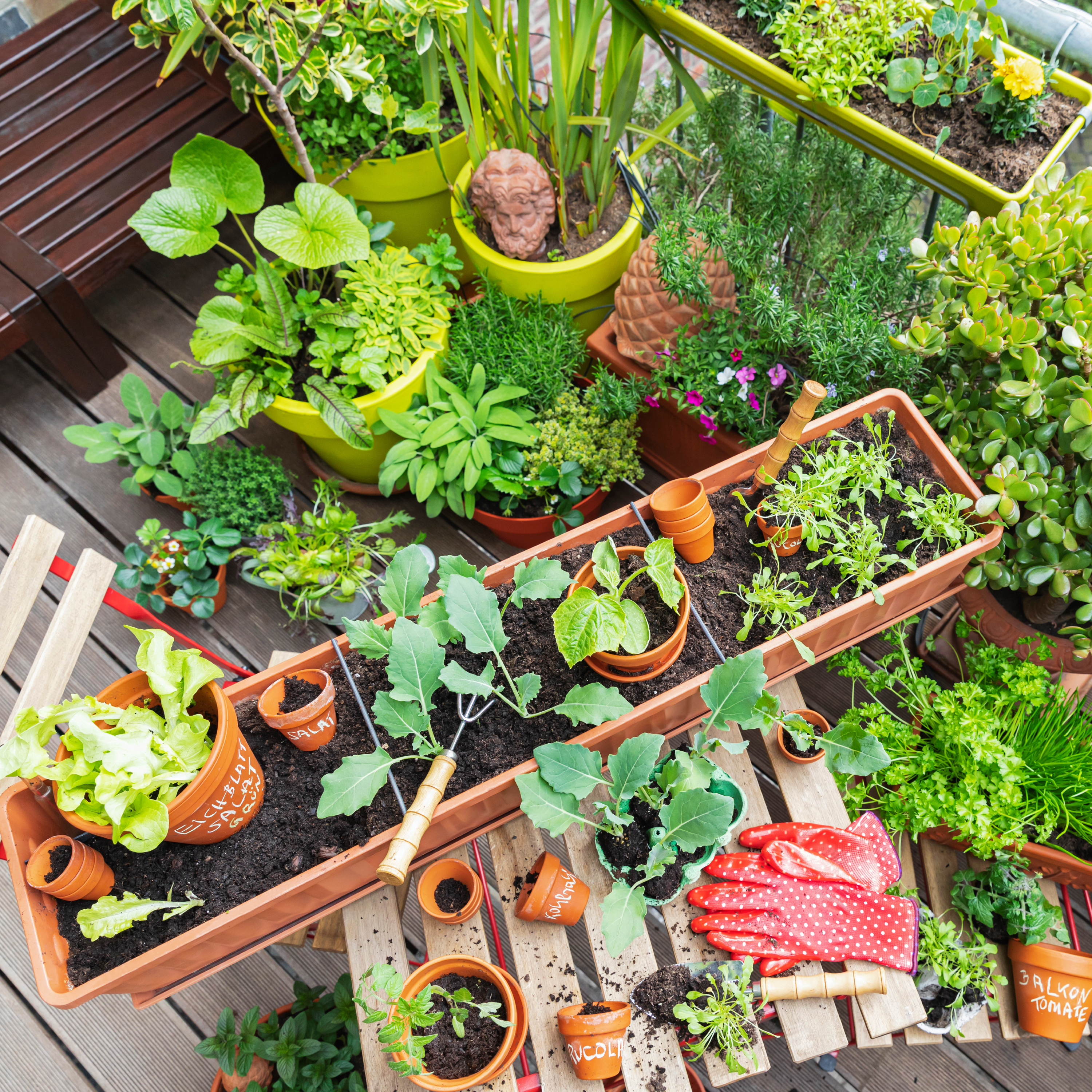
Credit: www.gardeningknowhow.com
Frequently Asked Questions
What Is The Best Way To Layout A Vegetable Garden?
Plan the garden in rows or raised beds for easy access. Group plants with similar sunlight and water needs. Ensure proper spacing for growth and air circulation. Use companion planting to enhance plant health and yield. Incorporate pathways for maintenance and harvesting.
Rotate crops annually to prevent soil depletion.
How To Start A Vegetable Garden For Beginners Step By Step?
Choose a sunny location and test the soil. Clear weeds and add compost. Plan your garden layout and select easy-to-grow vegetables. Plant seeds or seedlings, water regularly, and ensure proper drainage. Monitor for pests, and harvest when ready. Enjoy your fresh produce!
What Is The Most Common Mistake Of First Time Gardeners?
Overwatering is the most common mistake for first-time gardeners. They often think plants need constant moisture. This can lead to root rot and other issues. Ensure proper drainage and let the soil dry between watering. Learn your plant’s specific water needs for best results.
Which Vegetables Grow Well Together Chart?
Companion planting benefits vegetable growth. Tomatoes grow well with basil; carrots pair with onions; lettuce thrives with radishes. Beans enhance corn growth, while cucumbers favor peas. Consult a vegetable companion planting chart for optimal pairings and enhanced garden yield. Proper pairing boosts health and productivity.
Conclusion
Starting a vegetable garden is a rewarding journey. You now have the basics. Remember to choose the right spot. Sunlight is key for growth. Water and soil matter too. Keep plants healthy with regular care. Use natural pest control methods.
Enjoy the process and the harvest. Fresh veggies are worth the effort. Share your garden’s bounty with friends and family. Gardening can bring joy and health. Start small and expand over time. Happy gardening and may your garden thrive!