Are you tired of watching your carefully nurtured garden turn into a buffet for birds? You plant, you water, and you wait—only to find your precious fruits and veggies pecked at by feathered intruders.
It’s frustrating, isn’t it? You’re not alone. Many gardeners face this challenge, but the good news is there are effective ways to keep these pesky birds at bay. Imagine stepping into your garden, admiring the vibrant blooms and ripe produce, without the worry of unwanted guests.
You’ll discover simple yet powerful strategies to scare birds away and protect your garden. Ready to reclaim your garden? Let’s dive in.

Credit: www.amazon.com
Natural Bird Deterrents
Birds can be lovely, but not in your garden. They can eat your plants and make a mess. Natural bird deterrents can help keep them away without harm. Simple and eco-friendly methods work best. Let’s explore some effective options.
Using Reflective Objects
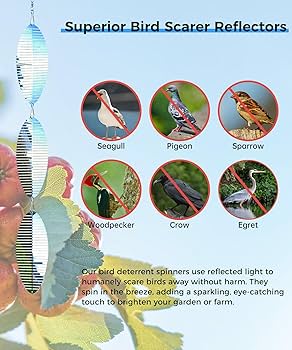
Reflective items can scare birds. Shiny things confuse them. Hang CDs or aluminum foil strips. They catch sunlight and move with the wind. This startles birds and keeps them away. Mirrors can also work well. Place them strategically in the garden. They reflect light in all directions. The sudden flashes can discourage birds from landing.
Incorporating Wind Chimes
Wind chimes not only sound pleasant. They also deter birds. The sound startles them. It creates an unpredictable environment. Birds prefer quiet spots. Choose wind chimes with varied tones. Metal chimes work best. They are durable and effective. Hang them near plants or trees. Wind will do the rest.
Planting Bird-repellent Plants
Certain plants can keep birds away. They dislike strong scents or tastes. Marigolds are a great option. Their smell is unpleasant to birds. Plant them around your garden. Lavender is another choice. Its strong scent repels many birds. Thorny plants also deter birds. They find them uncomfortable to land on. Choose a mix for best results.

Credit: sunnydazedecor.com
Physical Barriers
Physical barriers like netting or wire mesh keep birds out of gardens. These barriers create a physical blockade that birds cannot pass through, protecting plants without harming the birds.
Physical barriers can be a straightforward and effective way to protect your garden from feathered invaders. By creating physical obstructions, you’re setting up a defense mechanism that birds find challenging to bypass. Let’s explore how you can leverage these barriers to maintain the sanctity of your garden.Installing Netting
Netting is like a protective shield for your plants. It’s easy to install, affordable, and can cover large areas. When you drape netting over your garden, you create a barrier that prevents birds from accessing your crops or flowers. Choose fine mesh netting to ensure even small birds can’t squeeze through. Secure it tightly, especially around the edges, to prevent gaps. The beauty of netting is that it doesn’t interfere with sunlight or water reaching your plants.Utilizing Bird Spikes
Bird spikes might sound intimidating, but they are harmless deterrents. They are designed to prevent birds from landing on specific surfaces, such as fences, rooftops, or garden walls. These spikes come in various sizes and can be easily installed. They are especially useful if your garden is adjacent to ledges or structures where birds perch before making their way to your plants. By placing spikes in strategic locations, you discourage birds from using those spots as launching pads into your garden.Setting Up Fences
Fences serve as a formidable barrier against birds. A well-constructed fence not only defines your garden space but also acts as a deterrent to birds looking for easy access. Consider using a fence with a little height and some decorative elements that aren’t easy for birds to navigate. While fences are not foolproof, they reduce the number of birds entering your garden and make it less appealing as a feeding ground. Have you ever found yourself frustrated by birds nibbling away at your favorite plants? Physical barriers might just be the solution you need. By installing netting, utilizing bird spikes, or setting up fences, you can protect your garden and enjoy it in peace.Sound-based Solutions
Birds can be delightful, yet problematic for gardens. Sound-based solutions offer effective ways to deter them. Birds rely heavily on their sense of hearing. So, using sound can keep them at bay. This method is humane and non-lethal. Let’s explore some sound-based techniques.
Playing Distress Calls
Birds communicate distress through specific calls. You can use recorded distress calls to scare them away. These sounds create an alert among birds. They think danger is near. Many devices can play these calls. They are easy to set up. Position them in various parts of your garden.
Employing Ultrasonic Devices
Ultrasonic devices emit high-frequency sounds. These sounds irritate birds but humans can’t hear them. They cover large areas effectively. Many devices are solar-powered, making them eco-friendly. Place them strategically for best results. Regular movement of devices keeps birds guessing.
Visual Scare Tactics
Bright colors and shiny objects can deter birds from gardens. Install reflective tapes or wind chimes for effective results. These visual scare tactics create movement and noise, keeping birds at bay.
Visual scare tactics are an effective way to deter birds from your garden without causing them harm. These methods leverage the natural instincts of birds, making them feel uneasy and prompting them to seek safer grounds. By incorporating visual deterrents, you can protect your precious plants and enjoy a bird-free garden.Using Scarecrows
Scarecrows are a classic garden protector that have stood the test of time. They work by mimicking human presence, which birds instinctively avoid. To enhance their effectiveness, dress your scarecrow in bright colors or use reflective materials to catch the sunlight. You can even make it a family project by customizing your scarecrow with old clothes and hats. Change its position regularly to maintain the illusion of movement, keeping the birds on their toes. Have you ever thought about giving your scarecrow a makeover with seasonal outfits?Hanging Predator Decoys
Predator decoys, such as plastic owls or hawks, can be a powerful visual deterrent in your garden. Birds recognize these predators and steer clear to avoid danger. Place these decoys in visible spots, like fence posts or tree branches. Switch their locations often to keep the illusion alive. You might even consider investing in decoys with moving parts or reflective eyes for extra effectiveness. Have you noticed how a simple silhouette can create such a powerful impact? Embrace this tactic and watch your garden become a bird-free zone. Implementing these visual scare tactics can provide peace of mind and ensure your garden remains a sanctuary for your plants. What creative strategies have you tried to keep birds at bay?Chemical Repellents
Chemical repellents create an unpleasant smell or taste that deters birds from gardens. Safe sprays can be applied to plants. This method helps protect fruits and flowers from bird damage.
Chemical repellents offer an effective way to deter birds from gardens. They create an unpleasant taste or smell that birds dislike. This encourages them to find other places to visit. These repellents come in various forms. You can choose commercial products or make homemade solutions. Both options have their benefits and considerations.Applying Commercial Sprays
Commercial bird repellent sprays are easy to apply. They often use natural ingredients that are safe for plants. To apply, follow the instructions on the label for the best results. Ensure the spray covers all areas where birds perch or feed. Repeat applications may be necessary after rain. This maintains the effectiveness of the repellent.Using Homemade Solutions
Homemade solutions are a cost-effective alternative. You can use common household items to create them. For instance, a mixture of vinegar and water can repel birds. Another option is using chili peppers and water. Blend them and spray on plants. These solutions are safe for the garden and non-toxic. Always test on a small area first to avoid damage. Refresh the spray regularly for continued protection.Bird-feeding Alternatives
Utilize natural deterrents like shiny objects to scare birds away from your garden. Install wind chimes or reflective tape to create movement and noise. These simple techniques help protect plants from unwanted visitors.
Birds can be lovely, but they might not always be welcome in your garden. They can eat your plants and create messes. This makes it important to find ways to keep them away without causing harm. One effective strategy is offering food options that draw them away from your garden.Providing Food Away From Garden
Create a bird-friendly space that is separate from your garden. This can help keep birds away from your plants. Place seeds and nuts in areas that are far from the garden. Use small bowls or trays to hold the food. Choose spots that are easy for birds to find. This keeps them entertained and away from your garden.Setting Up Bird Feeders
Bird feeders are a great tool to attract birds. Set them up in locations that are away from your plants. Choose feeders that are easy to clean and refill. Hang them on trees or poles at a distance from the garden. This encourages birds to visit the feeders instead of your plants. Keep the feeders stocked with bird-friendly food. This ensures birds come back to the feeders rather than your garden.Maintenance And Monitoring
Regularly check garden areas for signs of bird activity. Adjust scare tactics as needed to maintain effectiveness. Use visual deterrents, noises, and movement to keep birds away.
Maintaining and monitoring your garden is key to keeping birds at bay. Just as you nurture your plants, your deterrents need regular attention to remain effective. By observing bird behavior, you can adapt your strategies, ensuring your garden remains a peaceful haven for your plants.Regularly Updating Deterrents
Birds are smart creatures and can quickly adapt to static deterrents. It’s essential to keep your deterrents fresh and unpredictable. Consider rotating your scarecrow’s outfit or shifting its position weekly. Reflective items, like CDs or mirrors, should be moved occasionally to catch the sun’s rays in different ways. If you notice birds ignoring your current setup, it might be time to try something new, like wind chimes or motion-activated sprinklers.Observing Bird Behavior
Knowing what birds frequent your garden can help tailor your deterrent strategies. Do certain birds appear only during specific seasons? Are there particular plants they favor? Take a few minutes each day to observe. Note the times birds are most active and what they’re drawn to. This insight can guide you in adjusting your deterrents. Could altering your watering schedule make a difference? Perhaps changing the layout of your garden beds might discourage bird visits. Your observations can be the key to a bird-free garden.
Credit: www.amazon.com
Frequently Asked Questions
What Is The Most Effective Bird Scare?
The most effective bird scare involves using visual deterrents like reflective tapes, predator decoys, and noise devices. These disrupt birds’ comfort zones, making them leave. Regularly changing deterrents enhances effectiveness, preventing birds from adapting.
What Smell Do All Birds Hate?
Birds generally dislike the smell of strong essential oils like peppermint, citronella, and garlic. These scents can deter them. Using these natural repellents can help keep birds away effectively and humanely.
What Do Farmers Use To Scare Birds Away?
Farmers use scarecrows, reflective tape, noise machines, and predator decoys to deter birds. Netting and chemical repellents also help. These methods protect crops by creating an uncomfortable environment for birds. Choosing the right method depends on the type of bird and crop.
Does Aluminum Foil Scare Birds Away?
Yes, aluminum foil can scare birds away due to its shiny surface and movement. Birds perceive it as a threat, deterring them from landing. Wrapping foil around garden plants or using strips can be effective in keeping birds at bay.
Regularly adjust the foil to maintain effectiveness.
Conclusion
Scaring birds away from gardens can be simple. Use natural methods to protect your plants. Try scarecrows or shiny objects. These can confuse birds. Consider noise-making devices too. They work well to deter birds. Planting certain herbs also helps. Birds dislike strong smells.
Netting is effective for small areas. It keeps birds at bay. Regular maintenance is key. Check for gaps often. Consistent effort brings success. Your garden stays safe and thriving. Enjoy your bird-free space. Happy gardening!