Are pesky grubs munching away at your precious vegetable garden? If you’re tired of watching your hard work get devoured by these underground invaders, you’re not alone.
Grubs can wreak havoc on your garden, making it difficult for your vegetables to thrive. But don’t worry—you’re about to discover simple and effective methods to reclaim your garden and keep it grub-free. Imagine the satisfaction of seeing your plants flourish without the worry of hidden pests.
We’ll guide you through easy steps to identify, control, and prevent grubs, ensuring your vegetable garden stays healthy and productive. Read on to learn how you can take back control and enjoy a bountiful harvest.

Credit: www.facebook.com
Identifying Grubs In Your Garden
Grubs can cause serious harm to your vegetable garden. They feed on roots and can kill plants. Identifying these pests early is crucial. So, knowing the signs and types can help in quick action.
Common Signs Of Grub Infestation
Look for brown patches on your lawn. These are a clear indicator of grubs. Plants may appear wilted or stunted. The roots are often chewed, leading to poor plant health. Birds and other animals digging in your garden can also indicate grubs. They feed on these pests and can make a mess.
Types Of Grubs Found In Gardens
There are several types of grubs you might find. The most common are Japanese beetle grubs. These are white and C-shaped. You might also find European chafer grubs. They look similar to Japanese beetles. Masked chafer grubs are another type. They are known for their creamy white bodies.
Identifying the type of grub can help in choosing the right treatment. Each type may require a different approach. So, proper identification is important for effective control.

Credit: gardeningfamily.com
Natural Control Methods
Natural control methods are effective in maintaining a healthy vegetable garden. These methods focus on using eco-friendly solutions to manage grubs without harming the environment. By employing these techniques, gardeners can protect their plants and ensure healthy growth.
Beneficial Nematodes
Beneficial nematodes are microscopic worms that target grubs. They enter grubs’ bodies, releasing bacteria that kill the pests. This method is safe for plants, humans, and pets. To use, mix nematodes with water and apply to moist soil. They actively hunt and reduce grub populations.
Diatomaceous Earth
Diatomaceous earth is a natural powder made from fossilized algae. It dehydrates and kills grubs on contact. Sprinkle the powder on affected areas in the garden. This non-toxic method is safe for both humans and pets. It serves as a physical barrier against grubs, preventing them from reaching roots.
Neem Oil Application
Neem oil is extracted from the seeds of the neem tree. It disrupts grubs’ growth and reproduction. Mix neem oil with water and spray directly on grubs and soil. It provides long-lasting protection without harming beneficial insects. Neem oil also enhances plant health by deterring other pests.
Organic Solutions
Organic Solutions to Remove Grubs from Vegetable Garden Natural remedies can effectively remove grubs from your vegetable garden. Introduce beneficial nematodes to target grub larvae. Encourage birds, which feed on grubs, by placing bird feeders nearby. Regularly till the soil to expose grubs, making them easy prey for predators.
Organic gardening is not just a trend; it’s a sustainable practice that helps maintain a healthy ecosystem right in your backyard. If grubs are munching away at your vegetable garden, there are effective organic solutions to tackle them without harming the environment. These methods enhance your garden’s resilience and encourage natural harmony.Companion Planting
Companion planting is a clever strategy to deter grubs naturally. By planting certain herbs and flowers alongside your vegetables, you can create a repellent barrier for these pesky invaders. Garlic, for instance, is known to repel many garden pests including grubs. Marigolds are another excellent choice—they not only add a splash of color but also release natural chemicals that can keep grubs at bay. Experiment with different combinations and observe which plants thrive together, creating a dynamic, self-protecting garden. Have you ever tried mixing fragrant herbs with your tomatoes or cucumbers? The unexpected synergy might surprise you, and your garden may become less appealing to grubs.Attracting Natural Predators
Nature has its own pest control experts—birds and beneficial insects. Encouraging these natural predators to visit your garden can significantly reduce grub populations. Consider installing birdhouses or feeders to attract birds like robins and sparrows, which are known to feast on grubs. Creating a habitat for beneficial insects is another organic solution. Ladybugs and ground beetles love dining on garden pests. Planting nectar-rich flowers can lure these insects and keep them around your garden. Imagine your vegetable patch bustling with life, each creature playing a role in maintaining balance. Isn’t it fascinating how simply attracting the right guests can protect your plants from grub damage?Chemical Treatments
Chemical treatments can effectively remove grubs from vegetable gardens. Use targeted insecticides to eliminate pests without harming plants. Ensure proper application for best results.
Chemical treatments can be an effective way to tackle grubs in your vegetable garden. They offer a targeted approach, reducing grub populations without affecting other plants. Yet, choosing the right chemical is crucial to ensure safety for both your garden and the environment.Choosing Safe Pesticides
Select pesticides labeled for grub control. These are designed to target the pests effectively. Read labels carefully to ensure they are safe for vegetable gardens. Opt for products with low toxicity to humans and beneficial insects. Consider organic options as they are often gentler on the ecosystem. Always prioritize pesticides that break down quickly in the soil.Application Guidelines
Apply pesticides during the grubs’ active feeding period. This is typically in late summer or early fall. Follow the instructions on the label precisely. Wear protective gear to avoid skin contact. Use a sprayer for even distribution. Avoid applying chemicals on windy days. This prevents drift and ensures the pesticide stays where it’s needed. Water the area lightly after application to help the pesticide penetrate the soil.Preventative Measures
Regularly inspect your vegetable garden for signs of grubs to catch infestations early. Introduce beneficial nematodes to naturally reduce grub populations. Maintain healthy soil with compost and proper irrigation to deter grub infestations.
Preventative measures are key when it comes to protecting your vegetable garden from the destructive presence of grubs. These pesky larvae can wreak havoc on your plants, but with some proactive steps, you can keep them at bay. Focusing on maintaining healthy soil and performing regular garden inspections will significantly reduce the risk of a grub infestation.Maintaining Healthy Soil
Healthy soil is the foundation of a thriving garden and a natural deterrent for grubs. Start by ensuring your soil is rich in organic matter. Compost and well-rotted manure are excellent additions that boost soil health and attract beneficial organisms like earthworms, which can naturally control grub populations. Rotate your crops each year. This simple practice prevents grubs from establishing a permanent residence in your garden. Avoid planting the same type of vegetable in the same spot consecutively. Consider planting grub-repellent plants like marigolds and chrysanthemums. These plants not only add color to your garden but also act as natural pest deterrents.Regular Garden Inspections
Regularly inspecting your garden is a simple yet effective way to catch grub issues early. Make it a habit to check the soil surface for signs of grub activity, such as wilting plants or patches of brown grass. Dig a small section of soil near any suspicious plants. If you spot more than a few grubs per square foot, it might be time to take action. Use this opportunity to observe other garden conditions. Are there areas with poor drainage or excessive moisture? Adjust these conditions to make your garden less inviting for grubs and other pests. By being vigilant and proactive, you can protect your vegetable garden from grubs, ensuring a bountiful and healthy harvest. What steps will you take today to safeguard your garden?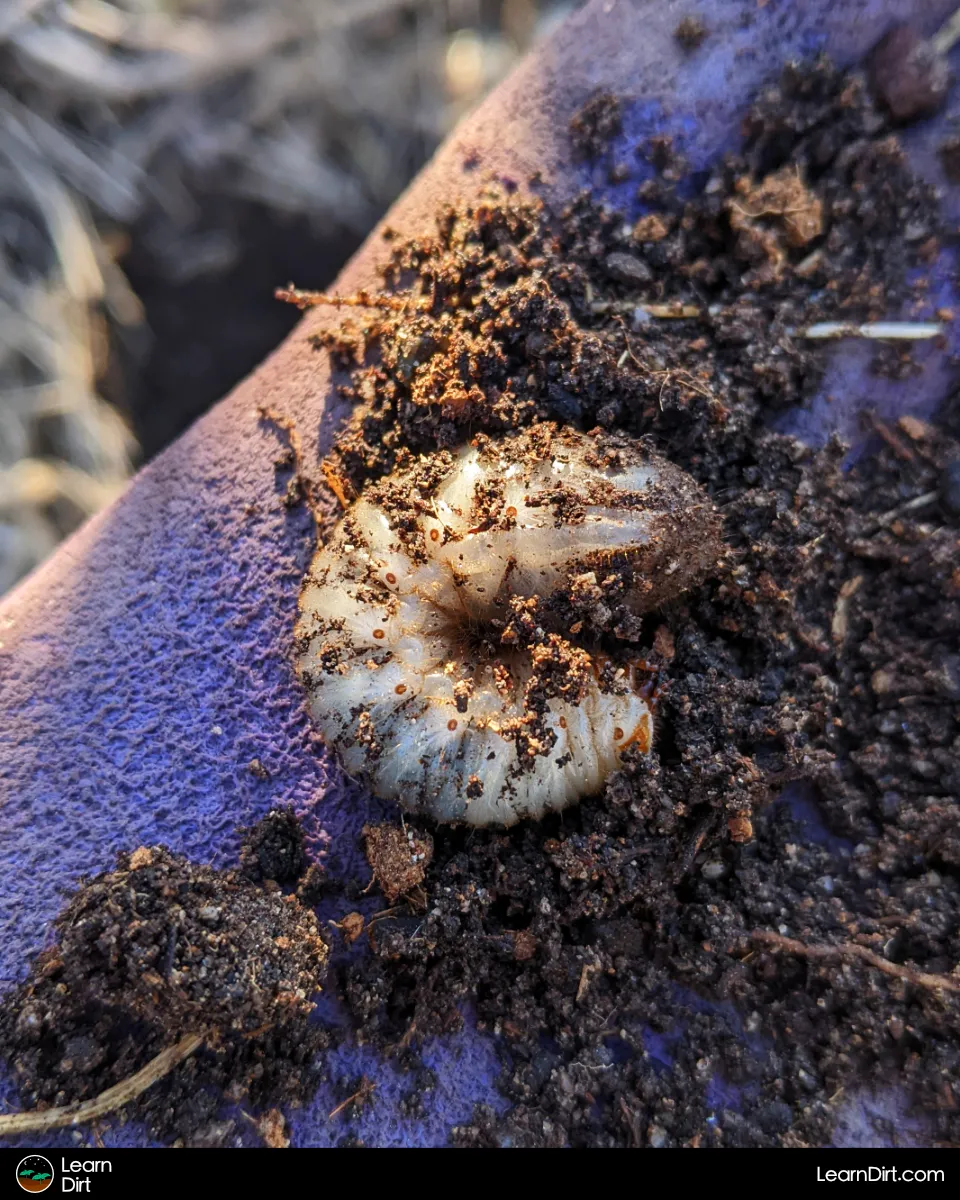
Credit: learndirt.com
Long-term Garden Health
Maintaining long-term garden health means creating a balance in your vegetable patch. This involves nurturing the soil and protecting plants from pests like grubs. A healthy garden resists infestations naturally and ensures thriving vegetables.
Rotating Crops
Rotating crops is vital for garden health. It disrupts the life cycle of grubs and other pests. Plant different families of vegetables in new spots each season. This practice prevents pests from settling in a predictable pattern.
Rotation also helps improve soil fertility. Different plants use nutrients differently. Rotating them balances nutrient usage and reduces soil depletion. It minimizes the need for chemical fertilizers.
Creating A Grub-resistant Garden
Designing a grub-resistant garden involves careful planning. Start by choosing grub-resistant plant varieties. Some plants naturally repel pests and protect nearby vegetables.
Introduce beneficial insects like nematodes. They naturally control grub populations. These tiny creatures target and destroy grubs without harming plants.
Healthy soil is another defense against grubs. Enrich the soil with organic compost. It promotes strong plant growth and builds resistance to pests.
Mulching is also effective. A thick layer of mulch discourages grubs and conserves soil moisture. It keeps the soil cool, making it less inviting to pests.
Frequently Asked Questions
How To Get Rid Of Grubs In A Raised Vegetable Garden?
Remove grubs by hand or use beneficial nematodes. Apply neem oil or insecticidal soap. Keep soil healthy with regular composting. Rotate crops to prevent infestation. Encourage birds and beneficial insects to control grub population naturally.
Can You Put Grub Killer In Your Vegetable Garden?
Using grub killer in vegetable gardens is risky. Many grub killers contain chemicals harmful to edible plants. Opt for natural alternatives like beneficial nematodes to control grubs safely. Always check labels and ensure the product is safe for vegetables. Protect your garden’s health by choosing organic solutions.
Does Dawn Dish Soap Really Kill Grubs?
Dawn dish soap can kill grubs by suffocating them. Mix soap with water and spray on the affected area. It disrupts their protective coating, causing dehydration. Regular application is necessary for effective results. It’s a natural, non-toxic method but may require multiple treatments for complete eradication.
How Do You Kill Grubs Without Killing Plants?
Apply beneficial nematodes to the soil to target grubs. Use neem oil, which is safe for plants. Keep your lawn healthy to naturally deter grubs. Avoid chemical pesticides that harm beneficial insects. Water deeply but infrequently to discourage grub development.
Conclusion
Grubs can harm your vegetable garden. Eliminating them ensures healthy plants. Start by checking for signs of grub damage. Use natural methods like neem oil or beneficial nematodes. Regularly maintain the garden to prevent grub infestations. Keep soil healthy for strong plant growth.
Protecting your garden from grubs is not hard. With consistent care, your vegetables thrive. Remember, healthy soil leads to healthy plants. Stay vigilant and enjoy a bountiful harvest. Happy gardening!