Are ants turning your vegetable garden into their own personal playground? You’re not alone.
These tiny invaders can be a real nuisance, threatening the very plants you’ve worked so hard to grow. But don’t worry, there are effective strategies to reclaim your garden. In this blog post, you’ll discover simple and effective methods to remove ants without causing harm to your precious plants.
You’ll learn how to identify the root of the problem, and choose solutions that fit your unique situation. Imagine a thriving garden, free from pests and full of healthy vegetables. That’s within your reach. Keep reading, and you’ll be equipped with everything you need to transform your garden back into the lush oasis you envisioned.
Credit: extension.msstate.edu
Identifying Ant Species
Identifying ant species is crucial for effective removal from vegetable gardens. Different ants require different solutions. Knowing the species helps in choosing the right method to protect plants.
Identifying the ants in your vegetable garden is crucial for effective management. Not all ants are harmful, and some can even benefit your garden ecosystem. Understanding the different species will help you make informed decisions about whether to remove them or allow them to coexist with your plants. Let’s dive into how you can spot the common garden ants and distinguish between harmful and beneficial ones.Common Garden Ants
Garden ants are diverse, and knowing which species frequent your vegetable patch can guide your control strategies. The most common types include:- Odorous House Ants:Often found in gardens, these small brown ants emit a rotten coconut smell when crushed.
- Carpenter Ants:Larger ants known for nesting in wood; they might not harm your plants directly but can damage nearby structures.
- Pavement Ants:These ants love to nest under rocks or pavement edges and can occasionally invade gardens.
Harmful Vs. Beneficial Ants
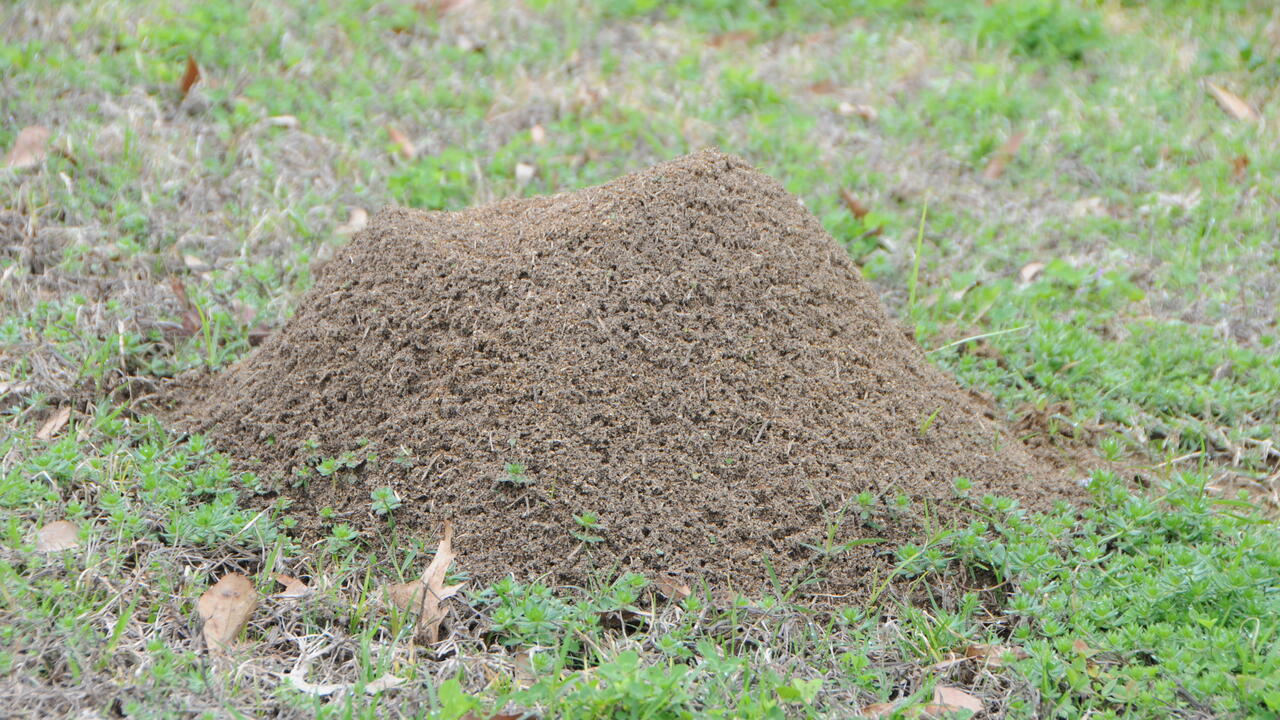
Not all ants spell trouble for your garden. Some even play vital roles in maintaining the ecosystem.- Harmful Ants:Ants like fire ants can be aggressive and damage plants by disturbing their roots. Their nests can also make gardening uncomfortable.
- Beneficial Ants:Many ants aid in aerating the soil, improving drainage, and controlling pest populations by feeding on larvae.
Natural Deterrents
Natural methods like using vinegar or citrus peels can effectively remove ants from a vegetable garden. Essential oils such as peppermint or tea tree create barriers that ants avoid. These solutions ensure your vegetables remain safe and chemical-free.
Natural deterrents can effectively remove ants from your vegetable garden. These methods are safe for plants and the environment. They are simple to use and often found right at home. Let’s explore some natural solutions to keep ants away.Essential Oils
Essential oils are strong repellents for ants. Peppermint oil is particularly effective. Mix a few drops with water in a spray bottle. Spray around the garden edges and ant trails. Lavender oil also works well as a deterrent. Its strong scent disrupts ant communication. Apply it similarly to peppermint oil. These oils are non-toxic, ensuring safety for your vegetables.Vinegar Solutions
Vinegar can deter ants naturally. Its acidic nature disrupts their scent trails. Mix equal parts of vinegar and water in a spray bottle. Spray directly on ant nests and paths. Avoid spraying on plants directly, as vinegar can harm them. Repeat the application every few days for the best results. This simple solution is both effective and eco-friendly.Herbal Plants
Certain herbs repel ants naturally. Planting mint can help keep ants away. Its strong aroma deters insects effectively. Similarly, growing thyme and oregano can create a natural barrier. These herbs not only repel ants but also enhance the garden’s flavor. Basil is another plant that ants dislike. Integrating these herbs into your garden provides dual benefits.Physical Barriers
Create barriers using diatomaceous earth to deter ants. Sprinkle it around the garden perimeter and plant bases. This natural substance is safe for vegetables and disrupts ants’ movement effectively.
Physical barriers offer effective solutions to keep ants away from vegetable gardens. These barriers act as deterrents, preventing ants from accessing your precious plants. They are easy to implement and often involve materials you might already have. Let’s explore some practical techniques to create these protective barriers.Creating Moats
A simple water moat can deter ants. Surround your plant beds with shallow trenches filled with water. Ants find it difficult to cross water, keeping them away from your vegetables. This method is eco-friendly and requires minimal effort. Ensure the moats are regularly replenished to maintain their effectiveness.Using Copper Tape
Copper tape is a fantastic barrier against ants. Wrap the tape around the base of your plant pots or raised beds. Ants dislike copper, making it an effective deterrent. This tape is easy to apply and lasts long, providing continuous protection. Regularly check the tape for wear and replace it when necessary.Mulching Techniques
Mulching can also keep ants at bay. Use materials like crushed eggshells or diatomaceous earth. Spread these around your plants to create a barrier. These substances are natural and safe for plants. They irritate ants, preventing them from crossing. Mulching also helps retain soil moisture and suppress weeds, benefiting your garden in multiple ways.Biological Controls
Natural predators can help manage ants in vegetable gardens. Introduce beneficial insects like ladybugs or spiders. These allies naturally reduce ant populations without harming your plants.
Biological Controls Getting ants out of your vegetable garden doesn’t have to involve harsh chemicals. Biological controls offer a natural way to manage these pesky invaders while keeping your veggies safe and healthy. These methods not only target ants but also promote a balanced ecosystem in your garden.Beneficial Nematodes
Beneficial nematodes are microscopic worms that live in the soil. They target and kill insect larvae, including those of ants, by entering their bodies and releasing bacteria that consume the host from the inside. You can easily purchase nematodes online or at garden centers and apply them with water to your garden soil. Imagine a tiny army working tirelessly beneath your plants, neutralizing ant threats before they become a problem. This natural method ensures ants are managed without disrupting the balance of your garden. It’s an easy and sustainable option that can keep your garden thriving.Encouraging Predators
Did you know that some insects and animals can help control ant populations? Birds, toads, and certain insects, like beetles and spiders, are natural predators of ants. By creating a welcoming environment for these creatures, you encourage them to settle in and help manage the ant problem. You might wonder how to attract these helpful allies. Simple steps such as adding bird baths, installing nesting boxes, or creating small ponds can make your garden a haven for these natural predators. This approach not only reduces ants but also enhances biodiversity in your garden.Companion Planting
Companion planting involves placing plants together that can benefit each other. Certain plants, like mint, garlic, and marigolds, naturally repel ants. By strategically planting these around your vegetable garden, you create a barrier that deters ants from invading. Think of companion planting as setting up a natural defense system. Not only does it help manage ants, but it also supports plant health and growth. You get the added benefit of diverse plant life, which can make your garden more resilient and productive. So, as you plan your garden layout, consider which plants can partner up to keep ants at bay.Homemade Remedies
Sprinkle cinnamon or peppermint around your vegetable plants to deter ants. These scents disrupt their trails. Mix equal parts of vinegar and water, and spray it on ant-infested areas. This natural remedy keeps ants away and protects your garden.
Homemade Remedies Tired of ants invading your vegetable garden and damaging your hard work? Homemade remedies might just be the solution you need. They’re easy, cost-effective, and often use ingredients you already have at home. Plus, they offer a natural alternative to chemical pesticides, keeping your garden and the environment safe.Boric Acid Mixtures
Boric acid is a natural insecticide that’s highly effective against ants. Mix one part boric acid with ten parts sugar and enough water to make a paste. Place this mixture in small containers around your garden. Ants are attracted to the sugar and will carry the mixture back to their colony. This method targets the entire colony, not just individual ants. Remember to keep it away from pets and small children, as it can be harmful if ingested.Diatomaceous Earth
Diatomaceous earth is a powdery substance made from fossilized algae. It’s safe for humans and pets but deadly to ants. When ants crawl over it, it damages their exoskeletons, causing them to dehydrate and die. Sprinkle a thin layer around the base of your plants and along ant trails. Be sure to use food-grade diatomaceous earth for safety. It’s a straightforward, no-mess solution.Sugar And Baking Soda
This simple mixture can disrupt an ant infestation without harming your plants. Combine equal parts sugar and baking soda in a shallow dish. The sugar lures the ants in, while the baking soda reacts with their digestive system. Place the dish near ant trails or nests for maximum effectiveness. This remedy is both easy to prepare and highly effective. How often do you come across a solution that’s so simple yet powerful? By employing these homemade remedies, you can effectively manage ants in your vegetable garden without resorting to harsh chemicals. Give them a try and watch your garden thrive!Commercial Solutions
Commercial solutions offer effective ways to remove ants from your vegetable garden, ensuring your plants thrive without unwanted pests. These solutions are designed to target ants while being mindful of the environment and your produce. Here, we explore some popular options that can help you maintain a healthy garden.
Ant Baits
Ant baits are a strategic way to control ant populations. These baits contain substances that attract ants and are laced with insecticides. As ants carry the bait back to their colony, it gradually eliminates the entire nest. Place the bait near ant trails or nests but away from your vegetables. Think of it as setting a trap that allows ants to do the hard work for you.
Some gardeners have found success with gel baits, which are easy to apply and can be discreetly positioned around the garden. Always follow the manufacturer’s instructions for safe and effective use.
Insecticidal Soaps
Insecticidal soaps are a gentle yet effective option to manage ants in your garden. These soaps target soft-bodied insects by disrupting their cell membranes. They are safe for most plants and decompose quickly, leaving minimal residue. Spray the soap directly onto the ants and affected areas. It’s a hands-on approach that requires regular application for best results.
Consider using soaps derived from natural ingredients to keep your garden chemical-free. This solution is particularly appealing if you are keen on maintaining an organic garden.
Garden-safe Sprays
Garden-safe sprays offer a broad-spectrum approach to controlling ants and other pests. These sprays often contain botanical extracts or low-toxicity chemicals, making them safe for use around vegetables. Apply the spray on ant trails and nests, being careful to avoid direct contact with the edible parts of your plants.
Look for sprays specifically labeled as safe for gardens, which ensures they won’t harm your plants or contaminate your produce. It’s a convenient solution for those who prefer a ready-to-use product.
Have you ever wondered how these commercial solutions impact your garden’s ecosystem? While they effectively remove ants, they also require responsible usage to preserve beneficial insects. Choose wisely and protect your green space.
Preventive Measures
Keep ants away from your vegetable garden by using natural barriers like citrus peels. Introduce beneficial insects to deter ants. Regularly check plants for ant activity and remove them promptly.
Preventive Measures Keeping ants away from your vegetable garden starts with prevention. Simple actions can deter these tiny invaders. Regular care and smart practices make a big difference.Regular Garden Maintenance
Maintain your garden regularly. Trim plants and remove debris. Ants love hiding in clutter. Check for ant hills. Break them up before ants settle in. Clean up any fallen fruits or veggies. They attract ants quickly. Use mulch wisely. It keeps soil healthy and deters ants.Proper Irrigation Practices
Water your garden correctly. Overwatering can attract ants. They like moist places. Use drip irrigation to control water flow. This keeps the soil balanced. Avoid puddles and stagnant water. Ants thrive in these conditions. Check your irrigation system often. Fix any leaks promptly.Avoiding Attractants
Keep attractants away from your garden. Store compost far from vegetable beds. Ants love the smell of decomposing matter. Use sealed bins for kitchen waste. This reduces their interest. Choose plants that repel ants. Mint and rosemary can help. These plants have strong scents ants dislike.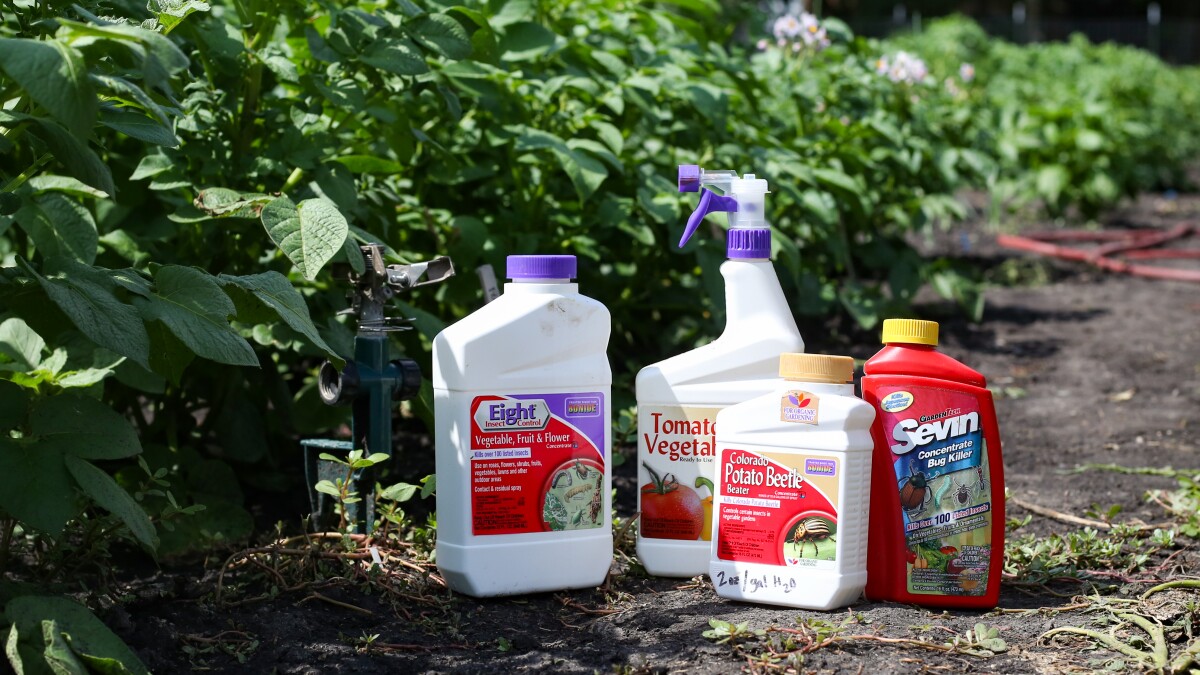
Credit: www.inforum.com

Credit: www.instagram.com
Frequently Asked Questions
Will Ants Ruin A Vegetable Garden?
Ants rarely ruin vegetable gardens directly. They may protect harmful pests like aphids. Manage ants with natural deterrents. Encourage beneficial insects to control aphids. Maintain garden health for optimal growth. Regularly check plants for ant activity. Use barriers or traps to minimize ant presence.
How Do You Get Rid Of Ants Without Harming The Soil?
Use diatomaceous earth around ant trails. It kills ants without harming the soil. Plant mint or lavender as natural repellents. Create a barrier with cinnamon or coffee grounds. Use a vinegar and water spray to disrupt pheromone trails. These methods effectively manage ants while preserving soil health.
What Repels Ants Naturally In The Garden?
Use peppermint oil, cinnamon, or vinegar to naturally repel ants in your garden. These scents deter ants effectively. Diatomaceous earth is another option, disrupting their movement. Planting mint or garlic can also keep ants away. Regularly apply these methods for best results in maintaining an ant-free garden environment.
Should I Remove Ants From My Garden?
Ants can benefit your garden by aerating soil and controlling pests. Only remove them if they cause damage. Use natural methods like diatomaceous earth or vinegar to manage ant populations without harming your plants.
Conclusion
Removing ants from your vegetable garden is essential for healthy plants. Try natural solutions first. Vinegar, lemon juice, and cinnamon work well. Create barriers with diatomaceous earth. Encourage natural predators like birds. Avoid chemical pesticides for a safe garden. Regularly check your garden for ant activity.
Keep your garden clean and free of debris. This discourages ants from settling. Remember, patience is key. Solutions take time to work. Your persistence will pay off. Soon, your vegetables will thrive without ants. Enjoy your garden’s bounty. Happy gardening!