Are you ready to transform your backyard into a thriving garden oasis? The secret to lush, healthy plants isn’t just in the seeds you sow, but in the soil you nurture.
Preparing your garden soil is the cornerstone of successful gardening, and with a few simple steps, you can create the perfect environment for your plants to flourish. Imagine vibrant blooms and bountiful harvests, all rooted in the rich, fertile ground you’ve cultivated with care.
Don’t let your gardening dreams wilt before they begin; delve into this guide to discover how to prepare soil for your garden. Your future self—and your garden—will thank you.
Choosing The Right Location
Selecting the perfect spot is crucial for garden soil preparation. Consider sunlight exposure, proximity to water sources, and drainage. A location with balanced sun and shade ensures optimal plant growth and soil health.
Choosing the right location for your garden is crucial. A well-chosen spot can be the difference between a thriving garden and one that struggles. When selecting a location, consider factors such as sunlight, soil drainage, and proximity to water sources.
Understanding Sunlight Needs
Every plant has its own sunlight requirement. Some thrive in full sun, while others prefer shade. Observe your yard throughout the day to see which areas receive the most sunlight. If you’re unsure, try planting a mix of sun-loving and shade-loving plants to test the spot.
Checking Soil Drainage
Good soil drainage prevents water from pooling around your plants. A simple test is to dig a small hole and fill it with water. If the water drains quickly, your soil likely has good drainage. Slow drainage might mean you need to amend the soil or choose another location.
Evaluating Proximity To Water Sources
Watering your garden regularly is essential. Choose a location near a water source to make this task easier. If the spot is too far, consider installing a hose system or rainwater collection to help with irrigation.
Considering Accessibility
A garden should be easy to access for maintenance and harvesting. If it’s too far from your home, you might find yourself neglecting it. Choose a spot that’s convenient for regular visits, ensuring you can tend to your plants without hassle.
Identifying Potential Obstacles
Look out for potential obstacles like tree roots or rocks that could hinder plant growth. Removing these can be labor-intensive, so it’s wise to choose a location with minimal interference. This will save you time and effort in the long run.
Thinking Ahead
Consider how your garden will evolve over time. Will nearby trees grow and cast shade? Will new construction affect sunlight or water access? Plan for the future so your garden can thrive for years.
Credit: homegrown-garden.com
Testing Soil Quality
Testing soil quality is crucial for a thriving garden. Check pH levels, drainage, and nutrient content to ensure optimal conditions. Preparing soil enhances plant growth and health.
Testing the quality of your garden soil is crucial. It helps determine its suitability for plants. It also guides you in making necessary adjustments. Here’s how to evaluate your soil for a thriving garden.
Ph Levels
The pH level indicates soil acidity or alkalinity. Most plants prefer a pH between 6 and 7. Testing kits are available at garden centers. Follow the instructions for accurate results. Adjust the pH using lime for acidic soil. For alkaline soil, sulfur can help.
Nutrient Content
Soil nutrients include nitrogen, phosphorus, and potassium. These are essential for plant growth. Use a soil test kit to measure nutrient levels. The kit will indicate deficiencies. You can add fertilizers to balance the nutrients. Organic compost is also a great natural option.
Soil Texture
Soil texture affects drainage and root growth. It can be sandy, loamy, or clayey. Perform a simple test by squeezing damp soil. Sandy soil falls apart easily. Clay soil holds its shape. Loamy soil feels crumbly. Amend soil texture with organic matter for better structure.
Clearing The Area
Remove weeds and debris for a clean start. Break up the soil to improve drainage and nutrient access. Mix in organic matter like compost to enrich the soil.
Clearing the area for your garden is an essential first step that sets the stage for healthy growth and productivity. Imagine the satisfaction of transforming a cluttered, weed-filled space into a neat, fertile patch ready for planting. This process doesn’t just involve removing obstacles; it also paves the way for your plants to thrive. As you clear the area, envision the vibrant garden you’re about to nurture.
Removing Weeds
Start by getting rid of the weeds. These pesky invaders compete with your plants for nutrients, water, and sunlight. Pull them out by the roots to prevent them from returning. Use a hoe or hand tools for deeper-rooted weeds. A tip: tackle this task after a good rain when the soil is softer. It’s less labor-intensive and more effective. Remember, patience is key; it might take a few rounds to fully clear stubborn weeds.
Eliminating Debris
Once the weeds are out of the picture, turn your attention to debris. This includes rocks, fallen branches, and any other clutter that can hinder your gardening efforts. Clear these obstacles to create a clean canvas for your garden. Consider using a rake or shovel for larger debris. Smaller items can be gathered by hand. Have you ever found an unexpected treasure like a vintage coin while clearing debris? It’s a reminder that every task can bring delightful surprises. Clearing the area thoroughly ensures your plants have unobstructed access to sunlight and air. Are there hidden barriers in your garden that might be affecting plant growth?
Improving Soil Structure
Improving soil structure is crucial for a thriving garden. It helps roots grow and allows water and nutrients to reach plants. A well-structured soil boosts plant health and increases yield. To achieve this, focus on two main activities: loosening compacted soil and adding organic matter. Both processes enhance soil quality and support plant growth.
Loosening Compacted Soil
Compacted soil can hinder root growth. It makes it difficult for roots to access water and nutrients. Use tools like a garden fork or tiller. Gently break up the soil to allow air and water to penetrate. Aeration improves drainage and helps roots spread easily. This creates a better environment for plants.
Adding Organic Matter
Organic matter enriches the soil. It improves texture and boosts fertility. Compost, leaf mold, and aged manure are excellent options. Spread a layer over your garden bed. Mix it into the top few inches of soil. This adds nutrients and enhances moisture retention. It also promotes beneficial microorganisms. These tiny helpers aid in decomposing organic material. They improve soil health and plant vitality.
Balancing Soil Ph
Balancing soil pH is essential for healthy plant growth. Test the soil to determine its acidity or alkalinity. Use lime to raise pH or sulfur to lower it.
Balancing soil pH is crucial for a healthy garden. The right pH ensures plants absorb nutrients effectively. If the soil pH is too high or low, plants struggle. Testing your soil pH is the first step. You can use a simple pH test kit. Once you know your soil’s pH, you can adjust it. Two common ways to balance soil pH are using lime and sulfur.
Using Lime
Lime helps raise soil pH. It’s ideal for acidic soil. Use powdered or pelletized lime. Spread it evenly over the soil. Work it into the top six inches. This ensures proper mixing. Water the area thoroughly. This helps lime dissolve and spread. Retest the soil after a few weeks. Adjust if necessary. Too much lime can harm plants. Follow recommended amounts for your soil type.
Applying Sulfur
Sulfur lowers soil pH. It’s perfect for alkaline soil. Use elemental sulfur or ammonium sulfate. Apply it evenly over the garden area. Incorporate it into the topsoil. Water the soil well after application. This helps sulfur activate. Monitor the soil pH regularly. Adjust as needed. Be cautious with sulfur. Excessive use can damage plants. Always follow guidelines for safe application.
Enhancing Nutrient Levels
Preparing soil for a garden boosts nutrient levels effectively. Begin by adding organic matter like compost or manure. Loosen compacted soil with a spade to enhance aeration and drainage.
Enhancing nutrient levels in garden soil is crucial for healthy plant growth. Plants rely on rich soil to absorb essential nutrients. Preparing soil with the right nutrients ensures better yields and vibrant blooms.
Composting
Composting is a natural way to enrich soil. It involves decomposing organic matter. Kitchen scraps and yard waste are ideal materials. They break down and turn into rich compost. This process adds vital nutrients to the soil. It improves soil structure and retains moisture. Start composting by collecting organic waste in a bin. Turn the pile regularly to speed up decomposition. After a few months, the compost is ready to use. Spread it evenly over the garden soil. It enriches the soil and boosts plant health.
Fertilizer Application
Fertilizers provide specific nutrients that plants need. They are available in organic and synthetic forms. Organic fertilizers release nutrients slowly. They improve soil health over time. Synthetic fertilizers offer immediate nutrient boosts. Choose the right type based on soil needs. Always read the label for application instructions. Over-fertilizing can harm plants and the environment. Apply fertilizers during the growing season. Ensure even distribution for balanced nutrient supply. Proper fertilizer use leads to stronger, healthier plants.
Ensuring Proper Drainage
Ensuring proper drainage is crucial for healthy plants. Loosen the soil and mix in organic matter like compost. This improves water flow and prevents root rot, promoting a thriving garden.
Ensuring proper drainage is crucial for a healthy garden. Poor drainage can lead to waterlogged soil, suffocating roots and promoting rot. Preparing the soil to drain well means your plants will thrive. Below are two effective methods to ensure your garden’s soil has excellent drainage.
Creating Raised Beds
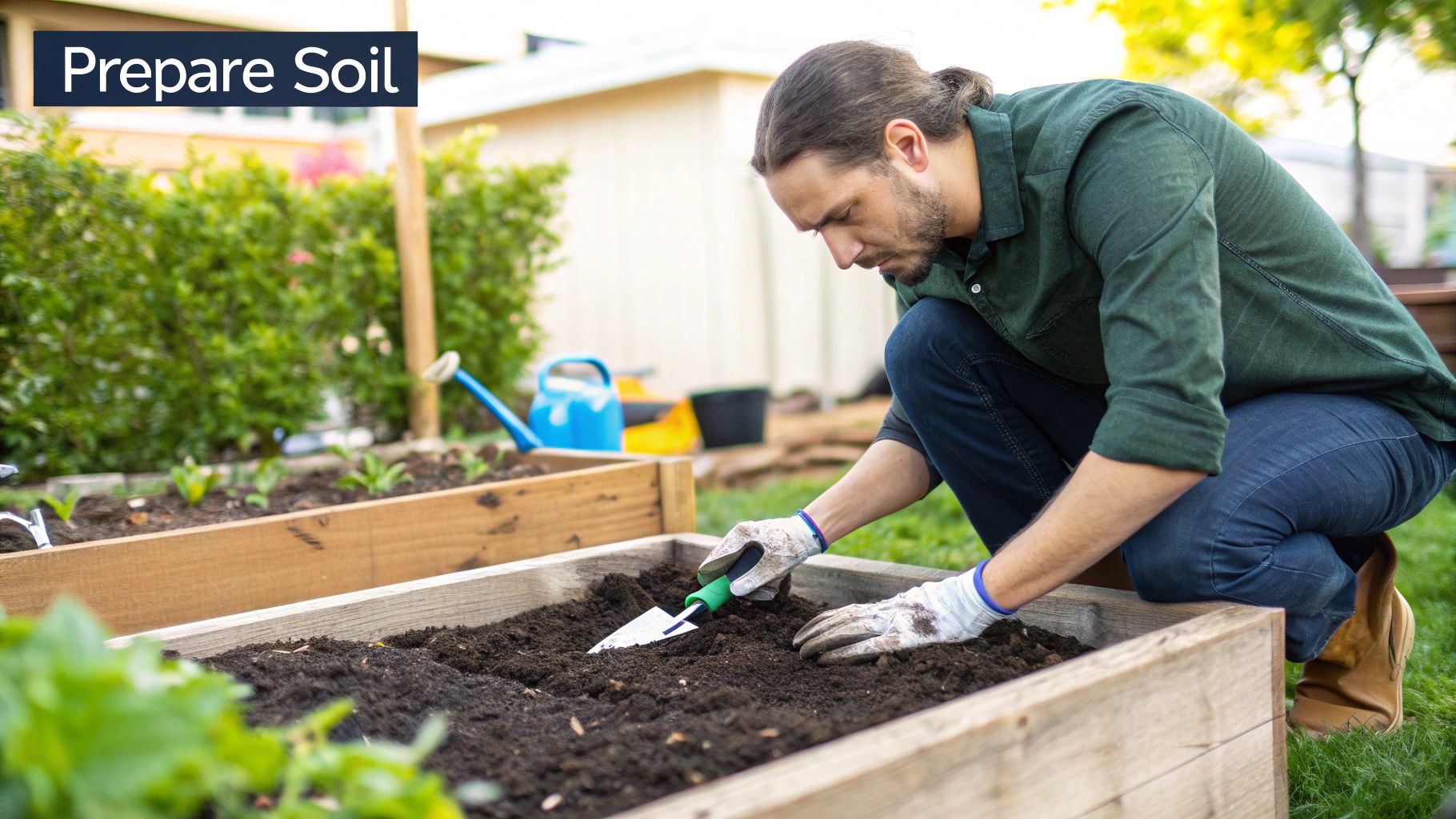
Raised beds are a simple way to improve drainage. Elevated soil drains faster than ground-level soil. This prevents water from pooling around plant roots. To create a raised bed, start by marking the area. Use boards or bricks to form the sides. Fill the bed with quality soil mixed with compost. Keep the soil loose and fluffy. Raised beds are easier to maintain. They warm up faster in spring, extending the growing season. You can control the soil quality better. Raised beds also reduce weeds and pests.
Installing Drainage Systems
Drainage systems can solve persistent water problems. Consider adding a French drain or a trench drain. French drains redirect excess water away from your garden. Dig a trench along the area needing drainage. Line it with gravel and place a perforated pipe inside. Cover it with more gravel and soil. Trench drains are useful for larger areas. They collect surface water and channel it away. Dig a shallow trench where water pools. Use a grated cover to prevent debris clogging the drain. Ensure the trench slopes slightly for water flow. Both systems improve soil drainage effectively. Choose the one that fits your garden’s needs. Proper drainage keeps your plants healthy and strong.

Credit: www.instagram.com
Mulching For Protection
Mulching shields garden soil from harsh weather, conserving moisture and reducing weed growth. Spread organic mulch evenly over prepared soil to enhance its structure and fertility.
Mulching serves as a vital shield for your garden, offering protection and nourishment to the soil beneath. It’s like giving your plants a cozy blanket that not only retains moisture but also suppresses pesky weeds. By choosing the right mulch, you can significantly improve the health and productivity of your garden.
Types Of Mulch
Mulch comes in various forms, each with its own benefits. Organic mulches, such as straw, wood chips, or shredded leaves, decompose over time, adding nutrients to your soil. Inorganic mulches like gravel or black plastic offer longer-lasting protection but won’t enrich the soil as they don’t break down. Choosing the right type depends on your gardening goals. If you’re aiming for nutrient-rich soil, organic options are your best bet. On the other hand, if low maintenance is your priority, inorganic mulch might be the way to go.
Application Techniques
Applying mulch correctly is crucial to maximize its benefits. Start by clearing the area of weeds and debris. Spread a 2-3 inch layer of mulch evenly over the soil, ensuring not to smother the base of your plants. Pay attention to the edges of your garden. Creating a neat boundary with mulch can prevent grass from encroaching on your garden space. Reapply mulch as needed, especially after heavy rains or during intense heat to keep your garden thriving. Have you ever noticed how some gardens always seem lush and weed-free? The secret often lies in the effective use of mulch. By taking these steps, you give your garden a fighting chance against the elements.
Regular Maintenance
Regular maintenance ensures soil remains fertile and ready for planting. Remove weeds and debris to promote healthy growth. Turn the soil to improve aeration and drainage, enhancing plant health.
Regular maintenance is key to a thriving garden. It involves consistent care and observation. Keeping your soil healthy ensures that your plants grow well. Regular checks and small adjustments can make a big difference. Let’s explore how you can maintain your garden soil effectively.
Monitoring Soil Health
Checking soil health is crucial. Use a soil test kit to measure pH levels. This tells you if your soil is acidic or alkaline. Aim for a pH between 6 and 7 for most plants. Look out for signs of poor soil health. Yellow leaves or stunted growth may indicate issues. Check soil texture too. Sandy soil drains fast, while clay retains water. Adjust watering based on soil type.
Seasonal Adjustments
Seasons change, and so should your soil care. In spring, add compost to enrich the soil. This boosts nutrients before planting. Summer heat can dry out soil. Mulch helps retain moisture and reduce weeds. In fall, remove dead plants to prevent disease. Winter can compact soil. Turn the soil to improve air circulation. Each season has unique needs. Adapt your soil care to match.

Credit: stantonins.com
Frequently Asked Questions
How Do You Prepare Soil For Beginners?
Start by clearing weeds and debris from the area. Loosen the soil using a spade or tiller. Mix in organic compost to enrich the soil. Test soil pH, and adjust with lime or sulfur if necessary. Ensure good drainage for healthy plant growth.
What Is The Best Thing To Mix To Make Garden Soil?
Mix compost, peat moss, and vermiculite for optimal garden soil. Compost enriches nutrients, peat moss retains moisture, and vermiculite improves aeration. This combination enhances plant growth and ensures a healthy garden environment. Amend soil based on specific plant needs for best results.
How Do You Prepare A Garden For Beginners?
Start by choosing a sunny spot for your garden. Clear weeds and debris from the area. Test soil pH for optimal growth. Add compost to enrich the soil. Select easy-to-grow plants like tomatoes or herbs. Water regularly and monitor plant health.
Enjoy your gardening journey!
How Do You Prepare Old Soil For A Vegetable Garden?
Remove old plants and debris from the soil. Loosen the soil with a garden fork. Add compost or organic matter to enrich nutrients. Test the soil pH and adjust if necessary. Mix well and level the surface for planting.
Conclusion
Preparing soil for your garden is essential for healthy plants. Start by removing weeds and rocks. Mix organic matter like compost into the soil. This helps retain moisture and provides nutrients. Test soil pH to ensure it suits your plants.
Use fertilizers carefully to avoid harming the soil. Aerate the soil to improve water drainage. Keep checking soil condition as plants grow. Simple steps make a big difference. Your garden will thrive with the right soil preparation. Happy gardening!