Imagine stepping outside your door and picking fresh, crisp vegetables from your very own garden. The taste is unbeatable, and the satisfaction?
Unmatched. But before you can enjoy this rewarding experience, you need to lay the groundwork—literally. Preparing the ground for a vegetable garden might seem daunting, but it’s simpler than you think, and more rewarding than you can imagine. In this guide, you’ll discover straightforward steps to transform your backyard into a thriving vegetable haven.
With a bit of effort now, you’ll soon be reaping the benefits of home-grown goodness. Ready to get your hands dirty and start cultivating your garden-to-table lifestyle? Let’s dig in and get your soil ready for success!

Credit: www.qpseedlings.com.au
Choosing The Right Location
Choosing the Right Location Select a sunny spot with good soil drainage for your vegetable garden. Ensure it’s close to a water source for easy watering. Avoid areas with strong winds or too much shade.
Preparing the ground for a vegetable garden starts with choosing the right location. The spot you select greatly impacts your garden’s success. A well-chosen location ensures healthy growth and abundant harvests. Consider factors like sunlight, water access, and soil drainage. These elements are crucial for your garden’s productivity.Sunlight Requirements
Vegetables thrive in sunlight. Most require at least six hours of direct light daily. Choose a spot that receives ample sunlight throughout the day. Avoid shady areas under trees or buildings. Sunlight helps plants photosynthesize and grow strong.Proximity To Water Source
Watering is essential for plant health. Select a location near a water source for convenience. It makes watering easier and more efficient. A garden far from water may lead to neglect. Ensure easy access to hoses or water outlets.Soil Drainage Considerations
Proper soil drainage prevents waterlogging. Vegetable roots need air and water balance. Test the soil for drainage by digging a small hole. Fill it with water. If it drains within a few hours, it’s suitable. Avoid areas where water stands after rain. Good drainage promotes healthy root systems.
Credit: www.thegardenacademy.com
Testing And Amending Soil
Testing and amending soil is key to a successful vegetable garden. Check soil pH and nutrients to ensure healthy plant growth. Improve soil quality with compost or organic matter for better water retention and root development.
Preparing the ground for a vegetable garden starts with understanding your soil. Testing and amending soil is crucial to ensure your plants thrive. It involves examining what your soil lacks and adjusting it for better fertility and pH balance. Let’s dive into how you can transform your garden soil into a nutrient-rich paradise for your vegetables.Conducting A Soil Test
Begin your soil preparation journey by conducting a soil test. This step uncovers vital information about your soil’s nutrient levels and pH balance. You can purchase a simple home testing kit or send a sample to a local extension office for a detailed analysis. When I first tested my garden soil, I was surprised to find it was low in nitrogen. This insight helped me adjust my gardening strategy significantly. Have you ever wondered why your plants might not be thriving? A soil test could reveal the answer.Improving Soil Fertility
Once you know what your soil lacks, it’s time to improve its fertility. Adding organic matter like compost or well-rotted manure can work wonders. These materials enrich the soil, improve drainage, and encourage beneficial microbial activity. If your test shows low potassium, consider adding wood ash. For phosphorus, bone meal can be a great addition. Tailor your amendments to what your soil specifically needs.Adjusting Soil Ph Levels
Soil pH affects nutrient availability and plant health. Most vegetables prefer a slightly acidic to neutral pH between 6.0 and 7.0. If your soil is too acidic, lime can help raise the pH. Conversely, sulfur can lower the pH if your soil is too alkaline. When I adjusted my garden’s pH, I noticed a significant improvement in plant growth and yield. Have you checked your soil’s pH lately? Adjusting it might just be the key to unlocking your garden’s full potential. By testing and amending your soil, you set the stage for a flourishing vegetable garden. What changes will you make to prepare your soil for the best harvest yet?Clearing The Area
Creating a vegetable garden is a rewarding venture. The first crucial task is clearing the area. This process sets the stage for healthy plants and productive growth. A clean area helps prevent diseases and pests. Let’s explore how to effectively clear your garden space.
Removing Grass And Weeds
Grass and weeds can compete with your vegetables for nutrients. Use a shovel or spade to remove them completely. Dig deep to extract roots and prevent regrowth. Consider using a hoe for large areas. This tool helps slice through roots easily. Applying mulch is also beneficial. It suppresses weeds and enriches soil quality.
Dealing With Rocks And Debris
Rocks and debris disrupt plant roots and hinder growth. Start by picking up visible rocks. Use a rake to gather smaller stones. For larger obstacles, a wheelbarrow can be handy. Remove debris like sticks and leaves. These can harbor pests and diseases. After clearing, inspect the soil thoroughly. Ensure it is free from obstructions for optimal plant health.
Tilling And Aerating Soil
Tilling and aerating soil improves its texture and nutrient flow. Loosening the ground allows roots to spread easily. Healthy soil supports strong vegetable growth.
Tilling and aerating soil is crucial for a thriving vegetable garden. These processes prepare the ground, making it fertile and ready for planting. Proper tilling breaks up compacted soil, while aeration improves airflow and water drainage. Together, they create the perfect environment for root growth and nutrient absorption.Tools For Tilling
Selecting the right tools makes tilling easier and more effective. A rototiller is great for large gardens, quickly breaking up hard soil. For smaller plots, a garden fork or spade works well. Hand tillers are ideal for precision work in tight spaces. These tools help mix organic matter into the soil, enriching it for planting.Benefits Of Soil Aeration
Aeration improves soil health by increasing oxygen levels. This encourages beneficial microorganisms to thrive. It also enhances water drainage, preventing root rot. Aerated soil allows roots to penetrate deeper, accessing nutrients more easily. This leads to healthier plants and a more productive garden. Regular aeration keeps the soil structure loose and supportive.Creating Garden Beds
Clearing debris and rocks is the first step in preparing the ground for a vegetable garden. Ensure the soil is loose by tilling it deeply, which helps roots grow better. Add compost to enrich the soil and improve its structure for healthier plants.
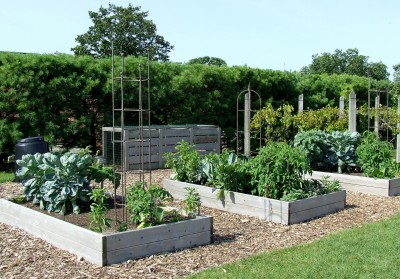
Creating a thriving vegetable garden starts with preparing the ground properly, and crafting the right garden beds is a crucial part of this process. Garden beds provide a structured environment for your plants, ensuring they get the nutrients, water, and space they need to flourish. Whether you’re a seasoned gardener or just starting out, choosing the right type of garden bed can make all the difference.Raised Beds Vs. In-ground Beds
Choosing between raised beds and in-ground beds depends on your specific needs and resources. Raised beds are elevated structures filled with soil, offering improved drainage and easier access. They’re perfect if you have poor soil quality or want to avoid bending over too much. In contrast, in-ground beds involve cultivating the existing soil. This option is cost-effective and allows plants to benefit from the natural soil ecosystem. Consider your soil type, budget, and physical abilities when deciding which option suits you best.Designing Bed Layouts
Designing your bed layout is both an art and a science. Begin by assessing the available space and sunlight in your garden area. Ensure each bed is accessible from all sides, typically no wider than four feet, so you can easily reach the center without stepping on the soil. Think about the types of vegetables you plan to grow and their space requirements. For instance, sprawling plants like pumpkins need more room, whereas compact crops like carrots can be planted closer together. Draw a simple sketch of your layout before you start digging—it can save you time and hassle later. Have you ever found yourself overwhelmed by the variety of vegetables you want to grow? Prioritizing your favorites not only keeps your garden manageable but also makes your meals more enjoyable. Remember, a well-planned garden bed is your first step towards a bountiful harvest.Implementing Irrigation Solutions
Preparing ground for a vegetable garden starts with clearing debris and weeds. Enhance soil health by adding compost and ensuring proper drainage. Level the area to facilitate irrigation, allowing vegetables to thrive with adequate water supply.
Implementing effective irrigation solutions is crucial for ensuring your vegetable garden thrives. Proper watering can make all the difference between a flourishing garden and one struggling to survive. But how do you decide which irrigation method is right for you? Let’s dive into two popular options that can transform your garden into a productive oasis.Drip Irrigation Systems
Drip irrigation systems are a game-changer for vegetable gardens. They deliver water directly to the plant roots, minimizing waste and ensuring each plant gets the moisture it needs. Imagine walking into your garden and seeing healthy, vibrant plants, all thanks to this efficient system. Setting up a drip irrigation system might sound daunting, but it’s simpler than you think. Start by laying out tubing along your plant rows. Attach emitters at regular intervals to control water flow. You might feel like an engineer, but the results will speak for themselves. With drip irrigation, you save both water and time. No more standing around with a hose or worrying about overwatering. Your plants receive a steady supply, reducing stress and promoting growth. It’s a smart investment for any garden enthusiast.Mulching For Moisture Retention
Mulching is another fantastic way to keep your vegetable garden hydrated. By covering the soil with organic materials like straw or wood chips, you help retain moisture and suppress weed growth. Picture a garden bed that stays damp even in the hottest weather—mulch makes this possible. Applying mulch is straightforward. Spread a layer around your plants, leaving some space around the stems for air circulation. This protective layer keeps the soil cool and moist, reducing the need for frequent watering. Did you know mulch also enriches the soil as it decomposes? It’s like giving your garden a nutrient boost without extra effort. Plus, it adds a neat, finished look to your garden beds, making them more appealing. Think about this: Could your garden benefit from improved irrigation methods? Try combining drip irrigation with mulching for optimal results. Your vegetable garden will thank you with bountiful harvests.Fencing And Protection
Preparing the ground for a vegetable garden involves clearing weeds and debris. Level the soil to ensure proper drainage. Install fencing to protect plants from animals and harsh weather.
Fencing and protecting your vegetable garden is vital for success. A well-protected garden keeps pests away and shields plants from harsh weather. These protective measures ensure your garden thrives throughout the year. Let’s explore the key strategies to safeguard your garden.Deterring Pests
Pests can wreak havoc on your vegetable garden. Building a sturdy fence is an effective solution. It prevents rabbits and deer from accessing your plants. Use wire mesh for added security. Consider installing motion-activated sprinklers. They can scare away unwanted visitors. Natural deterrents like garlic spray can be useful. Planting marigolds around the garden also helps. Their scent repels insects naturally. Keep the garden clean and free of debris. This reduces hiding spots for pests.Weather Protection Strategies
Weather conditions can damage your garden. Windbreaks are essential for protecting plants. Use shrubs or tall structures to block strong winds. Floating row covers can shield plants from frost. They also protect from heavy rain. Shade cloths are great for hot summers. They prevent sunburn on delicate leaves. Mulching is another useful technique. It keeps soil temperature stable and retains moisture. Always choose materials suitable for your climate. This ensures effective protection all year round.Planning Crop Rotation
Preparing the ground for a vegetable garden involves rotating crops to maintain soil health. This practice prevents pests and diseases while improving soil fertility, ensuring a bountiful harvest.
Planning crop rotation is key for a thriving vegetable garden. It involves changing plant locations each season. This practice prevents soil depletion and pests. A well-planned rotation boosts plant health and yields. Let’s explore the benefits and how to design a schedule.Benefits Of Crop Rotation
Crop rotation reduces pest and disease problems. Different crops have different pests. Rotating them breaks pest life cycles. This practice also enriches the soil. Different plants use and return different nutrients. This balance keeps soil fertile. It also improves soil structure. Different root systems aerate the soil differently. This variation enhances soil health.Designing A Rotation Schedule
Create a simple rotation plan for your garden. Divide your garden into sections. Rotate crops through these sections each year. Group crops by families, like legumes and brassicas. Keep notes of what you plant where each season. Aim for a three to four-year rotation cycle. This ensures pests and diseases don’t settle in one spot. Adjust your plan as you learn what works best. A well-designed schedule leads to a bountiful harvest.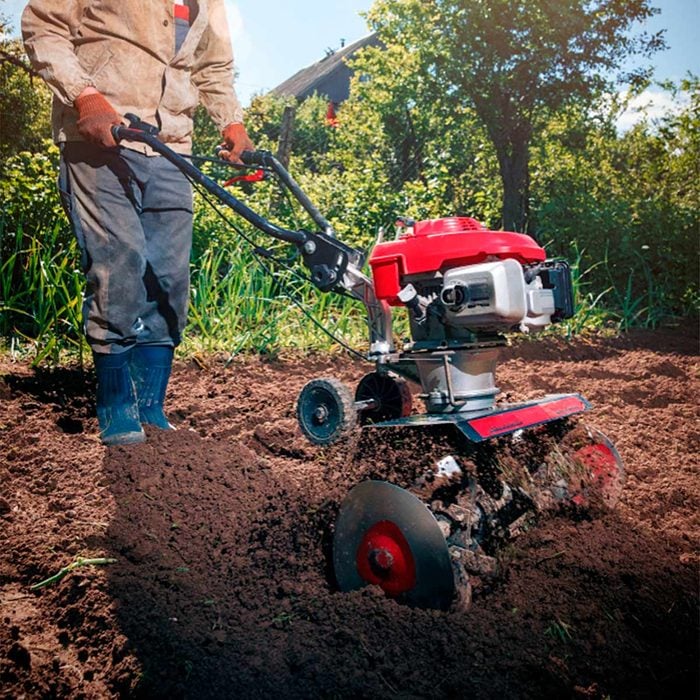
Credit: www.familyhandyman.com
Frequently Asked Questions
How Do I Prepare The Ground For A Vegetable Garden?
Clear debris and weeds from the area. Loosen soil using a spade or tiller. Add organic compost for nutrients. Level the ground using a rake. Ensure proper drainage by checking soil texture.
When To Start Preparing Ground For A Garden?
Start preparing the garden ground in early spring. Ensure the soil is workable and frost-free. Remove weeds, rocks, and debris. Add compost or organic matter to enrich the soil. Plan and design your garden layout for optimal plant growth.
What Do You Put In The Ground Before Planting?
Add compost, organic matter, or well-rotted manure to enrich the soil. Use bone meal for phosphorus. Test the soil pH and adjust with lime or sulfur as needed. Consider adding mulch to retain moisture and reduce weeds. Ensure proper drainage to prevent root rot.
What Is The Best Soil Recipe For A Vegetable Garden?
The best soil recipe for a vegetable garden includes 40% compost, 40% topsoil, and 20% coarse sand. This mix ensures good drainage and nutrient availability. Add organic matter like peat moss or aged manure for added fertility. Test soil pH and adjust with lime or sulfur for optimal plant growth.
Conclusion
Creating a vegetable garden starts with good preparation. Healthy soil boosts plant growth. Remove weeds and debris for a clean start. Test soil for nutrients, adjust as needed. Compost enriches soil naturally. Plan layout for easy access and sunlight. Watering should be consistent, especially in dry spells.
Mulch helps retain moisture. Start small, expand as you learn. Gardening teaches patience and care. Enjoy fresh vegetables from your own garden. Share surplus with friends. Feel proud of your hard work and dedication. Gardening is a rewarding journey. Happy planting and harvesting!