As the vibrant colors of autumn begin to fade, it’s time to turn your attention to preparing your garden for the chillier months ahead. You might be wondering how to protect your beloved plants from the harsh winter weather and ensure a flourishing garden come spring.
Worry not, because mastering the art of winter garden prep is easier than you might think. By taking a few strategic steps now, you can save yourself a lot of hassle later and enjoy a healthy, thriving garden when the warm sun returns.
So, are you ready to transform your garden into a winter-ready oasis? Let’s dive into the essential tips and tricks that will make your winter prep not only effective but also incredibly rewarding. Keep reading, and you’ll discover how easy it is to give your garden the care it deserves, ensuring it survives and thrives through the cold months.
Assessing Your Garden
Assessing your garden before winter is essential. Clear fallen leaves and debris to protect plants from disease. Trim dead branches and cover fragile plants for frost protection.
As winter approaches, it’s crucial to assess your garden to ensure it remains healthy and vibrant come spring. Taking a few simple steps now can make a significant difference in the survival of your plants through the colder months. You’ll want to focus on identifying which plants need extra protection and checking the condition of your soil to give your garden the best chance of thriving.
Identifying Vulnerable Plants
Begin by taking a walk around your garden to identify plants that may not withstand the winter chill. Some plants, such as young perennials or tropical varieties, are more susceptible to frost damage. Consider marking these vulnerable plants for added protection or relocation indoors. Think about your past experiences with these plants. Did they struggle last winter? If so, it might be wise to invest in burlap or garden blankets. These items can provide the insulation necessary to shield your plants from harsh weather.
Checking Soil Health
Healthy soil is the foundation of a thriving garden. Start by testing your soil’s pH level. You can easily find an affordable test kit at your local garden center. Ideal soil should have a balanced pH, which is crucial for nutrient absorption. Take note of areas where water tends to pool after rain. This could indicate poor drainage, which might suffocate plant roots during winter. Consider adding organic matter, like compost, to improve soil structure and drainage. This simple act can significantly enhance your garden’s resilience against winter’s challenges.
Credit: blog.redmondagriculture.com
Cleaning Up Debris
Clearing fallen leaves and branches ensures a tidy garden before winter. Remove dead plants and debris to prevent pests. Prepare soil for spring planting by adding compost or mulch.
Preparing your garden for winter ensures a fresh start in spring. Cleaning up debris is a crucial step. It helps prevent pests and diseases. Plus, it makes the garden look tidy and neat. Here’s how to tackle the task effectively.
Removing Dead Plants
Dead plants can attract unwanted insects. They can also spread diseases. Uproot them carefully. Use gloves to protect your hands. Dispose of them properly. This keeps your soil healthy. It also provides space for new growth.
Clearing Fallen Leaves
Fallen leaves can smother your lawn. They block sunlight and air. Rake them regularly. Use a leaf blower if needed. You can compost them for mulch. This enriches the soil naturally. It also reduces waste. Keep walkways clear for safety.
Pruning And Trimming
Pruning and trimming plants before winter helps them stay healthy and ready for spring. Remove dead branches and overgrown areas to encourage new growth. This simple care improves your garden’s appearance and prepares plants for cold weather.
Pruning and trimming are vital for preparing your garden for winter. These tasks help plants stay healthy and strong during colder months. Pruning removes dead or diseased branches, allowing for better growth in spring. Trimming shapes plants and improves air circulation. Both tasks enhance the beauty and health of your garden.
When To Prune Trees
Prune trees in late fall or early winter. This is when they are dormant. During dormancy, trees experience less stress from pruning. Remove dead or damaged branches first. Focus on branches that cross or rub together. This prevents future problems and promotes healthy growth. Use sharp tools to make clean cuts. This reduces the risk of disease.
Trimming Shrubs And Bushes
Trim shrubs and bushes after the first frost. Frost signals plants to prepare for winter. Remove any dead or dying branches. Shape the plant to maintain its natural form. Trimming encourages new growth in spring. Use shears for precise cuts. Avoid cutting too much; this can harm the plant. Keep trimming tools clean to prevent disease spread.

Credit: www.youtube.com
Protecting Soil
Preparing your garden for winter ensures soil protection. Add mulch to retain moisture and shield from harsh weather. Rotate crops to prevent nutrient depletion and reduce pests.
Protecting your garden soil is crucial during winter. Cold temperatures can harm soil health, affecting spring planting. Preparing the soil now ensures a thriving garden next year. Let’s explore methods to safeguard your soil.
Applying Mulch
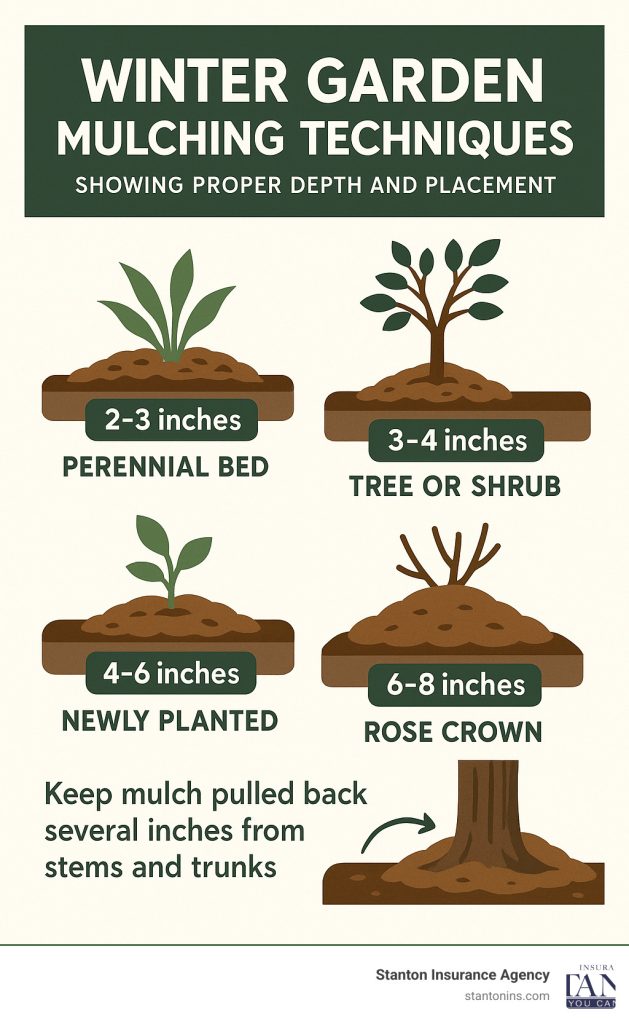
Mulch acts as a protective blanket for soil. It helps retain moisture and regulate temperature. Spread a thick layer over garden beds. Use organic materials like straw, leaves, or wood chips. This organic layer breaks down, enriching the soil. Mulch also reduces erosion from winter winds and rains. It prevents weed growth, keeping your garden neat.
Using Cover Crops
Cover crops are living plants that shield soil. They improve soil health and reduce erosion. Plant crops like clover, rye, or vetch. These crops fix nitrogen, enriching soil naturally. They prevent nutrient loss and help suppress weeds. Cover crops also enhance soil structure. In spring, till them into the soil for added benefits.
Caring For Perennials
Preparing your garden for winter involves cutting back dead foliage and applying mulch to protect plant roots. Pruning perennials encourages healthy growth and reduces disease risk. Ensure adequate drainage to prevent root rot during cold months.
Preparing your garden for winter doesn’t just mean packing away tools and hoping for the best. It’s crucial to give your perennials the attention they deserve. Perennials, those trusty plants that return year after year, need a bit of TLC to ensure they thrive when the warmer weather returns. Taking proactive steps now can save you effort and disappointment later. Let’s delve into the essential tasks of cutting back and mulching your perennials.
Cutting Back Perennials
Trimming your perennials is like giving them a fresh start. Cut back dead stems and leaves to prevent diseases and pests from finding a winter home. This process also encourages healthier growth in the spring. Use sharp pruners and make clean cuts close to the ground. Not all perennials need cutting back, though. For instance, plants like lavender and Russian sage benefit from keeping their foliage through the colder months.
Covering With Mulch
Mulch acts as a cozy blanket for your perennials, keeping the soil temperature consistent and protecting the roots from freezing. Spread a layer of mulch, such as straw or shredded leaves, around the base of your plants. Aim for about 2-3 inches thick to ensure adequate insulation. Have you ever noticed how a warm quilt can make winter nights more bearable? Mulch does the same for your plants, preserving moisture and reducing the chance of frost heave. By covering your garden beds, you’re essentially safeguarding your hard work and ensuring a vibrant return in the spring. Have you started prepping your perennials for winter yet? It’s the perfect time to get hands-on and make sure your garden is ready to face the chill.
Credit: www.veggiegardener.com
Preparing Trees And Shrubs
Prepping your garden for winter involves protecting trees and shrubs. Mulch around their bases to retain moisture. Prune dead branches to ensure healthy growth in spring.
Preparing your garden for winter involves more than just clearing away fallen leaves. Paying attention to your trees and shrubs can make a significant difference in their health and appearance come spring. These perennial plants need some extra love to withstand the harsher conditions of winter. With a bit of prep, you can ensure they are protected and ready to flourish when the weather warms up again.
Wrapping Trees
Young and thin-barked trees are particularly vulnerable to frost and winter sun damage. You can wrap the trunks with tree wrap or burlap to provide protection. Start at the base and work your way up, overlapping the layers to ensure complete coverage. For added security, use twine to hold the wrap in place. This extra step can prevent it from slipping off during a storm. Have you noticed how some trees develop cracks after a cold snap? Wrapping can minimize this risk significantly.
Shielding Shrubs
Shrubs can suffer from windburn or frost damage, especially those with evergreen leaves. Use burlap or protective garden fabric to shield them from harsh winds and icy temperatures. Secure the fabric with stakes or ties, allowing some room for air circulation. Consider creating a windbreak with stakes and fabric to protect your shrubs from strong gusts. Don’t underestimate the power of mulch either; applying a thick layer around the base can help insulate the roots. Have you ever seen shrubs that look like they’ve been scorched after winter? Shielding them properly can prevent this damage. Taking these steps not only safeguards your plants but also maintains the beauty of your garden all year round.
Winterizing Water Features
Preparing garden water features for winter involves draining fountains and ponds to prevent freezing. Clean pumps and filters thoroughly. Cover features with protective materials to safeguard against harsh weather conditions.
As the cold season approaches, it’s crucial to prepare your garden’s water features. Winterizing water features ensures they remain in excellent condition for spring. Water features add beauty and tranquility to gardens, so it’s essential to protect them from harsh winter weather. This involves taking specific steps to safeguard ponds and pumps.
Draining Ponds
Draining ponds can prevent damage from freezing temperatures. Start by removing leaves and debris. Use a net or skimmer for this task. Next, lower the water level. Use a pond pump to remove excess water. This helps avoid ice expansion damage. Consider storing delicate plants indoors. Place them in containers with water in a cool, frost-free area. Cover the pond with a net to catch falling leaves. This keeps the pond clean throughout winter.
Protecting Pumps
Protecting pumps is essential for their longevity. Begin by disconnecting the pump from the power source. Then, remove it from the water. Clean the pump thoroughly. Remove any debris or algae build-up. Store the pump in a dry, frost-free location. Keeping the pump dry prevents freezing and cracking. For submersible pumps, immerse them in a bucket of water. This keeps seals moist during winter storage. Remember to check hoses and connections for damage. Replace any worn parts before spring.
Storing Garden Tools
Store garden tools properly to keep them in good condition for next season. Clean and dry tools to prevent rust. Organize them neatly in a dry place to save space and ensure easy access.
Preparing garden tools for winter is essential for their longevity. A little effort now saves time and money next spring. Proper storage protects tools from rust and damage.
Cleaning And Oiling Tools
Begin by cleaning all garden tools thoroughly. Remove dirt, sap, and plant residue using a stiff brush. For stubborn dirt, use soapy water and rinse well. Dry tools completely to prevent rust. Once clean, apply a light coat of oil to metal parts. This prevents rust and keeps them in good condition. Linseed oil works well for wooden handles. Wipe handles with oil to prevent cracking.
Organizing Storage Space
Organizing your storage space ensures easy access and protection. Hang larger tools like shovels and rakes on wall hooks. Use pegboards for smaller tools like trowels and pruners. Label shelves and bins for quick identification. Store tools in a dry place, away from dampness. Consider using silica gel packs to absorb moisture. Keep sharp tools covered or in a toolbox for safety. This organization makes spring gardening a breeze.
Planning For Spring
Clear debris and fallen leaves to protect plants from pests. Add mulch to insulate soil and roots. Prune dead branches to encourage healthy spring growth.
Planning for Spring Preparing your garden for winter involves planning for spring. Thoughtful planning now ensures a flourishing garden when temperatures rise again. Consider what worked well and what didn’t this past year. This reflection guides decisions for the upcoming planting season.
Documenting Garden Layout
Document your current garden layout before winter arrives. Take notes or draw a sketch of plant placements. Capture the success of this year’s arrangement. Were the tomatoes too close together? Did the beans have enough sunlight? Such observations help make informed decisions later.
Ordering Seeds Early
Order seeds early to ensure availability. Popular seeds often sell out quickly. Planning your order now avoids disappointment. Consider trying new varieties or sticking with tried-and-true favorites. Early ordering gives time to compare prices and read reviews. You can also take advantage of early-bird discounts.
Frequently Asked Questions
How Do I Prepare My Vegetable Garden For Winter?
Clear debris and weeds from the garden. Add mulch to protect soil. Plant cover crops for nutrients. Trim dead plants and store tools indoors. Prepare compost for spring use.
How Do You Winterize An Outdoor Garden?
To winterize your garden, remove dead plants and mulch beds. Prune perennials, clean tools, and drain irrigation systems. Protect young trees and shrubs with burlap or tree guards. Apply a thick layer of mulch to insulate soil and roots. Store delicate plants indoors.
When Should I Start Winterizing My Garden?
Start winterizing your garden four to six weeks before the first expected frost. Remove dead plants and debris. Protect perennials with mulch. Clean and store garden tools. Drain and store hoses to prevent freezing. This preparation ensures your garden withstands the winter cold effectively.
What Vegetables Do You Plant Before Winter?
Plant hardy vegetables like garlic, onions, and spinach before winter. Kale, broccoli, and Brussels sprouts also thrive in cooler temperatures. Consider carrots and beets for late fall sowing. These vegetables withstand frost and grow well in cold conditions, ensuring a productive harvest in spring.
Conclusion
Preparing your garden for winter ensures a healthy start in spring. Simple steps make a big difference. Clean debris to prevent pests. Protect plants with mulch. Trim branches to avoid damage. Store tools properly to prolong their life. Plan next year’s garden for better results.
Keep soil healthy with compost. Check drainage to avoid waterlogging. Winter prep saves time and effort later. Enjoy a thriving garden when warmer days return. Embrace the season’s change and nurture your outdoor space. Gardening is a journey, not just a task.
Your efforts now promise a blossoming future.


