
Imagine stepping into your backyard, feeling the sun on your face, and being greeted by a vibrant, flourishing garden that you planted with your own hands. Sounds perfect, right?
If you’ve been dreaming of starting your own garden but feel daunted by the traditional methods, a raised garden might be the ideal solution for you. In this guide, you’ll discover how to plant a raised garden with ease, transforming your outdoor space into a personal oasis.
Whether you’re a seasoned gardener or a complete beginner, raised gardens offer a range of benefits, like improved soil quality, better drainage, and easier access to your plants. By the end of this article, you’ll have all the know-how to get started. You’ll be amazed at how simple it can be to grow your own vegetables, herbs, or flowers. So, grab your gardening gloves, and let’s dig into the secrets of creating a beautiful and bountiful raised garden that you can be proud of.
Credit: www.gardenary.com
Benefits Of Raised Garden Beds
Raised garden beds offer improved drainage and better control over soil quality. They help keep weeds at bay and provide easier access for planting and maintenance. Ideal for small spaces, these beds allow for efficient use of gardening area, making them perfect for growing a variety of plants.
Planting raised garden beds can transform your gardening experience. They offer a host of benefits that can make your gardening more productive and enjoyable. Whether you’re a seasoned gardener or a beginner, raised beds might just be the perfect fit for your green thumb.Enhanced Soil Quality
Raised garden beds allow you to control the soil quality more effectively. You can customize the soil mix to suit the needs of your plants, ensuring optimal growth. This means healthier plants and better yields.Improved Drainage
With raised beds, drainage is superior. The elevated soil allows water to flow more freely, preventing issues like waterlogging. This is particularly beneficial in areas with heavy rainfall or clay soils.Extended Growing Season
The soil in raised beds warms up faster in spring, allowing you to start planting earlier. Likewise, in fall, you can extend your growing season by keeping the soil temperature higher. This can be a game-changer for those eager to maximize their gardening time.Weed Control
By elevating your garden beds, you minimize the weed invasion. The defined boundaries make it easier to manage and remove weeds. Plus, you can easily spot and address them before they become a problem.Space Efficiency
Raised beds are perfect for optimizing small spaces. They allow you to plant more densely, maximizing your growing area. This is ideal for urban gardeners or those with limited backyard space.Ease Of Access
Gardening in raised beds reduces the need for bending and stooping. This is a huge benefit for those with mobility issues. It makes gardening more accessible and enjoyable, keeping you engaged with your plants without the physical strain. As you plan your garden, consider how raised beds could enhance your gardening experience. What aspects resonate with you the most?Choosing The Right Location
Selecting the perfect spot for raised garden beds is crucial. Ensure the area gets at least six hours of sunlight daily. Choose a location with good drainage to prevent waterlogging and promote healthy plant growth.
Choosing the right location for your raised garden is crucial. It impacts plant growth, health, and productivity. A well-chosen spot ensures your garden thrives. Consider key factors like sunlight, water access, and soil drainage.Sunlight Considerations
Plants need sunlight for photosynthesis. Most vegetables require six to eight hours of sunlight. Choose a location away from tall trees or buildings. Observe the sun’s path throughout the day. Ensure the spot gets ample sunlight to boost growth.Proximity To Water Sources
Water is essential for plant survival. Position your garden near a water source. It eases the watering process and saves time. Check for hoses or sprinklers nearby. Regular watering is key to keeping your garden healthy.Soil Drainage Factors
Good soil drainage prevents waterlogging. Raised beds offer better drainage than flat gardens. Choose a slightly sloped area to enhance water flow. Avoid areas prone to flooding or standing water. Proper drainage keeps roots healthy and strong.Selecting Materials
Choosing the right materials for a raised garden ensures durability and plant health. Opt for rot-resistant wood, like cedar, or use stone and brick for sturdy structures. Consider drainage and soil quality to promote a thriving garden environment.
Selecting Materials Choosing the right materials for your raised garden bed is crucial. The materials not only affect the garden’s aesthetic but also its durability and the health of the plants. This is a chance to express your creativity, sustainability, and even a bit of ingenuity. You might be surprised how the right choice can make a big difference in your gardening success.Wood Options
Wood is a classic choice for raised garden beds due to its natural appearance and ease of use. Cedar and redwood are popular because they resist rot, ensuring your garden bed lasts longer. Pressure-treated lumber is another option, but ensure it’s safe for vegetable gardens by checking for non-toxic treatments. If you’re a fan of DIY projects, consider sourcing local wood or reclaimed timber for a unique and environmentally friendly approach.Metal Alternatives
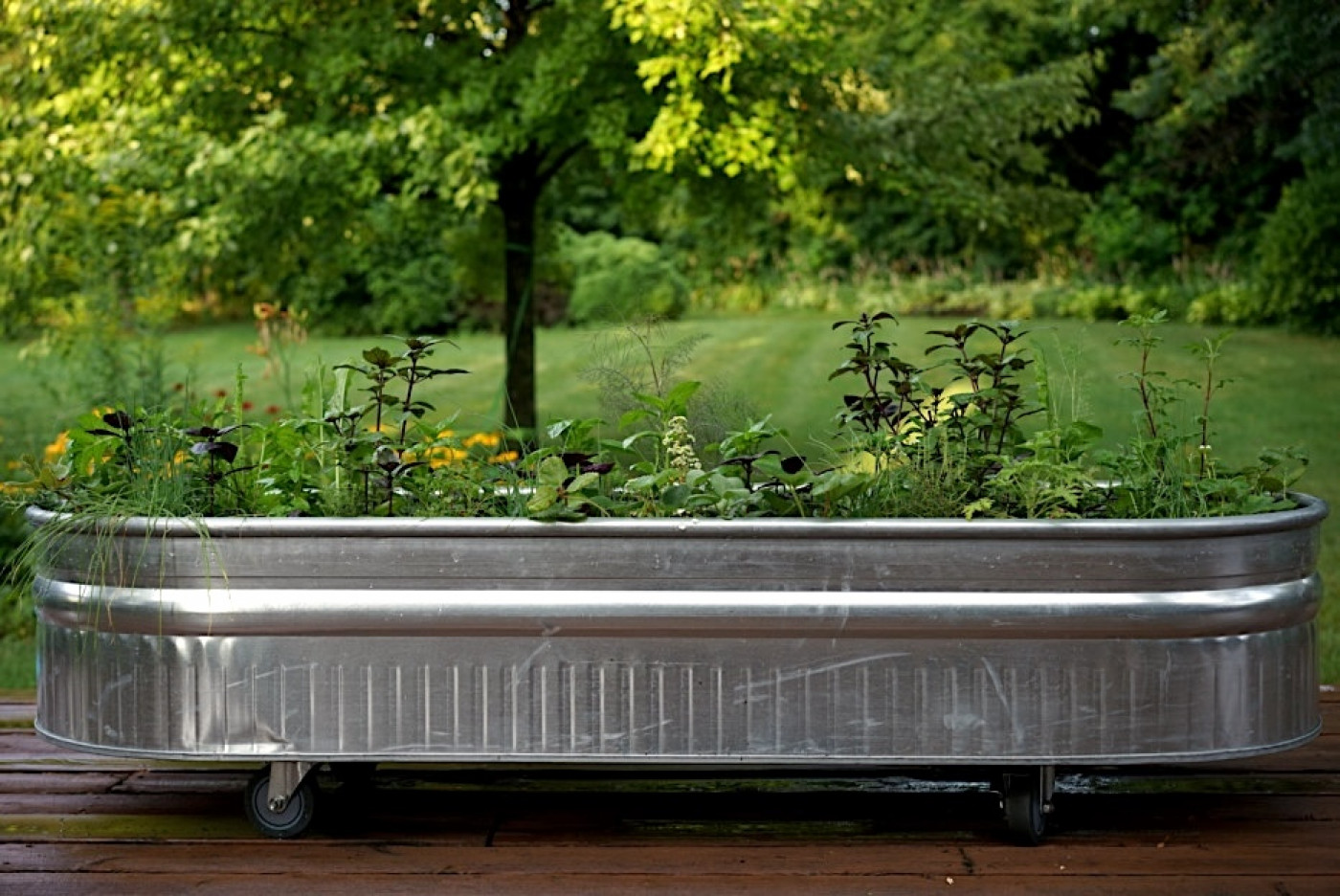
Metal raised garden beds are gaining popularity for their modern look and longevity. Galvanized steel is a favored option because it resists rust and withstands harsh weather conditions. Aluminum is lightweight and offers excellent durability, making it a practical choice if you anticipate moving your garden bed around. Just remember, metal beds can get hot in the sun, so consider placing them in partially shaded areas.Recycled And Eco-friendly Choices
For those keen on sustainability, using recycled materials can be both an eco-conscious and cost-effective choice. Recycled plastic lumber is durable and often made from post-consumer waste, providing a long-lasting solution without rotting or splintering. Another creative option is repurposing old items like pallets or wine crates into garden beds. Not only do they give character to your garden, but they also prevent these materials from ending up in a landfill. Have you ever considered what you could transform into your next garden bed? The possibilities might just surprise you.
Credit: www.yahoo.com
Preparing The Soil
Preparing the soil is crucial for a healthy raised garden. Begin by removing weeds and debris from the area. Mix in compost to enrich the soil with nutrients, ensuring plants thrive.
Preparing the soil for your raised garden is like laying the foundation for a new home. It’s crucial for the success of your plants. The right mix will ensure healthy growth and bountiful harvests. But how do you get it just right?Soil Composition
The first step is understanding what makes up good soil. Ideally, you want a mix of loamy soil, which combines sand, silt, and clay in perfect harmony. This allows for excellent drainage while retaining necessary moisture. You can create a balanced mix by combining topsoil, compost, and peat moss. This trifecta provides the structure and nutrients your plants crave. A good rule of thumb is to mix equal parts of each component.Adding Nutrients
Your plants are like hungry children; they need food to grow. Incorporate organic matter such as compost or well-rotted manure into your soil. These materials break down and release essential nutrients over time. Consider using a slow-release organic fertilizer. This ensures your plants have access to nutrients throughout the growing season. Have you ever noticed how some plants seem to thrive without extra help? Often, it’s because their soil is rich in organic material.Testing Ph Levels
Have you ever wondered why some plants just don’t seem to thrive, no matter what you do? The answer might lie in the soil’s pH level. Most garden plants prefer a pH between 6.0 and 7.0. Use a pH testing kit to determine your soil’s acidity or alkalinity. If the pH is too low (acidic), add lime to raise it. If it’s too high (alkaline), sulfur can help lower it. Testing your soil’s pH isn’t just a one-time task. Regular checks ensure that your soil remains in the optimal range for plant growth. Are you ready to dig in and prepare the perfect home for your plants?Designing Your Layout
Designing your layout is key in planting a raised garden. Arrange plants by size to optimize sunlight exposure. Group similar plants to simplify watering and care.
Designing your layout for a raised garden can be fun and creative. It helps ensure your garden thrives and looks beautiful. A well-planned design saves time and effort during planting and maintenance. Consider plant needs, space, and access when creating your layout.Spacing For Different Plants
Different plants need different amounts of space. Some plants grow wide, while others grow tall. For example, tomatoes need more room than lettuce. Ensure each plant has enough space to spread. This helps in preventing overcrowding. Proper spacing improves air circulation and reduces disease risk. Research the space needs of each plant before planting.Incorporating Pathways
Pathways make it easy to access plants for watering and harvesting. They keep soil from compacting underfoot. Use mulch, gravel, or stepping stones for paths. Paths should be wide enough for easy movement. This ensures you can tend to plants without stepping on them. Consider how you will move around your garden when planning paths.Vertical Gardening Ideas
Vertical gardening saves space in a raised garden. Use trellises, cages, or wall planters for vertical growth. Ideal for plants like peas, beans, and cucumbers. Vertical methods maximize space in small areas. They also add visual interest to your garden. Ensure support structures are sturdy and secure. This prevents damage to plants as they grow.Plant Selection
Choosing plants for raised gardens involves considering climate, soil, and space. Opt for vegetables like tomatoes or herbs like basil that thrive in confined spaces. Select plants based on sunlight availability and watering needs for a thriving garden.
Plant selection is crucial for a successful raised garden. Choosing the right plants ensures healthy growth and a bountiful harvest. Consider your climate, space, and personal preferences when selecting plants. Some plants thrive in raised beds due to better soil drainage and temperature control.Best Vegetables For Raised Beds
Certain vegetables excel in raised beds. They benefit from the improved soil conditions. Here are some top choices:- Tomatoes – They love warm, well-drained soil.
- Lettuce – Perfect for cooler seasons and easy to grow.
- Carrots – Enjoy the loose soil in raised beds.
- Radishes – Quick growers and space-efficient.
- Peppers – Thrive in the warm environment of raised beds.
Companion Planting Strategies
Companion planting enhances growth and deters pests. Pair compatible plants together for best results. Here are some strategies:- Plant basil with tomatoes. It repels pests and enhances flavor.
- Grow carrots with onions. They deter each other’s pests.
- Combine beans with corn. Beans fix nitrogen, aiding corn growth.
- Place marigolds near vegetables. They keep harmful insects away.
- Pair cucumbers with sunflowers. Sunflowers provide shade and support.
Seasonal Planting Tips
Plant according to the season for optimal growth. Adjust your choices based on temperature and sunlight. Here are some seasonal tips:- Spring – Start with cool-weather crops like peas and spinach.
- Summer – Grow heat-loving plants like tomatoes and peppers.
- Fall – Opt for hardy greens like kale and broccoli.
- Winter – Use covers to protect winter crops like garlic.
- Always consider your local frost dates for planting.
Watering Techniques
Planting raised gardens involves watering techniques that ensure healthy growth. Use drip irrigation for consistent moisture. Mulching helps retain water and maintain soil temperature.
Watering your raised garden effectively can transform your gardening experience, ensuring your plants thrive. Without proper watering techniques, your garden may struggle to produce the lush, vibrant greenery you dream of. Discover practical insights to water your garden with precision, maintaining a balance that promotes healthy growth while conserving water.Drip Irrigation Systems
Drip irrigation systems are a gardener’s best friend when it comes to watering raised gardens. These systems deliver water directly to the root zone, minimizing evaporation and ensuring your plants get exactly what they need. Imagine waking up each morning knowing your garden is nourished overnight, all without lifting a finger. Installation might require some initial effort, but the payoff is a thriving garden with less hassle.Mulching Benefits
Mulching is more than just a cosmetic touch; it’s a powerful ally in water conservation. By covering the soil with organic material like straw, leaves, or wood chips, you reduce water evaporation and keep the soil temperature stable. I remember adding mulch to my garden and noticing the soil stayed moist longer between watering sessions. Plus, mulch suppresses weeds, saving you time and effort.Water Conservation Tips
Conserving water is crucial, especially in areas prone to drought. Consider using a rain barrel to collect rainwater for your garden. It’s a simple way to save on your water bill and help the environment. Timing is also key—water your garden early in the morning or late in the afternoon to minimize evaporation. Have you ever thought about grouping plants with similar watering needs? It’s a smart strategy that ensures each plant receives optimal hydration without wasting water. These techniques not only benefit your plants but also contribute to a sustainable gardening practice. Are you ready to make your garden a thriving oasis while conserving precious resources?
Credit: www.vegogarden.com
Pest And Disease Management
Planting a raised garden helps control pests and diseases naturally. Elevating soil improves drainage and reduces weed growth. Companion planting can deter insects, while regular crop rotation prevents disease build-up.
Pests and diseases can ruin your raised garden. Managing them is crucial for healthy plants. Understanding natural methods and beneficial insects helps keep your garden thriving. Identifying common diseases early can save your plants. Let’s explore effective ways to manage pests and diseases in your raised garden.Natural Pest Control Methods
Natural methods are safe and effective. They protect your plants without chemicals. Use barriers like nets or row covers to block pests. Plant herbs such as basil and mint to deter insects. Companion planting also helps. Marigolds repel nematodes, and garlic keeps away aphids. Handpicking visible pests is simple and efficient. Spray plants with soapy water to remove bugs. Neem oil is a natural pesticide that can prevent infestations.Identifying Common Diseases
Early detection of diseases is vital. Look for spots on leaves, wilting, or mold growth. Yellowing leaves might indicate nutrient deficiency or disease. Fungal diseases like powdery mildew are common. Keep leaves dry to prevent them. Root rot occurs with poor drainage. Ensure your raised bed has proper drainage. Use clean tools to avoid spreading diseases. Rotate crops yearly to reduce disease buildup in soil.Using Beneficial Insects
Beneficial insects help control pests naturally. Ladybugs eat aphids and other small insects. Lacewings target caterpillars and mites. Release them in your garden to reduce pests. Parasitic wasps can help control caterpillars and beetle larvae. These insects maintain balance in the garden ecosystem. Attract them by planting flowers like dill and fennel. Provide a habitat with diverse plants to support them.Maintenance And Upkeep
Raised gardens need regular watering and soil checks. Ensure proper drainage to prevent root rot. Trim plants to encourage growth and reduce disease.
Maintaining a raised garden ensures it thrives through every season. Proper care leads to healthier plants and a bountiful harvest. Regular upkeep involves tasks like pruning and soil management. Let’s explore essential maintenance tips.Pruning And Harvesting
Pruning keeps plants healthy and encourages growth. Remove dead leaves and branches regularly. This helps air circulate and prevents disease. Harvest ripe fruits and vegetables promptly. This boosts plant energy for new growth. Remember, timely harvesting enhances flavor.Seasonal Care Tips
Each season brings unique challenges. In spring, focus on planting and fertilization. Summer requires regular watering due to heat. Monitor for pests as they can thrive in warm weather. During fall, clean up fallen leaves and debris. Winter calls for protecting plants from frost. Use mulch to insulate the soil.Long-term Soil Health
Healthy soil is crucial for plant vitality. Rotate crops annually to avoid nutrient depletion. Add compost regularly to enrich the soil. Test soil pH to maintain balance. Adjust with lime or sulfur if needed. Healthy soil supports robust plant growth. Keep it aerated for better root development.Incorporating Aesthetic Elements
Incorporating aesthetic elements into raised garden designs enhances visual appeal. Choose colorful plants and decorative stones for charm. Add trellises or small sculptures for an artistic touch.
Incorporating aesthetic elements into your raised garden transforms it into a visual delight. A well-designed garden pleases the eye and uplifts the spirit. You can turn a simple garden into an artistic masterpiece with the right touches. Let’s explore some ways to enhance your garden’s beauty.Decorative Edging Options
Decorative edging adds character to your garden. Choose from materials like stone, wood, or metal. Each option offers a unique texture and finish. Stone edging gives a natural and rustic look. Wooden borders bring warmth and simplicity. Metal provides a modern and sleek appearance. Edging not only defines the garden space but also keeps soil and mulch in place.Colorful Plant Choices
Colorful plants breathe life into any garden. Select plants that bloom in different seasons for year-round color. Brightly colored flowers attract butterflies and bees, adding movement. Consider mixing annuals and perennials for variety. Use foliage plants for contrast and texture. Choose plants with different heights to create layers. This adds depth and visual interest.Garden Art And Structures
Garden art and structures add personality to your space. Place sculptures or decorative stones among plants. Use trellises for climbing plants, adding height and dimension. Arbors or pergolas provide shade and structure. Wind chimes or water features add sound and movement. These elements create focal points, drawing attention and enhancing the garden’s appeal.Frequently Asked Questions
What Do You Put In The Bottom Of A Raised Bed Garden?
Place cardboard or newspaper at the bottom of a raised bed. Add organic materials like straw or leaves. Enhance drainage using small stones or gravel. Fill with quality soil mixed with compost for plant health. Ensure good aeration and water retention for optimal growth.
How To Plant A Garden In A Raised Bed?
To plant a garden in a raised bed, fill it with quality soil. Choose plants suitable for your climate. Space plants according to their needs. Water regularly and ensure proper drainage. Add mulch to retain moisture and suppress weeds. Enjoy your flourishing garden.
What Vegetables Should Not Be Grown In A Raised Bed?
Certain vegetables like corn and sprawling pumpkins need more space, making them unsuitable for raised beds. Root vegetables, like potatoes, may struggle due to depth limitations. Tall-growing crops such as okra may require additional support, which can be challenging in raised beds.
Consider plant size and space needs when planning.
What Vegetables Should Be Planted Together In A Raised Bed?
Plant tomatoes with basil and marigolds. Grow carrots with onions and lettuce. Pair beans with corn and squash. Combine cucumbers with radishes and peas. Group cabbage with beets and celery. These combinations enhance growth and repel pests in a raised bed.
Conclusion
Raised gardens offer a simple way to grow plants. They save space and look neat. Anyone can create a raised garden with basic tools. Start by choosing the right location. Sunlight is important. Pick the right soil for healthy plants.
Use compost to boost growth. Water regularly for strong roots. Watch for pests and remove weeds promptly. Raised gardens can bring joy and fresh vegetables. Whether you’re new or experienced, they are a great choice. Enjoy the process and the rewards.
Happy gardening!


