Imagine stepping into your backyard and being greeted by the vibrant colors of fresh vegetables and the delightful scent of blooming flowers. This isn’t just a dream; it can be your reality with a raised garden.
Whether you’re a seasoned gardener or just starting out, learning how to plant a raised garden can transform your outdoor space and your lifestyle. You might be wondering: why raised gardens? They offer better drainage, fewer weeds, and easier access, especially if you have a bad back.
Plus, you can start planting earlier in the season. But the real secret lies in the satisfaction of growing your own food and the joy of nurturing plants with your own hands. This guide will walk you through each step, ensuring your raised garden is not just successful, but a source of pride and happiness. Ready to dig into the details? Let’s get started on creating your own flourishing oasis.

Credit: www.yahoo.com
Benefits Of Raised Garden Beds
Raised garden beds offer better soil drainage and prevent pests from reaching plants easily. They also allow for easier access, making planting and maintenance more convenient. With these advantages, your gardening experience becomes enjoyable and productive.
Raised garden beds offer numerous benefits for gardeners of all skill levels. They create a more manageable and productive gardening experience. From improved soil conditions to easier accessibility, raised beds can transform your gardening endeavors.Improved Soil Drainage
Raised garden beds provide superior drainage compared to traditional gardens. Water moves more freely, preventing waterlogging. This encourages healthy root growth. Plants thrive when roots are not sitting in water. Better drainage also reduces the risk of root rot. With raised beds, you can control soil composition. Add compost or other materials for better drainage. This leads to healthier plants and higher yields.Enhanced Accessibility
Raised garden beds can be built at various heights. This makes them more accessible for everyone, including those with mobility issues. No more bending or kneeling for hours. Gardening becomes less strenuous. It also makes maintenance tasks easier. Harvesting, weeding, and planting become simple and enjoyable. Elevated beds are also easier to manage for children. They can help out and learn about gardening.Pest Control Advantages
Raised beds can help deter pests. Elevating the garden makes it harder for some pests to access plants. You can also install barriers or covers more easily. This keeps unwanted critters away. Raised beds create a controlled environment. You can monitor for pest activity more effectively. Use physical barriers like nets or covers. This reduces the need for chemical pesticides. An organic approach becomes more feasible. Your plants remain healthier and safer to consume.Choosing The Right Location
Choosing the right location for a raised garden is crucial. Ensure it gets ample sunlight and is close to a water source. Good drainage and accessibility also matter for healthy plant growth.
Choosing the right location for your raised garden is crucial. It affects plant growth, maintenance, and yield. A well-chosen spot can make gardening easier and more rewarding. Consider several factors to find the perfect place.Sunlight Exposure
Plants need sunlight to grow strong. Choose a location with at least six hours of sun daily. Most vegetables and flowers thrive in full sunlight. Observe the area at different times to ensure adequate exposure. Avoid spots shaded by buildings or fences. If sunlight is limited, select plants that can tolerate shade.Proximity To Water Source
Having water nearby makes gardening more convenient. Choose a location close to a hose or spigot. This saves time and effort in watering your plants. It also helps maintain consistent moisture levels, essential for healthy growth. Consider setting up a rain barrel for sustainable water use.Avoiding Tree Roots
Tree roots can compete with your plants for nutrients and water. Avoid planting near large trees with extensive root systems. Tree roots can also disrupt garden bed structure. Choose an open area, free from nearby trees, to prevent these issues. If unavoidable, use a root barrier to protect your garden beds.Selecting Materials For Construction
Building a raised garden is an exciting project that allows you to customize your growing space. Choosing the right materials for construction is crucial not only for aesthetics but also for durability and environmental impact. Each material option has its own advantages and potential drawbacks, so it’s essential to weigh them carefully. Let’s explore some popular choices to help you decide what’s best for your garden.
Wood Options
Wood is a classic choice for raised garden beds, offering a natural look that blends seamlessly with outdoor environments. Cedar and redwood are popular for their natural resistance to rot and pests, ensuring longevity. However, they can be more expensive than other types.
Pine is a more budget-friendly option, but it requires treatment to resist moisture and insect damage. Consider using untreated wood if you’re concerned about chemicals leaching into your soil.
Can you see yourself with a rustic cedar bed surrounded by vibrant blooms? Think about how the wood choice reflects the style you’re going for.
Stone And Brick Alternatives
Stone and brick offer a durable and elegant look, perfect for more permanent installations. These materials can withstand weather changes without degrading, making them a long-lasting choice.
While the initial setup might be labor-intensive, the maintenance is minimal. Plus, they add a sense of permanence to your garden. Imagine walking through a garden bordered by sturdy brick walls—what kind of plants would thrive in such a setting?
Recycled Materials
Using recycled materials is an eco-friendly way to construct your raised garden. Old wooden pallets, tires, or even large containers can be repurposed. This not only reduces waste but also adds character to your garden.
Have you ever considered the story behind recycled materials? Each piece might have a history, adding an element of surprise and uniqueness to your garden. How might this approach change your perception of gardening?
In choosing materials, you’re not just constructing a garden bed—you’re setting the stage for your plants to flourish. Which material speaks to your vision?
Building Your Raised Garden Bed
Building Your Raised Garden Bed Choose a sunny spot for your raised garden bed. Fill it with quality soil mix for better growth. Arrange plants considering their sunlight and water needs.
Building your raised garden bed is an exciting step towards creating a thriving garden space. It’s a process that allows you to tailor your gardening to your needs, whether you’re growing vegetables, flowers, or herbs. By following a few simple guidelines, you can ensure your raised bed is both functional and aesthetically pleasing.Determining Dimensions
Decide how large you want your raised bed to be. Consider the space available in your yard or patio. A typical size is 4×8 feet, which allows you to reach the center from either side without straining. If your space is limited, smaller beds can work well too. Think about the plants you want to grow and adjust the dimensions accordingly.Assembling The Structure
Gather your materials, such as wood planks or bricks. Choose durable materials that can withstand weather changes. Lay out your materials and start assembling the structure by attaching the sides. A drill and screws can make this process easier and more secure. Remember to double-check that everything is level before moving on.Securing The Frame
Ensure your frame is stable and secure to prevent any collapse. Use corner brackets or additional support beams for added strength. This will be especially important if your area experiences strong winds or heavy rains. Fill any gaps with soil to keep the structure snug. You might want to ask yourself: have you considered extra reinforcement for longevity?Preparing The Soil Mix
Creating the ideal soil mix is crucial for planting a raised garden. Combine compost, peat moss, and vermiculite for nutrient-rich, well-draining soil. Ensure the mixture is loose to support healthy root growth and water retention.
Preparing the soil mix for your raised garden bed is a crucial step that can make or break your gardening success. The right soil mix provides nutrients, maintains moisture, and supports plant growth. It can be the difference between a lush, productive garden and one that struggles. Let’s dive into how you can create the perfect soil mix for your raised garden bed.Choosing Soil Components
Begin by selecting the right components for your soil mix. A good mix typically includes topsoil, compost, and a material like perlite or vermiculite for aeration. Topsoil forms the base of your soil mix, providing structure and minerals. Compost enriches the soil with organic matter, improving fertility and water retention. Perlite or vermiculite helps keep the soil light and airy, ensuring roots can breathe.Adding Organic Matter
Organic matter is a gardener’s best friend. It improves soil texture, provides nutrients, and promotes beneficial microbial activity. Consider adding well-rotted manure or leaf mold to your mix. These materials break down over time, feeding your plants and improving soil quality. Plus, they enhance the soil’s ability to hold water, reducing the need for frequent watering.Ensuring Proper Ph Levels
Maintaining the right pH level in your soil is vital for plant health. Most vegetables thrive in slightly acidic to neutral pH levels, between 6.0 and 7.0. Test your soil pH using a home testing kit. If the pH is too low, add lime to raise it. If it’s too high, sulfur can help lower it. Regular testing ensures that your plants are growing in optimal conditions, leading to a more productive garden. — Have you ever wondered why some gardens flourish while others falter? Often, the secret lies beneath the surface—in the soil mix. Preparing a balanced mix can seem daunting, but by focusing on the right components, adding organic matter, and maintaining proper pH, you set the stage for a thriving garden. So, what will you plant first in your perfectly prepared raised garden bed?
Credit: www.yahoo.com
Planting Techniques For Raised Beds
Raised garden beds offer excellent drainage and soil quality. Begin by selecting the right location with adequate sunlight. Prepare the soil mix using compost and organic matter for nutrient-rich planting. Organize crops by height and growth habits for efficient space utilization.
Regularly water and maintain for healthy, thriving plants.
Planting techniques in raised garden beds offer unique advantages. These include better soil control and easier access. With the right methods, your garden can thrive. Let’s explore some effective techniques.Companion Planting
Companion planting helps plants grow better together. Some plants support each other’s growth. For example, tomatoes grow well with basil. Basil can repel pests. Marigolds deter harmful insects. They protect vegetables like lettuce and beans. Research which plants work well together. This can boost your garden’s health and yield.Optimizing Plant Spacing
Proper spacing ensures plants receive enough light and air. Crowded plants may compete for resources. This can stunt growth. Check seed packets for spacing guidelines. Taller plants go in the center. Shorter ones around the edges. This arrangement maximizes sun exposure. It also allows easy access for maintenance.Seasonal Plant Choices
Select plants based on the season. Cool-season crops like lettuce and spinach thrive in spring. Warm-season plants like tomatoes and peppers do well in summer. Rotate crops each year. This prevents soil depletion. It also reduces pest and disease buildup. Planning for each season ensures a continuous harvest.Watering And Maintenance
Raised garden beds require consistent watering to thrive. Ensure soil remains moist, but not waterlogged. Regularly remove weeds and inspect for pests to maintain healthy plants.
Watering and maintenance are key to a thriving raised garden. Proper care ensures your plants grow healthy and strong. It reduces the risk of diseases and pest infestations. Keeping your garden in top shape requires a consistent watering schedule. Mulching and weed control are also essential for garden upkeep. Let’s explore these aspects to help your garden flourish.Watering Schedule
A regular watering schedule is crucial for plant growth. Raised gardens can dry out faster due to elevated soil. Water your plants early in the morning or late afternoon. This prevents evaporation. Check soil moisture regularly by touching the soil. Water deeply but less frequently to encourage root growth. Avoid overwatering, which can lead to root rot.Mulching Benefits
Mulching offers many benefits to raised gardens. It helps retain soil moisture, reducing water needs. Mulch also insulates roots from extreme temperatures. Organic mulch, like straw or wood chips, enriches soil as it breaks down. Mulching suppresses weed growth. It keeps your garden clean and tidy. Apply a layer of mulch around plants, leaving space near stems.Weed Control Strategies
Weeds compete with your plants for nutrients. Effective weed control is vital for garden health. Regularly inspect your garden for unwanted plants. Hand-pull weeds before they mature and spread seeds. Use a hoe for larger areas to remove weeds efficiently. Cover soil with landscape fabric to block sunlight from reaching weed seeds. Maintain clean borders to prevent weed infiltration.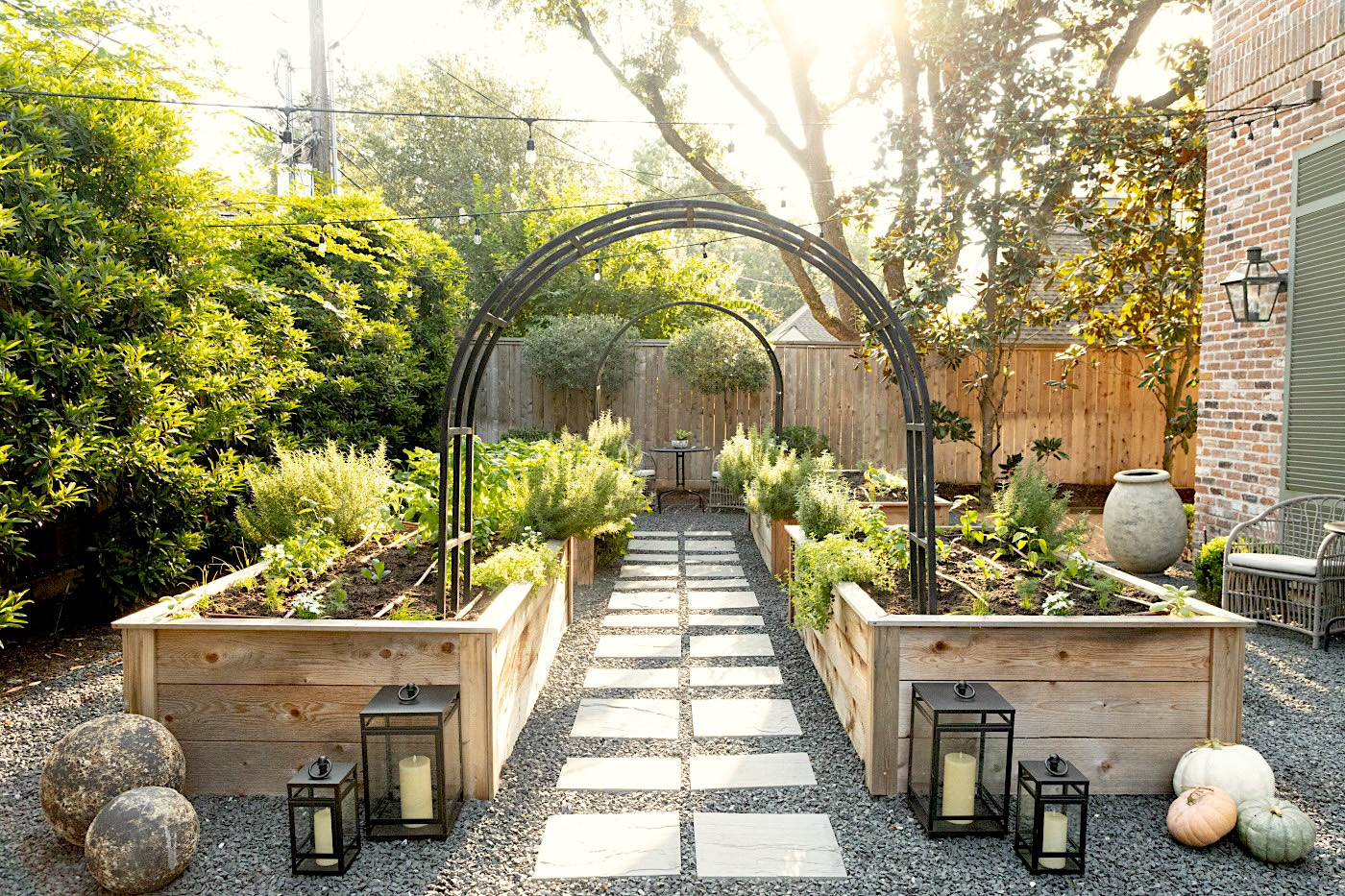
Credit: www.gardenary.com
Common Challenges And Solutions
Building raised gardens presents challenges like soil drainage, pest control, and material choices. Solutions include using quality soil, installing barriers, and selecting durable materials.
Planting a raised garden can be both rewarding and challenging. While the benefits of a bountiful harvest and fresh produce are enticing, raised gardens come with their own set of hurdles. Understanding these common challenges and solutions can make your gardening journey smoother and more enjoyable.Dealing With Pests
Pests can be a significant nuisance in any garden. Raised beds, while offering some protection, aren’t immune to these pesky invaders. To tackle this, consider using physical barriers like netting or row covers. Companion planting is another effective strategy; plants like marigolds can deter many unwanted insects. Regularly inspect your plants and handpick any visible pests. By staying vigilant, you can maintain a healthy garden with minimal damage.Preventing Soil Erosion
Soil erosion can wash away nutrients vital for plant growth. This is particularly problematic in raised gardens during heavy rains. Incorporate organic matter such as compost to improve soil structure. Mulching is another excellent way to protect the soil surface and retain moisture. Additionally, planting cover crops during the off-season can help stabilize the soil. Have you considered creating a slight slope to direct water flow and reduce erosion?Managing Overgrowth
An overgrown garden can quickly become unmanageable and reduce yields. Regular pruning is essential to keep plants healthy and productive. Make sure you space your plants appropriately at the time of planting. Overcrowded plants compete for nutrients and sunlight, leading to poor growth. Installing trellises for climbing plants can also help maximize space and keep your garden organized. How often do you evaluate your garden layout to ensure optimal plant growth? By addressing these challenges head-on, you can enjoy a thriving raised garden. Each solution not only mitigates issues but enhances your gardening skills, turning challenges into opportunities for growth.Frequently Asked Questions
What Do You Put In The Bottom Of A Raised Bed Garden?
Line the bottom with cardboard or newspaper to suppress weeds. Add a layer of organic material like straw or leaves. Fill with quality soil mix for nutrients. Ensure proper drainage with small rocks or gravel. This setup promotes healthy plant growth and maintains moisture balance.
How To Plant A Garden In A Raised Bed?
Choose a sunny spot for your raised bed garden. Fill it with quality soil and compost. Select plants suited to your climate. Space plants appropriately for growth. Water consistently and add mulch to retain moisture. Regularly check for pests and weeds to ensure healthy growth.
What Vegetables Should Not Be Grown In A Raised Bed?
Large vegetables like corn and sprawling plants such as pumpkins are unsuitable for raised beds. They require extensive space to grow properly. Avoid plants with deep roots like potatoes, which may struggle in the limited depth of raised beds. Opt for compact or shallow-rooted vegetables instead.
What Vegetables Should Be Planted Together In A Raised Bed?
Plant tomatoes with basil and marigolds. Pair carrots with onions and lettuce. Grow beans with cucumbers and radishes. Companion planting promotes growth and deters pests. Mix tall and short plants for better sunlight access. Ensure compatible water and soil needs for thriving vegetable beds.
Conclusion
Raised garden beds offer a simple way to grow vegetables and flowers. They help with drainage and reduce weeds. Creating a raised garden can be fun and rewarding. First, choose the right spot with enough sunlight. Next, build a sturdy frame using wood or stone.
Fill it with quality soil and compost. Plant your seeds or seedlings carefully. Water them regularly. Watch them thrive. Enjoy fresh produce right from your garden. Raised beds can enhance your gardening experience. Try this method and see your plants flourish.
It’s easy, enjoyable, and beneficial for all gardeners.