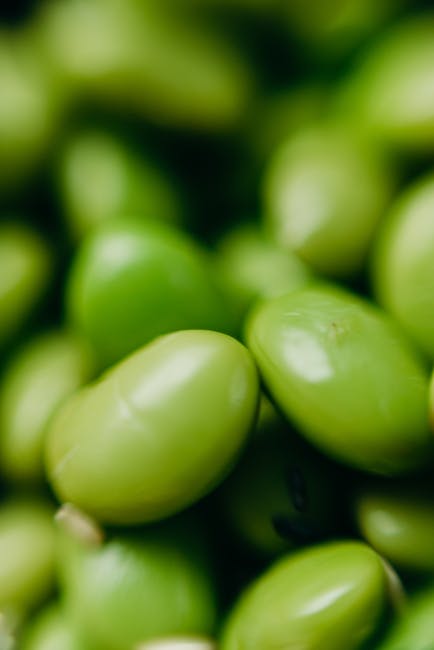
Imagine stepping into your garden, feeling the sun on your face, and seeing a lush bed of green beans thriving under your care. Sounds rewarding, doesn’t it?
Growing green beans is one of the simplest and most fulfilling gardening endeavors you can undertake. Whether you’re a seasoned gardener or a newbie eager to try your hand at growing your own produce, planting green beans offers the perfect opportunity to connect with nature and enjoy fresh, homegrown food.
You’ll find that with a bit of guidance, you can have vibrant green beans gracing your garden and dinner table in no time. Dive into this guide, and discover how planting green beans can become your next gardening success story.
Choosing The Right Green Bean Variety
Selecting the right green bean variety is crucial for a successful garden. Consider factors like climate, soil type, and disease resistance. Opt for varieties that match your growing conditions and taste preferences for a fruitful harvest.
Choosing the right green bean variety is crucial for a successful garden. There are many types to choose from, each with unique characteristics. Some varieties are better suited for certain climates or soil types. Others may offer different flavors or textures. Selecting the perfect type can enhance your gardening experience. Below are key factors to consider when picking a green bean variety.Understanding Green Bean Types
Green beans come in two main types: bush and pole. Bush beans grow close to the ground and don’t need support. Pole beans require a trellis or stakes to climb. Bush beans mature faster and are ideal for small spaces. Pole beans take longer but produce more beans over time.Consider Climate And Soil
Choose a variety that suits your local climate and soil. Some beans thrive in warm weather, while others prefer cooler conditions. Check your soil type and pick beans that adapt well. This helps ensure healthy growth and a good harvest.Focus On Flavor And Texture
Different green beans offer distinct tastes and textures. Some are sweet and tender, while others are firm and crispy. Taste preferences vary, so consider what you enjoy most. Experiment with different types to find your favorite.Check Maturity Time
Bean varieties have different maturity times. Fast-growing beans are great for quick harvests. Long-maturing ones may offer more beans in the long run. Decide based on your gardening goals and available time.Look For Disease Resistance
Choose varieties resistant to common bean diseases. This prevents issues and ensures a healthy crop. Research different types and pick those with strong resistance traits.Think About Space Requirements
Bush beans need less space and are perfect for small gardens. Pole beans require vertical support and more room. Assess your garden size before choosing a type. This helps maximize your growing area efficiently.Preparing The Garden Soil
Preparing the garden soil ensures healthy green bean plants. Loosen soil to about 12 inches deep. Mix in organic compost for nutrient-rich soil.
Preparing the soil is a crucial step in ensuring your green beans thrive in the garden. A well-prepared soil provides the right nutrients and structure, promoting healthy growth and bountiful harvests. Let’s dive into how you can set up your garden soil for success.Testing Soil Ph
Understanding your soil’s pH is vital because it affects nutrient availability to your plants. Green beans prefer a slightly acidic to neutral pH, ranging from 6.0 to 7.0. To test your soil pH, you can use a simple home testing kit available at garden centers. If your results show that the pH is outside the preferred range, don’t worry. You can adjust it by adding lime to raise the pH or sulfur to lower it.Enriching With Compost
Compost is a gardener’s best friend when it comes to enriching soil. It improves soil structure, increases nutrient content, and enhances water retention. Spread a layer of compost about 2-3 inches thick over your planting area. Mix it into the top 6 inches of soil using a garden fork or tiller. Not only does compost boost your soil’s fertility, but it also encourages beneficial microorganisms that support plant health. Have you ever noticed how much more vibrant your plants look after adding compost? That’s the magic of organic matter at work. By taking these steps to prepare your garden soil, you’re setting the stage for a successful green bean growing season. Are you ready to see the results of your hard work?Selecting The Planting Location
Planting green beans in your garden is an exciting venture, but choosing the right location is crucial for a successful harvest. The planting spot can greatly influence your beans’ growth and yield. Consider the sunlight and space available in your garden to ensure your green beans thrive.
Sunlight Requirements
Green beans love sunlight! Aim for a location that receives at least six to eight hours of direct sunlight daily. Think about the sun’s path in your garden. Is there a spot where the sunlight is consistent throughout the day? This is ideal for your beans.
Have you noticed any areas shaded by trees or buildings? These spots may not be suitable for green beans, which need full sun exposure to flourish. Remember, sunlight is the fuel your green beans need to grow robust and produce a bountiful harvest.
Space Considerations
Space is another critical factor when selecting a planting location. Green beans need room to spread out and grow. Consider the variety of beans you’re planting—bush beans require less space, while pole beans need support structures and more vertical space.
Do you have limited garden space? Think vertically! Utilizing trellises can help pole beans climb and make the most of small areas. This approach not only saves space but also adds an aesthetic touch to your garden.
Evaluate the distance between plants to ensure they aren’t overcrowded. Adequate spacing improves air circulation, reducing disease risk. How will you maximize the available space in your garden for your green beans?

Credit: growinginthegarden.com
Planting Green Bean Seeds
Select a sunny spot in your garden. Prepare the soil by tilling and removing weeds. Plant green bean seeds one inch deep and three inches apart. Water regularly to keep the soil moist. Watch them sprout within a week. Enjoy fresh green beans from your garden.
Planting green bean seeds is a rewarding gardening task. These beans are easy to grow and provide a bountiful harvest. By following a few simple steps, you’ll enjoy fresh green beans in no time.Optimal Planting Time
Plant green beans in spring after the last frost. The soil temperature should be at least 60°F. Warm soil helps seeds germinate quickly. Avoid planting too early. Cold soil delays growth and reduces yield.Proper Seed Spacing
Space seeds about 2 inches apart in rows. Leave 18 inches between rows for bush beans. For pole beans, space rows 3 feet apart. Proper spacing ensures good air circulation. This helps prevent diseases and promotes healthy growth.Watering And Maintenance
Proper watering keeps green beans healthy and productive. Water deeply once a week, ensuring consistent soil moisture. Regularly check for pests and weeds to maintain a thriving garden.
Watering and maintaining your green bean plants is essential for a bountiful harvest. Proper hydration helps the plants grow strong and healthy. Regular maintenance keeps the garden neat and productive. Let’s explore some efficient techniques and practices for optimal plant care.Irrigation Techniques
Green beans need consistent moisture for growth. Drip irrigation is an effective method. It delivers water directly to the roots. This minimizes water wastage. You can also use a soaker hose. Lay it along the rows of plants. It ensures even water distribution. Water early in the morning. This reduces evaporation loss. Ensure the soil is moist but not waterlogged.Weeding Practices
Weeds compete for nutrients and water. Keep the garden weed-free for healthy beans. Hand-pulling is a simple way to remove weeds. Do this regularly to prevent them from spreading. Mulching is another effective method. Use straw or wood chips around your plants. It suppresses weed growth and retains soil moisture. Be vigilant and check for new weeds weekly. A clean garden bed supports robust plant growth.
Credit: savvygardening.com
Supporting Climbing Varieties
Supporting climbing varieties of green beans is crucial for healthy growth. These beans need a structure to climb, which helps them stay off the ground. This support prevents diseases and allows easy access for harvesting.
Using Trellises
Trellises are popular for supporting climbing beans. They provide a sturdy frame for vines to latch onto. You can make trellises from wood or metal. Ensure the trellis is firmly anchored in the ground. This prevents it from tipping over as the beans grow. Place the trellis before planting. This allows the plants to find support early. Tie the bean vines gently to the trellis as they grow. This encourages upward growth.
Staking Methods
Staking is another effective method for supporting green beans. Use bamboo stakes or garden stakes for this purpose. Insert stakes into the soil near each plant. This gives the beans a solid structure to climb. You can tie the vines to the stakes using garden twine. Make sure the ties are loose. This prevents damage to the plant. Regularly check the ties and adjust them as needed. Staking is ideal for smaller gardens with limited space.
Pest And Disease Management
Green beans thrive in well-drained soil with full sun. Early pest and disease management ensures healthy growth. Regular inspection helps identify issues like aphids or fungal infections. Use organic sprays or companion planting for protection. Rotate crops to prevent soil-borne diseases.
Planting green beans in your garden is rewarding. Yet, pests and diseases can threaten your crop. Effective management ensures healthy plants and a good yield. Understanding common pests and preventing diseases is key.Common Pests
Aphids often attack green bean plants. They cluster on leaves and stems. These small insects suck plant juices. This can weaken your plants. Spider mites are another concern. They are tiny and hard to see. They cause yellow spots on leaves. Beetles can also harm your crop. They chew holes in leaves. This affects plant growth.Preventing Diseases
Proper watering helps prevent diseases. Wet leaves can lead to fungal issues. Water at the base of plants. Ensure good air circulation. This reduces moisture around plants. Use disease-resistant seed varieties. They are less prone to common bean diseases. Rotate your crops each year. This helps break disease cycles in the soil. Keep your garden clean. Remove dead plants and debris. This limits places for diseases to thrive.
Credit: www.youtube.com
Harvesting Green Beans
Plant green beans in a sunny spot with well-drained soil. Space seeds about 2 inches apart. Water regularly to keep the soil moist.
Harvesting green beans is a rewarding part of gardening. Timely picking ensures the best taste and tenderness. Knowing when and how to harvest is key. Let’s explore the signs and techniques for a fruitful harvest.Signs Of Readiness
Green beans are ready to pick when they are bright green. They should be firm and crisp. The pods should be about four to six inches long. Avoid waiting too long as they can become tough. Check daily as they grow fast.Picking Techniques
Use one hand to hold the vine. With the other hand, gently pull the bean. This prevents damage to the plant. Use scissors or garden shears for a clean cut. Harvest in the morning for the freshest beans. Frequent picking encourages more growth.Storing And Preserving Harvest
Storing green beans properly ensures their freshness after harvest. Start by picking beans when pods are firm and crisp. Wash and dry thoroughly before placing them in airtight containers. Store in a cool place to preserve flavor and texture.
Storing and preserving your green bean harvest ensures you enjoy them year-round. Fresh beans offer great taste and nutrition. Proper storage maintains these qualities. Two popular methods are freezing and canning. Both methods keep beans fresh and tasty for months. Let’s explore these techniques.Freezing Methods
Freezing is a simple way to preserve green beans. First, wash and trim the beans. Remove any dirt or damaged parts. Blanch the beans in boiling water for 3 minutes. This stops enzyme actions and keeps color. After blanching, quickly cool them in ice water. This step is crucial to stop cooking. Drain the beans well and pat them dry. Place them in airtight freezer bags or containers. Remove as much air as possible. Label the bags with the date. Store them flat in the freezer. Frozen beans keep for up to a year.Canning Techniques
Canning is another method to store green beans long-term. Begin by washing and trimming the beans. Pack them tightly in clean jars. Leave some space at the top. Add boiling water to cover the beans. Ensure no air bubbles remain. Use a pressure canner for safety. Process the jars according to your canner’s instructions. This method kills bacteria and preserves the beans. Once cooled, check the seals. Store the sealed jars in a cool, dark place. Canned beans last for up to a year.Frequently Asked Questions
What Is The Best Way To Plant Green Beans?
Plant green beans in well-drained soil with full sun exposure. Space seeds 2-4 inches apart in rows. Water consistently, especially during flowering and pod development. Use mulch to retain moisture and control weeds. Rotate crops yearly to prevent pests and diseases.
What To Avoid Planting Near Green Beans?
Avoid planting green beans near members of the onion family, including garlic and leeks. They hinder bean growth. Also, avoid proximity to fennel and kohlrabi, which can negatively impact green bean development. Maintain proper spacing to ensure healthy growth and optimal yield.
How Far Apart Do You Plant Green Beans In A Garden?
Space green bean plants 3 to 6 inches apart in rows. Rows should be 18 to 24 inches apart. Ensure soil is well-drained and rich in nutrients. Proper spacing helps maximize growth and yield. Plant beans after the last frost for best results.
How Many Green Bean Seeds Do You Plant Together?
Plant 2 to 3 green bean seeds together in one spot. Space each group about 4 to 6 inches apart. This ensures optimal growth and healthy plants. Proper spacing allows air circulation and reduces disease risk. Ensure soil is well-drained and receives full sunlight for best results.
Conclusion
Planting green beans is a rewarding garden activity. With patience, they grow fast. Start with healthy seeds and rich soil. Water regularly, but don’t overdo it. Green beans love sunlight, so pick a sunny spot. Watch out for pests and weeds.
Keep your garden tidy. Harvest when beans are firm. Enjoy fresh produce from your garden. Share with friends or family. Growing green beans can be fun and simple. Perfect for beginners. Try it yourself and taste the difference. Fresh and homegrown always feels better.
Happy gardening!


