Imagine having fresh basil, mint, or rosemary at your fingertips, right in your kitchen. Planting an indoor herb garden can transform your cooking, enhance your home’s fragrance, and add a touch of nature to your living space.
You don’t need a green thumb or a big garden; just a little guidance and some enthusiasm. Curious about how to start your own indoor herb garden? Discover the simple steps you can take to bring this green oasis into your home, and enjoy the satisfaction of growing and harvesting your own fresh herbs.
Let’s dive into the world of indoor gardening and unlock the secrets to a thriving herb garden that not only spices up your meals but also elevates your everyday living.
Choosing The Right Herbs
Choosing the right herbs for your indoor herb garden can make all the difference in your culinary adventures and home aesthetics. The ideal selection depends on your cooking preferences, the space you have, and the time you can devote to caring for your plants. Let’s dive into some popular options and considerations to help you cultivate a thriving herb garden indoors.
Popular Herb Options
Some herbs are classics for a reason—they’re versatile, easy to grow, and add a burst of flavor to dishes. Basil, a favorite for its aromatic leaves, works well in a sunny spot. Mint, with its refreshing scent, is perfect for teas and desserts. Rosemary, known for its woody fragrance, pairs beautifully with meats. These herbs are just the beginning of what you can explore. Imagine the fresh scent filling your kitchen as you harvest these flavorful plants!
Herbs For Beginners
If you’re new to gardening, start with herbs that require minimal maintenance. Chives thrive in bright spaces and require little attention. Parsley is resilient and grows well in various light conditions. Oregano, often used in Italian cuisine, is hardy and forgiving. These beginner-friendly herbs provide immediate gratification and boost your confidence as you see them flourish.
Seasonal Considerations
Consider the season when selecting herbs for indoor planting. Some herbs, like cilantro, prefer cooler temperatures and may struggle in summer heat. Others, such as basil, thrive during warmer months. Adjust your choices based on the seasonal conditions of your indoor environment. Can you create a rotation of herbs to ensure year-round freshness? This approach keeps your garden dynamic and continuously productive.

Credit: goebbertspumpkinfarm.com
Gathering Essential Supplies
Gather essential supplies like pots, soil, and seeds to start your indoor herb garden. Choose pots with drainage holes for healthy roots. Quality soil ensures herbs grow strong and flavorful.
Gathering essential supplies for your indoor herb garden is key. Proper tools and materials ensure your herbs thrive. Start by selecting the right containers, soil, and lighting. These elements create a healthy environment for growth.Containers And Pots
Choose pots that fit your space. Small pots are perfect for windowsills. Ensure pots have drainage holes. This prevents water from accumulating at the bottom. Use saucers under pots to catch excess water. Clay, ceramic, or plastic pots work well. Each type offers different benefits. Clay pots allow air to reach roots. Plastic pots retain moisture longer.Soil And Fertilizer
Select quality potting soil. It should be light and well-draining. Regular garden soil may compact in pots. Add organic matter for nutrients. Compost or peat moss are good choices. Fertilize your herbs monthly. Choose a balanced, water-soluble fertilizer. Follow package instructions carefully. Over-fertilizing can harm your plants.Lighting Solutions
Herbs need plenty of light. Place them near a sunny window. South or west-facing windows are ideal. If natural light is limited, use grow lights. LED grow lights are energy-efficient. Position lights 6-12 inches above plants. Provide 12-16 hours of light daily. Adjust light as plants grow taller.Planting Techniques
Creating an indoor herb garden involves selecting the right containers and soil. Ensure proper drainage to prevent waterlogging. Arrange herbs like basil, mint, or rosemary in a sunny spot for optimal growth. Regular watering and occasional trimming keep the herbs healthy and flourishing.
Planting Techniques Creating an indoor herb garden is a fulfilling endeavor. Proper planting techniques are crucial for thriving herbs. Discover key methods to ensure your herbs flourish indoors.Seed Vs. Seedling
Choose between seeds or seedlings for your herbs. Seeds are cost-effective and offer a wider variety. They’re ideal for those who enjoy watching plants grow from scratch. Seedlings provide a head start with already sprouted plants. They require less patience and are great for beginners seeking quick results.Spacing And Depth
Correct spacing and depth are vital for healthy growth. Herbs need room to spread their roots and access nutrients. Plant seeds about half an inch deep, ensuring they have enough space apart. Seedlings require slightly more room, allowing their roots to establish well. Crowded plants compete for resources, hindering growth.Watering Basics
Watering your herbs properly is essential. Herbs generally prefer well-drained soil. Water them when the top inch feels dry. Avoid overwatering to prevent root rot. Use a spray bottle or watering can with a fine spout for even distribution. Consistent moisture helps herbs thrive without drowning them.
Credit: goebbertspumpkinfarm.com
Caring For Your Herb Garden
Grow an indoor herb garden by choosing pots with good drainage and placing them in sunny spots. Use quality soil and water regularly for healthy growth. Enjoy fresh herbs year-round for cooking and natural remedies.
Caring for your indoor herb garden is essential for healthy growth. Herbs need attention to flourish indoors. Pay attention to their specific needs to keep them thriving. Let’s explore key aspects of maintaining your herb garden.Watering Schedule
Watering is crucial for herb health. Check soil moisture regularly. Insert a finger into the soil. If it feels dry, it’s time to water. Overwatering can harm your plants. Ensure pots have drainage holes. Water until you see drainage from the bottom. Most herbs prefer slightly moist soil. Adjust based on your home’s humidity.Pruning And Harvesting
Regular pruning keeps herbs bushy. Trim leaves and stems often. Use clean scissors for a clean cut. Harvesting encourages new growth. Snip leaves from the top. This promotes fuller plants. Avoid cutting more than one-third of the plant at once. Fresh herbs taste best when harvested early.Pest And Disease Management
Indoor herbs can attract pests. Check leaves for signs of bugs. Aphids and spider mites are common. Use insecticidal soap for treatment. Ensure good air circulation to prevent mold. Remove any diseased leaves quickly. Keep an eye on plant health. Healthy plants resist pests better. Rotate pots occasionally for even light exposure.Maximizing Growth
Creating an indoor herb garden is a great way to enjoy fresh flavors year-round. Select a sunny spot and use well-draining soil. Regular watering and occasional trimming will encourage growth and keep your herbs healthy.
Maximizing growth in an indoor herb garden requires strategic planning. Simple techniques can help your herbs flourish. Let’s explore some effective methods.Companion Planting
Companion planting enhances herb growth. Pair herbs that benefit each other. Basil and tomatoes are good companions. Mint grows well with parsley. This method improves soil health and pest control. It also boosts growth naturally. Choose pairings wisely for best results.Rotation Tips
Rotate your herbs regularly. This prevents soil depletion and disease build-up. Change the location of each herb every few months. Rotation keeps the soil rich in nutrients. It also reduces pest infestations. Fresh soil gives herbs a new lease on life.Nutrient Boosting
Nutrients are essential for herb growth. Use organic fertilizers for best results. Compost tea is a great option. It provides necessary nutrients without chemicals. Regular feeding keeps herbs healthy and strong. Ensure the soil has good drainage. This prevents root rot and encourages robust growth.Creative Display Ideas
Creating an indoor herb garden is both fun and rewarding. Choosing creative display ideas can enhance your home’s decor. Unique arrangements add charm and maximize space. Let’s explore some exciting ways to display your herbs.
Vertical Gardens
Vertical gardens save space and create stunning visuals. Use wall-mounted planters for an eye-catching display. Arrange herbs in rows for a neat look. Mix different herbs for a vibrant display. Choose planters that match your interior style. Ensure easy access for watering and care.
Window Sill Arrangements
Window sills offer natural light, perfect for herbs. Use small pots to fit the narrow space. Line them up for a uniform look. Mix pot sizes for variety. Choose herbs that thrive in sunlight. Rotate pots occasionally for even growth. Window sill gardens add greenery to any room.
Hanging Planters
Hanging planters are stylish and practical. They free up counter space. Use them in kitchens for easy access. Select lightweight pots to hang safely. Ensure they are secure to avoid spills. Mix herbs with trailing plants for a lush look. Adjust the height for easy care and harvesting.
Troubleshooting Common Issues
Choosing the right herbs and pots can prevent common planting issues. Ensure proper sunlight and watering to maintain healthy growth. Regularly check for pests and adjust soil conditions as needed.
Creating an indoor herb garden is rewarding, but challenges might arise. These common issues can impact the health of your plants. Addressing them promptly ensures your herbs thrive and remain vibrant.Yellowing Leaves
Yellow leaves often indicate a problem with watering. Too much or too little water can cause leaves to turn yellow. Check the soil’s moisture level. Ensure pots have drainage holes to prevent waterlogging. Yellowing may also signal nutrient deficiencies. Consider using a balanced liquid fertilizer to boost plant health.Slow Growth
Herbs need sufficient light to grow well. Slow growth is often due to inadequate sunlight. Place your plants near a bright window or use grow lights. Temperature also affects growth. Ensure your herbs are not exposed to extreme cold or heat. Regularly rotating the pots helps distribute light evenly.Mold And Mildew
Humidity can lead to mold and mildew on herbs. Ensure good air circulation around your plants. Avoid misting leaves directly, as this increases moisture. Trim affected leaves to prevent spread. Consider using a fungicide if the problem persists. Proper spacing between plants reduces humidity buildup.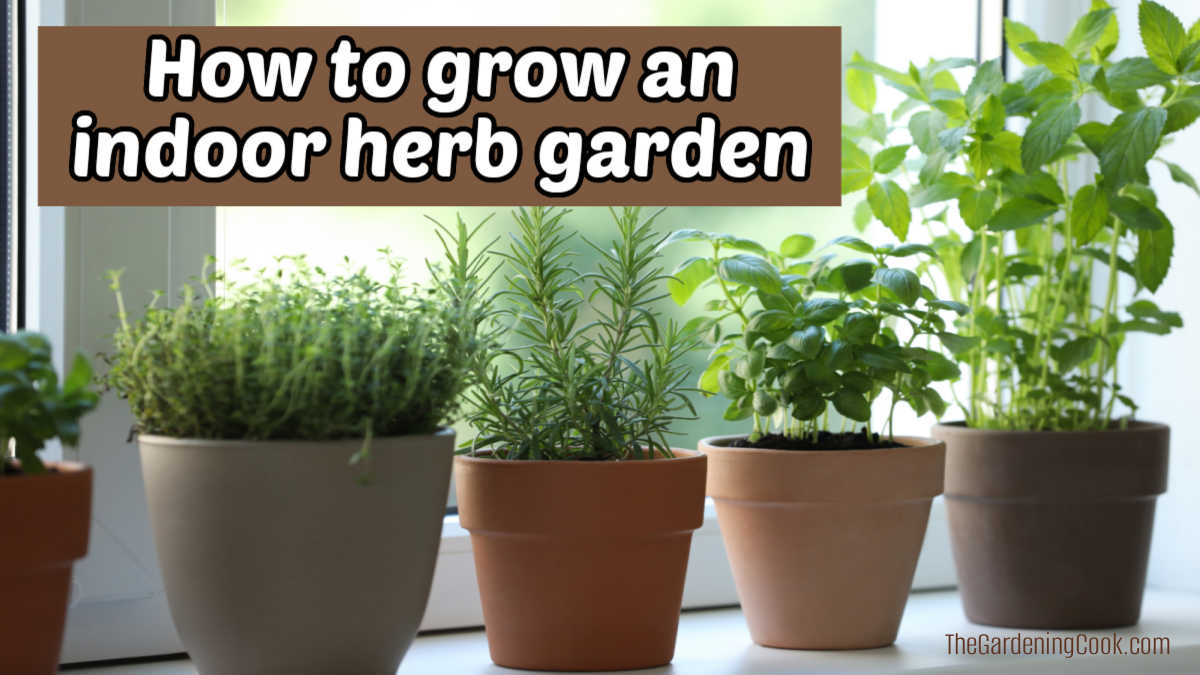
Credit: thegardeningcook.com
Frequently Asked Questions
How Do I Start An Indoor Herb Garden?
Choose a sunny spot and use well-draining pots. Plant herbs like basil, mint, or rosemary. Water regularly and ensure good airflow. Use quality potting soil and consider a grow light if needed. Harvest as needed to promote growth.
Which Herbs To Plant Together Indoors?
Basil, parsley, and chives grow well together indoors. Mint, thyme, and oregano also make excellent companions. Ensure each herb receives adequate sunlight and water. These combinations thrive in small indoor herb gardens, enhancing culinary dishes and providing fresh flavors throughout the year.
Choose pots with good drainage to ensure healthy growth.
Which Herbs Should Not Be Planted Together?
Mint and parsley should not be planted together as mint can overwhelm other herbs. Fennel inhibits the growth of nearby plants, including cilantro. Avoid planting basil with sage since they have conflicting growth requirements. Keep dill away from lavender, as dill prefers moist soil, unlike lavender’s dry preference.
Can I Grow Herbs Indoors All Year Round?
Yes, you can grow herbs indoors all year round. Choose suitable herbs like basil, mint, and parsley. Ensure adequate light, water, and temperature. Use grow lights if necessary. Regularly check for pests and maintain proper humidity. Enjoy fresh herbs for cooking anytime.
Conclusion
Creating an indoor herb garden is a rewarding journey. It brings fresh flavors to your kitchen. You can enjoy the scent of nature indoors. Start with easy herbs like basil and mint. They are simple to grow and maintain. Place your garden near sunlight.
Water them regularly, but not too much. Watch them thrive with care. Soon, you’ll have herbs at your fingertips. Use them in your cooking for added taste. Your indoor herb garden can be a source of joy. Plus, it adds a touch of green to your home.
Enjoy the process and the results!