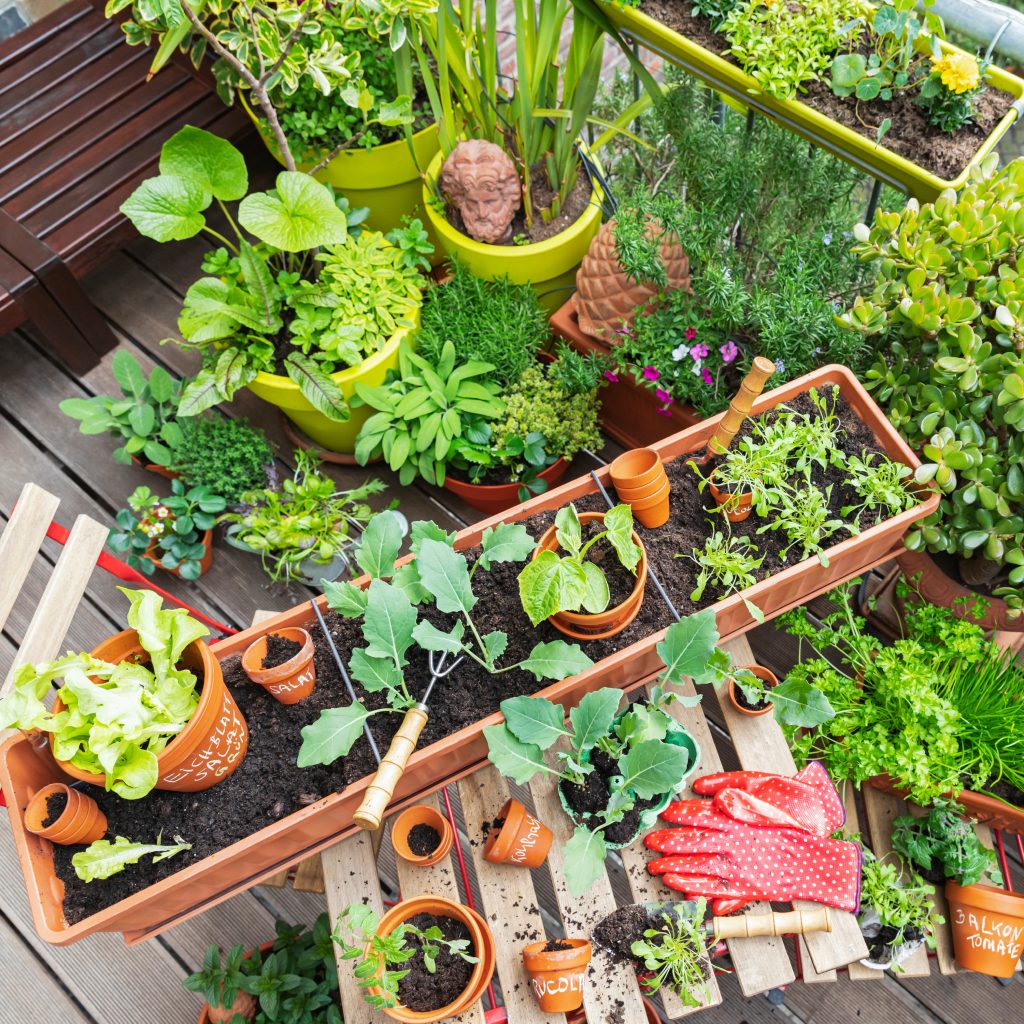
Imagine stepping out onto your balcony or patio, greeted by the fresh scent of basil and the vibrant colors of ripening tomatoes. Container gardening brings the joy of homegrown vegetables right to your doorstep, no backyard needed.
Whether you have limited space or simply want to keep things manageable, planting a vegetable garden in containers is your ticket to fresh produce and a rewarding hobby. You’re about to discover how easy it is to transform small spaces into lush, productive gardens.
This guide will walk you through the essentials, helping you choose the right containers, soil, and plants. Say goodbye to store-bought veggies and hello to a bountiful, homegrown harvest. Ready to dig in? Let’s get started on your journey to a thriving container vegetable garden!
Choosing The Right Containers
Select containers with good drainage to prevent waterlogging. Ensure they are large enough for root growth. Consider lightweight materials for easy movement and rearranging.
Choosing the right containers for your vegetable garden can be the difference between a flourishing harvest and a disappointing yield. Containers are not just vessels; they are the lifeline for your plants, providing essential support and nutrients. But how do you select the best ones? Let’s dive into the critical aspects of size, material, and drainage to ensure your container garden thrives.Size And Material Considerations
The size of your container directly impacts your plants’ root growth and overall health. Opt for larger containers for deep-rooted vegetables like tomatoes, carrots, and potatoes. Smaller containers work well for herbs and compact greens like lettuce. Material matters too. Terracotta pots are breathable, helping to prevent overwatering but may dry out faster. Plastic containers retain moisture longer, ideal for hot climates. Your choice should align with your climate and watering habits.Drainage Importance
Drainage is a non-negotiable aspect of container gardening. Without proper drainage, roots can rot, and plants can suffocate. Always ensure your containers have drainage holes at the bottom. Consider placing a layer of gravel or broken pottery at the bottom to enhance drainage further. This simple step can save your plants from drowning, especially during heavy rains. Have you ever wondered why some plants thrive better than others in containers? The secret often lies in these simple yet crucial container choices. Make thoughtful decisions, and watch your vegetable garden flourish!
Credit: www.gardeningknowhow.com
Selecting Suitable Vegetables
Choose vegetables that thrive in containers like tomatoes, peppers, and lettuce. Opt for varieties suited to your climate and sunlight. Consider plant size to ensure proper spacing in containers.
Selecting Suitable Vegetables Growing vegetables in containers offers flexibility and convenience. Choosing the right varieties is essential for a successful harvest. Consider factors like space, climate, and ease of growth.Best Varieties For Containers
Certain vegetable varieties thrive in confined spaces. Opt for compact, dwarf, or bush types. These require less room and adapt well to containers. Popular choices include cherry tomatoes, radishes, and lettuce. Herbs like basil and parsley are also excellent options. They grow quickly and enhance your culinary creations.Climate And Space Considerations
Climate plays a crucial role in plant selection. Warm regions favor peppers and eggplants. Cooler areas are ideal for spinach and kale. Consider the available sunlight. Vegetables need at least six hours of light daily. Container size impacts root development. Choose deep pots for larger plants like tomatoes. Small containers suit herbs and greens. Ensure your garden layout provides adequate air circulation. Proper spacing prevents disease and promotes healthy growth.Preparing Potting Mix
Crafting the right potting mix ensures healthy growth for container vegetables. Combine peat moss, vermiculite, and compost for nutrient-rich soil. This mix retains moisture and provides essential nutrients for vibrant plants.
Planting a vegetable garden in containers is a rewarding venture, allowing you to nurture fresh produce even in limited spaces. One of the crucial steps in starting your container garden is preparing the potting mix. This is the foundation for healthy plant growth, providing essential nutrients, moisture retention, and proper drainage. With the right mix, your vegetables will thrive, offering a bountiful harvest. Below, we’ll delve into the essential ingredients and balancing nutrients needed for a successful potting mix.Essential Ingredients
Creating the perfect potting mix involves selecting the right ingredients to support your plants. You need a combination of peat moss, vermiculite, and compost. Peat moss retains moisture and offers structure to the mix. Vermiculite enhances aeration and drainage, ensuring that your plants’ roots have enough space to grow. Compost is key for providing organic matter and nutrients, vital for plant health. Mix these ingredients in equal parts for a balanced base. Have you considered adding perlite? It can improve drainage further, especially for plants that dislike soggy roots.Balancing Nutrients
Once you have your base, it’s time to focus on nutrients. Your plants need a balanced mix of nitrogen, phosphorus, and potassium (N-P-K). These are critical for growth, root development, and overall plant health. You can add a slow-release fertilizer to your potting mix. This ensures a steady supply of nutrients over time. But remember to check the specific needs of each vegetable type; some may require additional nutrients for optimal growth. Do you know the importance of micronutrients like calcium and magnesium? They can be added through mineral supplements or gypsum, enhancing your mix and boosting plant health. Balancing nutrients is not just about adding them; it’s also about avoiding excess. Too much can harm plants, leading to nutrient burn. Regularly test your soil and adjust as needed.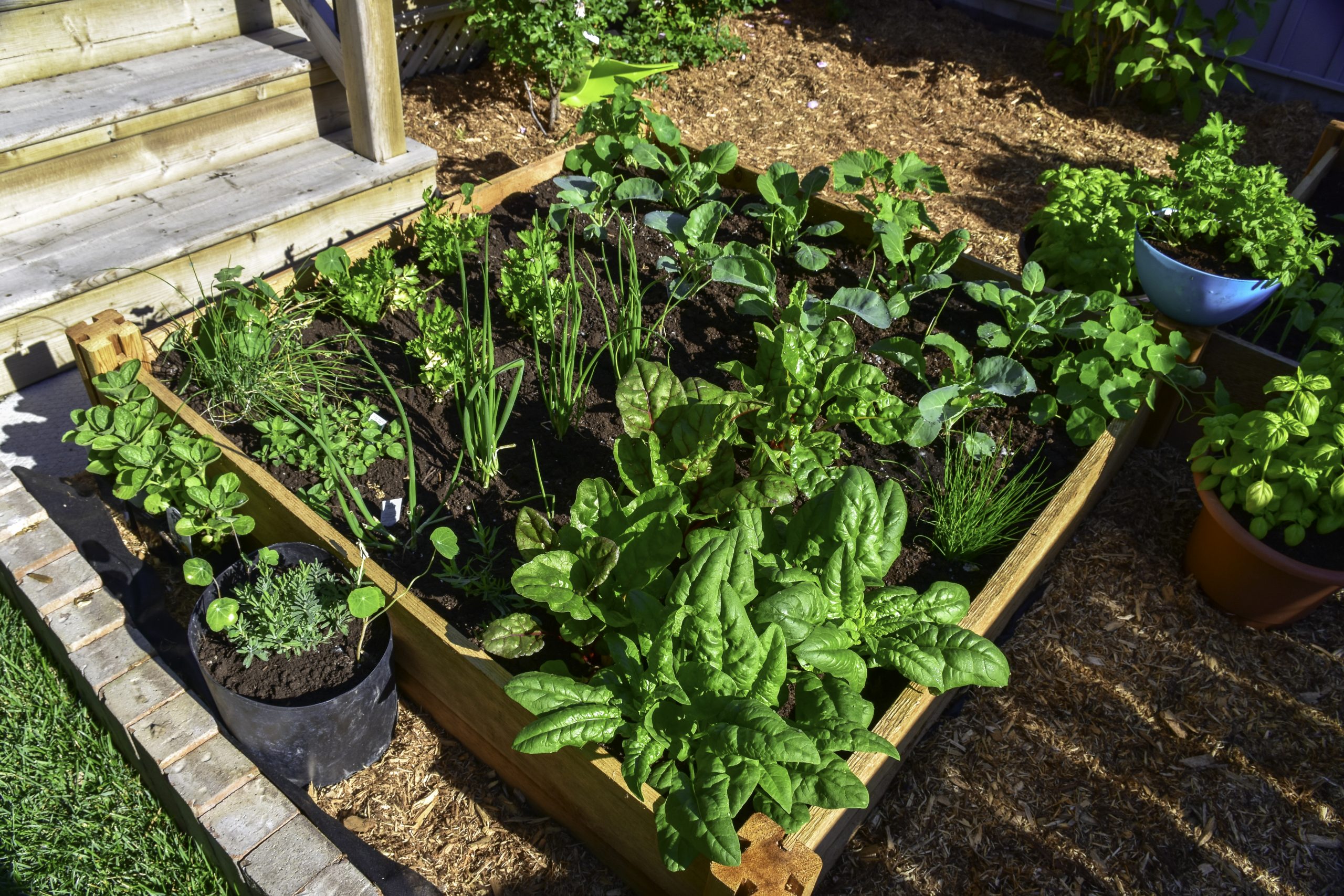
Credit: ryanlawn.com
Planting Techniques
Plant vegetables in containers by selecting the right pot size and ensuring proper drainage. Use quality soil and place the containers in a sunny spot. Water regularly and monitor plant growth for a thriving garden.
Planting vegetables in containers offers flexibility and ease. You can grow fresh produce in small spaces. Yet, successful container gardening requires the right techniques. Proper planting ensures healthy growth and bountiful harvests.Spacing And Depth Guidelines
Each vegetable needs space to grow. Crowded plants compete for nutrients. Follow specific spacing guidelines for each type. Leafy greens like lettuce need about 6 inches. Root vegetables like carrots require deeper containers. Ensure the right depth for root expansion. Tomatoes need even more space and depth. They flourish in larger pots with sturdy support.Companion Planting Benefits
Certain plants grow well together. Companion planting boosts growth and pest control. Basil and tomatoes are a great pair. Basil repels insects and enhances tomato flavor. Marigolds deter pests and protect nearby plants. Combining the right vegetables improves overall garden health. Choose companions that benefit each other. This strategy supports a thriving container garden.Watering And Maintenance
Consistent watering ensures healthy growth in container vegetable gardens. Soil should remain moist but not waterlogged. Regular maintenance, including pruning and pest checks, keeps plants thriving.
Planting a vegetable garden in containers can be a delightful experience, offering the joy of fresh produce right at your doorstep. However, the success of your container garden largely depends on diligent watering and maintenance. Without proper care, even the most robust plants can struggle. So, how do you ensure your container vegetables thrive?Frequency And Methods
Watering is perhaps the most critical aspect of container gardening. Unlike traditional gardens, containers dry out quickly due to their limited soil volume. You might be surprised to find that during hot summer days, your plants may need watering twice a day. To check if your plants need water, stick your finger about an inch into the soil. If it feels dry, it’s time to water. Always aim for a thorough soak until water drains from the bottom, ensuring roots get enough hydration.Pest And Disease Management
Container gardens, though elevated, are not immune to pests and diseases. Regularly inspect your plants for signs of trouble. Yellowing leaves, holes, or unusual spots can indicate an issue. To manage pests, consider using natural deterrents like neem oil or insecticidal soap. They’re effective and safer for your plants and the environment. Keep your containers clean and remove any fallen debris to prevent diseases from taking hold. Consistent care and attention to detail can transform your container garden into a flourishing oasis. Are you ready to roll up your sleeves and dive into the rewarding world of container gardening?Utilizing Fertilizers
Choosing the right fertilizers boosts vegetable growth in containers. Organic or slow-release fertilizers are ideal. These options provide essential nutrients for thriving plants.
Growing a vegetable garden in containers can be rewarding. Fertilizers play a crucial role in ensuring your plants get the nutrients they need. Understanding the differences in fertilizers can enhance your gardening success. Choose the right type and know when to apply it for the best results.Organic Vs. Synthetic Options
Organic fertilizers come from natural sources. They include compost, manure, and bone meal. These options release nutrients slowly. This helps improve soil quality over time. Organic fertilizers are environmentally friendly. They promote healthy soil and beneficial organisms. Synthetic fertilizers are man-made. They provide nutrients in a concentrated form. These fertilizers work quickly. Plants absorb them faster than organic options. They are easy to apply and measure. However, they can sometimes lead to nutrient runoff. This may affect the environment negatively.Application Timing
Timing is key in fertilizer application. For the best results, follow these tips. Apply fertilizers during the growing season. Early morning or late afternoon is ideal. This helps prevent leaf burn from the sun. Water the plants after applying fertilizers. This aids in nutrient absorption. Regular feeding depends on the type of fertilizer. Organic fertilizers need less frequent application. Synthetic fertilizers may require more regular attention. Always follow the instructions on the packaging. This ensures the right amount is used. Over-fertilizing can harm plants and the environment.Maximizing Sunlight Exposure
Position containers strategically to capture maximum sunlight. Use south-facing spots to ensure vegetables receive ample light. Rotate pots regularly for even exposure.
Maximizing Sunlight Exposure Growing a vegetable garden in containers presents unique opportunities and challenges, with sunlight exposure being a crucial factor for success. Ensuring your plants receive the right amount of sunlight is vital for their growth and productivity. Let’s delve into how you can effectively maximize sunlight exposure for your container garden.Positioning Containers
The position of your containers can significantly impact the amount of sunlight your plants receive. Place your containers where they’ll get at least six hours of direct sunlight daily. A south-facing location is often ideal for most vegetable plants. Consider using a portable dolly or plant caddy to move containers easily. This allows you to adjust their position with the sun’s movement throughout the day. Observe your garden space at different times to identify the sunniest spots. A small notebook for tracking sunlight patterns can be a handy tool.Seasonal Adjustments
Sunlight exposure changes with the seasons, affecting your container garden’s needs. During spring and summer, the sun is higher in the sky, providing more intense and longer daylight. You might need to shield sensitive plants from scorching by using a shade cloth. In fall and winter, the sun sits lower, casting longer shadows. Relocating containers to maximize exposure is crucial during these months. Think about using reflective surfaces, like mirrors or white walls, to bounce additional light onto your plants. Have you considered how seasonal changes affect your garden’s sunlight exposure? Adjust accordingly for a thriving garden all year round.Harvesting Tips
Harvesting your container vegetable garden can be a joyful experience. Knowing when and how to pick ensures fresh, tasty produce. Learn the best ways to gather your homegrown bounty.
Signs Of Readiness
Recognize when vegetables are ready to harvest. Look for size, color, and texture. Vegetables often give signs when they are ripe.
- Tomatoes should be a deep red or yellow, depending on the type.
- Carrots are ready when tops are about 1 inch across.
- Beans are ripe when they snap easily in half.
Check your plants often for these signs. Picking at the right time ensures the best flavor.
Techniques For Different Vegetables
Different vegetables need different harvesting techniques. Use the right method to avoid damaging plants.
- Leafy Greens:Use scissors to cut outer leaves. Leave the center to keep growing.
- Root Vegetables:Gently pull or dig them up. Be careful not to break the roots.
- Fruit Vegetables:Twist and pull gently from the vine.
Using the proper technique helps ensure healthy plants and future growth.
Overwintering Strategies
Planting a vegetable garden in containers requires smart overwintering strategies. Use mulch or cover crops to protect roots from cold. Position containers in sheltered spots to minimize frost damage and ensure healthy growth.
Overwintering your container garden can be a game-changer, ensuring your plants survive and thrive even in the colder months. With a few strategic moves, you can protect your plants, save time, and enjoy a lush garden year-round. Think of overwintering as a way to give your plants a winter vacation, where they rest and prepare for a vibrant return in spring.Protecting Perennials
To ensure your perennial plants survive the winter, you need to think about insulation. Consider wrapping the containers with burlap or bubble wrap. This simple trick can help retain heat and shield roots from harsh temperatures. Mulching is another great option. Apply a thick layer of mulch around the base of your plants, which acts like a cozy blanket. This not only protects against freezing but also helps retain moisture. If possible, move your containers closer to your house. The structure will provide some warmth and protection from wind. Have you ever noticed how plants near buildings seem to fare better? This is why.Storing Containers
Sometimes, the best way to protect your plants is to store the entire container indoors. A garage or basement can serve as an excellent temporary home. Before moving them, ensure the plants are free of pests to avoid indoor infestations. If indoor storage isn’t feasible, group your containers together outside. This creates a microenvironment, offering them some shared warmth. Covering them with a frost cloth can add an extra layer of protection. Consider the material of your container. Terracotta pots, for example, are prone to cracking in cold weather. Using plastic or fiberglass containers can be a safer choice for overwintering. What strategies will you try this winter to keep your garden thriving?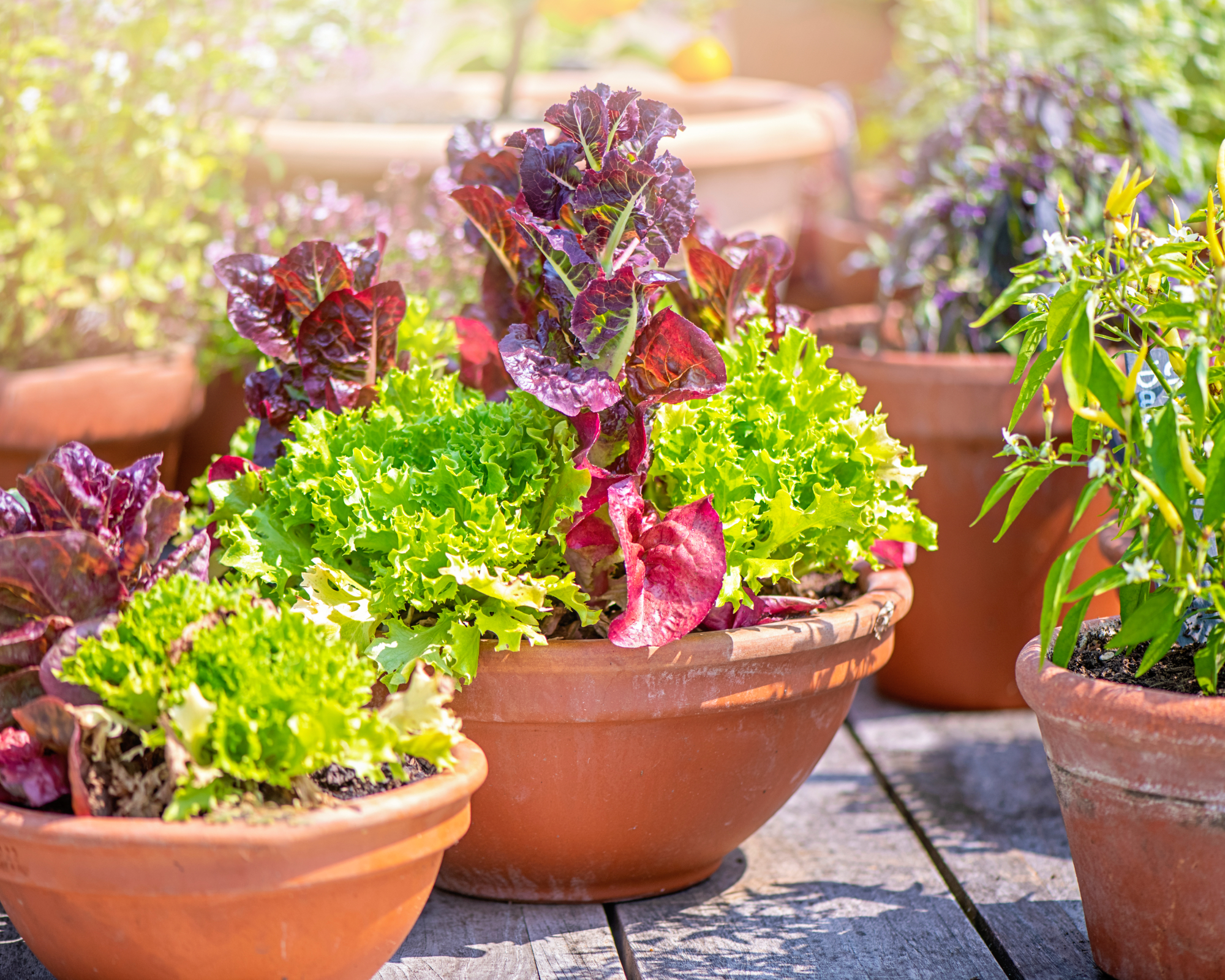
Credit: www.gardeningknowhow.com
Frequently Asked Questions
What Do You Put In The Bottom Of A Vegetable Container?
Place a layer of paper towels or a clean dishcloth at the bottom. This absorbs excess moisture, keeping vegetables fresh. Ensure proper drainage by adding a few perforations if needed. Keep vegetables away from direct contact with water to prevent spoilage.
What Is The Most Common Mistake Made With Container Plants?
Overwatering is the most common mistake with container plants. Excess water leads to root rot and plant stress. Ensure pots have proper drainage, and check soil moisture before watering. Let the top inch of soil dry out between waterings to maintain healthy plant growth.
When To Start A Container Vegetable Garden?
Start a container vegetable garden in early spring after the last frost. Choose a sunny location for optimal growth. Use quality potting soil and containers with good drainage. Plant seeds or seedlings suitable for your climate and season. Regular watering and fertilizing ensure healthy plants.
How Many Vegetable Plants Can You Put In A 5 Gallon Bucket?
You can plant one tomato or pepper plant in a 5-gallon bucket. For smaller plants like lettuce or spinach, you can fit 2-3 plants. Ensure proper drainage and nutrient-rich soil for healthy growth. Adjust spacing based on plant size and growth requirements.
Conclusion
Planting vegetables in containers offers many benefits. It’s space-saving and versatile. Perfect for balconies and small yards. Easy to manage and maintain. With the right soil and containers, success is within reach. Choose your favorite veggies. Follow simple steps for planting.
Enjoy fresh harvests right at home. Gardening in containers is rewarding and fun. Anyone can do it with little effort. Start small and watch your garden grow. Experience the joy of home-grown produce. Share your bounty with friends and family.
Dive into container gardening today. Enjoy the journey and the rewards it brings.