Imagine stepping into your backyard and being greeted by a colorful patchwork of flowers, lush greenery, and charming pathways. This is the magic of a cottage garden.
It’s not just a garden; it’s a living, breathing artwork that invites you to escape into a world of tranquility and beauty. But how do you create such an inviting space? The good news is, planting a cottage garden is easier than you might think.
With a few simple steps, you can transform any outdoor area into a picturesque haven. Ready to dig in? Let’s explore how you can bring your very own cottage garden to life, adding charm and vibrancy to your home.

Credit: lovelygreens.com
Choosing The Right Location
Choosing the right location is crucial for your cottage garden. It affects growth, beauty, and overall health of your plants. A well-chosen site will thrive with colorful blooms and lush greenery. The location determines sunlight, soil quality, and moisture levels. These factors are vital for plant survival and flourishing. Let’s explore key aspects to consider for finding the perfect spot.
Sunlight Exposure
Plants need varying amounts of sunlight. Determine the sunlight needs of your chosen plants. Some plants require full sun, while others prefer shade. Observe your garden area throughout the day. Note which spots get sun and which remain shaded. Choose a location that matches your plants’ sunlight preferences.
Soil Quality
Healthy soil is essential for plant growth. Check the soil type in your garden area. Ensure it is suitable for your plants. Some plants thrive in sandy soil, others in clay or loam. Test the soil pH level to confirm it aligns with plant requirements. Amend the soil if necessary to improve fertility.
Water Accessibility
Water is vital for your cottage garden. Ensure easy access to water sources. Evaluate the drainage in your chosen spot. Plants need well-drained soil to prevent root rot. Avoid areas that collect water or remain soggy. Consider proximity to a water source for convenient irrigation.
Space And Layout
A cottage garden often features dense planting. Ensure enough space for all plants to grow. Consider the mature size of plants when spacing them. Avoid overcrowding to allow air circulation. Plan a layout that accommodates paths and seating areas. This enhances the garden’s charm and usability.
Selecting Cottage Garden Plants
Choosing cottage garden plants involves selecting a mix of perennials, annuals, and shrubs. Consider plant height, color, and bloom time for a harmonious look. Ensure plants match your garden’s sunlight and soil conditions for optimal growth.
Selecting the right plants is crucial for a charming cottage garden. Choose plants that create a lush, colorful landscape. Think about blooms, foliage, and textures. The goal is a natural, slightly wild look. This section will guide you in selecting the perfect plants for your garden.Perennials And Annuals
Perennials return year after year, offering lasting beauty. Consider classic choices like delphiniums, foxgloves, and hollyhocks. These plants add height and elegance. Annuals provide vibrant, seasonal color. Try cosmos, zinnias, or sweet peas for a burst of life. Mix both types for a balanced garden.Herbs And Vegetables
Cottage gardens often include herbs and vegetables. They add fragrance and functionality. Plant rosemary, thyme, and lavender for aromatic delights. Vegetables such as tomatoes and lettuce fit well in any sunny spot. They offer fresh produce and visual interest.Climbing Plants
Climbing plants create vertical interest and charm. Roses, wisteria, and clematis are popular choices. They drape beautifully over fences and trellises. These plants add romance and privacy. Ensure they have support to grow and thrive.Designing The Garden Layout
Designing the Garden Layout Create a charming cottage garden by mixing colorful flowers and lush greenery. Arrange plants naturally to achieve a whimsical look. Use pathways and borders to define different sections of the garden.
Creating a cottage garden offers charm and a sense of tranquility. The layout is crucial to achieving that picturesque look. Thoughtful planning transforms your outdoor space into a storybook setting. Let’s explore some essential elements for your garden’s design.Creating Pathways
Pathways guide visitors and add structure. They prevent plants from being trampled. Use natural materials like gravel, stone, or brick. Arrange them in gentle curves for a relaxed feel. Keep pathways narrow to maximize planting space. This invites an immersive garden experience.Incorporating Focal Points
Focal points draw the eye and add interest. Consider a bird bath, bench, or statue. Choose something that reflects your style. Place it where paths intersect or at the end of a walkway. This creates a sense of destination and intrigue.Balancing Colors And Textures
Color and texture bring your garden to life. Mix bold colors with soft pastels. Use a variety of leaf shapes and sizes. Combine tall plants with ground covers. This adds depth and richness. Balance is key for a harmonious look.Preparing The Soil
Preparing the Soil Begin by clearing the area of weeds and debris. Loosen the soil to improve drainage and air circulation. Mix in compost to enrich the soil with nutrients. This foundation supports the vibrant growth of cottage garden plants.
Preparing the Soil Creating a vibrant cottage garden starts with soil preparation. Healthy soil is the foundation for flourishing plants. Begin by examining the soil to ensure it can support the garden’s diverse plant life.Testing Soil Quality
Check your soil’s pH level and nutrient content. You can use a soil test kit from a gardening store. This test reveals essential information about soil fertility. Knowing the pH helps in choosing suitable plants. Most plants thrive in slightly acidic to neutral soil.Improving Drainage
Good drainage prevents plant roots from rotting. Clay soil often needs improvement. Break up the soil and mix in coarse sand or small gravel. This enhances water flow. Raised beds offer another solution. They allow excess water to escape easily.Adding Organic Matter
Organic matter enriches the soil. Compost is a great choice. It boosts nutrient levels and improves soil texture. Spread a layer over the garden area. Work it into the topsoil. A mix of composted leaves, grass clippings, and kitchen scraps works well. Organic matter retains moisture and supports plant health.Planting Techniques
Create a cottage garden by mixing colorful flowers, herbs, and small shrubs. Choose native plants for easy growth and maintenance. Arrange them closely for a lush, informal look.
Creating a cottage garden is like painting with plants; it’s an art that blends beauty with practicality. To achieve that dreamy, overflow of blooms and greenery, mastering the right planting techniques is essential. Whether you’re a seasoned gardener or a beginner, understanding how to properly plant can make all the difference in the lushness of your garden.Spacing And Depth
Proper spacing and planting depth are crucial for healthy plant growth. Each plant has its own needs, so check the seed packet or plant label for guidance. Too close, and plants will compete for nutrients; too far, and you’ll miss that charming, cozy look. When planting, ensure the root ball is level with the soil surface. Digging too deep can suffocate the roots, while too shallow can dry them out. Imagine the disappointment of watching your plants struggle because they were not given the right start.Watering New Plants
New plants need a gentle introduction to their new home. Watering them correctly is part of that welcome. Initially, water your plants deeply to encourage the roots to grow downward. Use a watering can with a diffuser to mimic gentle rain. This prevents soil erosion and helps the water absorb evenly. Think of it like a soft embrace for your plants, ensuring they settle in comfortably.Mulching For Protection
Mulching is like giving your garden a cozy blanket. It helps retain moisture, suppress weeds, and protect the plant roots from extreme temperatures. Choose organic mulches like shredded bark or compost for added nutrients. Spread mulch evenly around your plants, leaving a small gap around the stems to prevent rot. This simple step can be a game-changer, keeping your garden thriving even in tough conditions. Have you ever wondered why some gardens look effortlessly lush? The secret often lies in smart mulching.
Credit: www.youtube.com
Maintaining The Cottage Garden
Create a cottage garden by choosing a mix of colorful flowers and herbs. Ensure plants are spaced to allow growth. Regular watering and pruning keep the garden healthy and vibrant.
Maintaining the Cottage Garden can be a rewarding endeavor. After planting, attention to detail keeps the garden thriving. Regular upkeep ensures a lush, beautiful space throughout the seasons. With a bit of care, the garden remains vibrant and inviting.Pruning And Deadheading
Pruning helps plants grow strong. Remove dead branches for healthy growth. Deadheading encourages more blooms. Snip spent flowers to boost flowering. Use sharp tools for clean cuts. Trim bushes to shape them nicely. Regular checks prevent overgrowth.Pest And Disease Control
Watch for pests regularly. Aphids and slugs can damage plants. Use natural repellents to deter them. Ladybugs help control aphids. Inspect leaves for signs of disease. Brown spots or mold need attention. Remove affected parts to stop spread. Clean tools after use to prevent contamination.Seasonal Care Tips
Adapt care to the season. In spring, fertilize for strong growth. Water deeply in summer. Mulch helps retain moisture. In fall, clear fallen leaves. Protect sensitive plants from frost in winter. Cover them with burlap or sheets. Monitor weather changes for timely action.Adding Personal Touches
Creating a cottage garden is more than planting flowers. It reflects your personality. Adding personal touches turns a garden into a home. Unique details make the space feel warm and inviting. Incorporate elements that speak to your style and preferences. Personal touches make it a place to relax and unwind. They also enhance the beauty and charm of the garden.
Incorporating Garden Furniture
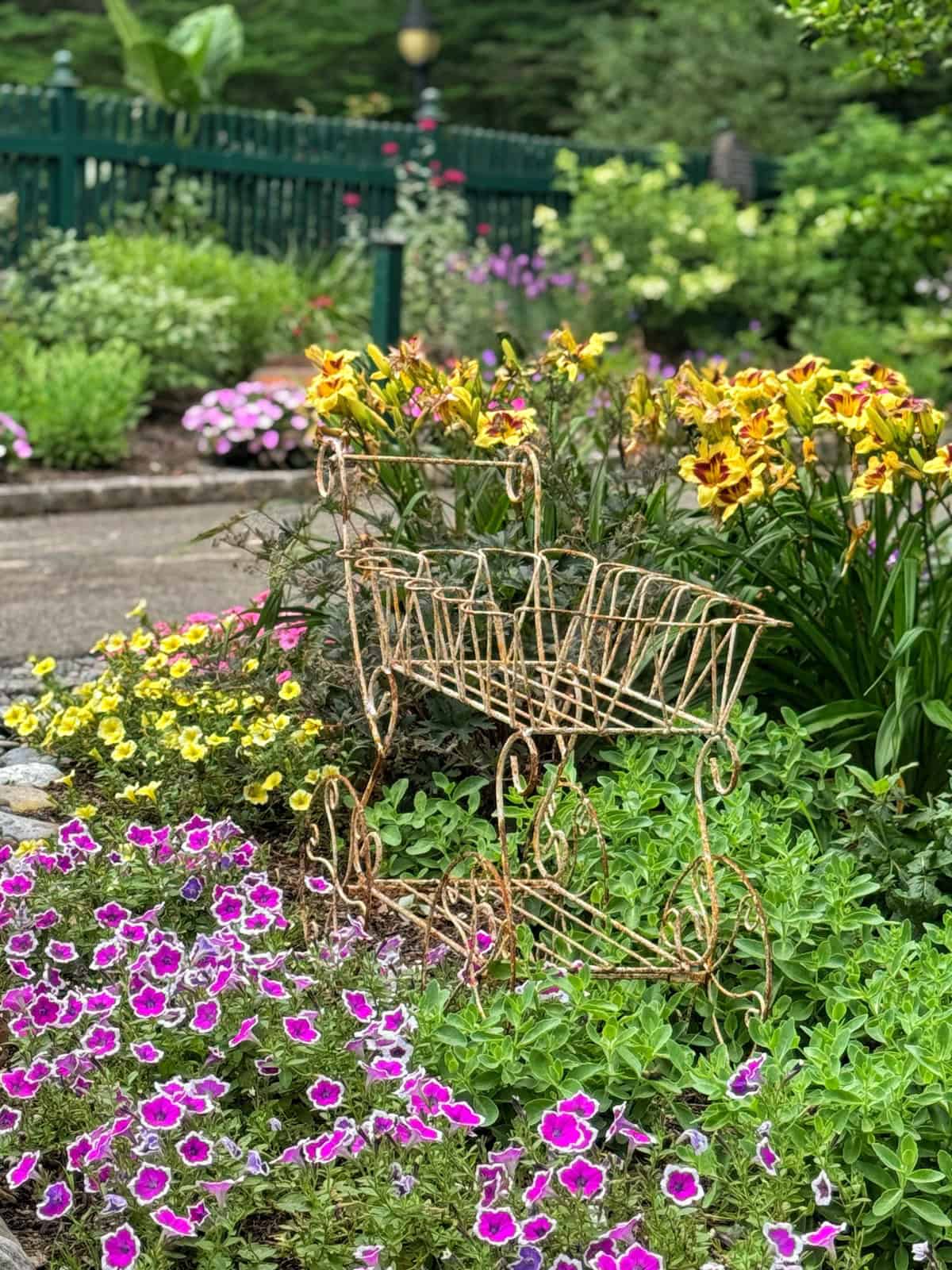
Garden furniture adds comfort and style. A vintage bench can be the perfect spot for a break. Choose pieces that complement the garden’s rustic feel. Wooden chairs or a wrought-iron table can add charm. Arrange furniture to create cozy corners. These spaces invite you to sit and enjoy the view. Look for durable materials that withstand weather changes. Comfortable seating encourages longer stays outdoors.
Decorative Elements
Decorative elements express your creativity. Consider adding sculptures or garden stakes. They can serve as focal points in the garden. Wind chimes bring gentle music to the air. Birdbaths and stone paths enhance the garden’s natural beauty. Use colorful pots and planters for vibrant accents. Try adding fairy lights for a magical glow at night. Personalize the space with items that resonate with you.
Wildlife-friendly Features
Make your garden welcoming for wildlife. A birdhouse invites feathered friends. Plant flowers that attract bees and butterflies. A small pond can be a habitat for frogs. These features create a lively and dynamic garden. Wildlife adds movement and natural sounds. It also helps maintain a balanced ecosystem. Consider native plants that support local wildlife. This creates a harmonious environment for everyone to enjoy.
Credit: stacyling.com
Frequently Asked Questions
How To Layout A Cottage Garden?
To layout a cottage garden, create winding paths and informal beds. Mix perennials, herbs, and shrubs. Incorporate climbers on trellises or fences. Use companion planting for variety and color. Add rustic elements like benches or birdbaths for charm.
What Is The 70/30 Rule In Gardening?
The 70/30 rule in gardening involves dedicating 70% of your garden space to permanent plants. The remaining 30% is for seasonal or temporary plants. This method promotes a balanced, sustainable garden environment, ensuring year-round interest and easier maintenance.
What Plants Do You Put In A Cottage Garden?
Cottage gardens thrive with roses, lavender, hollyhocks, foxgloves, delphiniums, daisies, and sweet peas. Include herbs like thyme and rosemary for fragrance. Integrate climbing plants like clematis and honeysuckle for vertical interest. Mix perennials with annuals for continuous blooms, creating a charming and colorful landscape.
What Makes A Garden A Cottage Garden?
A cottage garden features dense, informal plantings with colorful flowers and a mix of edibles and ornamentals. Pathways, rustic structures, and traditional plants like hollyhocks and roses enhance its charm. It emphasizes natural beauty, encouraging wildlife while offering a cozy, nostalgic feel.
This style is low-maintenance and inviting.
Conclusion
Creating a cottage garden brings joy and beauty to any space. It’s about mixing colors, textures, and scents. Plant flowers that make you happy. Use herbs and vegetables to add charm. Remember, cottage gardens thrive with a bit of chaos.
Embrace imperfection for a natural look. Regular care keeps your garden healthy and lively. Watering and pruning are key tasks. Enjoy the process and watch your garden grow. Soon, you’ll have a lovely retreat right outside your door. Invite nature in and let your garden tell its own story.
Happy gardening!