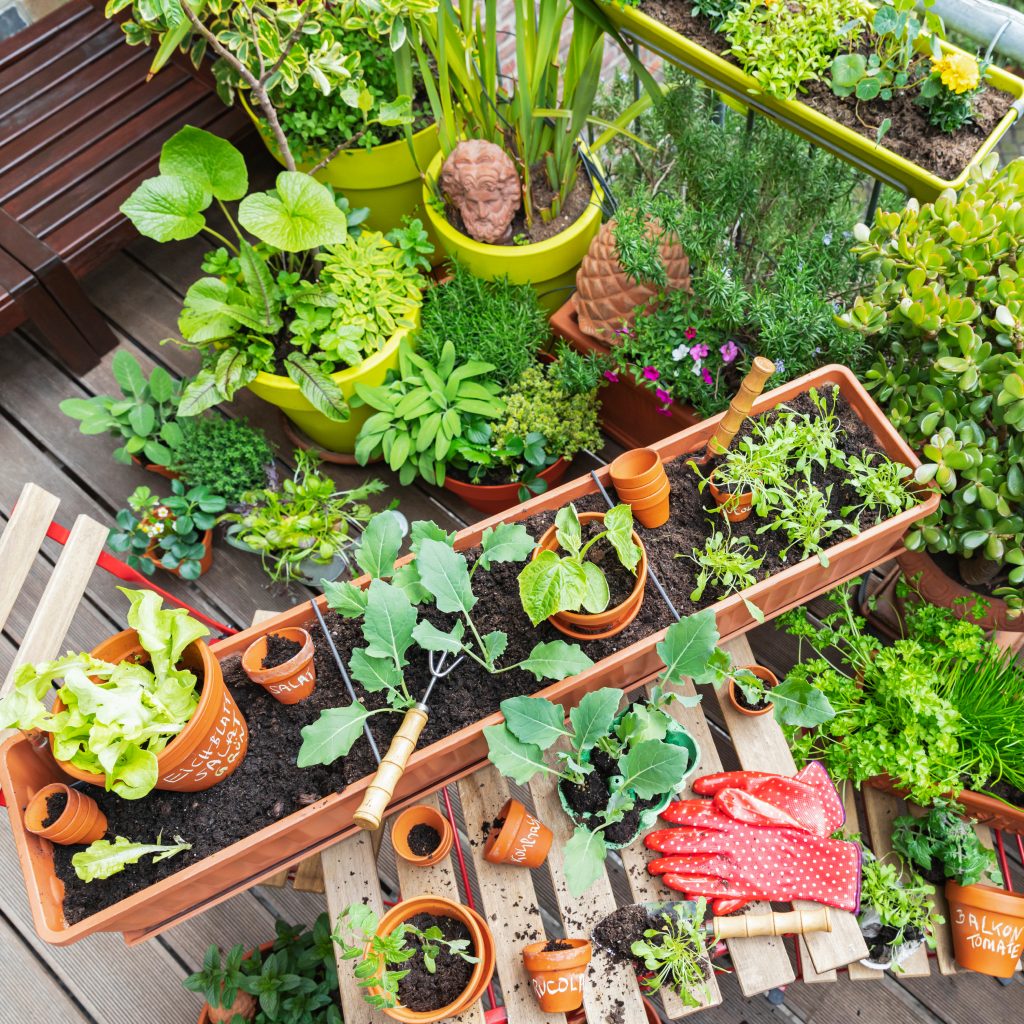
Imagine stepping onto your balcony or patio and being greeted by the fresh aroma of basil, the vibrant colors of cherry tomatoes, and the satisfying crunch of homegrown lettuce. You don’t need a sprawling backyard to enjoy these delights; a container vegetable garden can transform even the smallest spaces into a green oasis.
Curious about how you can achieve this? You’re in the right place. This guide will walk you through the easy steps to create your very own container vegetable garden, perfect for urban dwellers and beginners alike. Whether you want to savor the taste of fresh produce or simply add a touch of nature to your home, you’ll find everything you need right here.
Ready to dig in? Let’s get started!
Choosing The Right Containers
Creating a thriving container vegetable garden begins with choosing the right containers. This decision can impact the health and productivity of your plants. Whether you’re growing juicy tomatoes or crisp lettuce, selecting containers that meet the specific needs of your veggies is crucial. Let’s dive into the essentials of container selection to ensure your garden flourishes.
Size And Depth Considerations
Different vegetables have unique root systems that require specific space to grow. For instance, carrots and radishes need deep containers to develop properly. On the other hand, herbs like basil or cilantro can thrive in shallower pots. Aim for containers that are at least 12 inches deep for most vegetables, allowing roots ample room to spread.
Consider the mature size of the plant too. Tomatoes, which grow taller, benefit from larger containers—think five gallons or more. Smaller plants, such as lettuce, do well in less expansive pots. The right size not only supports root growth but also helps in retaining moisture.
Material Choices For Durability
Your container material plays a role in the longevity of your garden setup. Plastic pots are lightweight and affordable, but they may not last as long as other options. Terracotta pots are breathable, ideal for preventing root rot, but can be prone to breaking. Metal containers offer durability and a modern aesthetic, but they can heat up quickly under the sun.
Consider your climate when choosing materials. If you’re in a hot area, avoid metal to prevent overheating. For colder climates, plastic can help retain warmth. Think about how these materials fit with your garden style and practical needs.
Drainage Essentials
Proper drainage prevents water from pooling at the bottom of the container, which can lead to root rot. Ensure every container has drainage holes—this is non-negotiable. Without them, you risk soggy soil and unhealthy plants.
Enhance drainage by adding a layer of gravel or broken pottery at the bottom before filling with soil. This simple step creates space for excess water to escape. You might also consider using pot feet or stands to elevate containers, allowing water to flow freely underneath.
Have you noticed any plants struggling despite adequate watering? Poor drainage might be the culprit. Reassess your containers to ensure they’re set up for success.
:max_bytes(150000):strip_icc()/GettyImages-14913084991-24873d74f5194dce93bdfcc05efdbe20.jpg)
Credit: www.thespruce.com
Selecting Suitable Vegetables
Choose vegetables suited to containers for successful growth. Opt for compact varieties like cherry tomatoes, lettuce, and peppers. Ensure they match your climate and sunlight conditions.
Selecting the right vegetables is essential for a thriving container garden. Your choice impacts growth and yield. Consider space, climate, and sunlight. Some vegetables are better suited for containers. Others need more room to grow. Choose wisely for the best results.Best Varieties For Containers
Some vegetables thrive in containers. Opt for compact varieties. Cherry tomatoes, bush beans, and radishes fit well. Leafy greens like spinach and lettuce are ideal. Peppers and herbs like basil and parsley also do well. These varieties don’t require much space.Seasonal Selection Tips
Different vegetables prefer different seasons. Plant cool-weather crops in spring or fall. These include lettuce, spinach, and radishes. Warm-weather vegetables thrive in summer. Tomatoes, peppers, and cucumbers are best then. Check your local climate for the best planting time.Companion Planting Ideas
Companion planting boosts growth and repels pests. Pair tomatoes with basil. They enhance flavor and deter pests. Plant beans with cucumbers. Beans add nitrogen, which cucumbers love. Lettuce grows well with radishes. They share space efficiently. Choose companions wisely for a fruitful garden.Preparing Soil And Fertilizer
Preparing soil and fertilizer is crucial for a thriving container vegetable garden. The right soil mix provides essential nutrients, supports root growth, and ensures good drainage. Fertilizers enhance soil fertility, promoting healthy plant development. Understanding soil preparation and fertilizer choices will set the foundation for successful gardening.
Creating A Nutrient-rich Mix
A nutrient-rich soil mix boosts plant health. Combine potting soil with compost for added nutrients. Use peat moss or coconut coir for moisture retention. Add perlite or sand to improve drainage. Ensure your mix balances nutrients, water, and air.
Organic Vs. Synthetic Fertilizers
Organic fertilizers come from natural sources like compost or manure. They release nutrients slowly and improve soil structure. Synthetic fertilizers provide quick nutrient delivery but may not enhance soil health. Choose organic for long-term benefits or synthetic for immediate results.
Soil Maintenance Practices
Regular soil maintenance keeps your garden thriving. Rotate crops to prevent nutrient depletion. Test soil pH to ensure optimal conditions. Add mulch to conserve moisture and control temperature. Monitor and adjust fertilizer use based on plant needs.
Planting Techniques
Choose sturdy containers with drainage holes for your vegetable garden. Use quality potting soil enriched with organic matter. Plant seeds or seedlings, ensuring they have enough space to grow.
Planting a container vegetable garden is a rewarding endeavor that combines creativity and practicality. Understanding the right planting techniques can significantly impact your garden’s success. Whether you’re a seasoned gardener or a beginner, choosing the right method for planting is crucial to ensure a bountiful harvest. So, let’s dive into the essential techniques you need to master.Seed Vs. Seedling Choices
Choosing between seeds and seedlings is often the first decision you’ll face. Seeds offer a cost-effective option with a wider variety of choices. They require more patience as they take longer to mature. Seedlings, on the other hand, provide a head start. They’re ideal if you’re looking to see quicker results in your garden. Consider your level of patience and the specific vegetables you want to grow before making your choice.Proper Spacing Guidelines
Spacing is critical to ensure each plant gets enough nutrients, sunlight, and room to grow. Crowded plants can lead to competition for resources, which stunts growth. Refer to the seed packet or plant label for specific spacing instructions. In general, leafy greens need less space, while larger plants like tomatoes need more.Transplanting Tips
Transplanting seedlings into your containers requires care to avoid damaging roots. Gently remove the plant from its original container and place it into a pre-dug hole in your pot. Water the plant immediately after transplanting to help it settle in. Ensure the soil is firm around the plant base to support it as it grows. Do you have a favorite planting technique that ensures success in your container garden? Share your thoughts in the comments!Watering Strategies
Watering your container vegetable garden effectively is crucial to ensure healthy growth and abundant harvests. Understanding the right techniques and strategies can make a significant difference in your gardening success. Let’s dive into some essential watering strategies that will keep your plants thriving.
Frequency And Timing
How often should you water your container garden? The answer depends on several factors including the type of vegetables, the size of your containers, and the local climate. A good rule of thumb is to check the soil moisture daily. Stick your finger about an inch into the soil—if it feels dry, it’s time to water. Timing also matters. Watering early in the morning or late in the afternoon minimizes evaporation, ensuring your plants get the most from every drop.
Efficient Watering Systems
Consider investing in efficient watering systems like drip irrigation or self-watering pots. Drip irrigation delivers water directly to the roots, reducing waste and ensuring deep penetration. Self-watering containers provide a steady supply of moisture, ideal for busy gardeners. These systems can save you time and keep your plants consistently hydrated.
Signs Of Overwatering
Overwatering is a common pitfall that can lead to root rot and other issues. Watch for signs such as yellowing leaves, moldy soil, or wilting despite wet soil. These are clear indicators that your plants are receiving too much water. Adjust your watering schedule and allow the soil to dry out slightly before the next watering. Remember, it’s easier to recover from underwatering than from overwatering.

Credit: www.youtube.com
Sunlight And Temperature
Growing a container vegetable garden requires an understanding of sunlight and temperature. Sunlight is crucial for the healthy growth of vegetables. Temperature plays a vital role in maintaining their health. Proper management of these elements ensures a bountiful harvest.
Optimal Sunlight Exposure
Vegetables need plenty of sunlight to thrive. Place your containers where they receive at least six hours of direct sunlight. South-facing areas are usually best. If space is limited, consider rotating containers to ensure each plant gets enough light.
Adjusting For Seasonal Changes
Seasons impact sunlight hours and intensity. During shorter days, move containers to maximize light exposure. Consider using grow lights if natural light is insufficient. Monitor plant health and adjust light sources as needed.
Protecting From Extreme Temperatures
Vegetables are sensitive to temperature changes. In summer, shield containers from excessive heat by using shade cloths. In winter, insulate containers to guard against frost. Regularly check weather forecasts to stay prepared for sudden temperature shifts.
Pest And Disease Management
Protect your container vegetable garden by choosing disease-resistant varieties and maintaining optimal soil conditions. Regularly inspect plants for pests and apply organic treatments promptly to prevent infestations. Proper watering and spacing help minimize risks of mold and mildew.
Managing pests and diseases is essential for a thriving container vegetable garden. By understanding and addressing these challenges, you can ensure a bountiful harvest. Let’s dive into how you can identify and control pests, and prevent diseases in your container garden.Identifying Common Pests
Spotting pests early can save your plants. Look for signs like holes in leaves, discolored foliage, or stunted growth. Common culprits include aphids, spider mites, and caterpillars. Check the undersides of leaves where pests often hide. A magnifying glass can help you see tiny invaders. Be vigilant—catching issues early makes them easier to manage.Natural Pest Control Methods
Chemical pesticides can harm your plants and environment. Consider natural alternatives that are safe and effective. For instance, neem oil works well against a variety of pests. Introduce beneficial insects like ladybugs to feast on aphids. You can also use homemade sprays like garlic or soap solutions to deter pests. These methods keep your garden healthy and chemical-free.Disease Prevention Strategies
Preventing diseases in your container garden starts with choosing resistant plant varieties. Healthy plants are less likely to succumb to diseases. Ensure proper drainage in your containers to avoid root rot. Water your plants at the base to keep leaves dry and reduce the risk of fungal infections. Rotate crops in your containers each season to disrupt disease cycles. This simple practice can significantly reduce the chance of soil-borne diseases affecting your plants. By staying attentive to your garden’s needs and employing these strategies, you can tackle pests and diseases effectively. What innovative solutions have you tried in your garden? Share your experiences and inspire fellow gardeners!Harvesting And Maintenance
Regular harvesting keeps your container vegetable garden thriving and healthy. Remove ripe vegetables to encourage more growth. Maintain your garden by watering regularly and checking for pests. Prune damaged leaves to promote better air circulation. Healthy plants yield more produce.
Planting a container vegetable garden is a rewarding endeavor, but the journey doesn’t end once your plants start to grow. Harvesting and maintenance are critical to ensure you reap a bountiful yield. Knowing when and how to harvest, along with post-harvest care, can make all the difference in the health of your garden and the quality of your vegetables.Signs Of Readiness
Understanding the signs of readiness is essential for a successful harvest. Look for vibrant colors and firm textures in your vegetables. For instance, tomatoes should be fully red and slightly soft to the touch, while cucumbers should be firm and dark green. Size can also be a good indicator. A zucchini is best picked when it’s around 6-8 inches long. Picking at the right time not only improves taste but also encourages more production. Have you ever wondered if leaving your vegetables on the plant longer would enhance their flavor? It’s often the opposite; overripe vegetables can become less palatable and nutrient-rich.Proper Harvesting Techniques
Proper harvesting techniques ensure that your plants continue to thrive. Use sharp scissors or pruning shears to avoid damaging the plant. Snip herbs like basil just above the leaf node to encourage bushy growth. For root vegetables, gently loosen the soil with a trowel before pulling them out. This minimizes damage and makes the process easier. Always harvest in the morning when the plants are still crisp and hydrated. Did you know that the morning dew can make vegetables taste fresher and last longer?Post-harvest Care
Post-harvest care is crucial to maintain the quality of your vegetables. Wash them gently to remove any dirt or insects, but avoid soaking as this can lead to spoilage. Dry them thoroughly before storage. Store vegetables like tomatoes at room temperature, while leafy greens prefer the fridge. Consider using breathable bags or containers to keep them fresh. Have you noticed how some vegetables wilt quickly after harvesting? Proper storage can extend their life and preserve their flavor. Taking the time to harvest and maintain your container vegetable garden properly can transform your gardening experience from good to great. So, are you ready to enjoy the fruits of your labor?Troubleshooting Common Issues
Selecting the right container size helps ensure vegetables have enough space to grow. Proper drainage prevents waterlogging, keeping plants healthy. Consider sunlight exposure to optimize growth and avoid common issues.
Troubleshooting Common Issues Planting a container vegetable garden can be a rewarding experience, but like all gardening endeavors, it comes with its share of challenges. Are your plants not thriving as expected? You’re not alone. Many gardeners face common issues that can hinder the growth of their beloved vegetables. Let’s dive into some troubleshooting tactics to ensure your garden flourishes.Addressing Nutrient Deficiencies
Your container plants might be missing essential nutrients. This often manifests as yellowing leaves or stunted growth. A quick fix is to test the soil and add the necessary nutrients. Consider using a balanced liquid fertilizer every few weeks. Have you ever wondered why your plants aren’t as vibrant as your neighbor’s? It might just be the missing nutrients!Dealing With Wilting Plants
Wilting is a clear sign of stress, often due to inconsistent watering. Check the soil moisture regularly. It should be damp but not soggy. Also, ensure your containers have drainage holes to prevent waterlogging. Reflecting on my own garden, I discovered that a simple change in my watering schedule made a world of difference. Could adjusting your routine help your plants perk up?Solving Growth Problems
Is your vegetable garden not producing as expected? Growth issues can stem from overcrowding. Ensure each plant has enough space to thrive. Consider thinning out seedlings if they are too close together. My first attempt at container gardening taught me the importance of spacing. How much room are you giving your plants to grow and flourish? Whether you’re a seasoned gardener or just starting out, tackling these common issues head-on can lead to a bountiful harvest. Remember, gardening is a journey, and every challenge brings a lesson.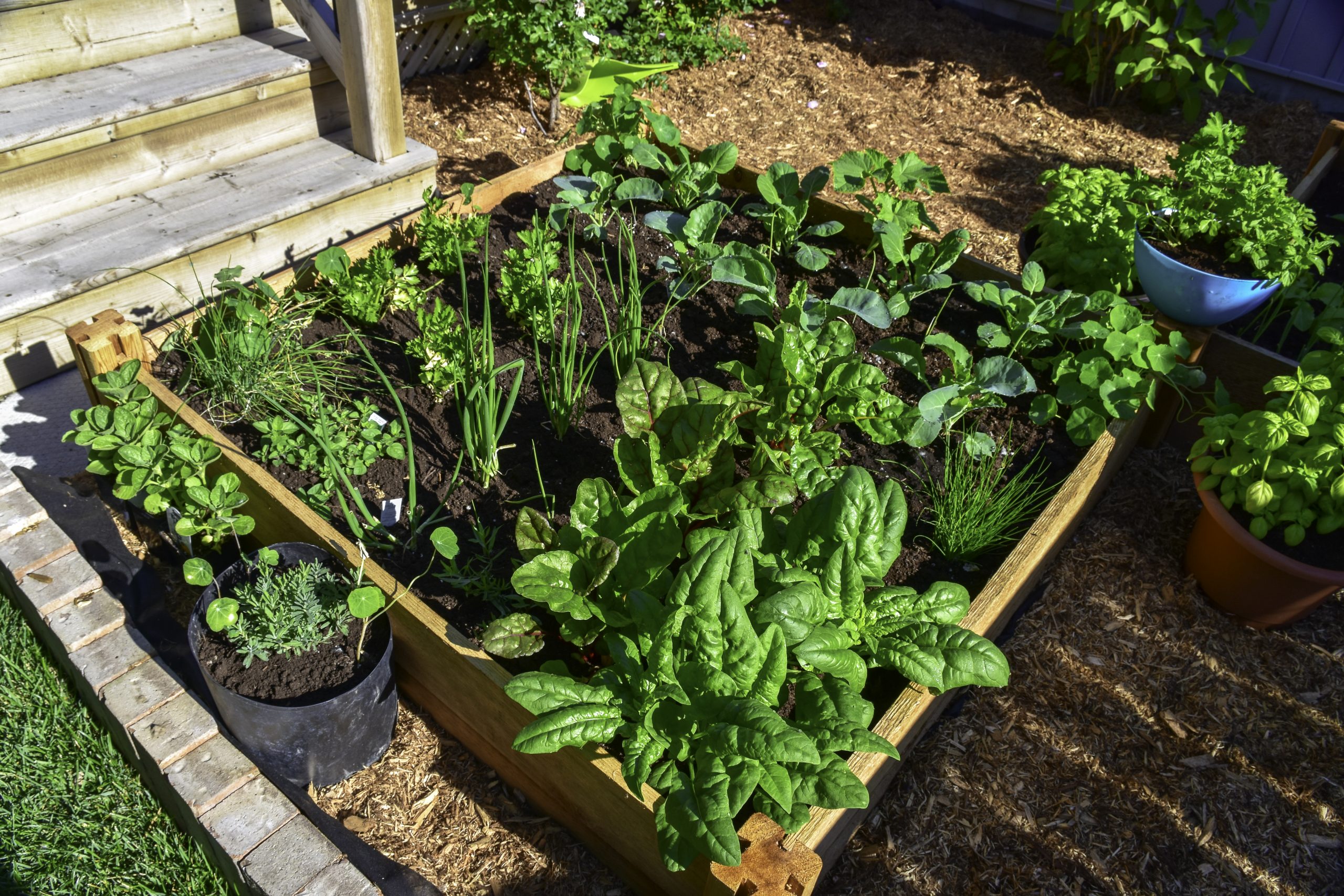
Credit: ryanlawn.com
Frequently Asked Questions
What Do You Put In The Bottom Of A Vegetable Container?
Place a layer of pebbles or gravel at the bottom for drainage. This prevents waterlogging and keeps roots healthy. You can also add a breathable liner for improved air circulation and moisture control.
How To Plant A Vegetable Garden In Containers?
Choose containers with drainage holes and fill them with quality potting soil. Select vegetable seeds or seedlings suitable for container gardening. Plant and water them regularly, ensuring adequate sunlight. Rotate containers for even growth and fertilize occasionally for healthy plants.
Monitor for pests and diseases.
What Is The Most Common Mistake Made With Container Plants?
The most common mistake with container plants is overwatering. It leads to root rot and plant stress. Always check soil moisture before watering. Ensure pots have proper drainage to prevent waterlogging. This helps maintain plant health and growth, avoiding common issues associated with excess water.
What Vegetables Can You Grow Together In A Container?
Grow tomatoes with basil and marigolds for pest control. Plant lettuce with radishes and carrots. Combine spinach, chard, and onions in a container. Peppers thrive with oregano and parsley. Use companion planting for better yield and healthier plants.
Conclusion
Creating a container vegetable garden is a rewarding experience. It offers fresh produce right at your doorstep. Start small, and enjoy the process. Choose the right containers for your plants. Ensure proper sunlight and regular watering. Use quality soil for healthy growth.
Be patient and watch your garden thrive. Experiment with different vegetables each season. Share your harvest with family and friends. Gardening brings joy and satisfaction. Feel proud of your green thumb skills. Enjoy the fruits of your labor. Gardening connects us with nature.
Keep growing and learning in your gardening journey.


