
Imagine stepping into your backyard and plucking fresh, crisp vegetables right off the vine. The taste, the aroma, the satisfaction of eating what you’ve grown—nothing quite compares.
But how do you get there? Planning a vegetable garden can seem overwhelming at first, but it doesn’t have to be. It’s about making the right choices tailored to your space, preferences, and lifestyle. You can turn your garden into a lush, productive haven with a few simple steps.
This guide will show you how to plan effectively, ensuring your garden not only thrives but also brings joy and abundance to your home. Ready to dig in and discover the secrets to a flourishing vegetable garden? Let’s get started!
Credit: www.fadaro.com
Choosing The Right Location
Choosing the right location is crucial for a thriving vegetable garden. A well-chosen spot ensures healthy growth and abundant harvests. Consider factors like sunlight, soil, and drainage before planting.
Sunlight And Shade Considerations
Most vegetables need at least six hours of sunlight daily. Find a spot with maximum exposure to sunlight. Observe the area’s shade patterns throughout the day. Avoid planting near tall buildings or trees that block light. Some leafy greens can tolerate partial shade. Plan accordingly to accommodate different vegetable needs.
Soil Quality And Drainage
Good soil is vital for healthy plants. Test the soil for nutrients and pH levels. Ensure it’s rich in organic matter. Well-drained soil prevents waterlogging, which harms roots. Avoid areas with clay-heavy or sandy soil. Consider raised beds if drainage is poor. This improves soil quality and prevents root rot. Proper drainage ensures roots access air and nutrients efficiently.
Determining Garden Size
Choosing the right garden size depends on available space and the number of vegetables you want to grow. Consider sunlight, soil quality, and accessibility to ensure healthy plants. Start small and expand as you gain experience.
Determining the right size for your vegetable garden is crucial. It affects how much you can grow and the effort needed. A well-sized garden ensures a bountiful harvest without overwhelming tasks. Let’s dive into key factors to help you decide the ideal garden size.Assessing Space Availability
Start by examining your yard for potential garden spots. Consider sunlight exposure, as most vegetables need six hours of sun daily. Measure the available area to understand your limits. Think about walkways and access for ease of maintenance. Note the proximity to water sources for convenient irrigation.Estimating Plant Requirements
Different vegetables need varying amounts of space to thrive. Research the space needs of your chosen plants. For instance, tomatoes require more space than lettuce. Make a list of your favorite vegetables and their space requirements. Plan your garden layout based on these needs. Keep in mind the growth patterns of each plant, like spreading vines or tall stalks.Selecting Vegetables To Grow
Choosing the right vegetables for your garden is crucial. It ensures a bountiful harvest and reduces gardening challenges. Consider factors like ease of growth and climate compatibility. This careful selection will lead to a more successful gardening experience.
Popular And Easy-to-grow Choices
Some vegetables are beginner-friendly and hardy. These include tomatoes, cucumbers, and lettuce. They are well-known for their adaptability and high yield. Tomatoes thrive in various soils and climates. Cucumbers require minimal care, growing quickly in warm conditions. Lettuce is versatile, growing in small spaces and cooler temperatures.
Consider root vegetables like carrots and radishes. They are easy to grow and have short growing cycles. Peas and beans also make great choices. They improve soil health by fixing nitrogen.
Climate And Season Compatibility
Understanding your local climate is essential for success. Some vegetables prefer cooler climates, like spinach and kale. These grow best in early spring or fall. Warm-weather crops include peppers and eggplants. They thrive in summer heat.
Check your area’s frost dates. This determines planting times for each vegetable. Use this information to schedule planting and harvesting. It ensures optimal growth and productivity.
Consider the length of your growing season. Some vegetables need longer periods to mature. Choose varieties that fit your regional conditions. This leads to healthier plants and abundant harvests.
Creating A Garden Layout
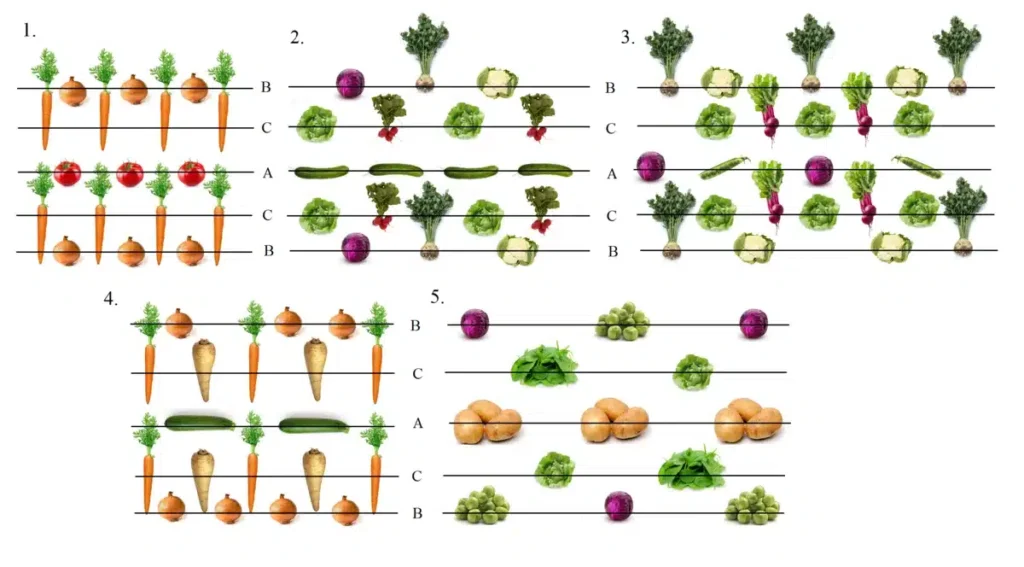
Designing a vegetable garden begins with assessing sunlight, soil quality, and space. Sketch a layout, considering plant heights and growth habits. Arrange plants for easy access and optimal growth, ensuring adequate spacing and companion planting for pest control.
Creating a garden layout is a critical step in ensuring a bountiful harvest from your vegetable garden. A well-thought-out plan not only maximizes your space but also enhances plant health and productivity. The layout you choose should reflect your garden’s unique characteristics and your personal preferences.Row Vs. Bed Planting
Choosing between row and bed planting depends on your garden size and the types of vegetables you wish to grow. Row planting is ideal for larger spaces, allowing for easy access and organization. It works well if you’re growing crops like corn or beans, which need space to flourish. On the other hand, bed planting is perfect for small gardens or raised beds. It promotes intensive planting, which maximizes yield in limited space. This method also improves soil health by reducing compaction and making it easier to manage weeds.Companion Planting Techniques
Companion planting is a fascinating technique that involves growing plants together that benefit each other. It’s like having a natural team of allies in your garden. For example, planting basil near tomatoes can enhance their flavor and repel pests. Consider adding marigolds around your vegetable beds. They deter harmful insects and add a splash of color to your garden. Have you ever wondered if your plants could help each other thrive? Companion planting can be your answer, fostering a symbiotic relationship that boosts growth and keeps pests at bay. Creating a garden layout is more than just organizing plants—it’s about fostering a thriving ecosystem. With the right approach, your vegetable garden can become a vibrant, productive space.Preparing The Soil
Preparing the Soil Ensure rich and healthy soil for a bountiful vegetable garden. Clear debris and loosen the ground. Mix in compost or well-rotted manure to boost nutrients. This foundation supports strong plant growth and a fruitful harvest.
Preparing the soil is a crucial step in planning a vegetable garden. Healthy soil is the foundation for thriving plants. It provides nutrients, air, and water to the roots. This section will guide you through testing and improving your soil. You’ll also learn about composting and mulching.Testing And Amending Soil
First, test your soil to know its condition. Use a simple home test kit. Check for pH, nutrients, and texture. This helps you understand what your soil needs. After testing, amend your soil based on the results. Add lime if the soil is too acidic. Use sulfur if it’s too alkaline. For nutrient-poor soil, add organic matter like compost. This will enrich the soil and improve its structure.Composting And Mulching Tips
Composting turns kitchen scraps into rich soil. Start a compost pile with vegetable peels and coffee grounds. Keep it moist and turn it regularly. In a few months, you’ll have nutrient-rich compost. Mulching helps retain soil moisture and controls weeds. Use organic mulch like straw or leaves. Spread it around your plants, leaving space around the stems. This protects the plants and enriches the soil as it breaks down. By preparing your soil properly, you set the stage for a healthy garden. Your vegetables will grow strong and tasty. Happy gardening!Planting And Sowing Seeds
Creating a thriving vegetable garden starts with planting and sowing seeds. Understanding the best practices ensures healthy growth and a bountiful harvest. This section covers crucial aspects of timing, spacing, and the choice between starting seeds indoors or direct sowing.
Timing And Spacing Guidelines
Timing matters in gardening. Each vegetable has its ideal planting season. Check seed packets for specific months. Spring and fall are common planting times.
Spacing affects plant health. Crowded plants compete for nutrients. Follow spacing instructions on seed packets. Use a ruler for precise measurements.
Consider plant size at maturity. Tall plants need more space. Smaller plants can be closer together. Proper spacing reduces disease risk.
Starting Seeds Indoors Vs. Direct Sowing
Starting seeds indoors gives a head start. Use trays or pots. Place them in a sunny spot. Ensure consistent watering.
Direct sowing involves planting seeds directly in the soil. It’s simpler but depends on weather conditions. Choose this method for hardy plants.
Both methods have pros and cons. Indoor starting works well for long-growing seasons. Direct sowing suits quick growers.
Evaluate your climate and plant type. Indoor seeds need transplanting, which can stress plants. Direct sowing skips this step.
Decide based on resources and garden goals. Balance efficiency and convenience for best results.
Watering And Irrigation
Effective watering techniques ensure healthy growth. Install drip systems for precise irrigation. Consider soil type and climate for optimal results.
Watering and irrigation are crucial for a thriving vegetable garden. Properly watering your plants keeps them healthy and productive. Understanding how to efficiently manage water helps conserve resources and saves time.Establishing A Watering Schedule
Creating a consistent watering schedule is key. Determine how often your plants need water by observing them. Check soil moisture regularly. Water early in the morning or late afternoon. This reduces evaporation. Adjust the schedule based on weather and seasons. Rainy days may require less watering. During dry spells, plants need more frequent watering.Efficient Irrigation Systems
Choose the right irrigation system for your garden. Drip irrigation is ideal for targeting roots. It minimizes water waste. Sprinklers cover larger areas but may lead to evaporation. Soaker hoses deliver water directly to soil. They’re efficient for rows of plants. Consider installing rain barrels to collect water. Use this stored water for irrigation. This method is eco-friendly and reduces water bills.Pest And Disease Management
Effective pest and disease management is essential for a thriving vegetable garden. Choose disease-resistant plants and rotate crops yearly. Regularly inspect plants for signs of pests or disease to address issues early.
Planning a vegetable garden is an exciting venture, but it comes with its challenges. One of the most significant hurdles you’ll encounter is managing pests and diseases. Without proper management, these uninvited guests can wreak havoc on your plants, leaving you with a disappointing harvest. Embracing effective pest and disease management strategies will ensure your garden flourishes, offering you a bountiful yield.Identifying Common Pests
Recognizing the pests in your garden is the first step towards effective management. Common culprits include aphids, slugs, and caterpillars. Each pest leaves unique signs, such as holes in leaves, sticky residue, or tiny black dots. Pay close attention to these signs during your routine garden checks. Use a magnifying glass to inspect the undersides of leaves where pests often hide. Keeping a garden journal with notes and pictures can help track pest activity over time.Organic Control Methods
Organic methods are a safe and environmentally friendly way to manage pests. One effective technique is companion planting, where certain plants are grown together to deter pests. For example, marigolds can repel nematodes, while basil may help keep mosquitoes at bay. Another method is using natural predators. Ladybugs, for instance, are voracious eaters of aphids. Encourage these beneficial insects by planting flowers like dill or fennel. You can also make homemade sprays using ingredients like garlic or neem oil. These sprays can be applied directly to affected plants to deter pests. Always test a small area first to ensure there is no damage to your plants. How do you deal with garden pests? Consider sharing your experiences and tips with fellow gardeners. Engaging with a community can offer new insights and solutions you might not have considered.Maintaining Garden Health
Planning a vegetable garden ensures healthy growth and bountiful harvests. Choose the right location with adequate sunlight. Consider soil quality, drainage, and accessibility for regular care.
Maintaining a vegetable garden’s health is crucial for a bountiful harvest. Healthy gardens produce vibrant vegetables, resist pests, and thrive throughout the seasons. It requires regular care and attention. This involves weeding, pruning, and staking. These practices ensure optimal growth and productivity.Regular Weeding Practices
Weeds compete with plants for nutrients and water. Regular weeding keeps them at bay. Identify weeds early and remove them promptly. Use a hoe or your hands for small spaces. Mulching helps prevent weed growth. It conserves moisture and regulates soil temperature. Consistent weeding promotes healthy soil. This leads to strong vegetable growth.Pruning And Staking Techniques
Pruning encourages plant growth and fruit production. Remove dead or crowded branches. This allows sunlight to reach all parts of the plant. Staking supports tall or heavy plants. Use stakes for tomatoes and beans. Tie plants gently to stakes with soft material. This prevents breakage and maintains growth direction. Proper pruning and staking contribute to a flourishing garden.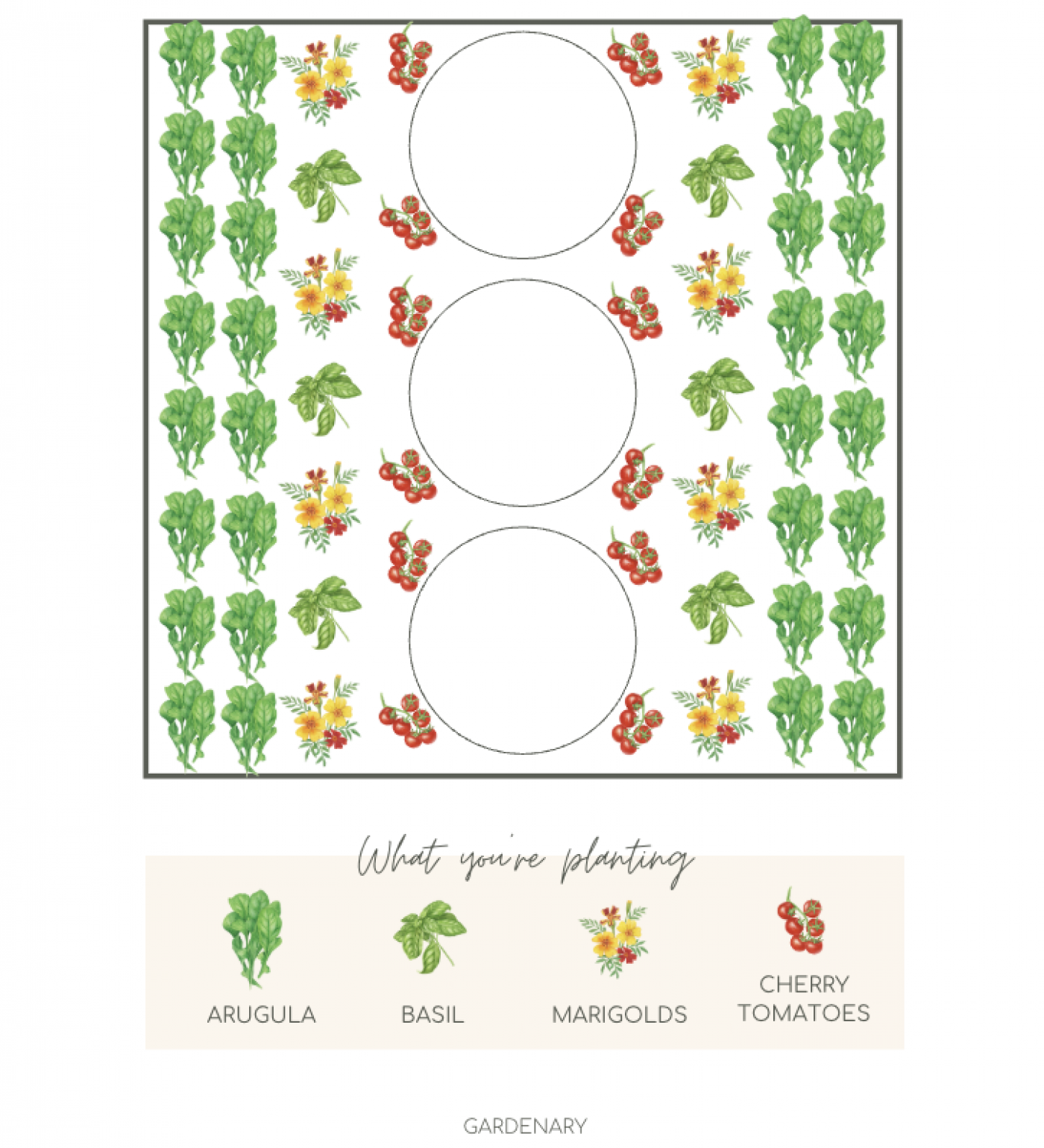
Credit: www.gardenary.com
Harvesting And Storage
Harvesting and Storage Plan your vegetable garden for efficient harvesting and storage. Pick vegetables at their peak for the best taste. Store them properly to keep them fresh for longer periods.
Planning a vegetable garden is a rewarding endeavor, but the real excitement comes with harvesting and storing your produce. This phase is crucial because it allows you to enjoy the fruits of your labor long after the growing season ends. Understanding when and how to harvest your vegetables, as well as proper storage techniques, will ensure you get the most out of your garden.Signs Of Ripeness And Readiness
Knowing when your vegetables are ripe is essential to achieving the best flavor and texture. Look for visual cues; tomatoes should be deep red, cucumbers bright green, and carrots vibrant orange. Feel the texture. A ripe zucchini will be firm yet tender, while a ripe bell pepper will be crisp. Taste test is your best friend. Sample a piece to check if it meets your expectations. Sometimes a small taste can reveal if it’s the perfect time to pick. Timing is everything. Harvesting in the morning can be beneficial, as vegetables are usually crisper and more hydrated after the cool night.Proper Storage Methods
Storage is key to extending the life of your vegetables. Consider these methods: – Refrigeration: Leafy greens, carrots, and broccoli thrive in the cold. Store them in perforated bags to maintain moisture and prevent wilting. – Root Cellar: Ideal for potatoes, onions, and garlic. A cool, dark place with consistent humidity keeps them fresh for months. – Freezing: Preserve the nutritional value by blanching vegetables like peas and corn before freezing. – Drying: Herbs like basil and thyme can be dried and stored in jars, preserving their flavor for cooking. Think about your consumption habits. Are you likely to use more fresh or frozen produce? This can guide your storage decisions. Ultimately, the way you harvest and store your vegetables impacts your overall gardening experience. Are you ready to enjoy the bounty of your efforts year-round?
Credit: savvygardening.com
Frequently Asked Questions
How Should I Layout My Vegetable Garden?
Plan your vegetable garden with rows or raised beds for easy access. Group plants by sunlight and water needs. Consider companion planting for pest control and nutrient balance. Leave space for walking paths. Rotate crops annually to maintain soil health and prevent disease.
How To Start A Vegetable Garden For Beginners Step By Step?
Begin by selecting a sunny spot and preparing the soil. Choose easy-to-grow vegetables like tomatoes and lettuce. Plant seeds or seedlings, then water regularly and maintain weed control. Fertilize as needed for growth. Monitor plants for pests and diseases, ensuring a healthy garden.
Which Vegetables Grow Well Together Chart?
Companion planting enhances vegetable growth. Tomatoes pair well with basil and carrots. Cucumbers thrive with beans and radishes. Lettuce benefits from growing alongside carrots and radishes. Spinach complements strawberries and peas. Research companion planting charts for optimal vegetable pairings.
What Month Should You Start A Vegetable Garden?
Start a vegetable garden in early spring. This is ideal for most regions to ensure optimal growth. Choose March or April when the frost risk is low. Check local climate conditions for precise timing. Prepare soil and gather seeds beforehand for successful planting.
Conclusion
Planting a vegetable garden offers joy and fresh produce. Start small. Choose vegetables you love. Check sunlight and soil quality. Use compost for healthy plants. Water regularly, but don’t overdo it. Keep an eye on pests. Enjoy watching your garden grow.
Share your harvest with family and friends. Gardening connects you with nature. It’s relaxing and rewarding. Celebrate each little sprout and harvest. Garden planning becomes simple with practice. Soon, you’ll have a garden to be proud of. Happy planting!


