Imagine stepping outside your door to pick fresh, crisp vegetables right from your own garden. It’s not just a dream; it can be your reality.
Creating a vegetable garden is easier than you might think, and it offers more than just delicious produce. It’s your ticket to a healthier lifestyle, a boost in mental well-being, and a wonderful way to reduce your carbon footprint. Are you ready to transform your backyard into a thriving garden that not only saves you money but also fills your meals with unmatched flavor?
In this guide, you’ll discover simple steps to start your own vegetable garden, no green thumb required. From choosing the best spot to selecting the right plants, you’ll learn everything you need to know to cultivate a flourishing garden that keeps giving back. Dive in, and let’s get your hands in the soil—you’ll be amazed at what you can grow!
Choosing The Right Location
Selecting the perfect spot for your vegetable garden ensures healthy growth. Aim for a sunny location with well-draining soil. Avoid areas prone to waterlogging to prevent root damage.
Choosing the right location for your vegetable garden is crucial. It can determine the success of your gardening efforts. A well-chosen spot can lead to healthy plants and a bountiful harvest. Consider factors such as sunlight, soil, and accessibility. Each element plays a vital role in plant growth.Sunlight Requirements
Vegetables need sunlight to grow and thrive. Most vegetables require at least six hours of direct sunlight each day. Observe your yard to find sunny spots. Avoid shaded areas from trees or buildings. Sunlight helps plants photosynthesize and produce energy. Without enough light, plants may become weak and yield less.Soil Quality
Good soil is the foundation of any garden. Check the soil for drainage and fertility. Well-draining soil prevents waterlogging and root rot. Rich soil contains nutrients essential for plant growth. Test soil pH to ensure it’s suitable for vegetables. Amend the soil with compost to improve its quality. Healthy soil leads to strong plants and abundant crops.Planning Your Garden Layout
Designing a vegetable garden involves choosing the right spot with enough sunlight. Ensure the soil is rich and well-draining. Group vegetables based on their water and sunlight needs for optimal growth.
Planning your vegetable garden layout is crucial for a thriving harvest. Thoughtful planning ensures efficient use of space and resources. It also aids in managing plant growth and optimizing yields. Begin by assessing your available space and sunlight. This helps determine the best layout for your garden. Let’s explore key considerations for garden layout.Raised Beds Vs. In-ground
Raised beds offer several advantages. They improve drainage and soil quality. They also make gardening easier on your back. You can control the soil composition better. Raised beds are ideal for areas with poor soil. They can be constructed from wood, stone, or brick. In-ground gardens are more traditional. They use the natural soil of your yard. This option requires less initial setup. It’s cost-effective and easy to expand. Choose based on your soil quality and preference.Space Optimization
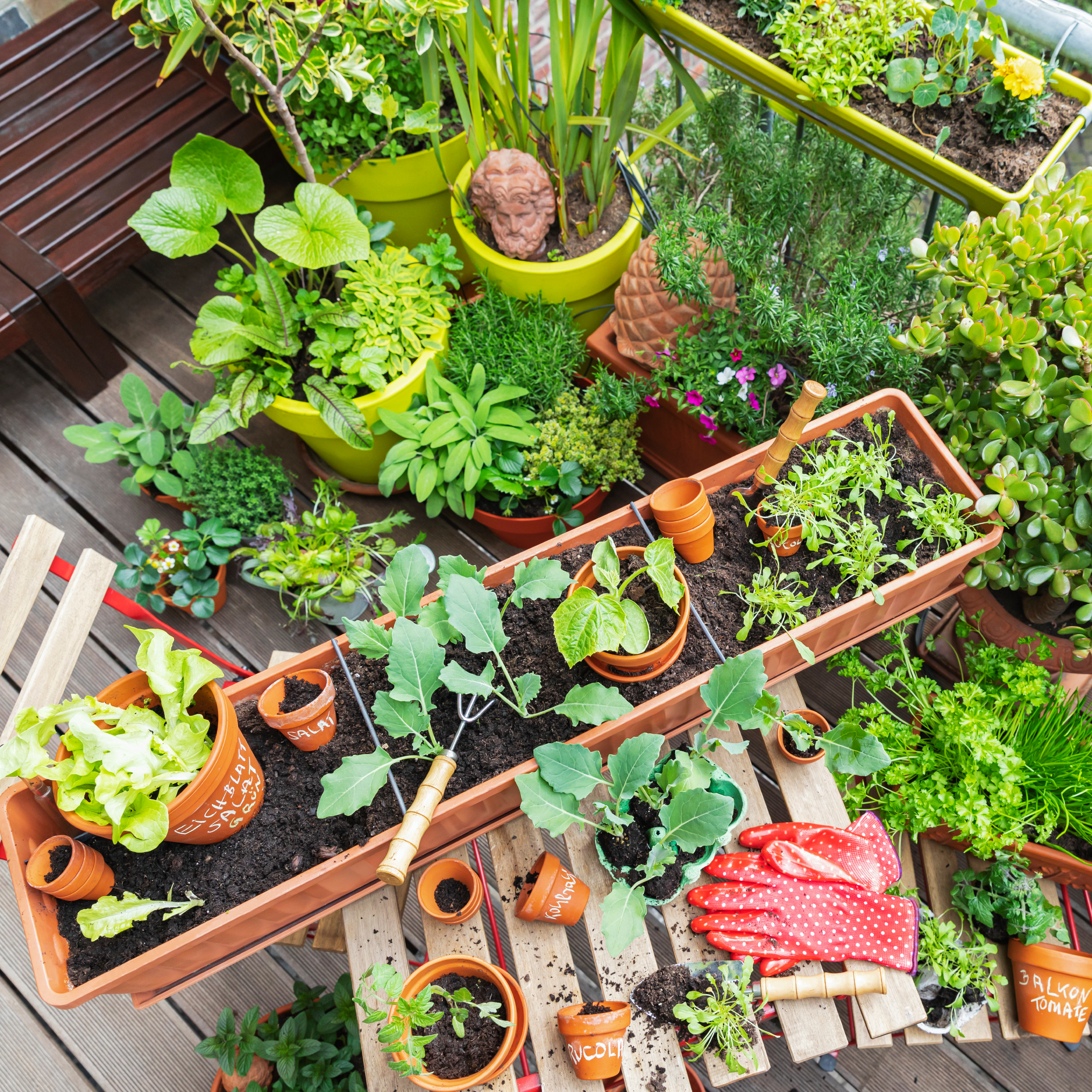
Space optimization is essential for a productive garden. Consider vertical gardening for small spaces. Use trellises or vertical planters. They allow plants to grow upwards. This saves ground space and increases yield. Companion planting maximizes space. Plant compatible crops together. They share resources and deter pests. Use pathways wisely. Ensure easy access to plants for maintenance. Plan for future growth. Leave room for expansion as your garden flourishes.Selecting The Best Vegetables
Choosing the right vegetables for your garden is crucial for a bountiful harvest. The selection process involves understanding your environment, knowing your skill level, and considering your taste preferences. Let’s dive into some practical tips on how to pick the best vegetables for your garden.
Climate Considerations
Your local climate plays a significant role in determining which vegetables will thrive in your garden. Do you live in a region with hot summers or chilly winters? This will affect your plant choices.
- Warm climates are ideal for tomatoes, peppers, and cucumbers.
- Cooler climates favor vegetables like kale, broccoli, and spinach.
Research your area’s growing season and average temperatures. Check the USDA plant hardiness zone map to understand what grows best in your region.
Beginner-friendly Options
If you’re new to gardening, starting with easy-to-grow vegetables can make the process more enjoyable. You want to see success early to stay motivated.
- Lettuce:Quick growing and can be harvested multiple times.
- Radishes:Fast maturity with little maintenance.
- Beans:High yield with minimal effort.
These vegetables require minimal care and offer fast results. Are there vegetables you love but seem challenging? Start with these beginner-friendly options and gradually expand your garden skills.
Remember, the best vegetables for your garden are ones that suit your climate, skill level, and taste. Happy gardening!
Preparing The Soil
Preparing the soil is vital for a healthy vegetable garden. Begin by clearing weeds and debris. Then, loosen the soil to improve drainage and air flow. Add compost to enrich nutrients, ensuring plants thrive.
Preparing the soil is the foundational step in creating a thriving vegetable garden. The soil is the bedrock of your garden’s health, influencing everything from plant growth to the flavor of your vegetables. Just like painting on a clean canvas, your soil needs to be in top condition to nurture your plants effectively. The journey to a successful garden begins with understanding and improving the soil quality beneath your feet.Testing Soil Health
Before planting, it’s crucial to assess your soil’s health. A simple soil test can reveal its pH level and nutrient content, guiding you on what amendments might be needed. You can obtain a soil testing kit from a local garden center or send a sample to a lab for a detailed analysis. Knowing your soil’s pH level is essential since it affects nutrient availability. Most vegetables prefer a slightly acidic to neutral pH, around 6.0 to 7.0. Adjusting the pH can be as simple as adding lime to raise it or sulfur to lower it.Enhancing Fertility
Once you know your soil’s condition, enhancing its fertility becomes your next task. Adding organic matter like compost or well-rotted manure can significantly improve soil structure and nutrient content. This not only enriches the soil but also improves drainage and root penetration. Consider using a balanced organic fertilizer to provide essential nutrients like nitrogen, phosphorus, and potassium. Each of these nutrients plays a specific role in plant health, such as promoting strong growth or enhancing root development. Have you thought about creating a compost bin at home? It’s an excellent way to recycle kitchen scraps and yard waste, turning them into a rich soil amendment for your garden. As you prepare your soil, remember that each small improvement you make can lead to a bountiful harvest.Planting Techniques
Planting techniques are vital for a thriving vegetable garden. Knowing the right methods ensures healthy growth and abundant harvests. These techniques vary based on the type of vegetable and garden conditions. Let’s explore two primary methods: sowing seeds and transplanting seedlings.
Sowing Seeds
Sowing seeds directly into the soil is simple and effective. First, prepare your soil by loosening it and removing weeds. Use a rake to create a smooth surface. Next, check the seed packet for spacing and depth instructions. Plant seeds at the recommended depth. Cover them lightly with soil and water gently. Keep the soil moist, but not soaked. Within days, tiny sprouts will appear.
Transplanting Seedlings
Transplanting seedlings offers a head start on the growing season. Begin by selecting healthy seedlings from a nursery or start your own indoors. Harden off seedlings by gradually exposing them to outdoor conditions. This process takes about a week. Choose a cloudy day for transplanting. Dig holes slightly larger than the root ball. Carefully remove seedlings from their containers, handling them by the leaves. Place them in the holes, covering the roots with soil. Water thoroughly to settle the soil around the roots.
Watering And Irrigation
Efficient watering and irrigation are crucial for a thriving vegetable garden. Use drip systems or soaker hoses to deliver water directly to plant roots, minimizing waste and ensuring optimal growth.
Watering and irrigation are crucial for a thriving vegetable garden. Proper water management ensures your plants grow strong and healthy. It’s important to balance water quantity and timing to prevent root rot or dehydration. This section will guide you on setting an effective watering schedule and exploring efficient methods.Setting A Schedule
Establishing a consistent watering schedule helps maintain plant health. Watering in the early morning is ideal. It allows plants to absorb moisture before the sun evaporates it. Evening watering can be beneficial too. This prevents water loss but may encourage fungal growth if done excessively. Check the soil moisture regularly. This helps to adjust your schedule based on weather conditions. Use your finger to test soil dampness. If it feels dry, it’s time to water.Efficient Watering Methods
Using efficient watering methods saves time and resources. Drip irrigation systems are effective. They deliver water directly to the roots. This minimizes waste and ensures each plant receives adequate moisture. Soaker hoses are another option. They distribute water evenly across your garden bed. This helps maintain consistent moisture levels. Watering cans offer control for smaller gardens. They allow you to target specific plants that need extra attention. Always aim for deep watering. This encourages roots to grow deeper and stronger.Pest And Disease Management
Ensure healthy vegetable growth by managing pests and diseases. Regularly inspect plants for signs of trouble. Use natural remedies or organic pesticides to protect your garden.
Pest and disease management is crucial for maintaining a healthy vegetable garden. Unwanted critters can turn your green paradise into a battlefield, but fear not. With a little knowledge and some preventive measures, you can keep your plants thriving. Let’s dive into how you can manage pests and diseases effectively in your garden.Identifying Common Pests
Understanding the enemy is half the battle. Start by familiarizing yourself with common garden pests such as aphids, caterpillars, and slugs. Aphids are tiny and often congregate on the underside of leaves, sucking the life out of your plants. Caterpillars might seem harmless, but they can chew through leaves rapidly. Slugs are notorious for their nocturnal raids. You might notice their slimy trails in the morning. Be vigilant and check your plants regularly. Early detection can save your garden from extensive damage. Have you ever spotted a pest and wondered what it is? Snap a photo and use online resources to identify it quickly.Natural Remedies
Once you’ve identified the culprits, it’s time to act. Consider using natural remedies that won’t harm your plants or the environment. A simple soap and water solution can deter aphids. Mix a few drops of dish soap with water in a spray bottle and apply directly to the affected areas. For slugs, try setting traps with beer. Yes, you heard right! Fill a shallow container with beer and place it near affected plants. Slugs are attracted to the yeast and will drown in the liquid. Caterpillars can be hand-picked if you have a small garden. It might sound tedious, but it’s effective. Alternatively, introduce beneficial insects like ladybugs and lacewings to your garden. They are natural predators and will help keep pest populations in check. What natural solutions have you tried in your garden? Share your experiences or experiment with these methods to see what works best for you. Keeping pests at bay doesn’t always require harsh chemicals.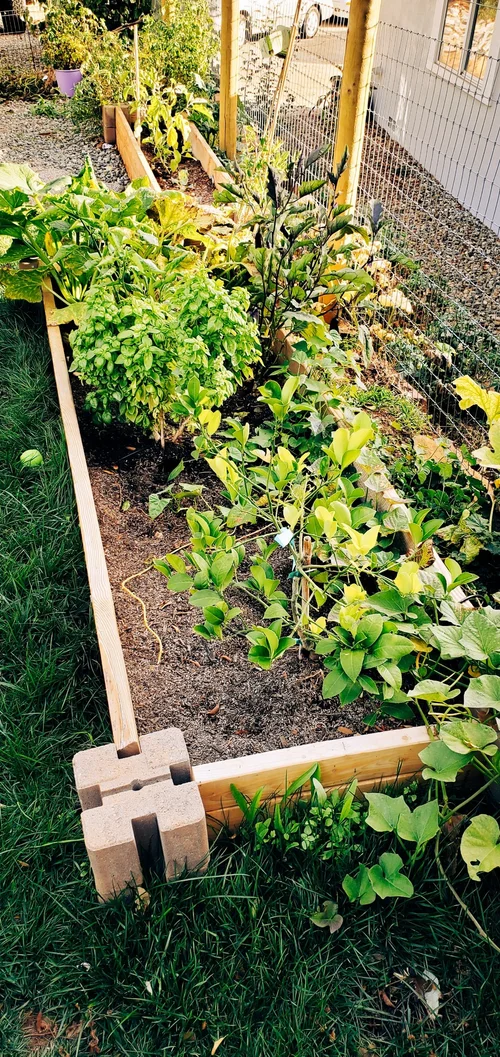
Credit: bessieroaming.com
Maintaining Your Garden
Creating a vegetable garden requires planning and care. Start with choosing a sunny spot and prepare the soil well. Plant seeds or seedlings, water them regularly, and watch them grow. Regular maintenance like weeding and pest control ensures a bountiful harvest.
Enjoy fresh vegetables straight from your garden.
Maintaining your garden is vital for a healthy vegetable patch. Consistent care ensures vibrant growth and bountiful harvests. Keeping your garden in top shape requires attention and a few simple tasks. Let’s explore some key maintenance activities.Regular Weeding
Weeds compete with your vegetables for nutrients and water. Remove them regularly to promote healthy plant growth. Use a hoe or your hands to pull out weeds. Focus on the roots to prevent regrowth. Weeding after rain makes the task easier. Wet soil loosens weed roots for easy removal. Set a routine to keep your garden weed-free.Pruning And Harvesting
Pruning helps plants grow better by removing dead or excess parts. Trim leaves that block sunlight or airflow to other plants. This enhances growth and reduces disease risk. Harvest vegetables at their peak for the best flavor and quality. Check your garden daily for ripe produce. Regular harvesting encourages plants to keep producing. Use sharp scissors or knives to avoid plant damage.Seasonal Garden Care
Seasonal garden care is crucial for maintaining a thriving vegetable garden throughout the year. Understanding the unique needs of your garden during each season ensures that your plants are healthy and productive. This approach not only keeps your garden vibrant but also makes gardening a more enjoyable and rewarding experience.
Preparing For Winter
As the colder months approach, it’s essential to prepare your vegetable garden for winter. Start by clearing out any dead plants and debris. This prevents disease and pests from overwintering in your garden.
Mulching is another vital step. Adding a layer of mulch helps insulate your soil, maintaining its temperature and moisture. This simple act can make a significant difference in protecting your plants’ roots.
Consider planting winter crops like garlic and onions. They can withstand the cold and will be ready to harvest in the spring. Isn’t it exciting to have a winter garden that still produces?
Spring Start-up Tips
With spring’s arrival, it’s time to rejuvenate your garden. Begin by checking your soil’s health. A soil test can tell you what nutrients your garden needs.
As the soil warms, start planting early crops like peas and spinach. These hardy vegetables thrive in cooler temperatures and give you an early harvest.
Don’t forget to plan for succession planting. This technique ensures a continuous harvest throughout the season. Why limit yourself to one crop when you can enjoy a variety all season long?
Credit: www.gardeningknowhow.com

Credit: www.hyanniscountrygarden.com
Frequently Asked Questions
How To Make A Vegetable Garden For Beginners?
Start small by choosing a sunny spot. Prepare soil with compost. Select easy-to-grow vegetables like tomatoes and lettuce. Plant seeds or seedlings with proper spacing. Water regularly and remove weeds for a healthy garden.
What Month Should You Start A Vegetable Garden?
Start your vegetable garden in early spring for most climates. March or April is ideal for planting. Check your local frost dates and plant after the last frost for best results. Warmer regions can start earlier, while colder areas might need to wait until later in spring.
What Is A Good Layout For A Vegetable Garden?
A good vegetable garden layout includes raised beds, proper spacing, and companion planting. Ensure adequate sunlight and easy access. Arrange taller plants on the north side to prevent shading shorter ones. Use paths for convenient maintenance. Rotate crops annually to enhance soil health and reduce pests.
What Is The Most Common Mistake Of First Time Gardeners?
First-time gardeners often overcrowd plants, limiting growth and airflow. Research plant spacing requirements before planting.
Conclusion
Creating your own vegetable garden is a rewarding journey. You learn as you plant, nurture, and harvest. It brings fresh produce to your table and joy to your heart. Start small, and watch your garden grow. Enjoy the process and the fruits of your labor.
Gardening connects you with nature and provides peace. You gain skills and a healthier lifestyle. Patience and care are your best tools. Ready to dig in? Grab your seeds and start today. Your garden awaits your touch. Happy gardening!