
Imagine transforming your backyard into a lush oasis filled with fresh vegetables and vibrant flowers, all without spending a fortune. Raised garden beds from pallets offer a cost-effective and eco-friendly solution to elevate your gardening game.
With just a few simple steps, you can turn ordinary pallets into the perfect foundation for your flourishing plants. Intrigued? You should be. Not only will you be saving money, but you’ll also be making a positive impact on the environment by repurposing wood that might otherwise go to waste.
Plus, these garden beds are a breeze to assemble, even if you’re not a DIY expert. Keep reading to discover how you can create your own raised garden beds from pallets and start reaping the rewards of your sustainable gardening efforts.

Credit: www.youtube.com
Materials Needed
Gather wooden pallets, a saw, drill, screws, and a measuring tape. Include soil, plants, and a shovel. Ensure safety gear like gloves and goggles is available.
Creating raised garden beds from pallets is an eco-friendly project. It allows you to recycle wood while enjoying gardening. Before you start, gather the necessary materials. This ensures a smooth building process. Here is a detailed list of materials you’ll need.
Wood Pallets
Select sturdy, untreated wood pallets. Ensure they are free from chemical treatments. Choose pallets with good structural integrity. You’ll need two to four pallets, depending on bed size.
Hammer And Nails
A reliable hammer is essential. Use nails to secure the pallets together. Ensure the nails are long and rust-resistant. This will help in maintaining structure.
Saw
A saw is needed to cut pallets. A hand saw or electric saw works fine. Choose based on your comfort and skill level.
Measuring Tape
Accurate measurements are vital. A measuring tape helps in marking precise cuts. Ensure you measure twice before cutting.
Drill And Screws
Use a drill for stronger assembly. Screws provide additional support. Opt for rust-proof screws for durability.
Landscape Fabric
This prevents weeds from growing. Line the bottom with fabric. It also improves soil drainage.
Soil And Compost
Fill the bed with quality soil. Mix in compost for nutrient-rich soil. This helps plants grow healthy and strong.
Protective Gear
Safety is important. Wear gloves and goggles. Protect your hands and eyes while working.
Optional: Wood Sealant
Sealant extends the life of your pallets. It protects against weather damage. This is optional but recommended. Gather these materials before you start. This will make the process smooth and enjoyable. Happy gardening!

Credit: www.youtube.com
Choosing The Right Pallets
Choosing the Right Pallets Select untreated, sturdy pallets to ensure safety and durability. Check for signs of damage or contamination. Properly chosen pallets create a solid foundation for raised garden beds.
Choosing the right pallets is crucial when you’re planning to make raised garden beds. Not all pallets are created equal, and selecting the wrong ones can lead to disappointing results. Let’s delve into the factors you should consider when picking pallets for your gardening project.
Identify Safe Pallets
Before using any pallet, ensure it’s safe for gardening. Look for pallets marked with “HT,” which stands for heat-treated. These are free from harmful chemicals. Avoid pallets with “MB” stamped on them, as they are treated with methyl bromide, a toxic pesticide.
Check For Sturdiness
Examine the pallets for sturdiness. A weak pallet can crumble under the weight of soil and plants. Test the strength by applying pressure on the boards and joints. Choose pallets that feel solid and robust.
Inspect For Damage
It’s important to inspect pallets for any signs of damage. Look for cracks, broken boards, or missing slats. Damaged pallets may not hold up well and can compromise the integrity of your raised garden bed.
Consider The Size
Think about the size of the pallets. Larger pallets can be cut down to create uniform garden beds, while smaller ones might need to be combined. Measure your garden space and select pallets that fit your design plan.
Source Responsibly
Consider where you’re sourcing your pallets from. Check with local businesses, garden centers, or warehouses. Sometimes, they give away pallets for free. Make sure they haven’t been used to transport hazardous materials. Choosing the right pallets requires a keen eye and a bit of patience. Have you ever found the perfect pallet in an unexpected place? Keep your eyes open and share your experiences in the comments!
Tools Required
Gather a hammer, saw, and drill to assemble the pallets for garden beds. Sandpaper smooths edges, while a tape measure ensures precise cuts. Protective gloves and goggles are essential for safety during construction.
Creating raised garden beds from pallets is a rewarding project. It requires a few essential tools to ensure the process is smooth and efficient. These tools are crucial for breaking down the pallets and assembling your garden beds. Let’s explore the tools you’ll need for this DIY adventure.
Hammer And Pry Bar
A hammer and pry bar are indispensable for dismantling the pallets. The hammer helps loosen nails, while the pry bar separates the wood pieces. These tools make breaking down pallets easier and faster.
Drill And Screws
A drill is necessary for securing the pieces together. Use screws to firmly hold the wood in place. This ensures your garden beds are sturdy and durable.
Measuring Tape
Accuracy is key in building raised garden beds. A measuring tape helps you measure wood pieces precisely. This ensures your beds have uniform dimensions.
Saw
A saw is essential for cutting the pallets. It allows you to trim wood to the desired size. Choose a saw that you are comfortable using for clean cuts.
Safety Gear
Safety gear is crucial when working with tools. Wear gloves to protect your hands. Safety glasses shield your eyes from debris.
Safety Precautions
Ensure gloves are worn to protect hands from splinters while handling pallets. Secure sturdy tools and inspect pallets for nails or sharp edges to avoid injuries.
When creating raised garden beds from pallets, safety is crucial. Pallets can have rough surfaces and sharp edges. It’s essential to handle them with care. Knowing the right precautions ensures a safer gardening project.
Inspect Pallets For Safety
Check pallets for splinters or nails. Remove any protruding nails. Look for damaged boards. Ensure each pallet is sturdy and intact.
Wear Protective Gear
Use gloves to protect hands from splinters. Wear safety goggles when cutting pallets. A dust mask is useful for sanding tasks.
Choose Safe Pallets
Not all pallets are safe for gardening. Look for pallets marked with “HT” for heat-treated. Avoid pallets with “MB” as they contain chemicals.
Use Proper Tools
Ensure tools are in good condition. Use a hammer and crowbar for disassembly. A power drill helps with assembling pieces.
Work In A Safe Environment
Work in a well-lit area. Ensure your workspace is clutter-free. Keep children and pets away while working. Taking these steps will help you build safely. Your garden will be ready for planting in no time.
Preparing The Pallets
Preparing the pallets involves selecting sturdy and untreated wood. Clean the pallets thoroughly to remove dirt or debris. Ensure the pallets are in good condition, free from harmful chemicals, and ready for use in the garden.
Preparing pallets for raised garden beds is an essential task. Proper preparation ensures your garden beds last longer. It also guarantees safe and healthy growth for your plants. Begin by inspecting each pallet thoroughly. Then clean the wood carefully. Follow these steps to get your pallets ready for use.
Inspecting For Damage
Check each pallet for signs of damage. Look for broken or split wood pieces. Damaged pallets can compromise the structure of your garden beds. Remove any nails or sharp objects. These can be hazardous during assembly. Ensure the wood is free from rot. Rot can spread quickly in a garden setting.
Cleaning The Wood
Begin by scrubbing the pallets with a stiff brush. Remove dirt, mold, and debris. Use a mixture of water and mild soap for cleaning. Rinse the wood thoroughly to remove soap residue. Allow the pallets to dry completely before use. Dry wood is easier to work with. It also prevents mold growth.
Designing The Garden Bed
Transform old pallets into practical raised garden beds. These wooden platforms create sturdy structures for growing plants. Arrange the pallets, secure them together, and fill them with soil for a sustainable gardening solution.
Designing a garden bed with pallets can be a fun project. It allows creativity and customization for your garden space. This section will guide you through the process of designing your raised garden bed. With pallets, you can create a unique, functional garden.
Determining Size And Shape
The size of your garden bed depends on available space. Measure the area where you plan to place the bed. Consider how much you want to grow and the types of plants. Decide on a shape that complements your garden. Rectangular beds are simple and efficient. Square or L-shaped beds offer more design flexibility.
Sketching The Layout
Begin sketching your garden bed layout. Use graph paper for precise measurements. Draw the bed in your chosen shape and size. Plan where each pallet piece will fit. Ensure stability and balance in your design. Mark areas for soil and plants. Visualize the final look before construction. This helps in organizing materials and avoiding mistakes.
Disassembling The Pallets
Disassembling pallets is the first step in making raised garden beds. Carefully remove nails and separate the wood. Use a pry bar and hammer for efficient disassembly.
Disassembling pallets is the first step to creating raised garden beds. Pallets provide a cost-effective and sustainable source of wood. Each piece has its own unique character and story. By carefully taking them apart, you can preserve the wood for use in your garden bed project. This process requires some patience and the right tools.
Removing Nails
The first task is removing nails from the pallets. A claw hammer or pry bar works best for this. Gently pry each nail out to avoid damaging the wood. Be careful with your hands to prevent injury. Keep a firm grip and steady pressure. This ensures the nails come out smoothly. Collect the nails in a container for recycling or disposal.
Sorting The Wood
After removing the nails, sort the wood pieces by size and condition. Examine each board for cracks or rot. Set aside any damaged pieces for other uses or disposal. This sorting helps in planning your garden bed layout. Organize the good pieces by length and width. This makes it easier to design and build your raised beds. The sorted wood is now ready for the next steps in your garden project.
Building The Frame
Arrange pallets to form a rectangle, securing them with screws. Ensure corners are tightly joined for stability.
Building a raised garden bed from pallets is an eco-friendly project. Pallets are affordable and easy to find. Creating the frame is a crucial step. It provides structure and stability. With a few simple steps, you can build a sturdy base. This guide will walk you through the process.
Assembling The Base
Start by selecting pallets in good condition. Look for solid wood with no cracks. Disassemble the pallets using a pry bar. Remove all nails carefully. Lay the wood pieces on a flat surface. Arrange them into a rectangular shape. Ensure the boards are evenly spaced. Use a tape measure for accuracy. Secure the boards together with screws. A power drill makes this step easier. The base should feel solid and stable. The size of the base can be adjusted. Consider the space available in your garden.
Securing The Corners
Corners need extra support for stability. Use additional wood pieces to strengthen them. Cut four blocks from the pallet wood. Each block should be the same size. Place a block at each corner of the frame. Secure each block with screws. This adds strength and prevents wobbling. Ensure the corners are square. A carpenter’s square can help with this. Check that the frame is level. Adjust if necessary before proceeding.
Reinforcing The Structure
Reinforcing the structure of your raised garden bed is crucial. It ensures the bed remains sturdy and long-lasting. Using pallets offers a cost-effective solution. But they need additional support. Reinforcing helps maintain the shape and integrity of the bed. This section will guide you on making your garden bed robust.
Adding Support Beams
Support beams are essential for stability. They help distribute weight evenly. Use durable wood for these beams. Secure them at each corner of your garden bed. Ensure they are firmly attached to the main structure. You can use screws or nails for this task. Double-check that each beam is level and straight.
Ensuring Stability
Stability is key for a functional garden bed. Check all joints and connections regularly. Tighten any loose screws or nails. Consider using metal brackets for added strength. They provide extra support at the corners. Inspect the garden bed after heavy rains. Water can affect the wood’s integrity. Regular maintenance keeps the structure in top shape.
Lining The Garden Bed
Lining the garden bed with pallets creates sturdy, eco-friendly raised garden beds. These pallets are easy to find and assemble. Transform your gardening space with this simple, effective method.
Lining the garden bed is crucial for durability. It keeps soil from escaping and helps manage weeds. A good liner protects wood from moisture damage. Choose the right material for this important layer.
Choosing Liner Material
Pallet wood needs a liner that resists moisture. Plastic sheeting is popular and affordable. It’s easy to cut and fit in various sizes. Landscape fabric is another option. It allows water to drain while keeping soil in place. Rubber liners are durable, offering superior protection but can be pricier. Consider your budget and climate before choosing.
Installing The Liner
Measure the inside of your garden bed carefully. Cut the liner to fit snugly against all sides. Secure the liner with staples or nails to keep it in place. Make sure the liner covers the entire base and sides. Overlap any seams to prevent gaps. Ensure water drainage by poking small holes in the bottom. Proper installation extends the life of your garden bed.
Filling With Soil
Filling raised garden beds with soil ensures healthy plant growth. Use a mix of topsoil, compost, and organic matter. This combination provides essential nutrients and improves drainage.
Filling your raised garden beds with the right soil mix is crucial. It affects plant growth and garden success. An ideal soil blend provides nutrients, good drainage, and retains moisture.
Selecting The Right Soil
Choose a soil that supports plant health. Use a mix of topsoil, compost, and potting soil. Topsoil provides structure. Compost adds nutrients. Potting soil ensures drainage. Avoid heavy clay or sandy soils.
Layering Techniques
Begin with a base layer of coarse materials. Add small rocks or gravel. This improves drainage. Next, spread a layer of topsoil. It should be about six inches deep. Follow with a compost layer. Blend it into the topsoil gently. Finish with a thin layer of potting soil. Level it evenly across the bed. This layering boosts plant growth. It creates a rich environment for roots.
Planting Tips
Raised garden beds from pallets are a great way to grow plants. Choosing the right plants and arranging them well can make a big difference. Here are some planting tips to help you succeed.
Choosing Plants
Select plants that suit your climate and sunlight. Consider the space available in your raised bed. Herbs like basil and rosemary thrive well. Leafy greens such as lettuce are ideal for small spaces. Flowers can add beauty and attract pollinators. Choose plants with similar water needs for easy care.
Arrangement Ideas
Arrange taller plants at the back. This gives them enough light without shading smaller plants. Place sprawling plants like cucumbers on the edges. They can trail down the sides, saving space. Group plants by their water needs. This makes watering easier and more efficient. Use companion planting to boost growth and deter pests.
Maintaining Your Garden Bed
Transform old pallets into raised garden beds with ease. These beds improve drainage and prevent soil compaction. Ideal for growing vegetables, herbs, and flowers.
Maintaining your garden bed is crucial to ensure your plants thrive and produce a bountiful harvest. After you’ve created your raised garden bed from pallets, keeping it in top shape requires regular attention. The key is to establish a routine that meets the specific needs of your plants, while also considering the environment and weather conditions.
Watering Schedule
Creating a consistent watering schedule is essential for healthy plant growth. Your raised garden beds might dry out faster than traditional beds due to their elevation. Consider watering early in the morning or late in the evening to reduce evaporation. Check the soil moisture by sticking your finger into the soil; if it feels dry an inch below the surface, it’s time to water. Using a drip irrigation system can save time and ensure even distribution. Think about setting up a rainwater collection system—it’s eco-friendly and a great way to utilize natural resources.
Weed Control
Weeds can quickly take over your garden bed if not managed properly. Regularly inspect your garden for weeds and remove them by hand to prevent competition for nutrients. Mulching is an effective way to suppress weeds. Apply a layer of organic mulch, such as straw or wood chips, around your plants to keep the soil cool and block sunlight from reaching potential weeds. Consider using landscape fabric under the mulch for an added layer of weed control. It’s a simple solution that can drastically reduce the time spent weeding. Are there any specific challenges you’ve faced with weeds in your garden? Sharing your experiences can help others who are navigating similar issues.
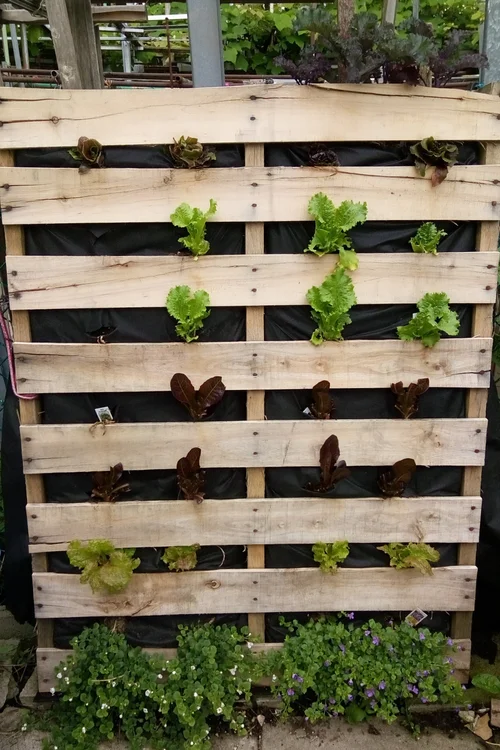
Credit: www.littlewoollylamb.com
Frequently Asked Questions
Do Pallets Make Good Raised Garden Beds?
Yes, pallets make good raised garden beds. They offer durability and easy drainage. Ensure pallets are untreated wood to avoid chemicals. Pallets are affordable and can be easily assembled. They allow for creative garden designs, maximizing space efficiently. Pallets are sustainable and eco-friendly choices for gardening.
What To Line A Pallet Planter With?
Use landscape fabric, burlap, or plastic sheeting to line a pallet planter. These materials help retain moisture and prevent soil loss. Choose breathable options like landscape fabric for better drainage. Make sure to secure the lining properly to ensure stability and effectiveness.
How Many Pallets Does It Take To Make A Bed?
It usually takes four pallets to make a standard queen-size bed frame. Two pallets form the base, and two more provide extra support. For a smaller bed, like a twin, you might need only two to three pallets. Adjust the number based on your desired height and design.
What Do You Put In The Bottom Of A Raised Garden Bed?
Place cardboard or newspaper to suppress weeds. Add straw or grass clippings for drainage. Include compost or aged manure for nutrients. Ensure proper layering for optimal soil health.
Conclusion
Creating raised garden beds from pallets is simple and rewarding. Pallets are easy to find and affordable. They offer a sturdy base for plants. Building your garden this way saves money and promotes recycling. You get to enjoy fresh produce right from your garden.
Plus, it’s a fun project to do with family or friends. Start with basic tools and a plan. Follow the steps carefully, and soon you’ll have a thriving garden. Enjoy the process and watch your garden grow. Happy gardening!


