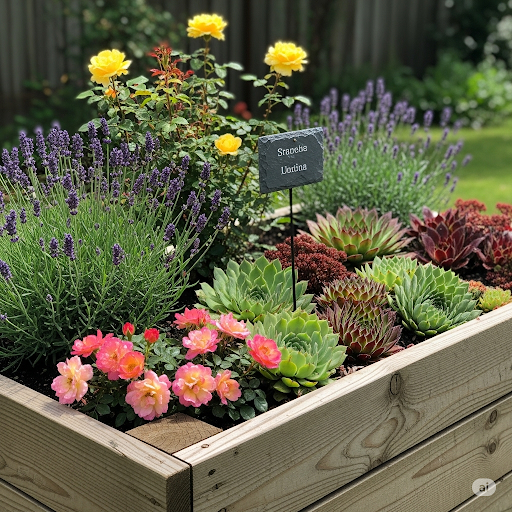
Imagine stepping into your backyard and being greeted by a vibrant symphony of colors and the sweet scent of blooming flowers. Creating your own flower garden isn’t just a hobby; it’s a chance to craft a personal paradise right at home.
You might think it’s a daunting task, but the truth is, anyone can do it. Whether you have a small patch of land or a spacious yard, you can transform any space into a floral wonderland. In this guide, you’ll learn simple, practical steps to start your very own flower garden, tailored to your preferences and environment.
Ready to roll up your sleeves and unleash your inner gardener? Let’s get started on making your dream garden a reality.

Credit: www.youtube.com
Choosing The Right Location
Selecting a sunny spot is crucial for a thriving flower garden. Ensure the soil drains well to avoid waterlogging. Choose a location that complements your home’s aesthetics and allows easy access for maintenance.
Choosing the right location for your flower garden is crucial. A well-chosen spot can enhance growth and bloom. Consider sunlight, shade, soil quality, and drainage. These factors determine how well your flowers thrive. Let’s dive into each aspect.Sunlight And Shade Considerations
Flowers need different levels of sunlight. Some prefer full sun, others need shade. Observe your yard at various times. Identify spots that receive morning or afternoon sun. Morning sun is gentle, suitable for delicate plants. Afternoon sun is intense, best for sun-loving flowers. Shade-loving plants thrive under trees or near buildings. Balance is key. Too much sun can scorch leaves. Too little can stunt growth. Choose wisely.Soil Quality And Drainage
Healthy soil promotes robust blooms. Test your soil’s pH level. Most flowers prefer slightly acidic soil. Enrich soil with organic matter. Compost improves texture and nutrients. Good drainage prevents root rot. Avoid areas with standing water. Raised beds enhance drainage. They also warm up faster in spring. Evaluate your garden space thoroughly. Ensure soil supports your chosen flowers. A rich foundation leads to a vibrant garden.Selecting Suitable Flowers
Choosing the right flowers is key to a beautiful garden. Consider colors, blooming seasons, and your local climate. Mix perennials and annuals for variety and lasting beauty.
Selecting the right flowers for your garden is crucial. It ensures vibrant blooms throughout the seasons. Your choices impact the garden’s beauty and health. Consider factors such as climate, soil, and sunlight. This section explores key considerations for choosing flowers.Annuals Vs. Perennials
Annuals bloom for one season. They bring instant color and variety. Plant them in spring for summer blooms. Examples include marigolds and petunias. They need replanting each year. Perennials return every year. They require less maintenance long-term. Examples are peonies and hostas. They often need more care initially.Native Vs. Exotic Varieties
Native flowers adapt well to local conditions. They support local wildlife and require less water. Examples include coneflowers and black-eyed Susans. Exotic varieties offer unique beauty. They may require special care. Examples are orchids and bird of paradise. Choose based on your climate and garden goals. Balancing both can create a diverse and beautiful garden.Designing Your Garden Layout
Designing your garden layout is an exciting journey where creativity meets practicality. Whether you’re planning a small patch or a sprawling landscape, the layout sets the stage for your floral masterpiece. It’s about balancing aesthetics with functionality to create a space that is both beautiful and enjoyable.
Creating Focal Points
A focal point draws the eye and anchors your garden visually. It could be a striking plant, a sculpture, or even a water feature. When I planted a vibrant rose bush at the center of my garden, it instantly became the heart of the space. Think about what you want visitors to notice first. Choose elements that reflect your style and personality.
Consider the view from different angles. How does it look from your porch or through your living room window? By positioning focal points strategically, you can enhance the overall experience, making your garden a delight from every perspective.
Incorporating Pathways And Borders
Pathways invite exploration and guide visitors through your garden. They can be simple stepping stones or winding gravel trails. Imagine strolling through your garden, each step revealing new blooms and scents. Pathways don’t just add functionality; they create a narrative for your garden.
Borders define areas and keep your garden looking tidy. They can be made of stone, wood, or even low hedges. Borders also help with managing different sections, like separating flower beds from a vegetable patch. What materials resonate with your garden theme? Choose borders that complement the overall look while serving a practical purpose.
As you design your layout, ask yourself: what journey do you want to create for those who enter your garden? By thoughtfully placing focal points and designing pathways and borders, you can craft a garden that tells a story and invites endless exploration.

Credit: www.youtube.com
Preparing The Soil
Preparing the Soil Begin by clearing weeds and debris to ensure a clean planting area. Loosen the soil to improve drainage and aeration. Add organic compost to enrich nutrients, promoting healthy plant growth.
Preparing the soil for your flower garden is like setting the stage for a stunning performance. The health of your plants depends significantly on the quality of the soil. Before you dive into planting, it’s crucial to ensure that the soil is a welcoming environment for your blooms.Testing And Amending Soil
Understanding what lies beneath the surface is the first step in preparing your soil. Have you ever wondered if your soil has the right nutrients for your flowers? Testing your soil can reveal its pH level and nutrient content. To test your soil, you can purchase a simple soil test kit from a garden center or send a sample to a local agricultural extension office. These tests will help identify deficiencies or excesses in nutrients like nitrogen, phosphorus, and potassium. Once you know what your soil needs, you can amend it accordingly. Add lime if the soil is too acidic or sulfur if it’s too alkaline. Adjusting your soil’s composition makes a big difference in plant health.Composting For Nutrient Enrichment
Composting is a natural way to enrich your soil with nutrients. By using compost, you can create a thriving environment for your flowers. Start a compost pile with kitchen scraps like vegetable peels, coffee grounds, and eggshells. Over time, these materials break down and become a nutrient-rich addition to your soil. Incorporate compost into your garden soil by mixing it in with a garden fork. This not only adds nutrients but also improves soil structure and drainage. Have you tried composting before? It’s an easy and sustainable way to boost your garden’s health. By preparing your soil properly, you lay the foundation for a vibrant and flourishing flower garden. What steps will you take to ensure your soil is ready for planting?Planting Techniques
Creating a vibrant flower garden begins with choosing the right location. Ensure the area gets ample sunlight. Prepare the soil by mixing organic compost for nutrients. Select a variety of colorful flowers suited to your climate. Space them properly to allow growth and airflow.
Water regularly and maintain with care.
Planting techniques are crucial for a thriving flower garden. Understanding how to plant correctly ensures healthy growth. It boosts your garden’s beauty and vibrancy. Let’s delve into some effective techniques.Correct Plant Spacing
Proper spacing is vital for plant health. Crowded plants compete for nutrients. They can suffer from diseases due to poor air circulation. Measure the recommended distance between plants. Check the plant label for guidance. Proper spacing allows room for growth. It ensures each plant gets enough sunlight and water.Depth And Orientation
Plant depth affects plant stability and growth. Dig holes matching the root ball size. Avoid planting too deep or too shallow. It can harm the plant. The right depth stabilizes plants, aiding root development. Consider plant orientation for optimal sunlight exposure. North-facing plants get less sun. South-facing ones get more. Position plants for their light needs. This ensures healthy and lush blooms.Watering Strategies
Efficient watering strategies can help your flower garden thrive. Use soaker hoses or drip irrigation for consistent moisture. Water early morning to reduce evaporation and prevent diseases.
Watering is crucial for a thriving flower garden. Proper techniques ensure plants get the right amount of moisture. It’s about finding balance. Too little water causes wilting; too much leads to root issues. Understanding watering strategies can make all the difference. Let’s explore ways to keep your flower garden healthy and vibrant.Efficient Irrigation Methods
Efficient irrigation saves water and supports plant health. Consider using drip irrigation systems. They deliver water directly to the roots, minimizing waste. These systems can be automated, providing consistent moisture levels. Soaker hoses are another option. They slowly release water along the hose’s length, ideal for flower beds. Rainwater harvesting is eco-friendly. Collect rain in barrels for future use, reducing reliance on tap water.Avoiding Overwatering
Overwatering can harm your garden. Roots suffocate when soil is too wet. To prevent this, check soil moisture before watering. A simple finger test can help. Insert your finger into the soil. If it’s damp, hold off watering. Use mulch to retain moisture and regulate soil temperature. This reduces watering frequency. Consider plant species that thrive with less water. Drought-resistant plants need less moisture, making maintenance easier.Maintaining Plant Health
Creating a vibrant flower garden involves nurturing plant health through regular watering, proper soil care, and pest management. Select suitable flowers for your region, ensuring they receive adequate sunlight. Regularly check for signs of disease and maintain cleanliness to support healthy growth.
Maintaining the health of your flower garden is crucial for vibrant blooms and lush greenery. Healthy plants are more resilient against pests, diseases, and environmental stresses. By investing time and effort in maintaining plant health, you’ll ensure your garden thrives throughout the seasons.Pest And Disease Management
Pests and diseases can wreak havoc on your flower garden if left unchecked. Regularly inspect your plants for signs of infestation or disease. Look for discolored leaves, holes, or unusual growths. Consider using natural pest control methods, such as introducing beneficial insects like ladybugs or using neem oil. These solutions are effective and environmentally friendly. Chemical pesticides should be a last resort, as they can harm beneficial insects and the soil. Keep your garden clean by removing fallen leaves and debris. This reduces the likelihood of pests finding a home in your garden. Remember, a healthy garden is a less attractive target for pests and diseases.Pruning And Deadheading
Pruning and deadheading are essential for encouraging new growth and prolonging blooming. Pruning involves cutting back overgrown branches to shape your plants and improve air circulation. This practice prevents diseases and promotes stronger plant structures. Deadheading, on the other hand, is the removal of spent flowers. This encourages plants to produce more blooms, keeping your garden vibrant. It’s a simple task that can make a big difference in the overall appearance and health of your garden. Use clean, sharp tools to avoid damaging your plants. Regularly check your plants to see if they need attention. By doing so, you ensure your flower garden remains a haven of beauty and health.Seasonal Care Tips
Creating a beautiful flower garden doesn’t end with planting; it’s an ongoing journey that changes with the seasons. Seasonal care is crucial to ensure your flowers thrive throughout the year. Let’s delve into some practical tips for spring and winter care to help your garden flourish.
Spring Preparation
Spring is the season of renewal, and your flower garden is no exception. Start by clearing away any debris that accumulated during winter. This will give your plants room to breathe and grow.
Consider enriching your soil with compost or organic matter. This will provide essential nutrients as your flowers begin to bloom. Pruning is also vital; trim dead or damaged branches to encourage healthy growth.
It’s also the perfect time to plant new flowers. Choose varieties that thrive in your climate zone and complement your existing garden. Have you thought about adding a splash of color with tulips or daffodils?
Winter Protection
Winter can be harsh on your garden, but with a little preparation, you can protect your flowers from the cold. Start by mulching around your plants. This acts as an insulating layer, keeping roots warm and preventing soil erosion.
Consider using burlap or garden fabric to shield delicate plants from frost. This can be especially useful for roses and other tender perennials. Watering your plants thoroughly before the first frost can help them withstand the cold.
Have you ever tried grouping potted plants together for added warmth? It’s a simple yet effective strategy. Remember, protecting your garden in winter means a vibrant rebirth in spring.
Sustainable Gardening Practices
Creating a sustainable flower garden involves using native plants and organic fertilizers. These practices conserve water and promote healthy soil. Companion planting can also help deter pests naturally, reducing the need for chemicals.
Creating a flower garden can be a rewarding experience, especially when you adopt sustainable gardening practices. These practices not only enhance the beauty of your garden but also contribute to a healthier planet. By integrating eco-friendly methods, you can enjoy a vibrant garden while minimizing your environmental footprint. Ready to dig into some sustainable gardening techniques?Organic Gardening Benefits
Organic gardening is more than just avoiding synthetic pesticides and fertilizers. It’s about fostering a thriving ecosystem. Imagine your garden buzzing with bees and fluttering butterflies, all thanks to the absence of harmful chemicals. By using organic compost, you enrich the soil naturally, which supports healthier plant growth. Plus, organic gardening reduces pollution and protects water quality. Isn’t it amazing how a small change can have such a big impact?Water Conservation Techniques
Water conservation is crucial in gardening, especially in areas prone to drought. Smart watering techniques not only save water but also ensure your plants receive the right amount. Try drip irrigation systems—they deliver water directly to the plant roots, minimizing waste. Collecting rainwater in barrels is another efficient way to reduce reliance on municipal water. Consider mulching; it retains soil moisture, reducing the need for frequent watering. Have you ever thought about how much water your garden could save with these simple adjustments? By embracing these sustainable gardening practices, you’re not just growing a beautiful flower garden. You’re making a positive change for the environment. So, what’s stopping you from getting your hands dirty and transforming your garden into a green oasis?
Credit: www.youtube.com
Incorporating Decorative Elements
Incorporating decorative elements transforms a flower garden into a charming oasis. These additions enhance visual appeal and create a personal touch. Imagine strolling through your garden with sculptures guiding the way or soft lights illuminating paths. These elements provide warmth and personality, making your garden feel inviting.
Garden Sculptures And Ornaments
Garden sculptures add character and intrigue. They serve as focal points and guide the eye. Choose sculptures that reflect your taste. Whether whimsical or classic, they should blend with the natural surroundings. Place them where they complement the flowers. Consider materials like stone or metal for durability. Small ornaments can also enhance charm. Think of bird baths or wind chimes. These little touches bring life and sound to your garden.
Lighting For Ambiance
Lighting transforms your garden’s atmosphere. Soft lights create a peaceful ambiance. Solar lights are eco-friendly and easy to install. Place them along pathways for safety and beauty. String lights offer a magical touch. They drape elegantly over trees or arches. Illuminate key areas like seating spots for evening relaxation. Choose warm bulbs for a cozy feel. Experiment with different lighting styles to find what suits your garden best.
Frequently Asked Questions
How To Properly Start A Flower Garden?
Begin by selecting a sunny location and testing the soil. Choose suitable flowers for your climate. Prepare the soil by adding compost. Plant seeds or seedlings with proper spacing. Water regularly and maintain by weeding.
What Is The Rule Of 3 In Landscaping?
The rule of 3 in landscaping suggests using three similar elements for balance and visual appeal. This can include plants, colors, or structures, creating harmony and rhythm in outdoor spaces. It helps maintain simplicity and focus, enhancing the overall design without overwhelming the landscape.
How Do I Layout My Flower Garden?
Plan your flower garden layout by choosing a sunny location, determining the garden shape, and selecting complementary colors. Arrange taller plants at the back and shorter ones in front. Consider bloom seasons for continuous color. Use paths or borders for easy access and visual appeal.
How To Make A Beautiful Flower Garden Step By Step?
Choose a sunny location with good soil. Plan your design and select a mix of colorful flowers. Prepare the soil by removing weeds and adding compost. Plant flowers according to their care needs. Water regularly and maintain with pruning and fertilization.
Enjoy your beautiful flower garden.
Conclusion
Creating a flower garden is a rewarding project. Start with choosing the right spot. Consider sunlight and soil conditions. Select flowers that suit your climate. Mix colors for a vibrant look. Arrange plants by height for visual appeal. Regular watering is crucial for growth.
Add mulch to maintain moisture. Prune dead blooms for a tidy garden. Enjoy watching your flowers flourish. A garden adds beauty to any space. Perfect for relaxation. Nature’s art at your doorstep. Remember, patience grows a garden. Happy gardening!


