Are you looking to transform your garden into a lush, thriving paradise without spending a fortune on fertilizers? Making your own compost is the secret weapon you need.
Imagine turning kitchen scraps and yard waste into rich, nutrient-dense soil that boosts your plants’ growth and health. Not only is this an eco-friendly solution, but it’s also incredibly rewarding and surprisingly simple. In this guide, you’ll discover how easy it is to start your composting journey and unlock the full potential of your garden.
Keep reading, and you’ll learn step-by-step how to create compost that will make your garden the envy of the neighborhood. Ready to dig in? Let’s get started!
Benefits Of Composting
Creating compost enriches soil, boosts plant growth, and reduces waste. Mix kitchen scraps and yard waste, turning regularly. This process transforms organic materials into nutrient-rich soil for gardens.
Composting is a natural process that transforms kitchen scraps and yard waste into nutrient-rich soil. This practice not only reduces waste but also benefits your garden in many ways. Composting is an eco-friendly way to enrich the soil, improve plant health, and save money on fertilizers.
Improved Soil Structure
Compost enhances soil structure by adding organic matter. This helps soil retain moisture and nutrients. Plants grow stronger and healthier in well-structured soil.
Natural Fertilizer
Compost provides essential nutrients for plants. These nutrients promote growth without harmful chemicals. It’s a natural way to feed your garden.
Environmentally Friendly
Composting reduces landfill waste. This lowers methane emissions, a potent greenhouse gas. By composting, you contribute to a cleaner environment.
Cost Savings
Buying fertilizers can be expensive. Composting offers a cost-effective alternative. It turns waste into valuable garden material for free.
Encourages Beneficial Microorganisms
Compost fosters microorganisms that aid plant growth. These organisms help break down organic matter. They also improve soil health and structure. Composting is more than just recycling. It’s a sustainable practice that brings multiple benefits to your garden and the planet.
Choosing The Right Location
Selecting an ideal spot for composting is crucial. Choose a level, well-drained area with partial sun exposure. Ensure easy access for adding materials and turning the pile regularly.
Finding the perfect spot for your compost pile is crucial. It impacts the speed and efficiency of the composting process. A well-chosen location ensures optimal decomposition and keeps the garden tidy. Here’s how to select the best place for your compost pile.
Consider Sunlight And Shade
A mix of sunlight and shade is ideal for compost. Sunlight speeds up decomposition. Yet, too much heat can dry out the pile. Aim for a balanced location. Partial shade provides relief from intense sun.
Accessibility Matters
Place your compost near the garden for easy access. You will add materials frequently. Make sure it’s not too far from your home. This encourages regular maintenance and addition of waste.
Avoid Flood-prone Areas
Choose a spot that does not flood easily. Excess water can slow down decomposition. Ensure good drainage to maintain a healthy compost pile.
Wind Protection
Wind can dry out your compost pile. A sheltered area helps retain moisture. Use natural barriers like hedges or fences if needed.
Space For Turning
Allow enough space to turn your compost regularly. Turning aerates the pile and speeds up decomposition. Ensure there’s room to move around comfortably.
Check Local Regulations
Some areas have rules about composting. Check for any guidelines or restrictions. This ensures you comply with local regulations. Choosing the right location sets the foundation for successful composting. It helps create rich, fertile soil for your garden.
Materials To Compost
Transform kitchen scraps into garden gold by composting vegetable peels, fruit rinds, and coffee grounds. Add yard waste like leaves, grass clippings, and small branches to enrich the mix. Ensure materials are layered to promote healthy breakdown.
Composting is a fantastic way to enrich garden soil. It recycles organic waste into nutrient-rich fertilizer. Knowing what materials to compost is crucial for success. Composting involves balancing green and brown materials. Each plays a unique role. Let’s explore what you can use.
Green Materials
Green materials are rich in nitrogen. They help break down compost quickly. Common green materials include:
- Fruit and vegetable scraps
- Coffee grounds
- Grass clippings
- Fresh plant trimmings
- Tea bags
These materials add moisture and speed up decomposition. They provide essential nutrients for microbes. Green materials are vital for a balanced compost pile.
Brown Materials
Brown materials are carbon-rich. They add structure to compost. Some popular brown materials are:
- Dry leaves
- Straw
- Wood chips
- Cardboard
- Pine needles
Brown materials provide air pockets. They keep the pile aerated and dry. This helps prevent bad odors. A good mix of brown and green materials is key.
Items To Avoid
Not everything belongs in a compost pile. Some items can harm your compost. Avoid these common items:
- Meat and dairy products
- Oily foods
- Pet waste
- Diseased plants
- Plastic and synthetic materials
These items attract pests. They slow down decomposition. Keeping them out ensures healthy compost. Always choose safe materials for your pile.

Credit: www.facebook.com
Methods Of Composting
Turning kitchen scraps and yard waste into garden compost enriches soil naturally. Choose between traditional bin composting or quick-turning tumblers. Both methods efficiently break down organic material, producing nutrient-rich compost for healthier plants.
Composting is an art that transforms kitchen scraps and yard waste into nutrient-rich soil for your garden. As you embark on this eco-friendly journey, you’ll discover various methods that suit different lifestyles and spaces. Whether you have a sprawling backyard or a small apartment balcony, there’s a composting method for you.
Traditional Pile
The traditional pile is the most straightforward method of composting. Simply designate a spot in your yard, and start layering organic materials like kitchen scraps, grass clippings, and leaves. Turning the pile every few weeks helps aerate it, speeding up the decomposition process. It’s a method that requires patience, but the payoff is a rich, earthy compost.
Compost Bins
Compost bins offer a more organized approach. They’re perfect if you prefer a tidy garden or have limited space. Compost bins help retain heat and moisture, accelerating the composting process. They come in various sizes and materials, so you can choose one that fits your needs. Remember to mix green and brown materials for balanced compost.
Tumbler Method
The tumbler method is ideal for those who want results faster. These enclosed containers can be easily rotated, which helps in mixing the compost. It’s an efficient method that keeps pests away and minimizes odors. Tumblers are great for urban gardeners looking for a compact and clean solution. Which method resonates with you? Consider your space, time, and preferences to make the best choice. You might find joy in trying a combination of these methods to see what works best for your garden.
Balancing Nitrogen And Carbon
Achieving a healthy compost requires balancing nitrogen-rich greens and carbon-rich browns. Greens include grass clippings and vegetable scraps, while browns consist of leaves and straw. This balance promotes efficient decomposition, resulting in nutrient-rich compost for your garden.
Creating compost involves balancing nitrogen and carbon. These elements are essential for a healthy compost pile. Nitrogen helps in the growth of organisms that decompose materials. Carbon provides energy for these organisms. Striking the right balance ensures efficient decomposition. This creates nutrient-rich compost for your garden.
Understanding The Green And Brown Materials
Compost materials are divided into greens and browns. Greens are rich in nitrogen. Examples include fruit scraps, grass clippings, and vegetable peels. Browns are rich in carbon. They include dry leaves, straw, and wood chips. Balancing these materials is crucial for composting success.
The Ideal Carbon To Nitrogen Ratio
The optimal carbon to nitrogen ratio is about 30:1. This means 30 parts carbon to one part nitrogen. Too much nitrogen causes a smelly pile. Too much carbon slows down decomposition. Striving for this ratio makes your compost process efficient.
Layering Your Compost Pile
Start with a layer of browns. Add a thinner layer of greens on top. Repeat this layering process. This method ensures even distribution of materials. It also helps maintain the right balance.
Adjusting The Balance
If your pile smells, add more browns. This reduces excess nitrogen. If it’s not breaking down, add more greens. This boosts nitrogen levels. Regularly turning the pile helps mix materials. It also improves aeration and speeds up decomposition.
Monitoring Moisture Levels
Moisture is key to composting. The pile should be as damp as a wrung-out sponge. Too much water makes it soggy. Too little slows down the process. Adjust by adding dry or wet materials as needed.
Using A Compost Thermometer
A compost thermometer helps track temperature. Ideal compost temperature ranges from 135°F to 160°F. High temperatures kill pathogens. They also accelerate decomposition. If it’s too low, check the balance of materials. Adjust accordingly to maintain the right temperature.
Maintaining Moisture Levels
Balanced moisture is essential for effective composting. Ensure your compost pile is damp, like a wrung-out sponge. Too much water can lead to rotting, while too little slows down decomposition.
Maintaining the right moisture levels in your compost pile is essential for successful composting. Too much water can lead to a soggy mess, while too little can slow down the decomposition process. So how do you strike the perfect balance? It’s simpler than you might think, and with a few easy tips, you’ll be well on your way to creating nutrient-rich compost for your garden.
Understand The Feel Test
One practical way to gauge the moisture level of your compost is the feel test. Grab a handful of compost and squeeze it. If a few drops of water come out, you’re in good shape. If it’s dripping, there’s too much moisture. If it feels dry and crumbles easily, you need to add more water. This simple test allows you to quickly adjust the moisture levels without needing any special equipment.
Watering Wisely
Think of watering your compost like watering your plants. Use a watering can or hose with a gentle spray to evenly distribute water across the pile. Avoid flooding the compost, as this can wash away valuable nutrients. You may also consider watering during cooler parts of the day to minimize evaporation, helping your compost retain moisture longer.
Cover Your Compost
Covering your compost pile can help maintain moisture levels. Use a tarp or a layer of straw to shield the pile from the scorching sun or heavy rainfall. This not only protects the compost but also helps keep it at a consistent moisture level, essential for the microbes doing the hard work of decomposition.
Mix And Aerate Regularly
Regularly turning your compost pile ensures even moisture distribution. Use a pitchfork or shovel to mix the materials thoroughly. This aeration process helps the pile breathe, preventing it from becoming too wet or too dry. Plus, it speeds up decomposition, giving you rich compost faster.
Monitor Weather Conditions
Weather plays a crucial role in compost moisture levels. During dry spells, check your compost more frequently and add water as needed. Conversely, if you expect heavy rain, covering your pile can prevent it from becoming waterlogged. Adjusting your composting routine based on weather conditions helps maintain the ideal moisture balance. Remember, the right moisture level is key to successful composting. What tricks do you use to maintain moisture in your compost pile? Share your insights and let’s grow greener together.
Aerating The Compost
Aerating the compost pile boosts decomposition by allowing oxygen in. Use a garden fork to turn the compost weekly. This helps create rich soil for your garden.
Aerating the compost is vital for its success. Oxygen helps break down organic matter faster. It also prevents unpleasant odors. Here’s how you can ensure proper aeration for your compost.
Using A Garden Fork
Use a garden fork to turn the compost. Insert the fork and lift the material. This introduces air into the heap. Repeat this every week. It keeps the compost fresh and active.
Creating Layers
Alternate green and brown materials. Green materials are rich in nitrogen. Brown materials are carbon-rich. Layering them helps airflow. It also balances moisture levels.
Adding Coarse Materials
Add coarse materials like straw or wood chips. They create air pockets. This helps oxygen circulate. It also aids drainage. This prevents the compost from becoming soggy.
Using A Compost Aerator Tool
Consider a compost aerator tool. It’s designed to introduce air into the pile. Twist the tool into the compost. This creates pathways for airflow.
Drilling Holes In Your Compost Bin
Drill holes in your compost bin. This allows air to enter from the sides. It supports the breakdown process. Ensure holes are evenly spaced.
Monitoring Moisture Levels
Keep an eye on moisture. The compost should be damp, not wet. If too dry, add water. If too wet, add dry materials. Adjust moisture for optimal aeration.
Regular Turning
Turn the compost regularly. Use a shovel or fork. This keeps the materials mixed. It also helps distribute heat and moisture evenly. Regular turning speeds up decomposition.
Speeding Up Decomposition
Speeding up decomposition helps create rich compost for the garden. Mix green and brown materials like leaves and food scraps. Keep the pile moist and turn it frequently to boost the breakdown process.
Speeding up the decomposition process in your compost pile can enhance your gardening efforts. A faster breakdown means you get rich, nourishing compost sooner. This can transform your garden into a lush and thriving space. Let’s explore some effective techniques to speed up decomposition.
Chopping Materials
Chop your compost materials into smaller pieces. This increases their surface area. The more surface area, the faster they break down. Use garden shears or a shredder. Aim for pieces no larger than an inch. This simple step can greatly accelerate decomposition.
Turning The Pile
Regularly turning your compost pile introduces oxygen. Oxygen is crucial for microorganisms that break down materials. Turn the pile every two weeks. Use a pitchfork or shovel for this task. Ensure the pile is moist, but not soggy. Proper aeration and moisture boost microbial activity.
Adding Activators
Incorporate compost activators to enhance decomposition. Activators can be high-nitrogen materials. Examples include grass clippings or manure. You can also use commercial compost activators. These help increase microbial activity in the pile. The result is faster compost production.
Recognizing Ready Compost
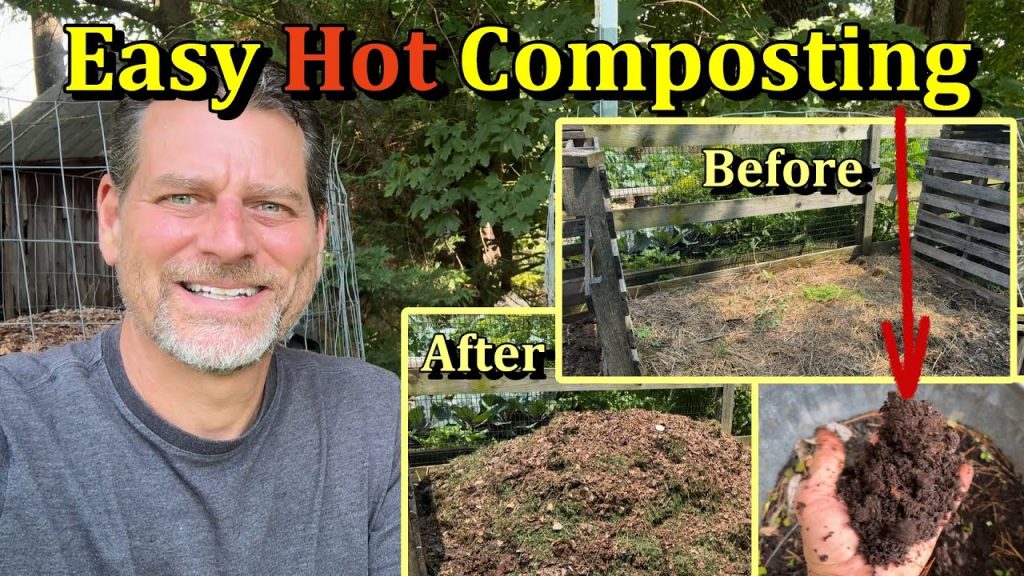
Compost is ready when it turns dark and crumbly. It should have a fresh, earthy smell. Ensure there are no large, visible scraps or a slimy texture.
Recognizing when compost is ready is crucial for gardening success. Well-made compost enriches soil, boosting plant growth. But how can you tell if your compost is ready? Let’s explore this key aspect of composting.
Smell And Appearance
Ready compost has a pleasant earthy smell. It should not smell sour or rotten. The appearance is dark brown, almost black. It resembles rich, fertile soil.
Texture And Consistency
The texture should be crumbly and smooth. No large, recognizable pieces should remain. It should feel like damp soil, not sticky or overly dry.
Temperature Check
Active compost is warm. A finished compost pile returns to ambient temperature. Use a thermometer or touch to check.
Presence Of Insects
Insects like worms and beetles indicate healthy compost. Fewer bugs suggest the compost is nearing completion.
Time Frame
Compost typically takes six months to two years to mature. Factors like materials and conditions affect this duration.
Screening Test
Use a screen to sift compost. This removes large, undecomposed bits. Keep these bits for further composting.

Credit: imaginacres.com
Using Compost In The Garden
Using compost in the garden brings life to your plants and soil. It provides nutrients and improves soil structure. This organic matter helps retain moisture and reduces the need for chemical fertilizers. Compost is versatile and can be used in several ways to enhance your garden.
Soil Amendment
Compost is an excellent soil amendment. It enriches the soil, providing essential nutrients. Mix compost into the soil before planting. This improves soil aeration and drainage. Compost adds organic matter, fostering beneficial microorganisms. It boosts plant growth and strengthens roots.
Mulching
Compost serves as an effective mulch. Spread a layer of compost around plants. This helps retain moisture and suppress weeds. Mulching protects roots from temperature extremes. It slowly breaks down, feeding the soil over time. Your plants will thrive with this natural cover.
Compost Tea
Compost tea is a liquid fertilizer made from compost. It enhances plant health and boosts growth. To make compost tea, steep compost in water for several days. Strain the mixture and use it to water plants. This provides a nutrient-rich boost directly to the roots.
Troubleshooting Common Issues
Composting can be challenging, especially with moisture, temperature, and balance of materials. Monitor moisture levels to avoid excess dryness or sogginess. Ensure proper aeration by mixing materials regularly, facilitating decomposition. Address pest issues by covering compost and using varied scraps to deter unwanted insects.
Creating compost is a rewarding process, but it can sometimes present challenges. These issues can frustrate even the most seasoned gardener. Understanding and addressing common composting problems can help you maintain a healthy and productive compost pile.
Odor Problems
A smelly compost pile can be a sign that something is off-balance. Typically, a foul odor indicates too much moisture or not enough air. Ensure your compost is getting enough oxygen by turning it regularly. If the pile is too wet, add dry materials such as straw or shredded paper to absorb excess moisture. Balancing green and brown materials also helps in maintaining a neutral smell. Have you ever noticed that a balanced compost pile smells earthy rather than offensive?
Slow Decomposition
Is your compost pile taking forever to break down? Slow decomposition often results from a lack of nitrogen-rich materials or insufficient warmth. Make sure to add kitchen scraps, grass clippings, and other green materials to boost nitrogen levels. Turning the pile frequently can also help aerate it and speed up the process. During colder months, consider insulating your compost bin to retain heat. Have you considered using a compost thermometer to monitor the temperature?
Pest Control
Unwanted pests can be a nuisance in compost piles. To deter them, avoid adding meat, dairy, or oily foods to your compost. These items attract animals and can disrupt the composting process. Cover your compost pile with a tarp or use a bin with a secure lid to keep pests out. If you see signs of rodents or larger animals, it might be time to invest in a more secure composting system. How do you keep your compost pile pest-free while maintaining its efficiency?

Credit: www.youtube.com
Frequently Asked Questions
How Do You Make Homemade Compost For Your Garden?
Start by collecting kitchen scraps, leaves, and grass clippings. Layer them with soil in a compost bin. Turn the pile weekly to aerate. Keep it moist but not wet. Compost is ready when it’s dark and crumbly. Use it to enrich garden soil.
What Vegetable Plants Should Not Be Composted?
Avoid composting diseased plants, weeds with seeds, or roots like potato and tomato plants. They can spread diseases.
What Are The Three Basic Ingredients Of Compost?
Compost requires three basic ingredients: green materials, brown materials, and water. Green materials provide nitrogen, brown materials supply carbon, and water maintains moisture for decomposition. Combining these elements helps create nutrient-rich compost for gardening.
What’s The Best Homemade Compost?
The best homemade compost combines kitchen scraps, garden waste, and brown materials like leaves and cardboard. Maintain a balance between green and brown materials for effective decomposition. Turn the pile regularly to aerate and speed up composting. Keep it moist but not waterlogged for optimal results.
Conclusion
Creating compost for your garden is simple and beneficial. Start with kitchen scraps and garden waste. Ensure the compost pile stays moist. Turn it regularly to speed up decomposition. Healthy compost enriches soil and boosts plant growth. It saves money and reduces waste.
With patience, you’ll have rich, dark compost ready for use. Enjoy healthier plants and a more sustainable garden. Your garden will thrive with homemade compost. Gardening becomes easier and more rewarding. Try it today and see the difference. Happy composting!