
Imagine a small, tranquil space right in your backyard or home where stress melts away and peace takes over. This is the magic of a Zen garden.
You don’t need to be a landscaping expert to create one. With just a few simple steps, you can transform a corner of your home into a serene sanctuary. Have you ever thought about how soothing it would be to have your own personal retreat?
A place where you can clear your mind and relax after a long day. By learning how to make a Zen garden, you’re not just adding a decorative element to your surroundings; you’re investing in your mental well-being. This guide will walk you through each step, ensuring you can easily create a calming oasis that speaks to your soul. Get ready to discover how a few stones, some sand, and thoughtful placement can bring harmony and tranquility to your life.

Credit: www.youtube.com
Choosing The Right Location
Selecting the perfect spot for your Zen garden is essential. Choose a quiet area with minimal foot traffic. Ensure the location receives enough sunlight and offers a peaceful ambiance.
Choosing the right location for your Zen garden is crucial to creating a space that invites peace and reflection. It’s not just about finding a spot; it’s about aligning with nature and your own sense of tranquility. Think about where you feel most relaxed and connected to the natural world. That’s where your Zen garden should be.Consider Sunlight And Shade
Your Zen garden should be a place where you can escape, so consider how sunlight and shade play into this. A balance between the two can create a harmonious environment. Too much sunlight might make the space overwhelming, while too much shade can make it feel gloomy. Find a spot that gets gentle sunlight during the day but still offers shade where you can retreat to cool off.Accessibility And Visibility
Think about how accessible the location is. You want it to be easy to reach but not in the direct path of daily traffic. This ensures you can enjoy it whenever you need a moment of peace without it becoming a regular thoroughfare. Also, consider visibility. You might prefer a secluded spot or one that’s partially visible, so you can admire its beauty from different angles.Quietness And Serenity
A Zen garden thrives in quietness. Choose a spot away from the hustle and bustle of everyday life. If you live in a noisy area, consider adding elements like bamboo or hedges to create a natural sound barrier. Ask yourself: where do you feel the most serene? That’s the spot your Zen garden belongs.Proximity To Nature
Nature is an integral part of a Zen garden. Look for a location that offers proximity to trees, water, or natural greenery. If your garden is close to these elements, it will naturally absorb the peaceful energy they emit. You’ll find that being surrounded by nature can enhance your meditative experience. Ultimately, the right location is a personal choice. Where do you feel at peace? Where can you breathe deeply and let go of stress? Let these questions guide you in choosing the perfect spot for your Zen garden.
Credit: www.facebook.com
Essential Zen Garden Elements
Creating a Zen garden involves harmony and simplicity. Include elements like gravel or sand for raking patterns. Add rocks to symbolize strength, and sparse plants for tranquility.
Creating a Zen garden involves understanding its essential elements. These elements help you craft a tranquil space that embodies simplicity and harmony. Each component contributes to the garden’s peaceful ambiance. Let’s explore these elements to design your serene retreat.Sand And Gravel
Sand and gravel form the foundation of a Zen garden. They represent the ocean or sky. Raking patterns in the sand brings calmness and focus. Use fine sand for smooth raking. Arrange gravel to contrast and complement the sand. The interplay of textures invites contemplation.Rocks And Stones
Rocks and stones symbolize mountains or islands. Their placement is crucial for visual balance. Choose different sizes and shapes. Smooth stones add softness. Rough rocks introduce ruggedness. Arrange them to create focal points. Their natural colors enhance the garden’s serenity.Plants And Greenery
Plants bring life and color to the Zen garden. Select low-maintenance, evergreen plants. Moss, ferns, and bamboo are ideal. They thrive in various conditions. Their lush greens offer a soothing contrast to rocks. Plant strategically to maintain simplicity.Water Features
Water features add tranquility through sound and movement. A small pond or a fountain is perfect. Flowing water evokes calmness. Its gentle sound soothes the mind. Use water features to enhance the garden’s peaceful vibe. Ensure they fit the garden’s scale.Design Principles
Creating a Zen garden involves arranging rocks, sand, and plants to evoke tranquility and harmony. Use minimal elements to maintain simplicity. Balance is key, ensuring each component complements the others for a peaceful atmosphere.
Creating a Zen garden involves understanding its design principles. These principles guide the arrangement of elements to evoke peace and tranquility. A Zen garden reflects nature’s essence and human contemplation. It invites viewers to pause and reflect. This section delves into key design principles vital for crafting your Zen sanctuary.Balance And Harmony
Balance and harmony are central to a Zen garden. Achieving this means arranging elements thoughtfully. Use rocks, sand, and plants in proportionate sizes. Ensure no element overpowers another. This balance creates a serene visual flow. Harmony between elements fosters a sense of peace. It mirrors the natural world’s quiet elegance.Simplicity And Minimalism
Simplicity and minimalism define the Zen garden’s aesthetic. Fewer elements create a sense of spaciousness. Choose simple, natural materials like stones and sand. Avoid cluttering the space with excessive features. This minimalist approach enhances clarity. It allows the mind to relax and focus. Each element serves a purpose, enhancing the garden’s tranquility.Symbolism And Meaning
Symbolism adds depth to a Zen garden. Each element carries a specific meaning. Rocks might represent mountains, while sand signifies water. These symbols connect the garden to broader natural themes. They invite contemplation and reflection. Consider the garden’s message. Infuse personal or cultural meanings into its design. This enriches the garden’s spiritual resonance.Tools And Materials
Selecting the right tools and materials is crucial for crafting a serene Zen garden. Rake and stones create patterns in sand or gravel. Plants and small statues add beauty and tranquility.
Creating a Zen garden is a rewarding endeavor that invites tranquility into your life. The process begins with gathering the right tools and materials, ensuring that every element contributes to the peaceful ambience you’re aiming to achieve. As you prepare for this meditative project, consider how each tool and material can enhance the serenity of your space.Essential Tools
To start, you’ll need a few basic tools to help you design and maintain your Zen garden. A rake is crucial for creating those signature ripple patterns in the sand. Choose a rake with wide, flat teeth for the best effect. A spade or shovel will assist in shaping the landscape and positioning larger elements like rocks. For precision work, a hand trowel is invaluable. It allows you to carve out smaller spaces or adjust the soil around plants.Materials Required
Sand is the heart of your Zen garden. Opt for fine, white sand if you want a classic look, or experiment with different colors to match your personal aesthetic. Rocks and pebbles serve as focal points and should be chosen for their ability to harmonize with the garden’s overall vibe. Select stones of varying sizes and shapes to add depth and interest. Plants can bring a touch of life to your Zen garden. Consider low-maintenance options like succulents or moss, which thrive without much water and add a natural green element.Additional Elements
Think about integrating a water feature to amplify the garden’s tranquility. A small fountain or pond can introduce calming sounds and reflections. Statues or sculptures may add a personal touch. Choose pieces that resonate with you, perhaps a Buddha figure or a simple abstract form. Lighting is another factor to consider. Soft, ambient lights will allow your Zen garden to be appreciated during twilight hours, extending its calming influence into the evening. How will these tools and materials shape your vision of peace? Each choice reflects your personal journey toward tranquility, inviting you to immerse in the soothing process of creating your Zen haven.Step-by-step Construction
Creating a Zen garden involves selecting a peaceful spot and clearing debris. Arrange rocks and sand for a tranquil look. Add plants and ornaments for an inviting atmosphere.
Creating a Zen garden can be a tranquil and fulfilling experience. It’s a place where simplicity reigns, and every element holds a purpose. The design and construction process is straightforward, yet it demands thoughtfulness and attention to detail. Let’s dive into how you can build your own Zen garden, focusing on the essential steps.Preparing The Ground
Begin by selecting a suitable location. You need a space that invites calm and reflection, perhaps a quiet corner of your backyard. Clear the area of debris, weeds, and any obstacles that could disrupt the flow of your garden. Consider leveling the ground to provide a smooth surface. A well-prepared foundation ensures your garden’s longevity and helps maintain its serene aesthetics.Arranging Rocks And Stones
Choose rocks that resonate with you. Their size and shape should complement the overall design. Large rocks can symbolize mountains, providing a sense of stability and permanence. Arrange them thoughtfully, considering balance and harmony. Avoid overcrowding; each stone should have its space to breathe, allowing you to appreciate its unique character.Adding Sand Or Gravel
Sand or gravel forms the canvas for your Zen garden. Spread it evenly across the ground, creating a smooth surface. This is where you’ll draw patterns that mimic the ripples of water or the gentle curves of nature. Use a rake to create these designs, experimenting with different styles. The act of raking can be meditative, inviting you to connect with the garden on a deeper level.Incorporating Plants
While Zen gardens are often minimalist, a few carefully selected plants can enhance their beauty. Consider using moss or small shrubs to add texture and color. Position them thoughtfully, ensuring they don’t overwhelm the simplicity of the garden. Each plant should serve a purpose, contributing to the overall balance and tranquility. Creating a Zen garden allows you to express your creativity while fostering a space for reflection. As you build, ask yourself: What do I want my garden to say? Let your intuition guide you, and watch as your Zen sanctuary comes to life.Maintenance Tips
Maintaining a Zen garden is a rewarding endeavor that keeps your space tranquil and inviting. With a few simple tasks, you can ensure your garden remains a serene retreat. Whether it’s the meditative act of raking patterns, controlling pesky weeds, or adjusting for the seasons, each aspect plays a crucial role in preserving the garden’s harmony. Let’s dive into these maintenance tips to keep your Zen garden looking pristine and peaceful.
Raking Patterns
Creating and maintaining raking patterns is more than just aesthetics; it’s a calming ritual. Experiment with designs like spirals, waves, or concentric circles. Each pattern brings a unique energy to the garden. Rake regularly to keep these patterns fresh and defined.
Choose a time of day when you feel relaxed. Morning or late afternoon can be ideal for this meditative practice. Varying your patterns occasionally can breathe new life into your garden and keep it visually engaging. Have you discovered a favorite pattern that resonates with your mood?
Weed Control
Weeds can disrupt the tranquility of your Zen garden, but controlling them is straightforward. Regularly inspect your garden and remove any weeds promptly. Consider using small hand tools for precision.
Mulch can be a great ally in suppressing weed growth. Apply a thin layer in areas prone to weeds. You might find that this simple act keeps your garden clear and enhances its overall beauty. What techniques have you found effective in keeping weeds at bay?
Seasonal Adjustments
As seasons change, your Zen garden may require subtle adjustments. In autumn, consider incorporating fallen leaves into your designs or removing them to maintain a minimalist look. In spring, you might add seasonal blooms for a touch of color.
Be mindful of the weather patterns that affect your area. Adjust the elements accordingly—perhaps adding more sand or gravel if erosion becomes a concern. These seasonal tweaks ensure your garden remains a sanctuary throughout the year. How does your garden adapt to the changing seasons?
Enhancing Tranquility
Creating a Zen garden enhances tranquility by blending nature and simplicity. Arrange rocks, sand, and plants thoughtfully. Let calmness flow through your personal oasis, fostering peace and mindfulness.
Enhancing Tranquility Creating a Zen garden is about finding peace. The design should invite calm and relaxation. Small details play a big role. Enhancing tranquility involves thoughtful choices. Consider sound, light, and personal touches to create a serene space. Each element contributes to a harmonious atmosphere.Incorporating Sound Elements
Sound can deepen the sense of peace. Soft sounds soothe the mind. Include elements like wind chimes. Their gentle tones can calm the spirit. A small water feature is another option. The sound of trickling water promotes relaxation. Choose natural materials for a harmonious look. Bamboo and stone are excellent choices.Lighting Considerations
Lighting can transform a space. It sets the mood. Use soft, warm lights for a cozy feel. Solar lanterns provide gentle illumination. They are eco-friendly and easy to install. Place lights strategically to highlight features. Pathways and key elements should be visible. Avoid harsh, direct lighting to maintain serenity.Personal Touches
Personal touches make the garden unique. Include items that reflect your personality. Small statues or handpicked stones add character. Consider adding a personal mantra stone. It serves as a focal point for meditation. Use plants with personal significance. They bring life and color to the space. Each element should resonate with your sense of peace.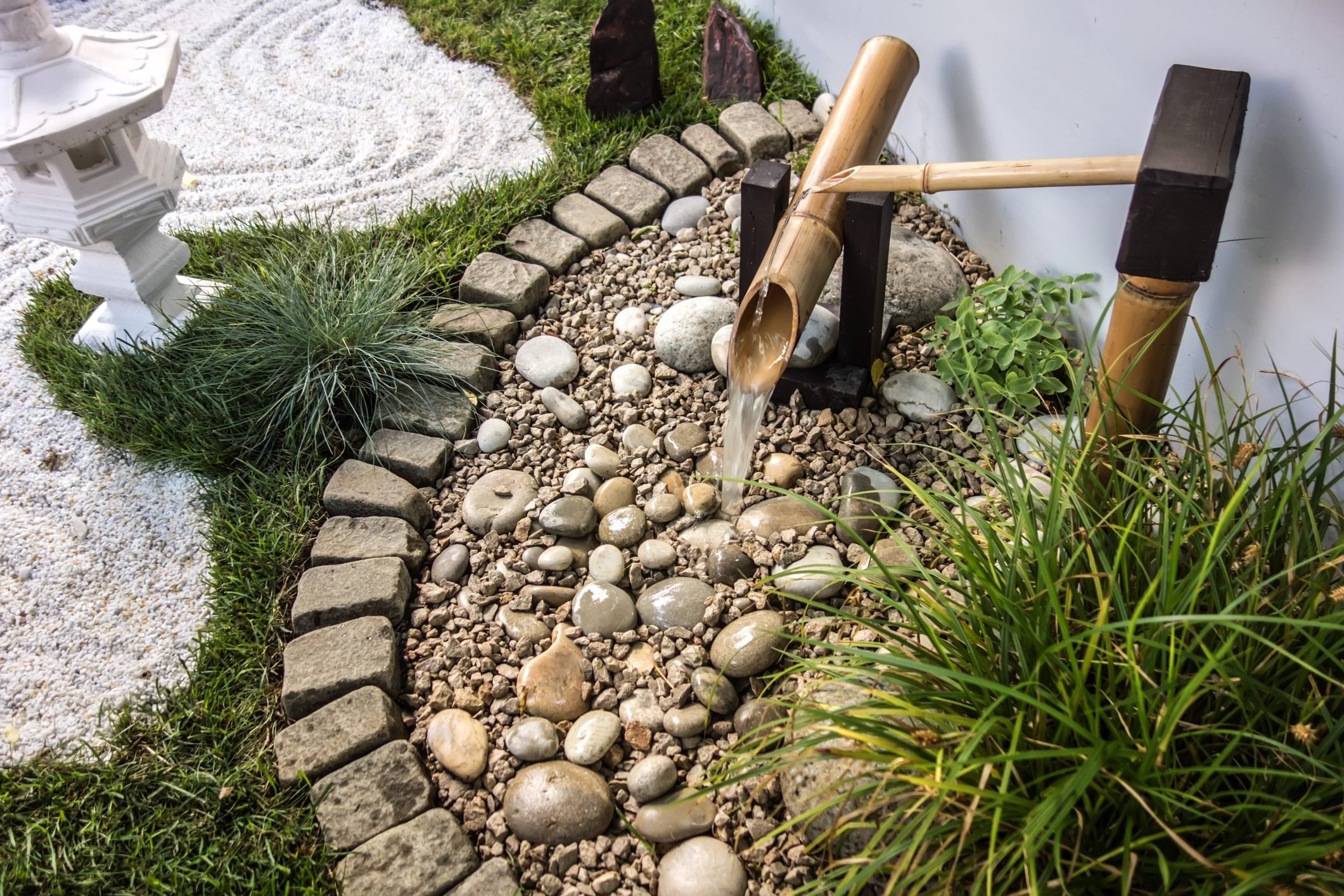
Credit: www.familyhandyman.com
Benefits Of A Zen Garden
Creating a Zen garden offers tranquility and relaxation. It serves as a peaceful retreat, reducing stress and enhancing focus. Simple design elements like sand, stones, and plants make it easy to maintain and personalize.
Creating a Zen garden not only enhances your outdoor space but also brings a multitude of benefits to your daily life. These serene and minimalist gardens are perfect for anyone seeking tranquility and a touch of nature’s simplicity. Whether you’re looking to reduce stress, meditate, or simply enjoy a visually appealing space, a Zen garden can cater to these needs.Stress Relief
A Zen garden provides an effective escape from the chaos of everyday life. Imagine coming home after a long day, the stress of work still clinging to you. As you start raking through the sand, you might find that your worries begin to dissipate with each gentle stroke. The repetitive and calming act of raking patterns into sand can help you clear your mind. It’s a simple yet powerful tool to help you focus on the present moment and let go of tension. What better way to unwind than by connecting with your personal oasis of calm?Meditation Space
If you’ve ever struggled to find a quiet place for meditation, a Zen garden might be the perfect solution. Envision a designated spot where you can sit, breathe deeply, and connect with your inner peace. The elements of a Zen garden, like rocks and sand, are deliberately simple to encourage a meditative state. Sitting in your garden, surrounded by the soft rustle of leaves, you may find it easier to center your thoughts and achieve mental clarity. Could this be the meditation haven you’ve been seeking?Aesthetic Appeal
Beyond its functional benefits, a Zen garden can transform any space into a visual masterpiece. The minimalist design with carefully placed rocks, sand, and perhaps a few plants creates a harmonious balance. Your garden can reflect your personal taste, with each element thoughtfully arranged to achieve a pleasing composition. Visitors might admire the beauty and simplicity, perhaps even inspired to create their own. Isn’t it wonderful how a few simple elements can create such striking elegance? Incorporating a Zen garden into your life offers more than just a pretty view. It invites a sense of peace, focus, and creativity. What will your Zen garden say about you?Frequently Asked Questions
What Are The 7 Principles Of A Zen Garden?
The 7 principles of a Zen garden are simplicity, asymmetry, naturalness, subtlety, freedom from attachment, tranquility, and mystery. These principles create a peaceful and harmonious environment, encouraging meditation and reflection. Zen gardens emphasize balance and natural beauty, using minimalistic elements to inspire calmness and serenity.
What Are The Rules For A Zen Garden?
Zen gardens emphasize simplicity, balance, and tranquility. Use rocks, sand, and minimal plants. Arrange elements mindfully. Rake sand to create patterns symbolizing water. Maintain open spaces for reflection. Ensure harmony among all components to embody peace and meditation.
What Are The Five Basic Rules In The Design Of A Japanese Garden?
Japanese garden design includes simplicity, naturalness, asymmetry, symbolism, and tranquility. Use natural materials and plants. Create balance and harmony with irregular shapes. Incorporate symbolic elements like water and stones. Aim for a peaceful, meditative environment.
How To Make A Small Zen Garden On A Budget?
Create a small zen garden by using sand, stones, and a wooden box. Choose affordable materials from local stores. Arrange stones creatively and rake sand for patterns. Add miniature plants for extra tranquility. Keep it simple and serene for an inexpensive yet peaceful space.
Conclusion
Creating a Zen garden brings peace to your space. It invites calm and simplicity. Every stone and sand pattern tells a story. Your garden becomes a personal retreat. A place to relax and reflect. Nature’s beauty at your fingertips. Designing it is a mindful journey.
Choose elements that speak to you. Focus on balance and harmony. Let your creativity flow with each placement. Experience tranquility in your backyard. Enjoy the soothing ambiance. Zen gardens require little upkeep, perfect for busy lives. Embrace serenity today. Transform your space with grace and mindfulness.
Your Zen oasis awaits.


