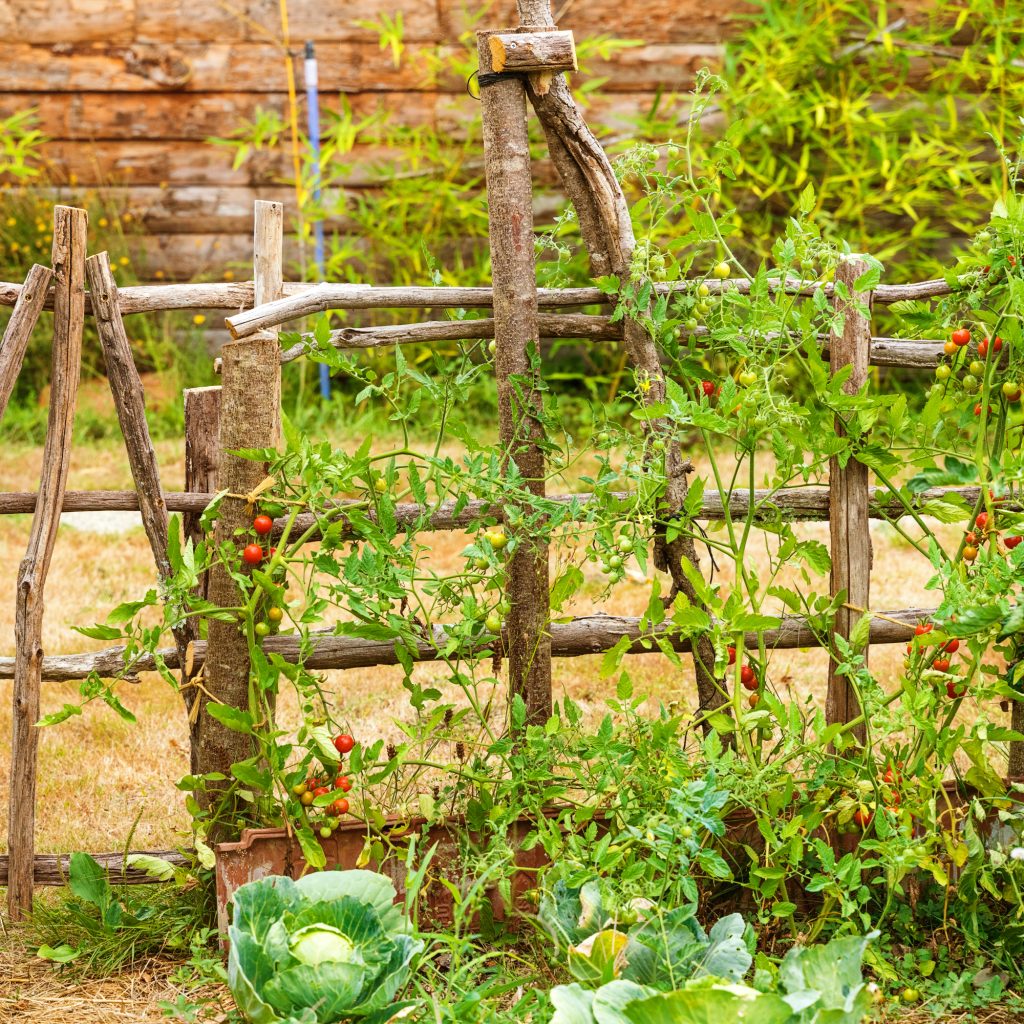
Imagine stepping into your backyard, only to find that your budding vegetable garden has been invaded by critters. Frustrating, right?
If you’ve ever faced the disappointment of seeing your hard work nibbled away, it’s time to take action. Building a vegetable garden fence is your shield against unwanted guests, ensuring that your fresh produce remains untouched and thriving. But where do you start?
Don’t worry; we’ve got you covered. In this guide, you’ll discover easy and effective ways to construct a garden fence that not only safeguards your greens but also enhances the beauty of your garden space. Stay with us, and you’ll soon have the perfect barrier to keep your veggies safe and sound.
Choosing The Right Location
Selecting the ideal spot ensures your vegetable garden fence provides protection and sunlight. Prioritize areas with good soil drainage and easy access for maintenance.
Choosing the right location for your vegetable garden fence is crucial. The location affects plant growth, accessibility, and protection. A well-chosen spot can lead to a bountiful harvest. This section will guide you through selecting the perfect site.Understanding Sunlight Needs
Vegetables love sunlight. Choose a location with at least six hours of direct sunlight daily. Observe your yard to find the sunniest spot. Morning sun is best for most vegetables. It promotes photosynthesis and growth.Considering Soil Quality
Good soil is vital for healthy plants. Test the soil where you plan to build. Look for rich, well-draining soil. Avoid areas with heavy clay or rocks. You may need to amend the soil for better fertility.Evaluating Accessibility
Your garden should be easy to reach. Consider the distance from your home. You’ll need to carry tools, water, and plants. A nearby location saves time and effort.Assessing Water Access
Water is essential for plant growth. Ensure your garden spot is near a water source. Easy access to water simplifies garden maintenance. Check for any drainage issues in the area.Checking For Pests And Animals
Animals can damage your garden. Look for signs of pests or wildlife. Avoid areas near dense woods or water sources. Choose a spot you can easily monitor. A fence will help protect your plants.Ensuring Proper Drainage
Poor drainage can ruin a garden. Find a spot where water doesn’t collect. Look for slight slopes for natural runoff. Avoid low spots that stay wet after rain.Understanding Climate Influence
Your garden’s microclimate matters. Consider wind, frost, and temperature changes. Avoid windy spots that could damage plants. Use buildings or trees as windbreaks if needed.
Credit: savvygardening.com
Selecting Materials
Choosing the right materials for a vegetable garden fence is essential for durability and effectiveness. Opt for weather-resistant options like cedar wood or galvanized steel to withstand outdoor elements. Consider mesh or wire fencing to keep pests out while allowing sunlight and air to circulate.
Selecting materials for your vegetable garden fence is crucial. The right choice can enhance durability and aesthetics. Consider your budget, climate, and desired style. These factors will guide your decision. Below are some options to explore.Wood Options
Wood provides a classic look. Popular choices include cedar and pine. Cedar is naturally resistant to rot. Pine is affordable and easy to work with. Both can be treated for extra durability. Wooden fences blend well with garden landscapes. They offer a warm, natural feel.Metal Choices
Metal fences are strong and secure. Options like aluminum and steel are popular. Aluminum is lightweight and rust-resistant. Steel offers greater strength and longevity. Metal fences require minimal maintenance. They provide a modern, sleek appearance.Plastic Alternatives
Plastic fences are versatile and cost-effective. Vinyl is a common choice. It is durable and weather-resistant. Plastic can mimic wood or metal styles. It requires little upkeep and is easy to clean. This option is ideal for those seeking low-maintenance solutions.Designing The Fence
Building a vegetable garden fence involves choosing sturdy materials like wood or metal. Ensure the fence height keeps out animals. Add a gate for easy access to your garden.
Designing the fence for your vegetable garden is an exciting endeavor that combines functionality with creativity. Your fence will not only serve as a barrier to protect your precious plants but also as a visual extension of your garden’s personality. Whether you’re keeping out determined deer or curious neighbors, a well-designed fence can transform your garden into a picturesque sanctuary.Height Considerations
When deciding on the height of your fence, think about the specific challenges your garden faces. Are you dealing with small critters like rabbits, or larger animals like deer? For smaller pests, a two to three-foot fence might suffice, whereas deer require a fence at least six to eight feet tall. Consider local regulations and neighborhood aesthetics as well. Some areas have restrictions on fence height, so checking these rules can save you trouble later. Remember, a taller fence can provide privacy, but it may also cast shadows that affect your plants’ sunlight.Aesthetic Elements
Infusing your fence with aesthetic elements can elevate your garden’s charm. Start with selecting materials that complement your garden’s style—natural wood offers a rustic feel, while metal can lend a modern edge. Color is another crucial factor. A vibrant splash of paint can make your fence a focal point, while earthy tones might blend seamlessly with the surroundings. You might even consider adding decorative elements like trellises for climbing plants or hanging planters for added greenery. Think about integrating functional aesthetics. Could your fence double as a support for vines or a backdrop for artful decorations? Your fence can be more than just a barrier; it can be an integral part of your garden’s beauty.Gathering Tools And Supplies
Gathering tools and supplies is essential for building a vegetable garden fence. Collect sturdy wooden posts, wire mesh, and a hammer. These basic materials ensure your garden remains protected from unwanted visitors.
Creating a vegetable garden fence requires gathering the right tools and supplies. Ensuring you have everything you need saves time and effort. It also ensures your fence is sturdy and effective.Choosing The Right Tools
First, select tools that suit your garden size. Basic tools like a hammer, drill, and saw are essential. For larger gardens, consider power tools for efficiency. Always check tool condition before use to avoid accidents.Picking Suitable Materials
Select materials based on durability and budget. Wood is popular for its natural look. Metal offers strength and longevity. Consider weather conditions in your area when choosing materials.Measuring And Planning
Measure your garden accurately. Proper measurements prevent material wastage. Use a tape measure for precise dimensions. Sketch a plan to visualize the fence layout.Shopping For Supplies
Visit local hardware stores for supplies. Online stores offer convenience and variety. Compare prices to find budget-friendly options. Buy extra supplies for unexpected needs.Organizing Your Workspace
Create a clean and organized workspace. Lay out tools for easy access. Keep materials nearby for efficient workflow. Safety gear should be within reach for protection.Preparing For Construction
Prepare the ground before starting. Clear debris and level the soil. Mark fence boundaries using stakes and string. This ensures straight lines and a neat finish.Preparing The Site
Clear the area of debris and weeds for a clean start. Measure the space accurately to ensure fence alignment. Ensure proper drainage to prevent water accumulation and promote healthy plant growth.
Preparing the site for your vegetable garden fence is a crucial step that sets the foundation for a successful gardening experience. Imagine stepping into your garden each morning with a sense of pride, knowing that the fence you built is not just a barrier but an integral part of your garden’s charm and functionality. Before diving into the construction, you’ll need to ensure that the site is properly prepared to support your fence and garden needs.Clearing The Area
Begin by assessing the area where you plan to install your fence. Remove any debris, rocks, or overgrown plants that might obstruct the fence line. If you’re dealing with weeds or stubborn plants, a little bit of elbow grease might be necessary to clear them out. Consider renting a tiller for larger areas. This can make the job quicker and more efficient. Do you have a favorite tool that makes clearing easier? Share your tips with fellow gardeners!Marking The Boundary
Once the area is cleared, it’s time to mark the boundary. Use stakes and string to outline where your fence will go. This helps you visualize the space and ensures straight lines during construction. Measure twice and cut once is a golden rule here. Double-check your measurements to avoid any surprises later. A simple measuring tape and some patience can save a lot of headaches! Think about the shape and size of your garden. Would a straight line or a curved design suit your space better? This is your opportunity to add a personal touch to your garden. Preparing the site with care not only makes the construction process smoother but also ensures your fence lasts longer and serves its purpose effectively.Building The Fence
Creating a vegetable garden fence is essential for protecting your plants. Choose durable materials like wood or metal, and ensure the fence is tall enough to deter animals. Secure the posts firmly in the ground for stability.
Building a sturdy fence around your vegetable garden is a fantastic way to protect your plants from unwanted visitors. Whether you’re battling curious pets or hungry wildlife, a well-constructed fence acts as a reliable barrier. Plus, it adds a charming rustic aesthetic to your garden space. Ready to dive into the nitty-gritty of fence building? Let’s break it down step by step.Setting The Posts
Start by marking the perimeter of your garden with stakes and string to ensure straight lines. This helps you visualize the exact placement of your fence. Next, dig holes for the posts using a post hole digger. Aim for a depth of at least one-third the total length of your post for stability. For example, if you’re using six-foot posts, dig two-foot holes. Place each post into its hole and fill with a mix of gravel and soil. Compact the soil firmly around each post to secure it in place. This is crucial for withstanding wind and other elements.Attaching The Panels
Once your posts are securely set, it’s time to attach the fence panels. Measure and cut your panels to fit between the posts. Wood, wire, or mesh panels can all work well, depending on your needs and aesthetic preferences. Secure each panel to the posts using galvanized screws or nails. Ensure that the panels are level and taut as you attach them. A level tool can be handy here to keep everything straight. Consider adding a gate for easy access to your garden. You can build a simple gate using the same materials as your panels, ensuring consistency in appearance and function. By following these steps, you’ll not only create a functional fence but also enhance the visual appeal of your garden. Have you considered personalizing your fence with paint or decorative elements? Little touches can make your garden even more inviting.Adding Gates And Access Points
Ensure easy access with well-placed gates in your vegetable garden fence. Choose durable materials for secure entry points. Position gates strategically for convenience and practicality.
Adding gates and access points to your vegetable garden fence is essential. They provide convenient entry while maintaining security. A well-placed gate ensures easy access for planting, watering, and harvesting. It also adds aesthetic appeal. Let’s explore how to incorporate gates effectively. Select a location that offers easy access to your garden. Consider the natural pathways and traffic flow. Ensure the ground is level to support the gate structure. A central location can be ideal for larger gardens.Selecting The Gate Material
Choose durable materials like wood or metal for your gate. Wood offers a rustic look and blends well with nature. Metal provides strength and longevity. Match the gate material with your fence for a cohesive appearance.Gate Size And Dimensions
Determine the size of the gate based on your needs. A standard width of 36 inches allows easy movement. Ensure the height matches your fence for consistency. Larger gates may be necessary for equipment access.Installing The Gate
Secure the gate with sturdy hinges. Attach them to a strong post for support. Use a level to ensure the gate hangs evenly. Test the gate for smooth opening and closing. Adjust as needed for proper alignment.Adding A Lock Or Latch
Install a reliable lock or latch for security. Choose a latch that is easy to operate. A simple hook-and-eye latch works well for small gates. For added security, consider a padlock or bolt latch.Maintaining The Gate
Regular maintenance keeps your gate in good condition. Check hinges and latches for rust or damage. Tighten any loose screws or bolts. Repaint or seal wooden gates to protect from weather. This ensures longevity and functionality.
Credit: savvygardening.com
Securing The Fence
Creating a vegetable garden fence enhances security and keeps pests away. Use sturdy materials like wood or wire mesh for durability. Choose a design that complements your garden’s look while providing effective protection.
Securing the Fence Creating a sturdy fence is vital for protecting your garden. A well-secured fence keeps pests out and ensures your plants thrive. Let’s explore two key aspects of securing your vegetable garden fence: reinforcing for durability and ensuring stability.Reinforcing For Durability
Using strong materials ensures your fence lasts long. Metal posts offer excellent support and resist weather damage. Wooden posts can be treated to prevent rot. Choose wire mesh that withstands bending or breaking. Tightly secure the mesh to each post. This prevents gaps that pests can exploit. Consider adding a top rail for added strength. It keeps the posts aligned. This reduces stress and extends the life of the fence. Regularly inspect the fence for weak spots. Repair any damage promptly. This maintains the integrity of the structure.Ensuring Stability
Stability is crucial for a secure fence. Ensure each post is deeply set in the ground. This prevents leaning or collapsing. Use concrete for anchoring posts in place. It provides a firm base that withstands strong winds. Spacing is important for maintaining balance. Posts should be evenly spaced to support the weight of the mesh. Use a level to check alignment during installation. This ensures a straight and stable fence. Check the tension of the wire mesh regularly. Tighten it if necessary. A loose mesh can sag and weaken the fence. Regular maintenance keeps the fence stable. This protects your garden effectively.Maintaining Your Fence
A vegetable garden fence is more than a barrier; it’s a guardian of your hard work and a protector of your crops. To keep it effective, regular maintenance is key. Think of your fence as a living part of your garden, requiring attention and care to ensure it stands strong against the elements. By dedicating a little time to upkeep, you can prevent small issues from turning into major headaches. Let’s dive into the specifics of maintaining your fence, ensuring it continues to serve its purpose brilliantly.
Regular Inspections
Make a habit of inspecting your fence at least once a season. Walk along its length, checking for signs of wear and tear. Look for loose boards, rust on metal parts, and any signs of rot. Consider taking notes of any issues so you can address them systematically. Is there a section that seems weaker than the rest? Identifying potential problems early can save you significant effort and cost down the road.
Repair Tips
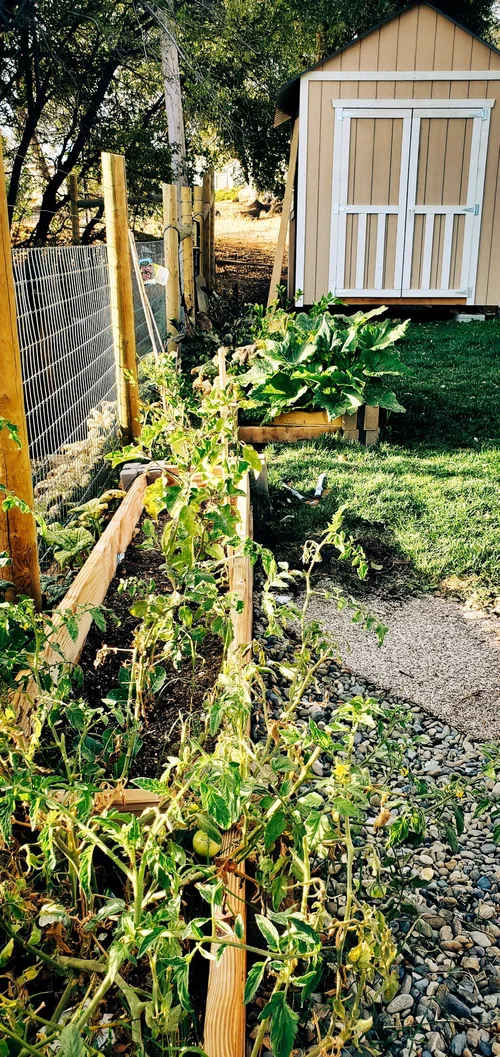
When repairs are needed, tackle them promptly. For wooden fences, keep some spare boards on hand for quick fixes. If a post is loose, reinforce it with fresh soil or concrete to ensure it stands firm. Use a wire brush to clean rust off metal parts, followed by a protective coat of paint to prevent further corrosion. Remember, a stitch in time saves nine. Have you ever considered using recycled materials for repairs? It can be both cost-effective and environmentally friendly.
Credit: bessieroaming.com
Frequently Asked Questions
What Is The Best Fence For A Vegetable Garden?
A welded wire fence is ideal for vegetable gardens. It provides strong protection against pests and animals. Ensure the fence is at least 4 feet high. Use durable materials like galvanized steel for longevity. This type of fence is both effective and budget-friendly, ensuring your garden remains safe and secure.
How High Does A Vegetable Garden Fence Need To Be?
A vegetable garden fence should be 2 to 3 feet tall to deter rabbits. For deer, aim for 8 feet. This height prevents most common garden pests from entering and ensures plant safety. Consider local wildlife and adjust as needed for optimal protection.
How To Make A Garden Fence Diy?
To make a DIY garden fence, measure your area and gather materials like wooden posts and wire mesh. Dig post holes, set posts in concrete, and attach the mesh. Ensure stability by securing each post and mesh tightly. Customize with paint or stain for added protection and aesthetics.
What Is The Cheapest Type Of Garden Fencing?
Chicken wire is the cheapest garden fencing option. It is affordable, lightweight, and easy to install. It provides basic protection against small animals. You can use it for temporary fencing or to support climbing plants. Always consider your garden needs before choosing this economical option.
Conclusion
Building a vegetable garden fence is easier than you think. Follow simple steps. Choose materials wisely. Measure carefully. Cut and assemble parts. Secure the fence firmly. Keep pests away from your plants. Ensure sunlight reaches your garden. Regularly check the fence for damages.
Repair when necessary. Your garden will thrive. Vegetables will grow healthy. Enjoy the fruits of your labor. Share your bounty with family and friends. Gardening brings joy and peace. Your fence supports this journey. Start today. Build your fence. Watch your garden flourish.


