Are ants turning your garden soil into their bustling metropolis? If you’ve noticed these tiny invaders marching through your precious plants, you might be wondering how to reclaim your green sanctuary.
Ants, while fascinating, can disrupt your gardening efforts, disturbing the soil and even farming aphids on your plants. But don’t worry—you’re about to discover effective and safe ways to say goodbye to these pesky intruders. Imagine stepping into your garden, feeling the serenity, knowing it’s a haven for your plants, not ants.
This isn’t just a dream; it’s achievable! In this guide, you’ll learn simple yet powerful techniques to rid your garden soil of ants. By the end, you’ll have the confidence to keep your garden thriving and ant-free. So, let’s dive in and find out how you can restore peace to your garden oasis!

Credit: www.altapestcontrol.com
Identifying Ant Infestations
Spotting tiny trails or mounds in your garden soil often signals ant activity. Address infestations by using natural repellents like diatomaceous earth or vinegar solutions, ensuring a safe and effective approach to control ants without harming your plants.
Identifying ant infestations in garden soil is crucial for effective control. Ants can disrupt plant growth and soil health. Recognizing their presence early helps manage them.Signs Of Ant Presence
Ants leave visible trails on the soil surface. Small mounds or nests are common indicators. Plants may show stress or damage due to ants disturbing roots. You might notice tiny holes in the soil. Ants often gather around food sources or water.Common Ant Species In Gardens
Several ant species invade gardens. Carpenter ants can cause structural damage. Fire ants are aggressive and sting. Pavement ants create visible trails. Odorous house ants emit a strong smell when crushed. Understanding species helps tailor control methods.Natural Remedies
Natural remedies can effectively control ants in garden soil. Diatomaceous earth works by dehydrating ants upon contact. A mix of vinegar and water disrupts ant trails, deterring them.
Natural remedies can be an effective and environmentally friendly way to tackle ant problems in your garden soil. Using ingredients you likely already have at home, you can create solutions that not only deter ants but also protect your plants and soil health. Let’s explore some practical approaches to controlling ants naturally.Diatomaceous Earth Application
Diatomaceous earth is a powerful tool in your ant control arsenal. It’s a natural sedimentary rock that feels like powder but is lethal to insects. Sprinkle it around ant trails and nests. When ants walk over it, the particles cut through their exoskeleton, leading to dehydration. Make sure to apply it during dry weather, as moisture reduces its effectiveness. Have you ever noticed ants avoiding a certain area? Try diatomaceous earth there. It might just do the trick.Using Vinegar And Water Solutions
A simple mix of vinegar and water can disrupt ant trails and deter them. Combine equal parts of vinegar and water in a spray bottle. Directly spray the solution onto ant hills and pathways. The strong scent masks their pheromone trails, confusing the ants. Consider spraying this mixture regularly. You’ll notice fewer ants and a fresher garden aroma.Essential Oils For Ant Control
Essential oils like peppermint and tea tree oil are natural ant repellents. Their strong odors interfere with ant communication. Mix a few drops of your chosen oil with water in a spray bottle. Spritz it around garden beds and on ant trails. Have you tried peppermint oil before? Its refreshing scent might be your new favorite garden aroma while keeping ants at bay. By using these natural remedies, you can maintain a healthy garden ecosystem while managing ant populations.Chemical Solutions
Chemical solutions offer a practical way to eliminate ants in garden soil. Opt for products with boric acid or diatomaceous earth. These substances disrupt ants’ exoskeletons, effectively controlling their population.
Chemical solutions are effective for controlling ants in garden soil. They offer quick results and can be applied easily. Yet, it’s important to choose the right pesticide and apply it safely.Selecting The Right Pesticide
Choose a pesticide labeled for ant control in gardens. Look for products containing bifenthrin or permethrin. These chemicals are effective against ants. Read the label carefully before purchasing. Ensure it’s suitable for your garden plants. Some pesticides harm certain plant species. Consider the size of your garden. Choose a product that covers the area adequately.Safety Precautions With Chemicals
Safety is crucial when using chemical solutions. Wear protective gear like gloves and masks. Avoid skin contact with the pesticide. Ensure children and pets are away during application. Follow the instructions on the label. Store chemicals in a safe place. Keep them away from food and water sources. Dispose of empty containers properly. Never reuse pesticide containers.Application Techniques
Apply pesticides using a sprayer or spreader. Follow the instructions for mixing and applying. Spray evenly across the affected area. Avoid oversaturation to prevent damage to plants. Target areas where ants are most active. Apply during early morning or late afternoon. This reduces evaporation and increases effectiveness. Reapply if necessary, following the recommended schedule. Regular monitoring helps assess the need for additional treatment.
Credit: www.ugaoo.com
Preventive Measures
Natural deterrents like diatomaceous earth can effectively eliminate ants in garden soil. Maintaining clean and dry surroundings discourages ant colonies. Regularly inspect and remove food sources to prevent infestation.
Preventive Measures are key in managing ants in garden soil. By taking proactive steps, you can maintain a healthy garden without resorting to chemicals. These measures focus on keeping ants at bay naturally.Soil Maintenance Practices
Regularly turn and aerate your soil. This disrupts ant colonies. Consistent watering helps too. Ants prefer dry soil. Keep soil moist to deter them. Adding organic matter improves soil health. It also makes it less attractive to ants.Creating Natural Barriers
Use substances ants dislike as barriers. Sprinkle cinnamon or coffee grounds around plants. These natural repellents keep ants away. Planting mint or garlic near garden edges helps too. Their strong scents deter ants effectively.Encouraging Beneficial Insects
Invite helpful insects into your garden. Ladybugs and beetles prey on ants. Plant flowers to attract them. Daisies and marigolds work well. These insects naturally control ant populations. They maintain a balanced garden ecosystem.Environmental Considerations
Ants in garden soil can be controlled by using natural methods. Opt for diatomaceous earth or boiling water to minimize environmental harm. These solutions protect both your plants and the ecosystem.
When managing ants in your garden soil, it’s crucial to consider the environmental impact. You might be tempted to reach for the strongest pesticides, but the consequences can be far-reaching. Understanding the ecological footprint of your actions ensures a healthy balance between pest control and protecting nature.Impact On Ecosystem
Every garden is part of a larger ecosystem. Ants, while sometimes a nuisance, play essential roles like aerating soil and recycling nutrients. Using harsh chemicals to eradicate them can disrupt these beneficial processes, affecting plant health and soil quality. Moreover, chemical pesticides can harm beneficial insects like bees and butterflies. These creatures are vital for pollination, and their decline can lead to reduced plant growth and crop yields. It’s important to assess whether the immediate removal of ants is worth the potential long-term damage to your garden’s ecosystem.Balancing Pest Control With Nature
Finding a balance between managing ants and preserving your garden’s health is key. Consider natural remedies that target ants without harming other wildlife. For instance, diatomaceous earth can be sprinkled around plant bases to deter ants while remaining safe for other insects and plants. Encourage natural predators by creating habitats that attract birds and beneficial insects. Ladybugs and certain bird species can naturally control ant populations. You could also experiment with companion planting, using plants like mint or lavender, which naturally repel ants. Ask yourself: Can you live with a few ants if it means maintaining a thriving ecosystem? This perspective can lead to more sustainable gardening practices that benefit both your plants and the environment.
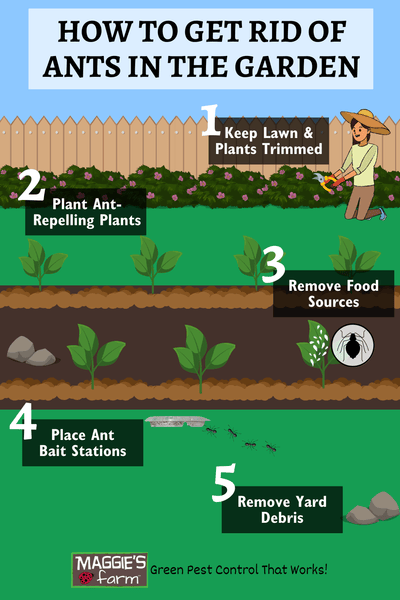
Credit: maggiesfarmproducts.com
Frequently Asked Questions
How To Get Rid Of Ants In Soil?
Mix equal parts of water and vinegar, then spray the soil. Introduce beneficial nematodes to control ants naturally. Keep soil dry to deter ants. Use diatomaceous earth as a natural repellent. Regularly remove debris and excess mulch to reduce ant habitats.
What Is Best To Kill Ants In The Garden?
Use diatomaceous earth for natural ant control in gardens. Apply it evenly around ant trails and nests. This powder dehydrates ants, effectively killing them. Alternatively, try a mixture of borax and sugar water, attracting ants and eliminating them. Regularly check and reapply to maintain effectiveness.
What Is The Best Natural Ant Killer For Gardens?
Diatomaceous earth is the best natural ant killer for gardens. It dehydrates ants, killing them effectively. Sprinkle it around plants and entry points. Keep it dry for optimal results. Safe for plants and pets, diatomaceous earth is eco-friendly and non-toxic, making it an ideal choice for gardeners.
Why Do I Have So Many Ants In My Vegetable Garden?
Ants in your vegetable garden are attracted by aphids and other pests. They feed on honeydew from aphids. Reduce ants by controlling aphids and removing debris. Use barriers or natural repellents to deter ants from the garden. Regularly check plants and soil for infestations.
Conclusion
Dealing with ants in garden soil can be challenging. But, effective methods exist. Natural remedies and careful management work best. Maintaining soil health is crucial. Regular monitoring helps you stay ahead of infestations. Avoid harsh chemicals to protect plants and environment.
Simple solutions often yield good results. Keep experimenting with safe options. Your garden can thrive without ant issues. Enjoy a healthy, productive garden space. Implement these strategies and watch your garden flourish. Remember, patience and persistence are key. A little effort goes a long way in keeping ants at bay.
Happy gardening!