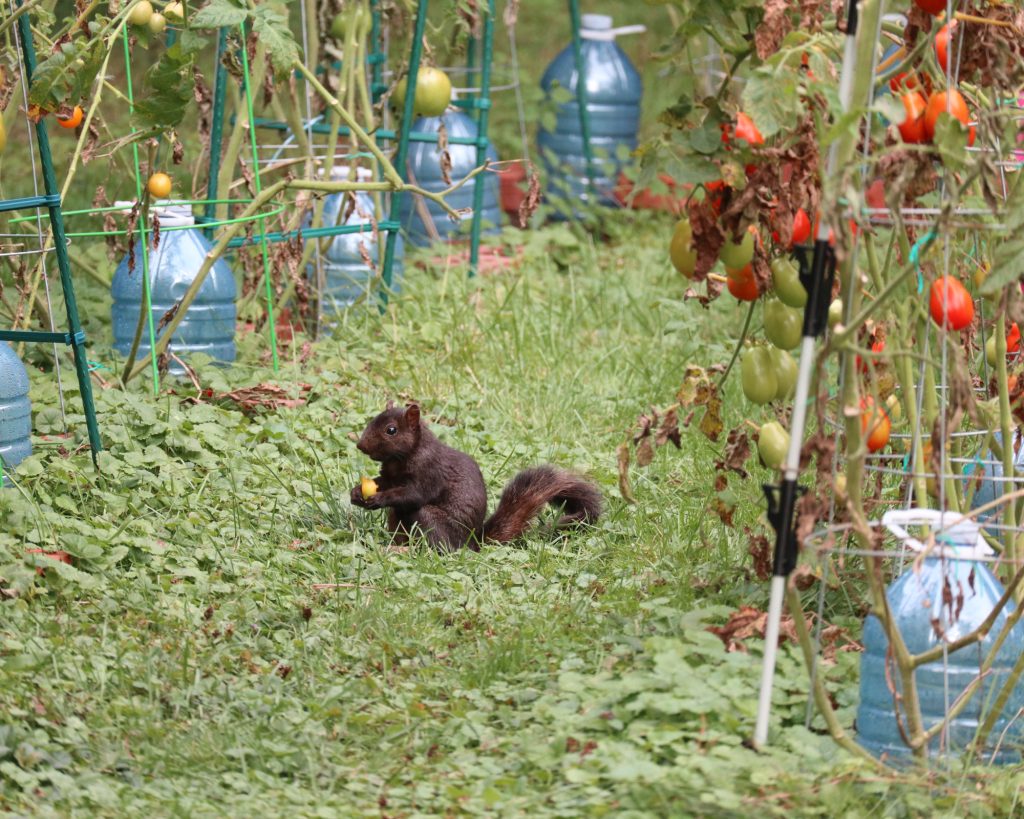
Are you tired of waking up to find your vegetable garden raided by those pesky squirrels? You’re not alone.
These furry little intruders can wreak havoc on your carefully tended plants, leaving you frustrated and your hard work in shambles. But don’t worry, there is hope! By understanding a few simple strategies, you can reclaim your garden and keep those squirrels at bay.
Imagine stepping into your lush garden, knowing your vegetables are safe and thriving. Sounds good, right? Stick around to discover effective ways to protect your precious greens and enjoy the fruits (and veggies!) Of your labor without any furry interruptions.
Understanding Squirrel Behavior
Understanding squirrel behavior is crucial for keeping them out of your vegetable garden. These small creatures are known for their agility and curiosity. Observing their habits can help you protect your garden.
Common Habits
Squirrels are active during the day. They love to climb trees and explore their surroundings. Quick movements help them avoid predators. They often dig in the soil to bury food. This behavior can disrupt garden beds.
They are social animals. They communicate with each other using sounds and body language. This social nature can lead to many squirrels gathering in one area. When you see one, there might be more nearby.
Why They Target Gardens
Gardens offer a rich source of food for squirrels. Vegetables and fruits are easy targets. The smell of ripe produce attracts them. Gardens also provide shelter. Bushes and trees around a garden give squirrels a safe place.
During certain seasons, food becomes scarce. Gardens become even more attractive then. Squirrels may be more persistent in their search for food. They can damage plants while seeking nourishment.

Credit: www.bloominganomaly.com
Identifying Squirrel Damage
Spotting squirrel damage involves checking for chewed leaves and uprooted plants. Broken stems and missing fruits are telltale signs. Keep squirrels away with netting or fences around your vegetable garden.
Identifying squirrel damage in your vegetable garden can be a bit tricky but is essential for keeping your plants safe and thriving. If you’ve noticed your garden yields aren’t what they used to be, squirrels might be the culprits. These crafty critters can wreak havoc, leaving behind specific clues that can help you identify their presence.Signs Of Squirrel Activity
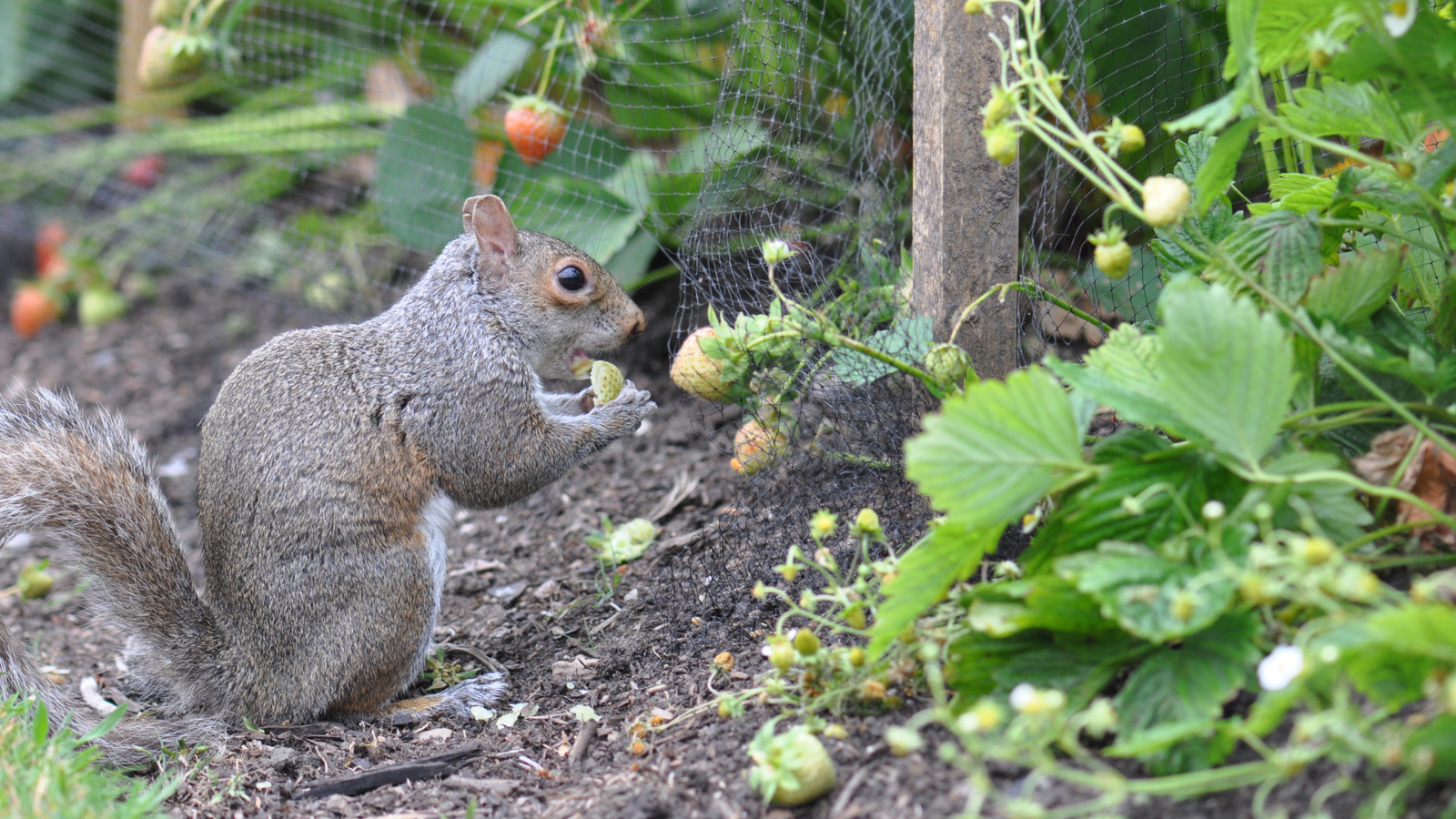
Squirrels often leave distinct marks in your garden. Look for shallow digging in the soil, as they search for buried seeds and bulbs. You might find partially eaten vegetables, particularly tomatoes, with bite marks or teeth marks on them. If you see small holes scattered around, it’s likely that squirrels are burying or searching for their hidden stash. Pay attention to scattered leaves or uprooted plants, suggesting squirrel activity.Differences From Other Pests
Understanding how squirrel damage differs from other pests can save your garden. While rabbits tend to eat the entire plant, squirrels usually nibble on parts. Birds might peck at fruits, but they don’t dig in the soil like squirrels do. Unlike deer, squirrels won’t leave large hoof prints or eat the tops of plants completely. They focus more on the seeds and fruits, leaving behind distinct chew marks. Knowing these differences can help you pinpoint the right pest and implement effective strategies. What signs have you noticed in your garden?Physical Barriers
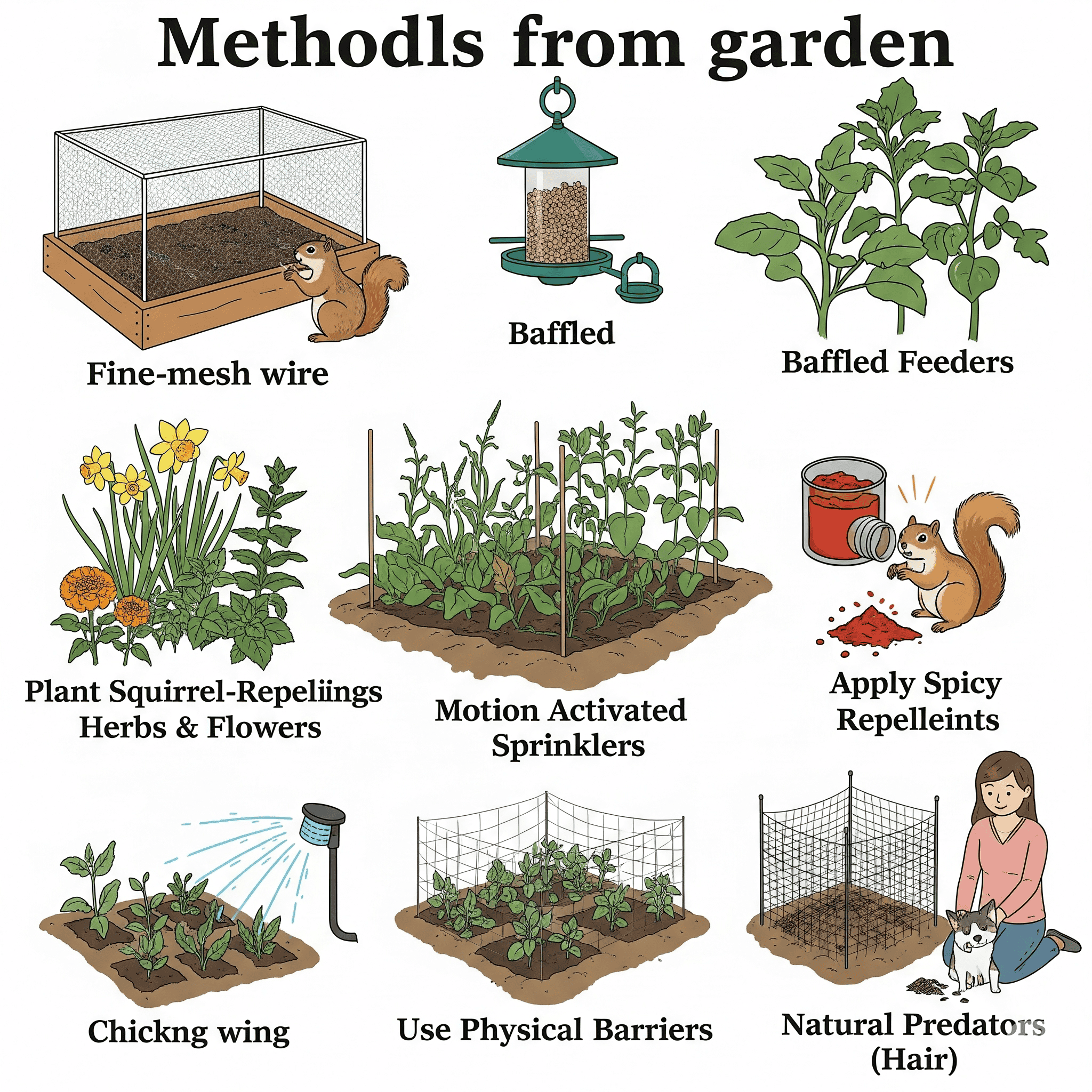
Install a sturdy fence around your vegetable garden to deter squirrels. Use mesh or chicken wire for effective barriers. Ensure the fence is tall and buried a few inches underground.
Physical barriers are essential in keeping squirrels away from your vegetable garden. They provide a strong defense against these persistent invaders. By creating physical barriers, you can protect your plants effectively. Let’s explore some popular options to safeguard your garden.Fencing Options
Fences are a reliable way to block squirrels. Choose a fence with small gaps. This prevents squirrels from squeezing through. Consider using hardware cloth or chicken wire. Both are durable and strong. Ensure the fence is at least four feet high. Squirrels are agile climbers, so height matters. Bury the bottom of the fence six inches deep. This stops squirrels from digging underneath.Netting And Covers
Netting can be an effective solution. It covers plants without harming them. Select a fine mesh netting. This will keep squirrels away from your vegetables. Place netting over vulnerable plants. Secure it firmly to the ground. Floating row covers are another option. They protect seedlings and young plants. Covers are lightweight and easy to use. They let sunlight and rain reach your plants.Natural Deterrents
Natural deterrents like peppermint oil or cayenne pepper can protect vegetable gardens from squirrels. Planting marigolds or installing motion-activated sprinklers also helps keep these critters away.
Natural deterrents can effectively keep squirrels out of your vegetable garden. They are safe and eco-friendly. These methods help protect your plants without harming wildlife. Let’s explore some natural ways to deter squirrels.Plants Squirrels Avoid
Squirrels dislike certain plants. These can create a natural barrier. Marigolds, for example, have a strong scent. Squirrels find it unpleasant. Planting them around your garden can help. Daffodils are another good choice. They contain a toxin that squirrels avoid. Garlic and onions also repel squirrels. Their strong odor keeps these critters at bay. Consider adding these plants to your garden. They enhance beauty and deter pests.Homemade Repellents
Homemade repellents are easy to make. They can be effective against squirrels. A simple recipe uses vinegar and water. Mix equal parts in a spray bottle. Spray this around your plants. The smell deters squirrels from coming close. Another option is spicy spray. Mix water with crushed red pepper flakes. Let it steep overnight. Strain and spray around your garden. The spicy scent discourages squirrels. Coffee grounds can also be a deterrent. Spread them around your garden. Their strong smell keeps squirrels away. Regular application ensures effectiveness.Commercial Products
Prevent squirrels from invading your vegetable garden with commercial repellents. These products use scents squirrels dislike, keeping them away. Install motion-activated sprinklers to scare them off without harm.
When your vegetable garden becomes a buffet for squirrels, commercial products can offer an effective solution. These products are designed to deter squirrels without harming them. Let’s explore some options that can help protect your garden.Repellent Sprays
Repellent sprays can be a game changer in keeping squirrels at bay. These sprays often use natural ingredients like capsaicin, which gives peppers their heat. When applied to plants, it creates a taste squirrels find unappealing. Imagine treating your garden once a week and watching the squirrels’ confused reactions as they taste-test your veggies. Consistent use can condition them to avoid your garden altogether. Remember to reapply after rain, as water can wash away the repellent.Ultrasonic Devices
Ultrasonic devices are a high-tech option that can work wonders. These devices emit high-frequency sounds that are unpleasant to squirrels but inaudible to humans. They cover a specific area, so proper placement is key. Have you ever thought about how technology could guard your garden? Place these devices strategically around your garden to create a sound barrier. Just ensure the devices are weatherproof and check their range to cover your entire garden space. With the right commercial products, you can enjoy the fruits of your labor without sharing with the neighborhood squirrels. Which solution will you try first?Creating An Unfriendly Environment
Creating an Unfriendly Environment Use strong scents like garlic and peppermint to deter squirrels. Install reflective objects or motion-activated sprinklers. These methods can effectively keep squirrels out of your vegetable garden.
Creating an Unfriendly Environment Squirrels can be a real nuisance in vegetable gardens. Creating an environment that discourages them is key. By making your garden less inviting, you can protect your plants. Focus on removing their attractions and maintaining your space diligently.Removing Food Sources
Squirrels are attracted to easy meals. Remove fallen fruits and nuts promptly. Secure garbage bins tightly. Compost piles should be covered. Bird feeders can be a source too. Consider moving them away from your garden. Keep seeds and grains stored securely indoors.Maintaining A Clean Garden
A tidy garden is less inviting. Clear debris and prune plants regularly. Trim overgrown shrubs and bushes. These can provide shelter for squirrels. Regularly sweep and clean pathways. Remove any unnecessary clutter. Broken branches and excess leaves should be cleared. Install fences or netting around your garden. This adds an extra layer of protection.Companion Planting
Companion planting is a smart way to protect your vegetable garden. This technique involves growing certain plants together to benefit each other. Some plants can naturally repel pests, like squirrels. They can also enhance growth and flavor. By carefully selecting and placing plants, you can create a harmonious garden environment. This can deter unwanted visitors and improve your harvest.
Plants That Repel Squirrels
Certain plants have scents or properties that squirrels dislike. These plants can act as natural deterrents. Here are some options:
- Marigolds:Their strong scent keeps many pests away.
- Daffodils:Squirrels avoid these due to their unappealing taste.
- Mint:Its pungent aroma is unpleasant for squirrels.
- Alliums:Onions and garlic deter with their strong scent.
Plant these around the perimeter of your garden. They form a protective barrier. This can keep squirrels from entering.
Strategic Garden Layout
Arranging your garden wisely can also help deter squirrels. Consider these strategies:
- Mixed Planting:Combine different plants to confuse pests.
- Height Variation:Use tall plants to shield shorter ones.
- Dense Planting:Close planting reduces space for squirrels to move.
Plan your garden layout with these ideas. It not only deters squirrels but also optimizes space. A well-planned garden is less vulnerable to unwanted visitors.
Credit: www.outdoorguide.com
Alternative Feeding Stations
Setting up alternative feeding stations can divert squirrels from your vegetable garden. Place feeders with nuts and seeds far from plants to satisfy their hunger elsewhere. Keeping these stations stocked helps protect your garden from unwanted guests.
Creating alternative feeding stations for squirrels is an effective way to protect your vegetable garden. By offering them a dedicated space with food, you can divert their attention away from your precious produce. This approach not only keeps your garden safe but also allows you to coexist peacefully with these curious creatures.Diverting Squirrels
One of the simplest ways to keep squirrels out of your garden is by diverting them with alternative food sources. You might be wondering, why feed them at all? The answer is simple: if they’re happily munching elsewhere, they’ll be less tempted by your veggies. Set up feeding stations at the far corners of your yard. Choose locations away from the garden to draw them away. Offer them snacks they love, like sunflower seeds, nuts, or corn. Think of it as a small investment for a squirrel-free garden. You’ll find that this diversion tactic can dramatically reduce their visits to your crops.Setting Up Feeding Areas
When setting up feeding areas, focus on accessibility and visibility. Squirrels are naturally curious, so make these stations easy for them to find. Use a sturdy platform or a simple bird feeder to hold the food. Consider placing the feeding stations at varying heights. This mimics their natural feeding habits and keeps them entertained. You can even create a small shelter to protect the food from rain. This ensures the food remains fresh and appealing, keeping squirrels satisfied and away from your garden. By offering these alternative feeding stations, you’ll not only protect your vegetables but also enjoy watching squirrels in their playful element. Have you ever tried this approach in your garden? It might just be the solution you’ve been seeking.Using Traps Humanely
Using traps humanely helps keep squirrels out of your vegetable garden. Choose safe, non-lethal traps to relocate them gently. Protect your harvest while respecting wildlife.
Keeping squirrels out of your vegetable garden can be a challenging task. One effective way to manage this issue is by using traps humanely. While it may seem daunting, humane trapping can be a responsible choice that ensures the safety of both your garden and the animals. Let’s explore how you can implement this method effectively.Types Of Traps
Selecting the right type of trap is crucial. There are several humane options available:- Live Cage Traps:These traps capture squirrels without harming them. They are widely available at garden centers and hardware stores.
- One-Way Door Traps:Designed to let squirrels enter but not exit, ensuring they are safely contained until relocation.
Safe Relocation Practices
Once you’ve trapped a squirrel, it’s important to relocate it safely:- Check local wildlife regulations to ensure compliance with relocation laws.
- Relocate squirrels to a suitable environment, ideally a forested area far from residential zones.
- Ensure the relocation site has adequate food and shelter for the squirrels.
Credit: squirrelsinfo.com
Community And Professional Help
Local communities and professional services offer valuable advice to deter squirrels from your vegetable garden. Collaborate with neighbors for shared solutions or consult experts for tailored prevention strategies.
Community and professional help can be vital in keeping squirrels out of your vegetable garden. Local resources and expert advice offer solutions tailored to your environment. With their assistance, you can create a garden that thrives without squirrel interference.Local Wildlife Services
Local wildlife services provide valuable insights into squirrel behavior. They understand the patterns and habits of local squirrels. These professionals might suggest humane ways to deter them. They often know the best protective measures suited to your area. Contacting them can lead to effective, community-friendly solutions. They may also offer workshops or resources to educate gardeners.Garden Expert Consultation
Consulting with a garden expert can enhance your garden’s defenses. Experts often have experience with various garden pests. They can recommend specific plant arrangements that discourage squirrels. These professionals might suggest physical barriers or repellents. They often know which tools or products are most effective. A consultation can provide personalized strategies for your garden’s needs.Frequently Asked Questions
How Do You Keep Squirrels From Eating Your Vegetables?
Use netting or fencing to protect vegetable gardens from squirrels. Plant deterrent flowers like marigolds nearby. Apply natural repellents such as peppermint oil. Install motion-activated sprinklers to scare them away. Regularly clean fallen fruits or nuts to reduce attraction.
Do Coffee Grounds Keep Squirrels Away?
Coffee grounds can help deter squirrels due to their strong smell. Sprinkle them around plants to keep these critters away. Regularly refresh the grounds for continued effectiveness. This natural method is eco-friendly and cost-effective for garden protection.
How Do I Keep Squirrels From Eating My Tomatoes?
Use physical barriers like netting or cages to protect tomatoes. Apply repellent sprays with strong scents squirrels dislike. Introduce natural predators or decoy owls to deter them. Keep your garden clean to eliminate food sources. Plant squirrel-resistant varieties or companion plants that deter them.
How To Keep Squirrels Out Of Raised Vegetable Beds?
Use mesh or chicken wire to cover vegetable beds. Install motion-activated sprinklers to deter squirrels. Plant squirrel-repelling flowers like marigolds nearby. Spread predator urine or use commercial squirrel repellents. Regularly clean up fallen fruits or nuts to minimize attraction.
Conclusion
Your vegetable garden can thrive without squirrel interference. Use simple barriers like fences. Try natural repellents for added protection. Plant squirrel-resistant crops around the garden. Keep the area clean to deter pests. Regular checks help maintain your defenses. Consistent strategies ensure long-term success.
Remember, patience and persistence pay off. Squirrels can be challenging, but not unbeatable. Enjoy your harvest without worries. Your efforts create a peaceful, productive garden. Keep exploring new methods. Your garden deserves the best care. Stay committed and watch your vegetables flourish.


