
Struggling to keep cats out of your garden? You’re not alone.
Cats can be charming companions, but when they treat your garden as their personal playground, it can be frustrating. Imagine stepping outside to enjoy your morning coffee, only to find your carefully planted flowers trampled or your fresh vegetable patch turned into a litter box.
Not the peaceful start you were hoping for, right? In this guide, you’ll discover simple, effective strategies to reclaim your garden sanctuary. Whether you’re a seasoned gardener or just starting out, these tips will help you enjoy a cat-free garden without any fuss. Ready to transform your garden into a feline-free zone? Let’s dive in!
Understanding Cat Behavior
Understanding Cat Behavior Keep your garden cat-free by using natural deterrents like citrus peels or coffee grounds. Cats dislike these smells and will avoid them. Consider planting lavender or rosemary, as cats tend to stay away from these plants. A motion-activated sprinkler can also scare them off effectively.
Understanding cat behavior is crucial for keeping them out of your garden. Cats are curious creatures. They explore new environments with keen interest. Gardens offer them a variety of stimuli. From scents to textures, everything is intriguing to them. Cats are also territorial animals. They mark areas they consider their own. Identifying these behaviors helps in designing effective deterrents.Why Cats Are Drawn To Gardens
Cats find gardens appealing for several reasons. They enjoy soft soil for digging. Fresh plants provide enticing smells. Gardens often have insects and small animals. These are perfect for hunting and playing.The Territorial Nature Of Cats
Territorial instincts make cats visit gardens repeatedly. They mark their territory through scent. This marking signifies ownership. It discourages other cats from entering. Understanding this helps in preventing their visits.Curiosity And Exploration
Curiosity drives cats to explore new places. Gardens are filled with mysteries. The movement of leaves fascinates them. They love chasing shadows and insects. Providing alternate play areas can redirect their curiosity.Seeking Shelter And Comfort
Cats look for safe and cozy spots. Gardens can offer shelter. Bushes and trees provide cover. Warm soil provides comfort. Blocking these areas can deter them.Understanding Cat Communication
Cats communicate through body language. Tail movements signal their mood. Ears and eyes convey emotions. Observing these can reveal their intentions. It aids in predicting their next move.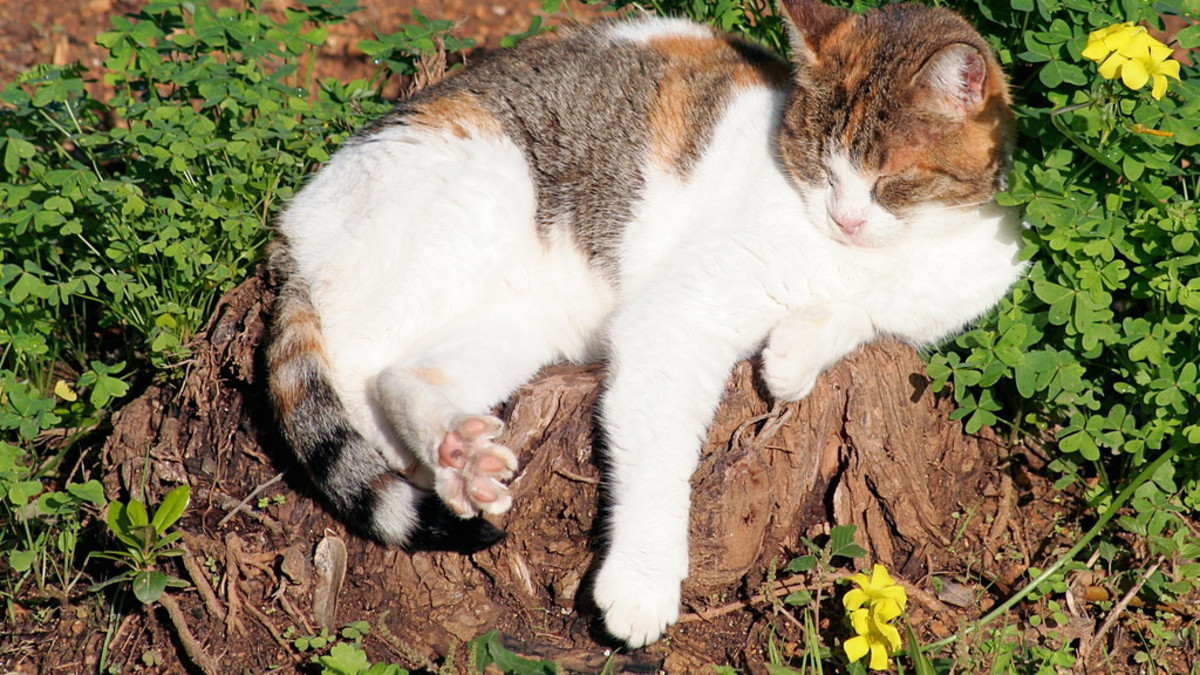
Credit: dengarden.com
Natural Deterrents
Cats in your garden can be a challenge. Natural deterrents offer a gentle solution. These methods are pet-friendly and effective. With a few simple steps, you can protect your plants. Let’s explore some natural options to keep cats away.
Herbs And Plants
Certain plants can deter cats. Lavender has a strong scent cats dislike. Plant it around garden edges for a fragrant barrier. Rue is another option. Its aroma is unpleasant to cats. It also adds greenery to your garden.
Rosemary works as a deterrent too. Its woody scent is not appealing to cats. You can plant it in pots or directly in soil. Coleus canina, often called “scaredy cat plant,” is effective. Its smell keeps cats at bay. Place it strategically for maximum effect.
Essential Oils
Essential oils can deter cats naturally. Citrus oils are a popular choice. Cats find their smell overwhelming. Use lemon or orange oil for best results. Mix a few drops with water. Spray around garden borders or on plants.
Peppermint oil is another option. Its minty scent is off-putting to cats. Create a spray using peppermint oil and water. Apply it where cats frequent. Avoid spraying directly on delicate plants.
Eucalyptus oil can also help. Its strong smell deters cats effectively. Use it sparingly to avoid overpowering scents. Mix with water and spray in problem areas.
Physical Barriers
Physical barriers can effectively keep cats out of your garden. They provide a tangible solution to protect your plants and flowers. These barriers create a boundary that deters curious cats from entering the space. Let’s explore some practical options.
Fencing Options
Fences are a popular choice for keeping cats away. A tall fence can block their entry. Opt for materials like wood or metal. These are sturdy and difficult for cats to climb. Ensure the fence height is at least six feet. Consider adding a smooth top to prevent climbing.
Another option is using a cat-proof fence. These have rollers on top. Cats can’t balance on them. This makes it hard for cats to climb over. They’re effective and humane.
Garden Netting
Garden netting is versatile. It covers specific areas in your garden. This is ideal for protecting flower beds. Netting is lightweight and easy to install. Choose netting with small holes. This prevents cats from slipping through.
Secure the netting firmly to the ground. Use stakes or weights. This keeps it in place. Cats will find it challenging to disturb plants. Garden netting is cost-effective and practical.
Tech Gadgets
Tech gadgets can effectively deter cats from your garden. Motion-activated sprinklers scare them away with sudden water sprays. Ultrasonic devices emit sounds to keep cats out without harm.
Incorporating tech gadgets in your garden can deter unwanted feline visitors. These devices provide efficient and humane solutions. They keep your garden cat-free while ensuring the safety of all animals. Let’s explore some effective tech gadgets to protect your garden.Motion-activated Sprinklers
Motion-activated sprinklers are a smart way to keep cats away. They detect movement and spray water. This sudden action startles cats, discouraging them from returning. These sprinklers cover a wide area, protecting large gardens. They are adjustable, allowing you to set the range and sensitivity. This ensures your plants stay safe from cat interference.Ultrasonic Repellers
Ultrasonic repellers emit high-frequency sounds. Humans cannot hear these sounds, but cats find them unpleasant. These devices are solar-powered, ensuring constant operation. They are easy to install and require minimal maintenance. Ultrasonic repellers work well in conjunction with other deterrents. They provide a peaceful, cat-free garden environment.Homemade Remedies
Natural repellents can keep cats out of gardens. Citrus peels scattered around deter them with their strong scent. Coffee grounds also work, creating a barrier they dislike crossing.
Cats can be wonderful companions, but they can also wreak havoc in your garden. If you’re searching for simple, homemade remedies to keep them away, you’ve come to the right place. These solutions are not only easy to make but also safe for your plants and the environment.Diy Sprays
Creating a DIY spray can effectively deter cats from your garden. Mix water with a few drops of essential oils like citrus or lavender. Cats dislike these scents. Pour the mixture into a spray bottle. Spray around the garden perimeter. Reapply after rain for best results.Natural Repellent Mixes
Natural repellent mixes can be sprinkled around your garden. Combine garlic powder, cayenne pepper, and dried mustard in a bowl. Cats find these scents unpleasant. Sprinkle the mix lightly on the soil. It won’t harm plants but will deter cats. Refresh the mix weekly to maintain effectiveness. These homemade remedies can help maintain a cat-free garden. They are simple, cost-effective, and environmentally friendly.
Credit: www.youtube.com
Behavioral Training
Behavioral training is a gentle way to keep cats out of your garden. It involves teaching cats which areas are off-limits. This approach uses positive reinforcement and consistent routines. Cats learn quickly when training is consistent and clear. You can guide their behavior without causing stress or harm. Effective training can help maintain a peaceful garden environment.
Positive Reinforcement
Positive reinforcement encourages cats to adopt desired behaviors. Rewarding them for staying away from your garden is crucial. Use treats or affection as rewards. Each time a cat avoids the garden, offer a treat. This creates a positive association with staying away. Over time, the cat learns to avoid the garden for rewards.
Use a clicker or a specific sound before rewarding. This helps the cat link the sound with good behavior. Be patient and consistent. Reinforcement works best with repeated practice. Ensure the rewards are immediate and consistent to strengthen learning.
Consistent Routines
Cats thrive on routine. Establish a daily routine to train them effectively. Set specific times for feeding and play away from the garden. This helps cats recognize the garden as a no-go zone. Consistency in these activities reinforces their learning.
Keep garden visits predictable. If a cat enters the garden, gently guide them out. Use the same actions each time. Consistent routines help cats understand boundaries. Over time, they’ll naturally avoid the garden area.
Community Solutions
Keeping cats away from your garden can be easy with natural solutions. Use citrus peels or coffee grounds to deter them. Planting lavender or rosemary also helps in creating a cat-free space.
Keeping cats out of your garden can be a challenging task, but sometimes the answer lies in community solutions. Collaborating with your neighbors and local organizations can create a cohesive strategy to protect your green space. By working together, you not only safeguard your garden but also contribute to a more harmonious community environment.Neighborhood Agreements
Creating a neighborhood agreement can be a powerful way to tackle the issue. When everyone is on the same page, it’s easier to implement effective solutions. Gather your neighbors for a meeting to discuss the problem and brainstorm ideas. Consider forming a small committee to oversee the agreements. This group can coordinate efforts such as scheduling community patrols or organizing group purchases of cat deterrents. By working together, you can achieve a more cat-friendly neighborhood while keeping your gardens intact.Working With Local Shelters
Local shelters can be great allies in managing the cat population. Often, they have programs aimed at controlling stray cats, such as Trap-Neuter-Return (TNR) initiatives. By partnering with them, you can help reduce the number of stray cats in your area. Reach out to these organizations and see how you can collaborate. They might offer resources like humane traps or guidance on setting up feeding stations away from your gardens. This not only helps your garden but also improves the welfare of the cats in your community. How can your community come together to make a difference? By pooling resources and ideas, you can create lasting solutions that benefit everyone, including our feline friends.
Credit: www.facebook.com
Legal Considerations
Keeping cats out of your garden requires understanding legal considerations. Knowing local laws helps avoid trouble. Legal issues can arise if not handled properly. This section explores key legal aspects to consider.
Local Ordinances
Many areas have specific rules about animals. Check local ordinances before taking action. Some cities have laws on animal control. These laws may affect how you handle stray cats. Violating ordinances can result in fines. Research your city or town’s regulations first.
Animal Control Policies
Animal control agencies often have specific policies. These policies guide how to manage stray cats. Contact your local animal control for advice. They can provide information on legal methods to deter cats. Some areas offer traps or other solutions. Understanding these policies can help you stay compliant.
Frequently Asked Questions
How Do I Stop Neighbour’s Cats In My Garden?
Use citrus peels or coffee grounds to deter cats naturally. Install motion-activated sprinklers for effective prevention. Plant lavender or rosemary, as cats dislike their scent. Block gaps in fences to limit access. Consider ultrasonic cat repellents for a tech-savvy solution.
What Repels Cats From Gardens?
Cats can be repelled using citrus peels, coffee grounds, or vinegar. Planting lavender or rosemary may deter them. Use motion-activated sprinklers or install ultrasonic repellents to keep them away. Mulching with pine cones or sharp stones can discourage digging. Ensure consistent application for best results.
How Do I Stop Cats Pooing In My Garden?
Use citrus peels or coffee grounds to deter cats. Install motion-activated sprinklers for a surprise. Plant lavender or rue, as cats dislike their scent. Secure your garden with chicken wire or netting. Keep the area clean and remove any feces promptly to discourage repeat visits.
What Smell Do Cats Absolutely Hate?
Cats hate strong smells like citrus, vinegar, and menthol. Essential oils like eucalyptus and lavender are disliked too. These scents can overwhelm their sensitive noses, causing discomfort and avoidance. Using these smells in moderation can help deter cats from certain areas without causing harm.
Conclusion
Keeping cats out of your garden takes patience and simple steps. Planting strong-scented herbs works well. Try lavender or rosemary. Use barriers like fences or netting. Sprinklers can deter them too. Scare devices, like motion lights, are effective. Choose harmless methods.
Protecting your garden is important. Cats are curious but can be redirected. A little effort brings great results. Your garden stays healthy and beautiful. Enjoy your outdoor space without unwanted visitors. Happy gardening!