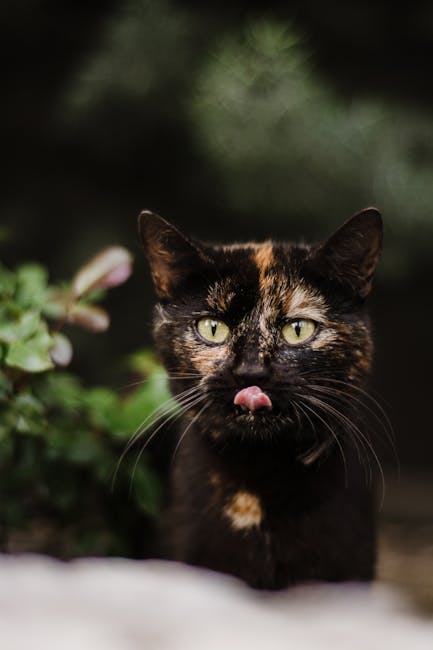
Are you tired of finding your carefully planted flowers trampled or your vegetable patches turned into a feline playground? You’re not alone.
Many garden enthusiasts face the challenge of keeping curious cats away from their cherished green spaces. Cats are naturally curious and love to explore, but their visits can sometimes leave a trail of destruction. The good news is, you don’t have to choose between your love for gardening and your fondness for cats.
In this guide, you will discover effective and humane strategies to keep cats out of your garden. Imagine a flourishing garden, free from feline intrusions, where your plants can thrive without worry. Ready to reclaim your garden paradise? Let’s dive into the practical steps that will make your garden a cat-free zone.

Credit: www.youtube.com
Understanding Cat Behavior
Understanding Cat Behavior Cats enjoy gardens for exploring, hunting, and relaxing. Planting strong-smelling herbs like lavender or rosemary can deter them. Installing motion-activated sprinklers also keeps them away without harm.
Cats are curious creatures with behaviors that can puzzle many garden enthusiasts. Understanding why cats behave the way they do can help in keeping them out of your garden. Cats are naturally drawn to gardens for various reasons. They love the soft soil for digging, the open space for roaming, and the plants for exploring. Recognizing these behaviors is key to finding effective solutions.
Why Cats Love Gardens
Cats enjoy gardens because they mimic their natural environment. The soil is perfect for digging, and the plants offer a variety of scents and textures. Gardens also provide a safe haven where they can hide and hunt small creatures.
Territorial Instincts
Cats have strong territorial instincts. They mark their territory with scent to claim ownership. A garden offers many spots for them to mark, making it an attractive area for cats to revisit.
Natural Hunting Grounds
Cats are hunters by nature. Gardens attract birds, insects, and small mammals, making them ideal hunting grounds. This instinctual drive can lead them to your garden, searching for prey.
Seeking Comfort And Rest
Cats love warm, sunny spots. Gardens often provide perfect places for them to sunbathe and relax. The appeal of a cozy resting area can draw them into your garden.
Exploring And Curiosity
Cats are naturally curious. They explore new environments to satisfy their curiosity. A garden full of different plants and textures can be an exciting playground for them. Understanding these behaviors can guide you in choosing humane ways to keep cats out of your garden. Recognizing their motivations is the first step in creating effective deterrents.
Natural Deterrents
Natural deterrents like citrus peels and coffee grounds can keep cats out of your garden effectively. These scents are unpleasant for cats, discouraging them from entering the area.
Keeping cats out of your garden can be a challenging task, but using natural deterrents offers a humane and eco-friendly solution. These methods can help you protect your plants without harming the curious felines. By using scent-based repellents, planting specific herbs, and leveraging water strategically, you can create a garden environment that cats will find unappealing.
Scent-based Repellents
Cats have a keen sense of smell, which you can use to your advantage. Certain scents are particularly off-putting to them. Citrus peels, coffee grounds, or essential oils like lavender can be sprinkled around your garden to discourage cats from wandering in. Consider creating a DIY spray with diluted essential oils to cover larger areas. Have you ever noticed your cat’s reaction to citrus? It’s worth trying this simple trick!
Planting Cat-repelling Herbs
Some plants naturally deter cats due to their smell or texture. Coleus canina, commonly known as the “scaredy-cat plant,” emits a pungent odor that cats dislike. Additionally, rue and lavender can serve as effective deterrents. Plant these strategically around your garden’s perimeter or near vulnerable plants. Imagine having a garden that not only thrives but also wards off intruders with its own defenses.
Using Water As A Deterrent
Water can be a surprising yet effective tool in keeping cats at bay. Installing motion-activated sprinklers is a great way to deter cats without any harm. These devices can deliver a quick burst of water when movement is detected, startling any feline visitors. Alternatively, you can keep a water spray bottle handy for manual deterrence. How often have you seen a cat enjoy being drenched? This approach can be both playful and practical. By considering these natural deterrents, you can maintain a beautiful and cat-free garden. Which method resonates most with your gardening style?
Physical Barriers
Installing fences or chicken wire can effectively block cats from entering your garden. Tall barriers or netting deter climbing and digging attempts. Combine with motion-activated sprinklers for extra protection.
Physical barriers are a practical way to keep cats out of your garden. These methods create obstacles that deter curious felines from entering your cherished green space. Let’s explore some effective strategies to maintain a cat-free garden.
Fencing And Netting
Building a sturdy fence is a classic approach. Ensure it’s high enough to prevent cats from jumping over. A height of at least six feet is recommended. Netting is another useful option. Covering flower beds or vegetable patches with netting protects them from both cats and other pests. You can find garden netting in various sizes at your local hardware store. Consider using a combination of fencing and netting for maximum protection. This dual approach is particularly effective in larger gardens.
Prickly Surfaces
Cats dislike uncomfortable surfaces. You can use prickly or textured materials to create a deterrent. Try laying down chicken wire or thorny branches around garden beds. Another option is to use commercially available cat deterrent mats. These mats contain small spikes that are harmless but uncomfortable for cats to walk on. Think about this: what would make your garden less inviting for a cat? Sometimes, a simple adjustment can make a big difference.
Ultrasonic Devices
Ultrasonic devices emit high-frequency sounds that are unpleasant to cats. These sounds are typically inaudible to humans, making them a discreet solution for repelling cats. Place these devices strategically around your garden. Areas where cats frequently visit are ideal spots. Have you ever wondered if technology could solve your garden woes? Ultrasonic devices might just be the answer you’ve been searching for. By implementing physical barriers, you not only protect your plants but also enjoy a peaceful garden environment. Each strategy offers a unique way to keep those curious cats at bay.
Homemade Solutions
Natural scents like citrus peels can deter cats from gardens. Try sprinkling coffee grounds or installing motion-activated sprinklers.
Cats love gardens. They dig, scratch, and sometimes use them as litter boxes. If you want to keep your garden cat-free, homemade solutions can be effective. These methods are simple, natural, and budget-friendly. Let’s explore two popular homemade solutions to deter cats.
Diy Spray Repellents
Creating a homemade spray is easy. Use simple ingredients like vinegar and water. Mix equal parts in a spray bottle. Add a few drops of citrus essential oil. Cats dislike strong citrus smells. Spray this mix around your garden. Focus on areas where cats often visit. Reapply after rain for best results. Another option is garlic spray. Crush a few garlic cloves. Boil them in water. Strain and cool the mixture. Pour it into a spray bottle. Spray around plants and garden edges. Cats find garlic scent unpleasant. These sprays are safe for plants and the environment.
Creating A Scratch-free Zone
Cats scratch to mark territory. Provide them with an alternative. Place a scratching post near your garden. Use an old log or wooden post. Rub catnip on it to attract cats. They will prefer this over your garden soil. You can also use physical barriers. Lay down chicken wire over soil. Cats dislike walking on it. Mulch with pine cones or rough stones. These textures deter cats from scratching or digging. With these homemade solutions, your garden can remain beautiful and cat-free.
Commercial Products
Protect gardens from curious cats using specialized commercial products. Try cat repellent sprays or granules that deter without harming. Ultrasonic devices emit sounds unpleasant to cats, keeping them at bay.
Keeping your garden free from feline intruders might feel like an uphill battle, but commercial products offer practical solutions. These products can help maintain the integrity of your garden without causing harm to the cats. Whether you prefer a hands-on approach or something more automated, there’s a product that can fit your needs.
Ready-to-use Sprays
Ready-to-use sprays are a popular choice for many gardeners. These sprays typically contain natural ingredients that cats find unpleasant, like citrus or eucalyptus. Simply spray them around your garden’s perimeter or on specific plants you want to protect. Not all sprays are created equal, so it may take some trial and error to find one that works best for you. Look for options that are safe for plants and won’t harm beneficial insects. Reading reviews from other gardeners can also provide valuable insights into the effectiveness of different brands.
Motion-activated Sprinklers
Motion-activated sprinklers are a high-tech solution to keep cats at bay. These devices detect movement and release a quick burst of water, startling the cat without causing harm. The surprise element is often enough to deter them from returning. These sprinklers can cover large areas, making them ideal for bigger gardens. They also have the added benefit of watering your plants, saving you time and effort. Consider the layout of your garden and the areas most frequented by cats when positioning these sprinklers for maximum effectiveness. Have you ever considered using technology to address garden intrusions? A well-placed motion-activated sprinkler could be the game-changer you need.
Training And Behavior Modification
Training and behavior modification can be a game-changer when it comes to keeping cats out of your garden. Rather than resorting to barriers or repellents, consider teaching your feline friends to respect garden boundaries. Cats are intelligent creatures, capable of learning and adapting, especially with the right motivation and techniques.
Positive Reinforcement
Using positive reinforcement can be a powerful tool in training cats. Rewarding desirable behavior encourages them to repeat it. For instance, when your cat stays away from the garden, offer treats or extra playtime as a reward.
Consistency is key. Make sure to reward immediately, so they associate the good behavior with the reward. Think about what motivates your cat – treats, affection, or toys – and use that as a positive reinforcer.
Have you ever noticed your cat responding to your tone of voice? Use this to your advantage. A happy tone when they follow commands can reinforce their good behavior.
Training With Boundaries
Training cats with boundaries involves setting clear limits. You can train them to understand certain areas are off-limits. Start by defining the boundary using visible markers like garden fences or hedges.
Introduce your cat to these boundaries gradually. Walk them around the perimeter while gently guiding them away from crossing it. Use verbal cues like “stay” or “no,” accompanied by gentle redirection.
Repetition and patience are crucial. Cats may test boundaries initially, but with consistent training, they’ll start respecting them. Are you prepared to invest time in this training? The payoff is a garden untouched by curious paws.
Community Approaches
Keeping cats out of your garden can be challenging. Community approaches offer a collective solution. By working together, neighbors can create a cat-friendly environment. This reduces the need for individual measures. Let’s explore some effective community approaches.
Engaging With Neighbors
Talk to your neighbors about the cat problem. Share your concerns and listen to theirs. Together, find ways to address the issue. Organize a neighborhood meeting. Discuss possible solutions and agree on actions. Neighbors can watch each other’s gardens. They can alert you if they see cats causing trouble. Community spirit can lead to creative solutions.
Community Cat Programs
Many communities have cat management programs. These programs help control stray cat populations. They use humane methods like trap-neuter-return (TNR). Cats are trapped, neutered, and returned to their territory. This reduces breeding and stabilizes the cat population. Contact local animal shelters for program information. Volunteer or donate to support these efforts. Community involvement makes these programs successful.

Credit: www.facebook.com
:max_bytes(150000):strip_icc()/GettyImages-987124336-cfedea8ab77e4e97b7f0b142f8163e2d.jpg)
Credit: www.thespruce.com
Frequently Asked Questions
How Can I Keep Neighbour’s Cats Out Of My Garden?
Use citrus peels or coffee grounds to deter cats. Install motion-activated sprinklers. Plant lavender or rosemary. Place wire mesh or prickly plants around vulnerable areas.
What Repels Cats From Gardens?
Use citrus peels, coffee grounds, or vinegar to repel cats from gardens. Planting lavender or rosemary can deter them. Install motion-activated sprinklers or ultrasonic devices for effective prevention. Ensure garden cleanliness to reduce attraction. These methods help keep cats away naturally and protect your plants.
How Do You Stop Cats From Crapping In Your Garden?
Use citrus peels or coffee grounds to deter cats. Plant lavender or rue as natural repellents. Install motion-activated sprinklers. Create a designated litter area with sand. Keep soil moist and mulched to discourage digging.
What Smell Do Cats Hate Most?
Cats hate citrus smells the most. Strong odors from oranges, lemons, and limes repel them effectively. Essential oils like eucalyptus, lavender, and peppermint also deter cats. Using these scents can prevent unwanted feline behavior and keep them away from certain areas.
Conclusion
Keeping cats out of your garden can be simple. Use scents that cats dislike. Plant lavender or rosemary around your garden. Set up barriers like chicken wire or mesh. Try motion-activated sprinklers for a quick scare. These methods are effective and safe for cats.
Protect your plants and enjoy a cat-free garden. Regularly check for signs of cats. Adjust methods as needed for best results. With patience, your garden will stay safe and beautiful. Embrace these tips and maintain a peaceful outdoor space. Happy gardening!


