
Imagine walking into your garden, the scent of fresh earth and growing plants enveloping you. Your vegetables are thriving, ready to provide you with delicious meals.
But suddenly, you notice unwelcome guests munching away at your hard work. Bugs can be a gardener’s worst enemy, threatening the fruits of your labor. You can almost feel your frustration rising as you see holes in leaves or entire plants disappearing overnight.
But don’t worry—there are effective ways to protect your vegetable garden and ensure that your produce remains safe and healthy. As you read on, you’ll discover simple and practical methods to keep those pesky bugs at bay, ensuring your garden remains a source of pride and nourishment. Let’s dive into the secrets of safeguarding your vegetables, turning your garden into a thriving, bug-free paradise.
Garden Planning
Garden planning is a pivotal step in safeguarding your vegetable garden from voracious bugs. With the right strategies, you can create a thriving ecosystem that keeps pests at bay. This section will delve into some practical approaches to plan your garden effectively, ensuring your plants grow healthy and strong.
Choose Resistant Varieties
One of the simplest ways to minimize pest damage is by selecting vegetable varieties that are naturally resistant to bugs. These plants have been bred to withstand common garden pests, making them a smart choice for every gardener. By doing a bit of research, you can find varieties that are well-suited to your climate and soil, offering a robust defense against unwanted insects.
Consider planting heirloom tomatoes known for their resilience or opt for pest-resistant cucumbers. Imagine the peace of mind knowing your crops have an innate ability to fend off attacks. This approach not only saves time but also reduces the need for chemical interventions.
Companion Planting
Companion planting is a clever technique that involves growing plants together to enhance growth and deter pests. Certain plants have natural properties that repel bugs when planted nearby. For instance, marigolds are excellent companions for tomatoes, as they ward off nematodes.
Think of basil as a helpful neighbor to your peppers, or plant garlic around your strawberries to keep aphids away. This method not only protects your plants but also boosts biodiversity in your garden. Have you ever noticed how some plants just seem to thrive next to each other? That’s the magic of companion planting.
By integrating these strategies into your garden planning, you can enjoy a bountiful harvest with fewer pest-related headaches. Which plants will you pair up in your garden this season?
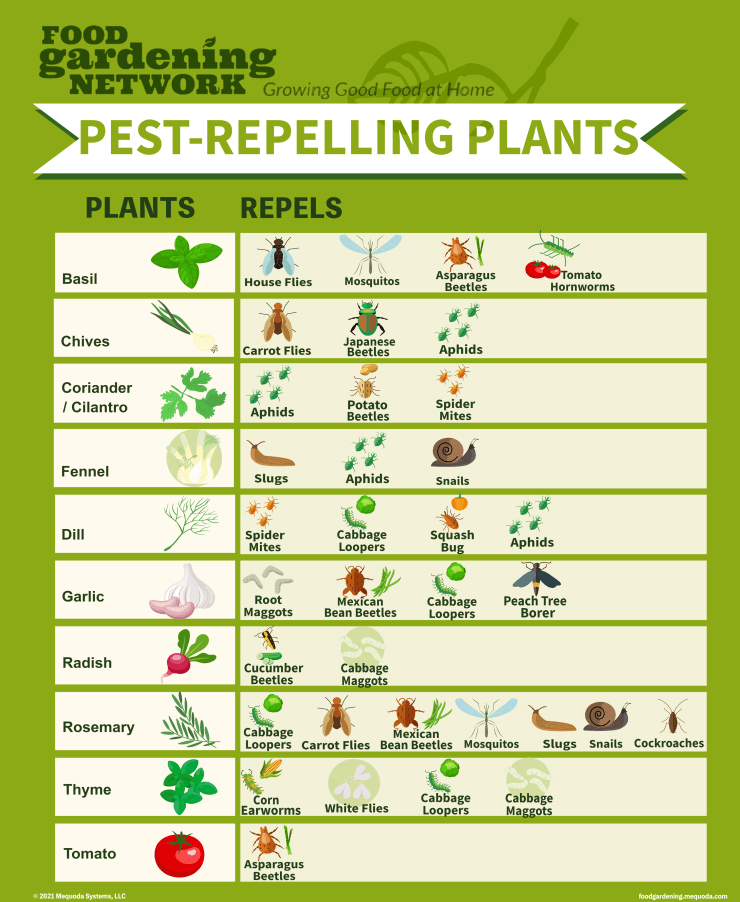
Credit: foodgardening.mequoda.com
Soil Management
Soil management is essential for a thriving vegetable garden. Healthy soil supports robust plants and deters pests. Proper soil care can significantly reduce bug issues.
Enhance Soil Health
Rich soil nourishes plants, making them less vulnerable to bugs. Test your soil to know its nutrient levels. Add organic matter like compost to improve soil quality. Compost provides essential nutrients for plant growth. Rotate crops yearly to maintain soil health. Crop rotation prevents nutrient depletion and pest buildup.
Use Mulching Techniques
Mulching is a simple yet effective method to protect soil. Spread mulch around plants to retain moisture and regulate temperature. Mulch creates a barrier that blocks pests from accessing plant roots. Choose organic mulch like straw or wood chips for best results. Organic mulch breaks down, enriching the soil over time. Mulching reduces the need for chemical pest control, promoting a healthier garden environment.
Natural Barriers
Gardening is a rewarding hobby, but the thrill of harvesting fresh vegetables can quickly be overshadowed by pesky bugs. Natural barriers provide an effective way to protect your garden without resorting to harsh chemicals. By creating physical obstacles, you can keep invaders at bay while maintaining a healthy ecosystem.
Install Physical Barriers
Physical barriers are a great first line of defense against bugs. Consider using fences or walls around your garden. These structures can deter larger pests like rabbits or deer, which often pave the way for smaller insects. Even a simple chicken wire fence can work wonders.
Have you tried lining your garden beds with copper tape? Copper acts as a natural deterrent to slugs and snails. The metal reacts with their slime, causing discomfort and making them turn away.
Using a barrier like this is not only effective but also environmentally friendly. You’ll be able to enjoy your bounty without worrying about unwanted chemical residues.
Implement Row Covers
Row covers are another excellent strategy to shield your vegetables from insects. These lightweight fabrics allow sunlight and rain to reach your plants, while keeping bugs out. It’s like giving your garden its own protective shield.
Row covers can be draped over hoops or frames. This setup ensures that your plants have ample space to grow beneath the cover. Plus, it creates a microclimate that can boost growth by retaining moisture and warmth.
Why not use row covers to extend your growing season? They provide protection during early spring and late fall, helping your plants thrive in cooler temperatures. Investing in row covers might just be the secret to a flourishing garden.
What methods have you tried to keep your vegetable garden pest-free? Share your experiences in the comments below!
Organic Pest Control
Protect your vegetable garden using organic pest control methods. Encourage beneficial insects and plant companion plants to deter bugs. Use natural sprays like neem oil for added protection.
Growing your own vegetables is a rewarding journey, but it can quickly turn frustrating when pesky bugs decide to feast on your hard-earned produce. Organic pest control offers a safe and environmentally-friendly way to protect your garden without resorting to harsh chemicals. It’s about working with nature rather than against it. Let’s explore some effective strategies to keep those bugs at bay while maintaining the health of your vegetable garden.Diy Natural Sprays
Creating your own natural sprays is a simple and cost-effective method to deter pests. Have you ever tried a garlic spray? It’s a fantastic option to repel insects due to its strong odor. Combine a few cloves of garlic with water, blend them well, and let the mixture steep overnight. Strain it the next day and spray it on your plants. This homemade solution is safe for your veggies and keeps bugs at a distance. Another option is a neem oil spray. It’s derived from the seeds of the neem tree and acts as an effective insecticide. Mix a few drops of neem oil with water and a bit of mild soap. Spray this on the affected plants, ensuring you cover the leaves thoroughly. Neem oil disrupts the life cycle of insects, preventing them from causing further damage.Beneficial Insects
Introducing beneficial insects into your garden is like hiring a natural pest control team. Ladybugs and lacewings are voracious predators of aphids and other soft-bodied insects. By attracting them to your garden, you create a balanced ecosystem where pests are kept in check naturally. You can also encourage parasitic wasps, which are tiny but mighty defenders against caterpillars and beetle larvae. Planting a variety of flowers such as dill, fennel, and marigold can invite these helpful insects into your garden. Have you ever noticed how nature often has its solutions? By fostering an environment that supports beneficial insects, you’re not just eliminating pests but also enhancing the biodiversity of your garden. It’s a win-win situation for both you and your plants. Taking the organic route for pest control not only protects your vegetables but also contributes to a healthier planet. What natural methods have you found effective in your garden? Embrace these tips and watch your garden thrive without the buzz of unwanted guests.Regular Monitoring
Regular monitoring helps identify pest problems early in your vegetable garden. Check your plants regularly for signs of bugs. Remove any pests immediately to protect your crops from damage.
Regular monitoring is essential for a healthy vegetable garden. By keeping a close watch, you can prevent pests from causing damage. This practice helps in spotting issues early. Let’s explore how regular monitoring can keep your garden thriving.Daily Inspections
Check your garden every day. A quick walk around the plants can reveal problems. Look for signs of bugs on leaves and stems. Early detection can save your crops. Use a magnifying glass for a closer look. This helps in spotting tiny insects. Make this a daily habit.Identify Pest Damage
Learn to recognize pest damage signs. Look for holes in leaves or discolored patches. These are common indicators of bug activity. Check under the leaves where pests often hide. Compare healthy plants with damaged ones. This helps in identifying the specific pest. Knowing the type of pest aids in choosing the right treatment.
Credit: www.youtube.com
Cultural Practices
Companion planting is a great way to deter bugs from your vegetable garden. Planting marigolds or basil near your vegetables can naturally repel pests. Regularly rotating crops also helps in breaking the pest cycle.
Cultural practices are essential in maintaining a healthy vegetable garden free from pests. These techniques not only protect your plants but also ensure a sustainable and thriving garden environment. By integrating smart habits into your gardening routine, you can effectively manage pest populations without resorting to harmful chemicals.Proper Watering Techniques
Watering your garden correctly can make a significant difference in pest control. Overwatering can lead to damp conditions that attract pests like slugs and snails. Stick to morning watering to allow plants to dry during the day. Consider using drip irrigation systems to target the root areas, minimizing excess moisture on leaves. What if watering less often resulted in fewer bugs?Crop Rotation Strategies
Crop rotation is a powerful tool in your gardening arsenal. Changing the location of your plants each season disrupts pest life cycles. For instance, if you planted tomatoes in one spot last year, try beans there this year. This variety confuses pests that depend on specific plants. Have you noticed fewer bugs after moving your crops around? These changes can lead to healthier plants and fewer pest problems. Embrace these cultural practices and watch your garden flourish.Chemical Interventions
Chemical interventions can help protect your vegetable garden from bugs. Use insecticides specifically designed for vegetables to target pests effectively. Always follow the instructions on the label to ensure safe and proper application.
Chemical interventions can be a crucial ally in defending your vegetable garden from unwanted bugs. While the idea of using chemicals might seem daunting, when used correctly, they can effectively protect your hard-earned produce. It’s important to approach this method with care and consideration for both your garden and the environment.Safe Pesticide Use
Choosing the right pesticide is essential for the safety of your plants and the ecosystem. Always opt for products labeled safe for edible plants. Organic pesticides can be a great option if you’re concerned about chemical residues. When applying pesticides, follow the instructions meticulously. Using more than recommended won’t increase effectiveness and might harm your plants. Timing is everything; apply pesticides during cooler parts of the day to minimize plant stress. Consider spot treating instead of spraying the entire garden. This targeted approach can reduce the overall chemical exposure in your garden. Always wear protective clothing and wash your hands thoroughly after application.Last Resort Options
If pests persist despite your efforts, you might need to consider stronger interventions. Systemic pesticides, which are absorbed by plants and affect pests that feed on them, can be effective. However, they’re not selective and can impact beneficial insects as well. Another option could be seeking professional help. Pest control experts can provide tailored solutions that might not be available over the counter. They can also offer advice on maintaining a balanced garden ecosystem in the future. Have you considered rotating your crops or enhancing soil health as alternative strategies? A robust garden is naturally more resistant to pests. Sometimes, a combination of tactics yields the best results.
Credit: www.facebook.com
Seasonal Considerations
Understanding seasonal changes is key to protecting your vegetable garden. Each season brings unique challenges in pest management. By adapting your gardening practices, you can reduce the risk of bug infestations. Seasonal considerations help you plan and prepare for weather shifts, ensuring your plants remain healthy and pest-free.
Adapt To Weather Changes
Weather fluctuations can influence pest behavior. Warm, humid weather often attracts more bugs. On cooler days, bugs might be less active. Observing these patterns helps predict pest activity and plan accordingly. Adjust watering and fertilization based on weather to keep plants resilient. Using row covers or mulch can protect plants during sudden weather changes. These materials act as barriers, reducing pest access.
Timely Planting
Planting at the right time minimizes pest exposure. Early planting can avoid peak pest seasons. Consult local planting calendars to determine optimal times. Choose varieties suited to your region’s climate. This ensures plants grow strong and resist pests naturally. Quick-maturing plants may escape damage by completing their lifecycle before pests become active. Proper timing of planting and harvesting plays a vital role in pest management.
Frequently Asked Questions
What Is The Safest Repellent For Vegetable Garden?
Neem oil is the safest repellent for vegetable gardens. It effectively deters pests while being environmentally friendly. Spray diluted neem oil on plants to protect them without harming beneficial insects or the soil. Always follow label instructions for best results.
What Do Farmers Use To Keep Bugs Away?
Farmers use pesticides, natural repellents, and beneficial insects to control bugs. Crop rotation and companion planting also help. Organic methods include neem oil and diatomaceous earth. These techniques protect crops while maintaining environmental balance.
How Can I Stop Bugs From Making Holes In My Garden Leaves?
Use insecticidal soap or neem oil to deter bugs. Regularly inspect leaves and remove pests manually. Encourage beneficial insects like ladybugs. Maintain healthy plants by watering and fertilizing properly. Use row covers to physically block insects from reaching the leaves.
Does Vinegar Keep Bugs Off Vegetable Plants?
Vinegar can deter some bugs from vegetable plants due to its acidic nature. Spray a diluted solution for effectiveness. Avoid excessive use to prevent soil acidity issues. Always test on a small plant area first to ensure safety. This natural remedy can be part of an integrated pest management strategy.
Conclusion
Keeping bugs away from your vegetable garden is possible. Use natural repellents to protect your plants. Regularly check for pest signs. Remove affected leaves quickly. Encourage helpful insects to join your garden. Consider planting companion plants. They can deter harmful bugs.
Rotate crops each season for healthier soil. Healthy soil leads to strong plants. Strong plants resist bugs better. With these methods, your garden can thrive. Enjoy fresh vegetables with fewer pests. Happy gardening!


