
Imagine stepping into your garden and being greeted by the elegant beauty of pale garden trees. These trees, with their soft hues and graceful presence, can transform any outdoor space into a tranquil oasis.
But how do you nurture these delicate beauties to thrive and flourish? You might feel a bit overwhelmed, not knowing where to start or what these trees need to truly shine. Don’t worry, you’re not alone. Many gardeners share the same concerns, and the good news is, growing pale garden trees is easier than you might think.
This guide will walk you through simple, effective steps to help your pale garden trees grow healthy and strong. By the end, you’ll have the confidence and knowledge to turn your garden into a stunning sanctuary. Ready to discover the secrets to success? Keep reading to find out how you can make your garden dreams come true.

Credit: www.reddit.com
Choosing The Right Pale Garden Trees
Select pale garden trees that thrive in your climate and soil conditions. Ensure proper sunlight and watering for healthy growth. Regular pruning helps maintain their shape and encourages new blooms.
Choosing the right pale garden trees requires thoughtful consideration. These trees can add elegance to your garden. Their light-colored foliage or bark creates a tranquil atmosphere. Selecting the right species ensures your garden thrives.Identifying Suitable Species
Begin by identifying species known for pale foliage or bark. Popular choices include Birch, Dogwood, and Magnolia. These species adapt well to various garden styles. Each offers unique features that enhance your garden’s beauty. Researching growth habits helps in making informed decisions.Considering Climate And Soil Conditions
Climate plays a crucial role in tree selection. Choose species that thrive in your local weather patterns. Consider the soil conditions in your garden. Some trees prefer acidic soil, others need well-drained soil. Testing your soil helps to find compatible trees. This ensures healthy growth and longevity.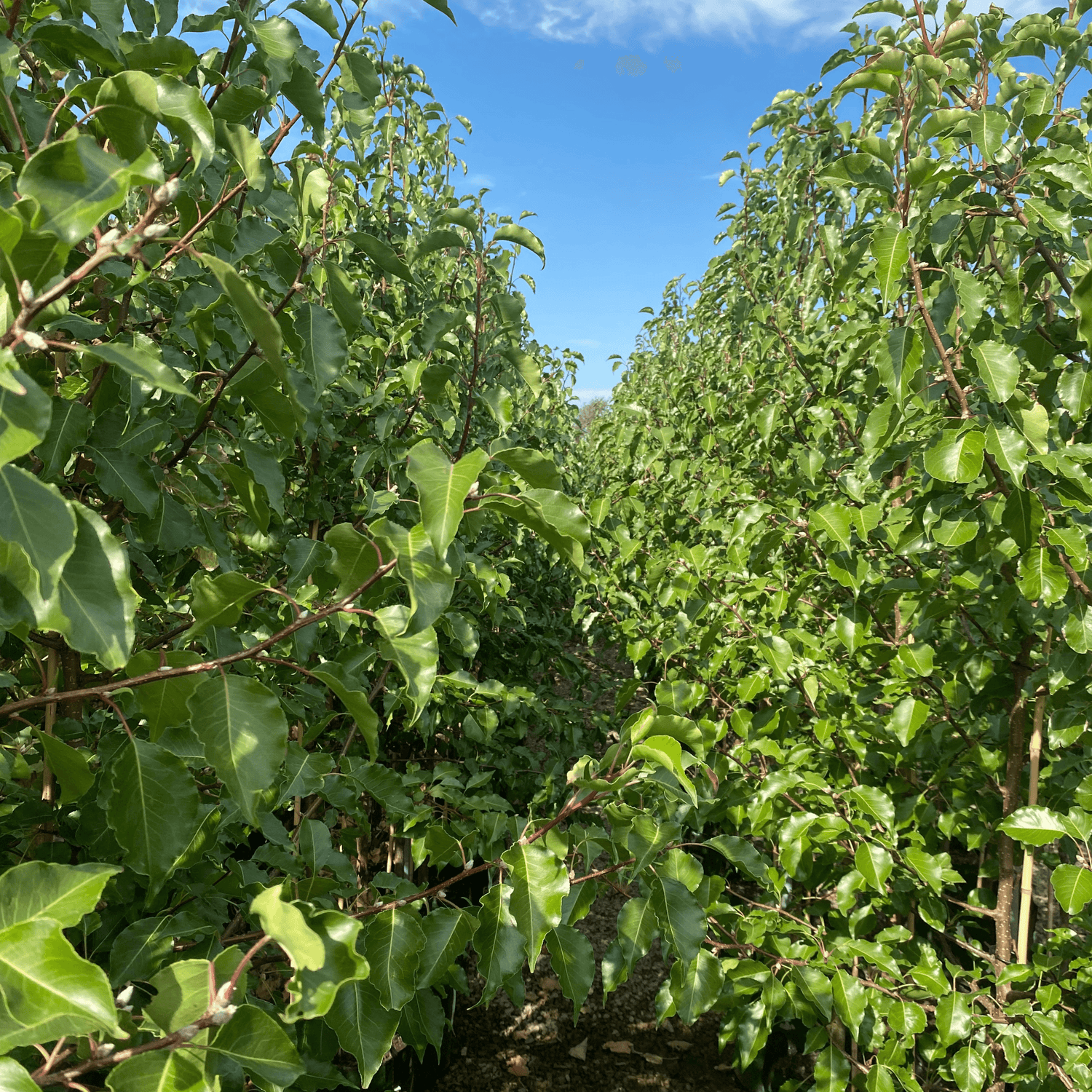
Credit: www.evergreentrees.com.au
Preparing Your Garden Space
Creating a garden space for pale trees involves selecting well-drained soil and ensuring adequate sunlight. Choose tree species that thrive in your climate for optimal growth. Regular watering and pruning help maintain the health and beauty of these unique trees.
Preparing your garden space is crucial for growing pale garden trees. It sets the foundation for healthy growth and vibrant foliage. Before planting, assess the area to ensure it meets the trees’ needs. This involves understanding sunlight, shade, and planning the perfect spot for each tree. With careful preparation, your garden will thrive.Evaluating Sunlight And Shade
Sunlight influences tree growth significantly. Identify areas that receive full sun, partial sun, or are mostly shaded. Trees need different light conditions, so match them accordingly. Morning sun is ideal for many pale trees. It provides gentle warmth without scorching. Observe the garden during different times of the day. This helps understand the sun’s path and shade patterns. Use this knowledge to choose the right spots.Planning Tree Placement
Strategic tree placement enhances garden aesthetics and health. Consider the mature size of each tree. Ensure enough space for roots and branches. Position trees for optimal air circulation. This reduces disease risks. Space trees to avoid overcrowding. It allows each tree to receive adequate sunlight and nutrients. Visualize the garden layout. Sketch a plan to see how it will look once trees mature. This helps avoid future issues.Planting Techniques
Choose a location with well-drained soil and adequate sunlight. Prepare the soil by loosening it and adding compost. Place the tree in a hole twice the size of its root ball, covering roots with soil gently. Water thoroughly and ensure regular hydration for optimal growth.
Planting Techniques Growing pale garden trees can be a rewarding endeavor, adding a unique charm to your landscape. But how do you ensure these trees thrive and not just survive? It all starts with mastering the right planting techniques. From choosing the perfect saplings to understanding the intricacies of planting depth and spacing, each step is crucial. Dive into these insights and get your hands dirty with confidence!Selecting Quality Saplings
When picking saplings, quality trumps quantity. Opt for those with vibrant, healthy foliage and robust stems. A sapling with strong roots is less susceptible to disease and stress. Check for roots that aren’t pot-bound, as these can hinder growth. Also, consider the sapling’s origin. Locally grown saplings often adapt better to your garden’s environment.Proper Planting Depth And Spacing
The right planting depth can make or break your sapling’s future. Aim for a depth where the root ball is just covered with soil. Plant too shallow, and you risk weak roots. Too deep, and the sapling might suffocate. Spacing matters too. Allow enough room for each tree to grow without fighting for resources. Have you ever squeezed too many trees into a small space? It’s a common mistake, but one that’s easily avoided with a little planning. Consider the mature size of your trees to determine ideal spacing. These small adjustments can lead to a thriving garden that you’ll be proud to show off.Watering And Fertilization
Watering and fertilization play a crucial role in growing pale garden trees. Proper care ensures healthy growth and vibrant foliage. Understanding how much water and which fertilizer to use is essential. Let’s explore effective strategies to nurture your pale garden trees.
Establishing A Watering Schedule
Consistency in watering is key for pale garden trees. Create a schedule that suits your tree type and climate. Watering deeply encourages roots to grow strong and deep. Check the soil moisture regularly. Use a moisture meter or simply your finger. If the top inch is dry, it’s time to water.
Water early in the morning or late afternoon. This reduces evaporation and ensures water reaches the roots. Avoid overhead watering to prevent fungal diseases. Instead, use a soaker hose or drip irrigation system. These methods deliver water directly to the root zone.
Choosing The Right Fertilizer
Choosing the right fertilizer boosts your tree’s growth and health. Opt for a balanced, slow-release fertilizer. It provides nutrients over time, supporting steady growth. Before applying, test the soil to know its nutrient needs. This helps in selecting the right formula.
Apply fertilizer in early spring and again in late summer. Follow package instructions for the correct amount. Over-fertilization can harm trees and affect their growth. Spread the fertilizer evenly around the root zone. Water thoroughly after application to help nutrients reach the roots.
Pruning And Maintenance
Pruning helps pale garden trees grow strong and maintain shape. Regular trimming removes dead branches, enhancing tree health. Proper care ensures vibrant growth and a lush appearance.
Pruning and maintenance are essential for healthy pale garden trees. Regular pruning helps these trees thrive and maintain their beauty. It also prevents pests and diseases. Proper maintenance ensures longevity and robust growth. It is the key to a vibrant garden.Pruning For Shape And Health
Pruning shapes the tree and encourages healthy growth. Trim branches that cross or grow inward. Remove dead or diseased wood to improve tree health. Use clean, sharp tools to make precise cuts. Cut at a slight angle near the branch collar. This allows for proper healing and reduces disease risk. Keep the tree balanced and open for sunlight.Managing Pests And Diseases
Vigilant care keeps pests and diseases at bay. Inspect trees regularly for signs of infestation. Look for discolored leaves or unusual growths. Use natural remedies to control pests. Neem oil or insecticidal soap can be effective. Remove affected leaves or branches promptly. Ensure good air circulation by pruning dense areas. This helps prevent fungal infections. Keep the area around the tree clean and free of debris.
Credit: www.reddit.com
Seasonal Care Tips
Seasonal care is crucial for nurturing pale garden trees to their full potential. As the seasons change, your approach to maintaining these delicate beauties should adapt accordingly. Understanding how to protect your trees during winter and care for them in summer can make all the difference in their health and growth.
Winter Protection Strategies
Winter can be harsh on pale garden trees, but you can give them the best chance to thrive with a few key strategies. Start by mulching around the base to insulate the roots. This simple step retains warmth and moisture, helping your trees withstand the cold.
Use burlap wraps for added protection against frost. These wraps act as a shield, reducing the risk of frostbite on branches and buds. If heavy snow is expected, gently shake off accumulation from branches to prevent breakage. Consider the impact of winter storms—are your trees safely positioned away from strong winds?
Summer Care Routines
In summer, pale garden trees need extra hydration and shade. Water them deeply but infrequently to encourage roots to grow deeper. A regular schedule can prevent overwatering, which is just as damaging as neglect.
Use shade cloths during peak sunlight hours. This reduces stress and prevents sunburn on leaves. Fertilizing in moderation supports growth, but avoid overfeeding. Are you giving your trees the nutrients they need without overwhelming them?
Prune dead or overcrowded branches to improve air circulation. This keeps diseases at bay and promotes healthier growth. With these summer routines, your pale garden trees will be ready to showcase their beauty all season long.
Common Mistakes To Avoid
Neglecting soil quality can hinder the growth of pale garden trees. Overwatering leads to root rot and weak trees. Incorrect pruning techniques may stunt their development.
Growing pale garden trees can be rewarding, but some mistakes can hinder growth. Avoiding these pitfalls ensures your trees thrive beautifully. Understanding common mistakes helps you nurture healthy trees.Overwatering And Underwatering
Overwatering is a frequent mistake. It suffocates roots and promotes rot. Ensure the soil drains well after watering. Check for excess moisture by touching the soil. If it’s soggy, reduce watering frequency. On the other hand, underwatering stresses trees. Dry soil can lead to wilting and poor growth. Monitor moisture levels, especially during dry spells. Water deeply but not frequently to encourage root growth.Ignoring Soil Quality
Ignoring soil quality affects tree health. Pale garden trees need nutrient-rich soil. Test your soil to understand its composition. Add organic matter for better nutrients and structure. Poor soil drains poorly and lacks nutrients. Adjust pH levels to suit your tree type. Different trees prefer different pH levels. Acidic or alkaline soil may require amendments. Regularly check soil health to ensure optimal growth conditions.Expert Recommendations
Enhance pale garden trees by providing ample sunlight and well-drained soil. Regular pruning encourages healthy growth and vibrant foliage. Ensure consistent watering and nutrient-rich fertilizer for thriving trees.
Growing pale garden trees can be a unique and rewarding experience, especially when you follow expert recommendations. Experts suggest that the key to success lies in selecting the right tree varieties and using strategic gardening techniques. If you’re ready to make your garden stand out with these rare beauties, these expert tips will guide you through the process.Selecting Rare Varieties
Choosing the right varieties is crucial for a stunning pale garden. You might be surprised by the variety of pale trees available, from white birches to silver maples. Look for species that are well-suited to your climate and soil conditions. This ensures healthy growth and minimizes maintenance. Consider visiting local nurseries or specialized gardening forums to learn about rare varieties available in your area. You may even discover a unique species that perfectly complements your garden’s aesthetic.Using Companion Planting
Companion planting can significantly enhance the growth and appearance of your pale garden trees. By selecting the right companion plants, you can create a balanced ecosystem that benefits all your garden species. For instance, planting shade-loving flowers under your trees can add visual interest while keeping the soil cool and moist. This not only supports tree health but also reduces watering needs. Think about plants that offer contrasting colors or textures to your pale trees. This will create a visually striking garden and attract beneficial insects that can support your garden’s health. What strategies will you adopt to ensure your pale garden trees thrive?Frequently Asked Questions
How To Grow A Pale Garden Tree In Minecraft?
To grow a pale garden tree in Minecraft, plant saplings in a well-lit area. Use bonemeal to speed growth. Ensure the tree has enough space above and around it to grow fully. Avoid placing blocks directly beside the sapling, as it requires space to develop.
How To Get A Pale Tree To Grow?
To grow a pale tree, plant it in well-drained soil with ample sunlight. Water consistently, ensuring soil remains moist but not waterlogged. Apply balanced fertilizer during the growing season. Prune regularly to encourage healthy growth and shape. Monitor for pests and diseases, treating promptly to maintain tree health.
Do Pale Trees Need Four Saplings?
Pale trees do not necessarily require four saplings. The number of saplings depends on the specific species and planting conditions. Proper spacing and care ensure healthy growth and development. Always consult local guidelines for best practices when planting saplings.
What Is The Pale Garden Tree Called?
The pale garden tree is commonly known as the “Ghost Gum. ” This tree is native to Australia. Its smooth white bark gives it the distinctive pale appearance. Ghost Gums are often found in arid regions and are popular for their striking look.
Conclusion
Growing pale garden trees can be a rewarding experience. With the right care, they thrive beautifully. Focus on sunlight, soil, and water. These elements are key to healthy growth. Remember, patience is essential. Trees grow slowly but steadily. Regular pruning helps maintain their shape.
Fertilizers give them vital nutrients. Protect them from pests and harsh weather. Each tree has unique needs. Learn about them for best results. Enjoy watching your garden transform. It’s a peaceful and fulfilling journey. Pale garden trees enhance the beauty of any space.
Their presence creates a serene atmosphere. Keep nurturing and enjoy the fruits of your labor.


