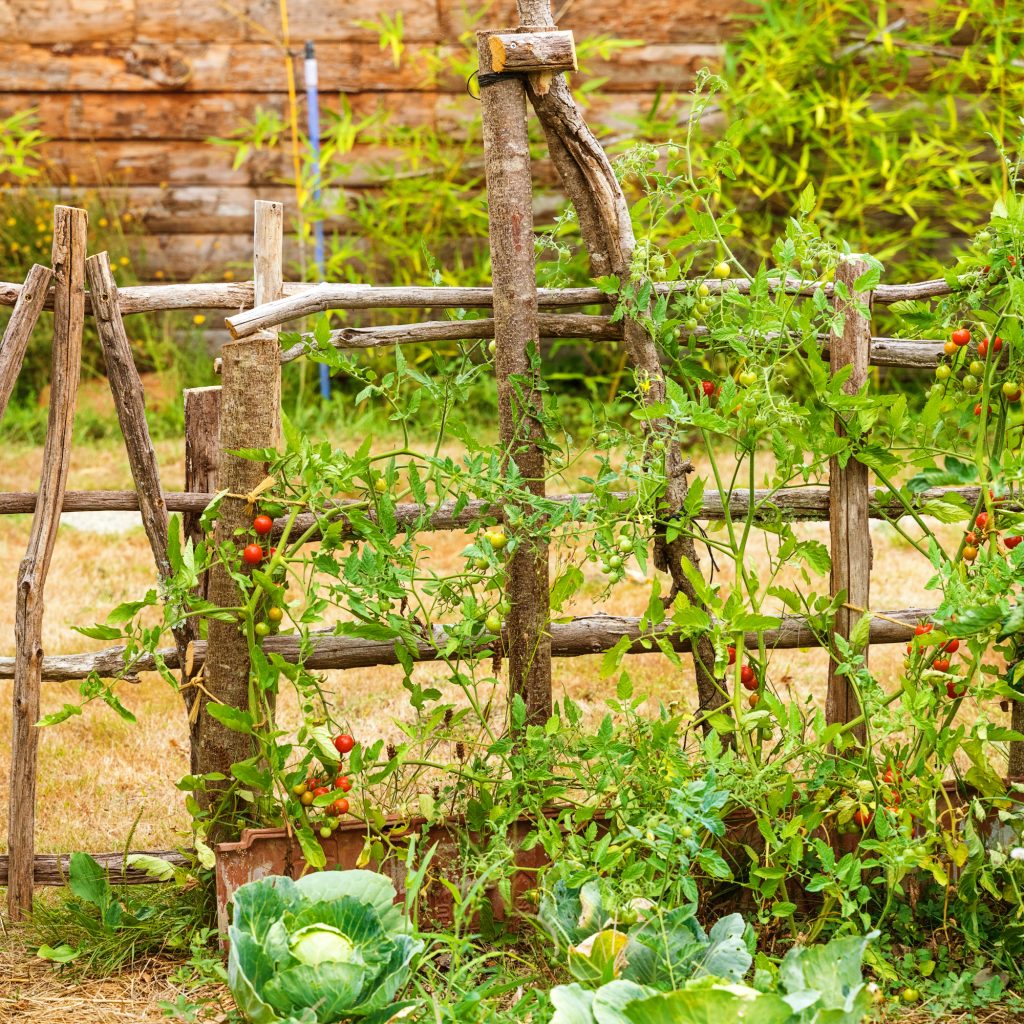
Imagine stepping outside your door and picking fresh, juicy tomatoes or crisp cucumbers right from your garden. You can have this rewarding experience without being a gardening expert.
Growing your own vegetables is easier than you think, and it offers more than just tasty produce. It gives you control over what goes into your food and helps you save money. Plus, gardening is a great way to relax and connect with nature.
In this guide, you’ll discover simple steps to transform a patch of your yard into a lush vegetable garden. Whether you have a sprawling backyard or just a small space, you’ll learn how to grow garden vegetables that thrive and delight. Dive in to find out how you can turn your garden into a bountiful oasis.
Choosing The Right Location
Selecting the right spot ensures optimal sunlight and soil conditions for thriving vegetables. Prioritize areas with at least six hours of sun daily. Well-draining soil helps prevent waterlogging and root rot.
Choosing the right location for your garden vegetables sets the foundation for success. The perfect spot can enhance growth and yield. Consider factors like sunlight and soil to ensure healthy vegetables. Below, we explore key aspects to guide your choice.Sunlight Requirements
Vegetables crave sunlight for photosynthesis. Aim for a location with at least six hours of direct sunlight daily. Leafy greens can tolerate some shade. But, tomatoes and peppers need full sun. Observe your garden area throughout the day. Identify any shadows cast by buildings or trees. This helps ensure your plants receive ample light.Soil Quality
Good soil is crucial for vegetable growth. Test the soil pH level. Most vegetables prefer a pH between 6.0 and 7.0. Ensure the soil is well-draining. Soggy soil can lead to root rot. Add organic matter like compost to enrich the soil. This boosts nutrients and improves soil structure. Regularly till the soil to aerate it. This enhances root penetration and water absorption.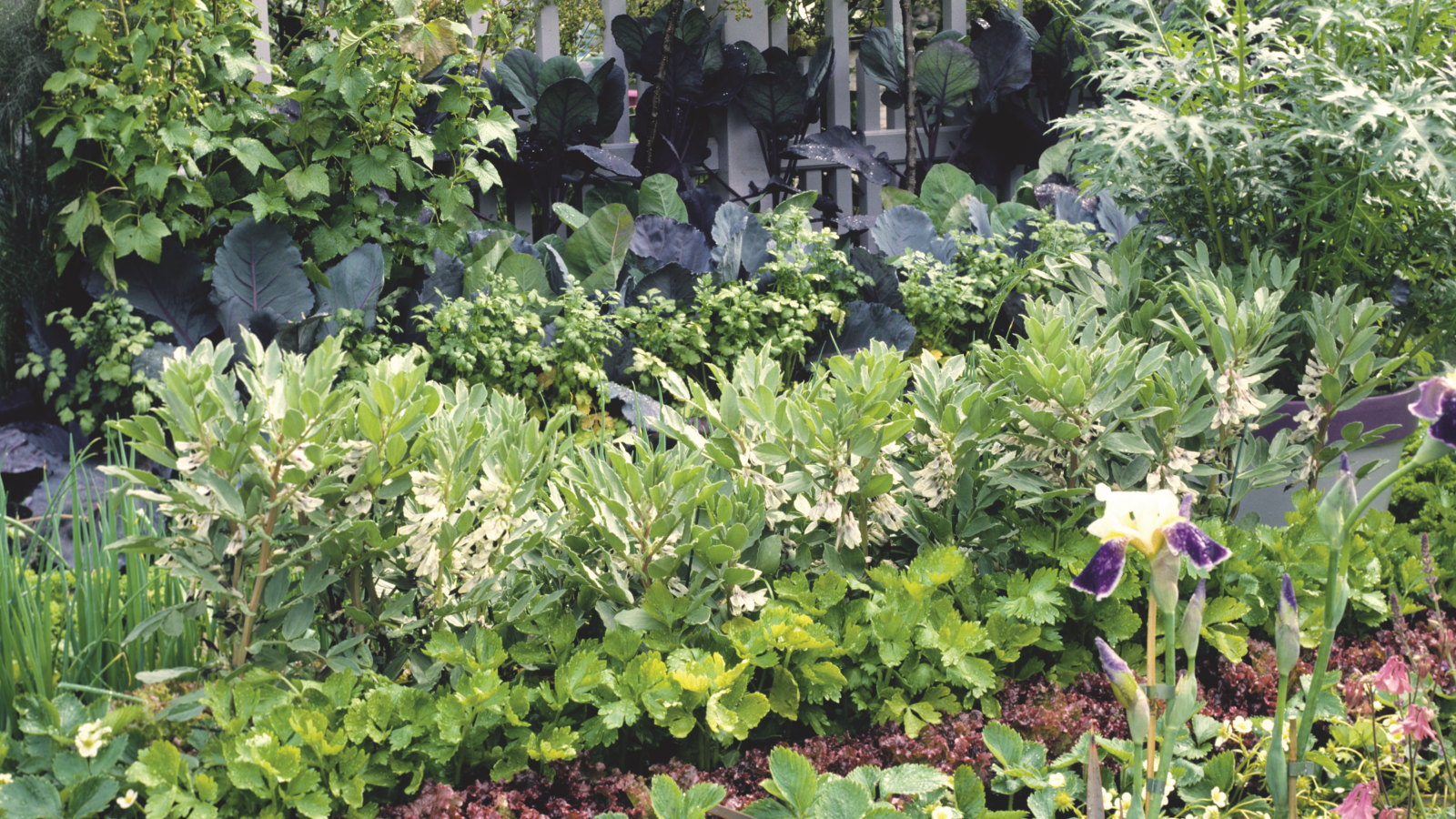
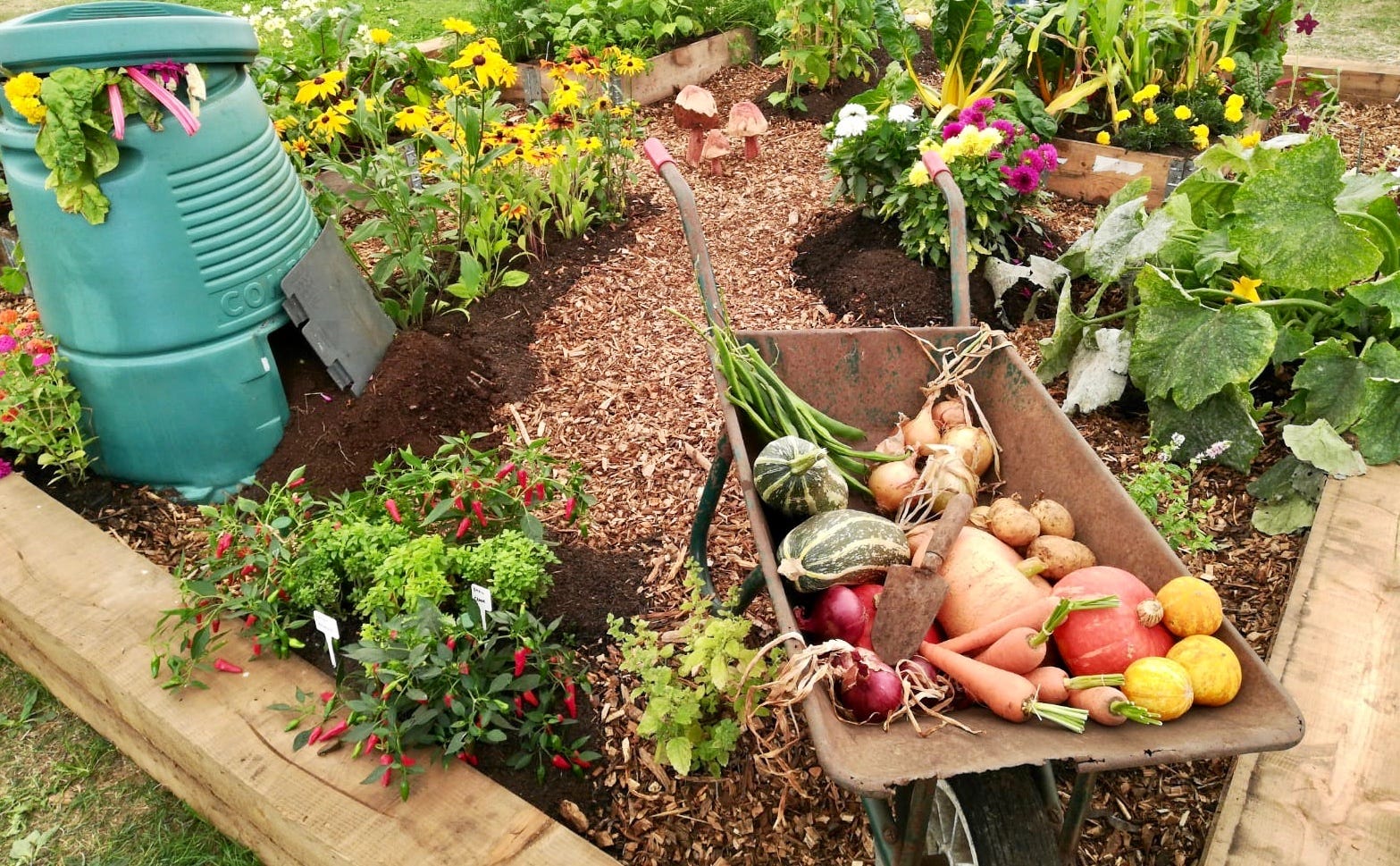
Credit: www.homesandgardens.com
Selecting The Best Vegetables
Choosing the right vegetables for your garden is crucial to ensure a successful harvest. With so many options, the task can seem overwhelming. But fear not! By considering your climate and available space, you can make informed decisions that will lead to a thriving vegetable garden.
Climate Considerations
Your local climate plays a pivotal role in determining which vegetables will flourish. Some vegetables thrive in cooler temperatures, while others need warmth to reach their full potential. For example, lettuce and spinach prefer cooler climates, whereas tomatoes and peppers require plenty of sunshine and heat.
Research the average temperature and seasonal patterns in your area. This knowledge will guide you in selecting vegetables that are naturally suited to your environment. If you live in a region with harsh winters, consider crops that are frost-resistant. On the other hand, if summers are sweltering, choose vegetables that can withstand heat.
Adaptability is key. You may find that experimenting with different varieties over time can reveal surprising successes. Have you considered growing indigenous vegetables that are naturally adapted to your climate?
Space Availability
Space is a precious commodity in any garden. Assess the size of your garden and plan accordingly. Large spaces offer the luxury of growing sprawling plants like squash and melons. If space is limited, opt for compact vegetables such as carrots or radishes.
Vertical gardening can be a game-changer for those with limited ground space. Utilize trellises and containers to maximize your growing area. Cucumbers and beans, for instance, can be trained to grow vertically, saving ground space for other crops.
Think creatively about your available space. Could you transform balcony railings into thriving vegetable patches? Even small spaces can yield bountiful harvests with the right planning.
Preparing The Soil
Healthy vegetables start with well-prepared soil. Ensure soil is rich with organic matter and nutrients. Remove weeds and rocks to create a smooth, fertile ground for seeds.
Preparing the soil is the cornerstone of any successful vegetable garden. It’s the foundation upon which your plants will thrive, or, if neglected, where they will struggle. Understanding the soil’s health and making necessary improvements can make all the difference between a bountiful harvest and a disappointing yield. Let’s dig into the essential steps of preparing your garden soil for a thriving vegetable patch.Soil Testing
Before you plant your vegetables, take time to understand your soil’s current state. A soil test can reveal vital information about its pH levels, nutrient content, and composition. You can easily purchase a soil testing kit online or from your local gardening store. Testing your soil is a straightforward process. Collect samples from different parts of your garden for a comprehensive analysis. Once you have the results, you’ll know exactly what your soil needs. A friend once skipped this step, thinking it unnecessary, only to find their tomatoes were struggling. A quick test revealed a severe nutrient deficiency. Don’t make the same mistake; a simple test can save you a lot of trouble.Amending Soil
Armed with your soil test results, it’s time to amend your soil. This means adding the necessary nutrients and organic matter to create an ideal environment for your vegetables. Common amendments include compost, lime, and well-rotted manure. Consider what your soil lacks. If it’s low in nitrogen, adding compost or manure can boost its levels. If it’s too acidic, a little lime can help balance the pH. Mix these amendments thoroughly into the top 6 to 12 inches of soil. This is where most vegetable roots grow, so ensuring they have access to all the nutrients is crucial. Remember, healthy soil equals healthy plants, leading to a more productive garden. Do you have any specific tips or experiences with soil preparation? Share them in the comments below to help fellow gardeners!Planting Techniques
Planting techniques hold the key to successful vegetable growth in your garden. Understanding different methods can enhance plant health and yield. Whether starting from seeds or seedlings, each approach offers unique benefits. Another important aspect is companion planting. It boosts growth and protects plants. Let’s dive into these techniques.
Seed Vs. Seedling
Seeds are more affordable and offer a broader variety. They require patience and proper care. Germination can take time. Seedlings are young plants ready for transplanting. They save time and ensure quicker harvests. Choose based on your gardening goals and climate. Seedlings might be better for short growing seasons.
Companion Planting
Companion planting enhances vegetable growth and flavor. Some plants benefit when grown together. For instance, tomatoes thrive next to basil. This technique can deter pests naturally. Planting onions near carrots can repel insects. It also maximizes space and improves soil health. Plan your garden layout for best results.
Watering Strategies
Watering your garden vegetables effectively is essential for healthy growth. The right watering strategy ensures your plants receive the necessary hydration. It prevents issues like overwatering or drought stress, which can harm your plants. Let’s explore effective watering strategies for thriving garden vegetables.
Watering Schedule
Establishing a consistent watering schedule is key. Aim for morning watering to reduce evaporation. This also keeps leaves dry, reducing disease risk. Check soil moisture levels before watering. Insert your finger into the soil; water if dry an inch deep. Overwatering can suffocate roots, so adjust based on weather conditions.
Irrigation Systems
Irrigation systems can simplify watering. Drip irrigation delivers water directly to plant roots. This minimizes water waste and reduces leaf wetness. Soaker hoses also work well for even water distribution. Both options save time and ensure consistent moisture levels. Evaluate your garden’s size and layout before choosing an irrigation system.
Pest And Disease Management
Effective pest and disease management is crucial for healthy garden vegetables. Regular monitoring helps in early detection of issues. Natural remedies and proper plant spacing reduce risks and ensure vibrant growth.
Pest and disease management is crucial for healthy garden vegetables. It ensures plants stay vibrant and productive. Addressing pest issues early can prevent major damage. Knowing how to manage diseases helps keep plants thriving. Effective strategies protect your garden’s bounty.Identifying Common Pests
Garden pests come in many forms. Some pests are easy to spot, like caterpillars and aphids. Others are more subtle, such as mites and nematodes. Look for signs like holes in leaves or wilting stems. Regularly inspect plants to catch issues early. Use a magnifying glass for tiny pests. Check under leaves and near roots. Knowing what to watch for helps you act quickly.Natural Pest Control
Natural methods can keep pests at bay. Introduce beneficial insects like ladybugs to eat aphids. Plant herbs like basil and mint to repel unwanted bugs. Use neem oil as an organic spray. Create barriers with nets or row covers. Encourage healthy soil with compost. Healthy soil supports strong plants that resist pests. Companion planting can deter pests naturally. Growing marigolds near vegetables repels nematodes. These methods reduce reliance on chemicals. They support a balanced garden ecosystem.Fertilizing Methods
Growing garden vegetables requires the right fertilizing methods. Organic fertilizers enrich soil with natural nutrients, promoting healthy growth. Synthetic fertilizers offer quick nutrient boosts, ensuring robust vegetable yields.
Growing garden vegetables successfully hinges on effective fertilizing methods. Providing the right nutrients ensures healthy growth and robust yields. Understanding various techniques helps gardeners achieve thriving plants. Explore organic options and learn optimal application timing for best results.Organic Options
Organic fertilizers enrich the soil naturally. They improve plant health without synthetic chemicals. Common choices include compost, manure, and bone meal.- Compost enriches soil with vital nutrients.
- Manure provides a steady nutrient release.
- Bone meal boosts root development with phosphorus.
Application Timing
Timing is crucial in fertilizer application. Applying at the right stage maximizes benefits.- Early season boosts initial growth.
- Mid-season supports flowering and fruiting.
- Late season aids final maturity.
Credit: johannabobbio.medium.com
Pruning And Maintenance
Pruning and maintenance ensure healthy garden vegetables. Trim excess leaves to boost sunlight and airflow. Regularly remove dead or diseased plants for optimal growth.
Pruning and maintenance are crucial aspects of growing healthy garden vegetables. They ensure your plants remain vigorous, produce abundant yields, and resist diseases. Knowing when and how to prune can make all the difference in your garden’s success.Regular Inspections
Regular inspections are your first line of defense against pests and diseases. Walk through your garden every few days and look closely at the leaves and stems. Notice any unusual spots, holes, or discolorations? Remove any damaged or diseased leaves immediately. This simple act prevents the spread of disease and keeps your plants strong. Think of it as giving your vegetables a regular health check-up.Seasonal Pruning
Seasonal pruning involves removing unnecessary growth to promote better air circulation and sunlight exposure. In the spring, focus on trimming back any dead or weak branches. This encourages new growth and sets the stage for a productive season. During the summer, keep an eye on your tomato plants. Remove the suckers—those small shoots that appear in the joint of two branches—to direct energy to the fruit. Have you ever noticed your squash plants sprawling everywhere? Trim back some of the trailing vines to encourage the plant to focus on producing fruit rather than more leaves. Pruning might feel daunting at first, but it’s an essential skill that pays off with healthier plants and more bountiful harvests. Are you ready to give your garden the attention it deserves?Harvesting Tips
Harvesting vegetables from your garden can be as rewarding as watching them grow. Getting the timing and techniques right can make all the difference between a good meal and a great one. Let’s dive into some practical harvesting tips that will help you enjoy the fruits—or vegetables—of your labor at their best.
Optimal Harvest Time
Knowing when to harvest your vegetables is crucial. Each type of vegetable has its own optimal harvest time to ensure peak flavor and nutritional value.
- Tomatoes are best picked when they are fully colored but still firm. Gently twist them off the vine to avoid bruising.
- For leafy greens like lettuce, harvest them while they are young and tender. Older leaves can become bitter.
- Carrots can be harvested when they are about the width of a thumb. Pull one out to check its size before harvesting the rest.
Timing can be tricky due to varying growth rates, but regular checks can keep you on track. What’s your favorite vegetable to harvest at just the right time?
Post-harvest Care
After harvesting, proper care ensures that your vegetables stay fresh and flavorful. This step is as important as the harvest itself.
- Immediately cool your vegetables, especially leafy greens, to retain crispness. A quick rinse in cold water can do wonders.
- Store root vegetables like potatoes in a dark, cool place to prevent sprouting.
- Use breathable bags or containers for storage to avoid moisture buildup.
Handling your vegetables with care post-harvest can extend their shelf life and keep them tasting great. How do you ensure your harvest stays fresh?
Storage And Preservation
Proper storage and preservation keep garden vegetables fresh longer. Use cool, dark places for root vegetables. Freeze or can to extend the shelf life of leafy greens.
Growing garden vegetables is rewarding. Once harvested, proper storage is crucial. This preserves freshness and nutrients. It also extends the lifespan of your produce. Learn about short-term storage and long-term options like canning and freezing. These methods will help you enjoy your garden bounty all year round.Short-term Storage
Fresh vegetables need proper storage. Keep them cool and dry. Use breathable containers. This prevents rot and mold. Some vegetables, like potatoes, prefer dark places. Others, like tomatoes, stay fresh at room temperature. Use a fridge for leafy greens. Ensure they are dry before storing. This keeps them crisp and fresh longer.Canning And Freezing
Long-term preservation methods are vital. Canning is a great option. It involves sealing vegetables in jars. This keeps them safe and edible for months. Follow recipes for best results. Freezing is another choice. It locks in flavor and nutrition. Blanch vegetables before freezing. This step preserves color and texture. Use airtight containers to prevent freezer burn. These methods ensure your garden harvest lasts throughout the year.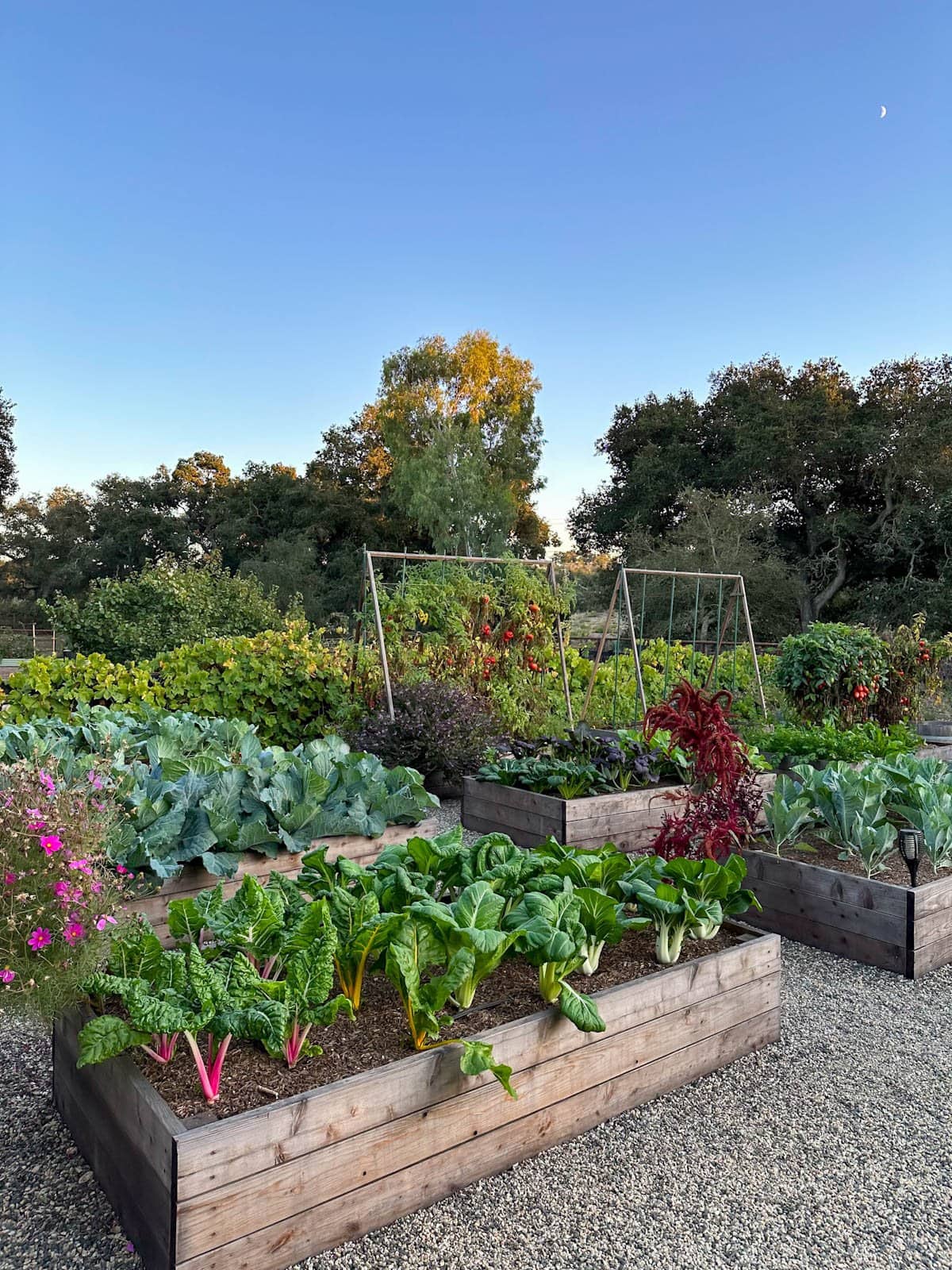
Credit: homesteadandchill.com
Frequently Asked Questions
How To Grow A Vegetable Garden For Beginners?
Start small with easy-to-grow vegetables like tomatoes, lettuce, or radishes. Choose a sunny location with good soil. Water consistently and remove weeds regularly. Use compost to enrich the soil. Monitor for pests and address issues promptly. Enjoy your harvest!
In What Order Do You Plant Vegetables In A Garden?
Start with cool-season vegetables like lettuce and spinach in early spring. Follow with warm-season crops such as tomatoes and peppers after frost risk passes. Finish with late-season vegetables like carrots and kale. Rotate crops annually to maintain soil health and reduce pests.
What Is The Most Common Mistake Of First Time Gardeners?
First-time gardeners often overwater their plants. Excess water can lead to root rot and fungal diseases. It’s crucial to understand each plant’s specific water needs. Properly researching and monitoring moisture levels can prevent this common mistake. Healthy plants thrive with the right balance of water and nutrients.
What Month Should You Start A Vegetable Garden?
Start a vegetable garden in early spring, around March or April, depending on your local climate. This allows cool-season crops like lettuce and peas to thrive. Warmer climates might allow earlier planting. Always check your area’s frost dates for the best results.
Conclusion
Growing garden vegetables is rewarding and fun. It connects you to nature. Your backyard can become a source of fresh food. Start with easy-to-grow veggies. Spinach, carrots, and tomatoes are great options. Water them regularly. Ensure they get enough sunlight.
Protect them from pests. Try natural methods first. Compost enriches the soil. It’s the key to healthy plants. Patience is vital. Vegetables take time to grow. Enjoy the process. Learn from every season. Share your harvest with friends and family.
Eating homegrown vegetables feels fulfilling. It boosts your health and mood. Happy gardening!