Imagine stepping outside your door to be greeted by a lush, vibrant garden bursting with life and color. The sweet scent of blooming flowers and the sight of ripe vegetables ready for harvest can transform any day into a special one.
Growing your own garden isn’t just about aesthetics; it’s a rewarding hobby that can nourish your body and soul. You might think that creating such a paradise requires a green thumb, but that’s where you’re mistaken. With the right guidance, anyone can become a successful gardener, and this guide is here to show you how.
Discover the secrets to turning a patch of land into a flourishing oasis, and unlock the potential for relaxation, creativity, and delicious home-grown produce. Ready to dig in and cultivate your personal Eden? Let’s get started!
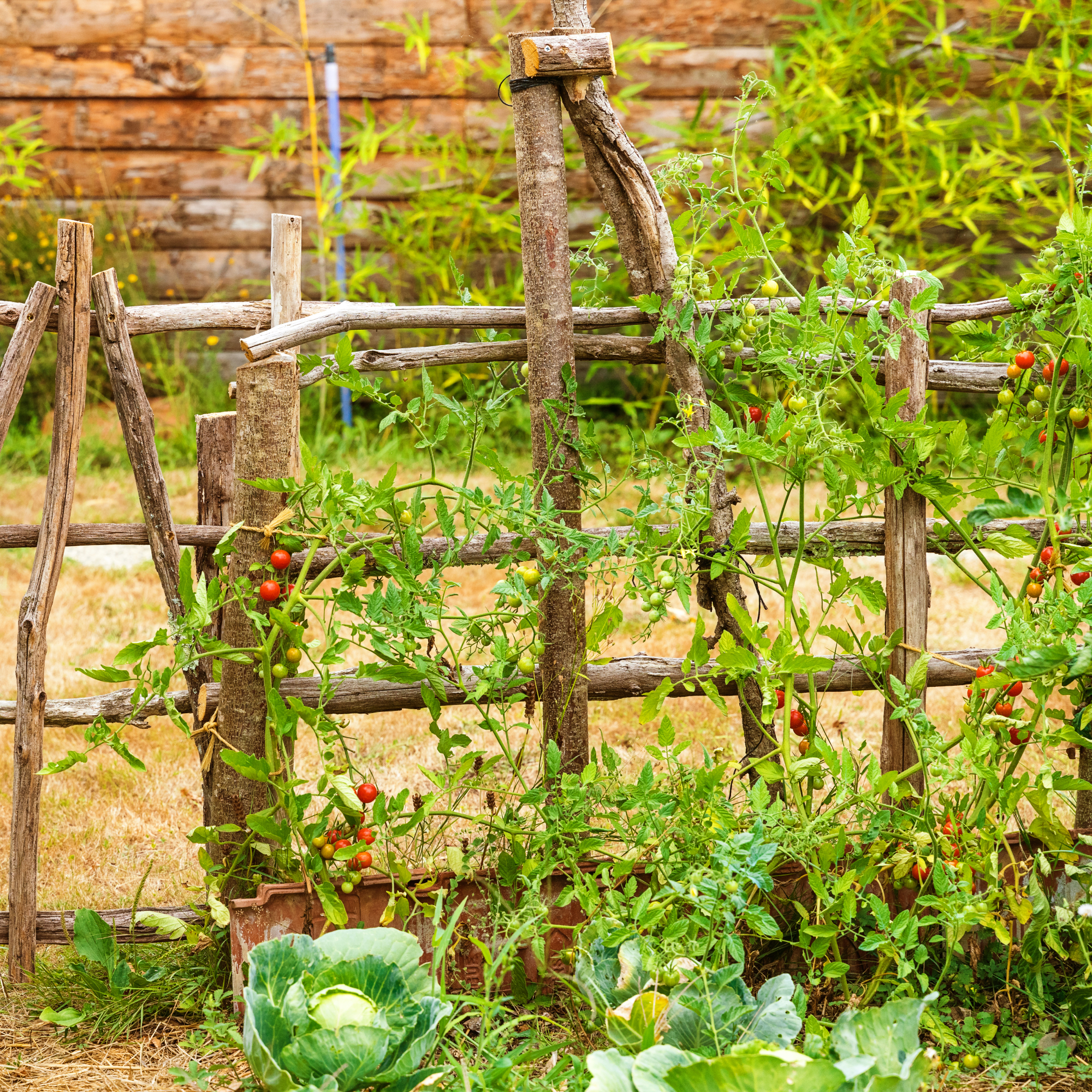
Credit: www.gardeningknowhow.com
Choosing The Right Location
Selecting the right spot ensures your garden flourishes. Choose a location with ample sunlight and good drainage. Avoid areas prone to flooding or strong winds for optimal growth.
Choosing the right location for your garden is crucial. The spot you select will impact plant growth. Consider these factors to ensure your garden thrives.Sunlight Requirements
Plants need sunlight to grow. Observe the sun’s path in your yard. Choose a location with enough sunlight. Most vegetables need 6-8 hours of sunlight daily. Some plants prefer partial shade. Check each plant’s sunlight needs before deciding.Soil Quality
Good soil supports healthy plants. Test your soil for nutrients and pH level. Add compost to improve soil quality. Ensure the soil drains well. Water should not pool around plants. Sandy or clay soil may need amendments. Healthy soil is the foundation of a successful garden.Selecting The Best Plants
Choosing the right plants is vital for a thriving garden. Consider climate, soil type, and sunlight when selecting plants. Native species often require less maintenance and adapt well to local conditions.
Selecting the best plants for your garden is akin to curating a personal paradise. It requires a thoughtful approach to ensure that your greenery not only thrives but also complements your lifestyle and environment. The right plant choices can transform a simple patch of earth into a vibrant, living tapestry. But how do you decide which plants are best suited for your garden? Let’s delve into some crucial factors to consider.Climate Considerations
Your local climate is a decisive factor in plant selection. Plants that flourish in a tropical setting may struggle in a temperate zone. Understanding your region’s weather patterns is key. Check the average temperature range and precipitation levels throughout the year. For instance, if you live in a dry area, succulents like cacti may be ideal due to their drought resistance. Consider the micro-climates within your garden. Is there a shady corner or a spot that receives constant sunlight? Tailor your plant choices to these conditions. Look for native plants as they are naturally adapted to your local climate and usually require less maintenance.Perennials Vs. Annuals
Choosing between perennials and annuals is another pivotal decision. Perennials, which bloom year after year, offer longevity and often require less effort to maintain. They are perfect if you desire a garden with consistent beauty over time. Imagine the joy of seeing your favorite flowers return each spring without replanting. On the other hand, annuals provide a burst of color and variety but need to be replanted each year. They are ideal for gardeners who enjoy experimenting with new designs and colors annually. If you crave a fresh look each season, annuals can keep your garden vibrant and ever-changing. Think about your gardening goals. Are you looking for a low-maintenance garden, or do you enjoy the yearly ritual of planting anew? Your answer will guide you in selecting the right mix of perennials and annuals to suit your gardening style.Preparing The Soil
Preparing the Soil Start by removing weeds and rocks to clear the area. Mix in organic compost to enrich the soil. Loosen the ground using a garden fork to allow roots to grow easily.
Preparing the soil is the foundation of any successful garden. Before planting, you need to ensure the soil is fertile and ready to support healthy growth. It’s like setting the stage for a thriving ecosystem right in your backyard. With a bit of preparation, your garden can flourish with vibrant colors and bountiful harvests. Let’s dive into some essential steps to get your soil in prime condition.Testing Soil Ph
Understanding your soil’s pH is crucial. It determines how well plants absorb nutrients. A pH test kit from a garden store can quickly help you assess your soil’s acidity or alkalinity. Aim for a neutral pH around 6.0 to 7.0, which suits most plants. Adjusting soil pH is straightforward. If your soil is too acidic, add lime to raise the pH. If it’s too alkaline, sulfur can help lower it. Regular testing ensures your adjustments stick, and your plants thrive.Enriching With Compost
Compost is a gardener’s gold. Rich in nutrients, it improves soil structure and fertility. You can make your own compost from kitchen scraps and yard waste. It’s not just eco-friendly; it’s a cost-effective way to boost your garden. Mix compost into your soil before planting. Aim for a layer of about two inches. This enriches the soil and helps retain moisture. Have you noticed how plants in compost-fed soil grow stronger? It’s because they get a steady stream of essential nutrients. Consider the satisfaction of watching your garden flourish, knowing you’ve nurtured it from the ground up. Is your soil ready for planting this season?Planting Techniques
Choose the right location with good sunlight for your garden. Use quality soil and space plants properly. Water regularly, but avoid overwatering.
Planting Techniques Growing a garden is an art that blends science and creativity. A key part of this process is mastering planting techniques. Knowing how to properly plant your seeds or seedlings can make the difference between a thriving garden and one that struggles to grow.Spacing Guidelines
Proper spacing is crucial for plant health and productivity. Crowded plants compete for sunlight, water, and nutrients, which can stunt growth and reduce yields. Use a measuring stick or ruler to ensure consistent spacing. For example, tomatoes need about 18-24 inches between each plant, while lettuce can be spaced closer at around 6-12 inches. Consider the mature size of your plants when deciding on spacing. Have you ever planted too close together and ended up with a tangled mess? Adjusting your spacing can prevent this common pitfall.Depth Considerations
Planting depth plays a crucial role in seed germination and root development. Too deep, and seeds may not sprout; too shallow, and they might dry out or be washed away. A general rule is to plant seeds at a depth of about twice their size. For instance, larger seeds like beans should be planted about an inch deep, while smaller seeds like carrots only need to be a quarter of an inch below the surface. Check the seed packet for specific depth recommendations. Have you noticed that some seeds sprout more reliably than others? Depth might be the secret factor you’re overlooking. Embrace these planting techniques to give your garden the best start possible. As you refine your skills, you’ll likely see healthier plants and more bountiful harvests.Watering Strategies
Consistent moisture ensures healthy plant growth. Use drip irrigation or soaker hoses to deliver water directly to roots. Early morning watering reduces evaporation and keeps plants hydrated throughout the day.
Watering your garden might seem simple, but getting it right is crucial for a thriving garden. The right watering strategies can mean the difference between lush, green growth and wilting, unhappy plants. Let’s dive into some practical watering tips that can help your garden flourish.Frequency And Timing
Understanding when and how often to water is key. Early morning is usually the best time to water your garden. This allows the plants to absorb moisture before the sun gets too hot, reducing evaporation. Aim to water your garden deeply but less frequently. This encourages roots to grow deeper into the soil, making your plants more drought-resistant. For example, instead of watering daily, try watering every two to three days, depending on the weather and soil type.Efficient Watering Methods
Using the right watering method can save water and benefit your plants. Drip irrigation is an efficient choice, delivering water directly to the plant roots with minimal waste. It’s particularly useful for larger gardens and can be set on a timer for convenience. Soaker hoses are another great option. They distribute water slowly and evenly, reducing runoff and evaporation. If you prefer hand watering, use a watering can with a fine rose attachment. This ensures a gentle flow, protecting delicate plants from damage. Have you ever tried mulching around your plants? It helps retain moisture, reducing the need for frequent watering. Mulching can also keep weeds at bay, making your gardening efforts more effective. Experiment with these strategies, and soon you’ll find the perfect watering routine for your garden. Have you discovered any unique watering tricks that work for your garden?Fertilizing Tips
Fertilizing your garden is key to growing healthy plants. It provides essential nutrients that soil may lack. Understanding different options and timing can make a big difference. This section will guide you through effective fertilizing tips for a thriving garden.
Organic Vs. Synthetic Options
Choosing between organic and synthetic fertilizers is an important decision. Organic fertilizers come from natural sources like compost, manure, and bone meal. They improve soil structure and increase beneficial microorganisms. They release nutrients slowly, offering long-term benefits.
Synthetic fertilizers are man-made and provide nutrients quickly. They are convenient and cost-effective. They can, however, deplete soil quality over time. Consider your garden’s needs and your values when choosing.
Timing For Best Results
Fertilizing at the right time ensures plants absorb nutrients effectively. Early spring is ideal for most plants. It supports new growth. Avoid fertilizing in late fall; plants won’t use the nutrients, and they may leach away.
For flowering plants, fertilize before blooming starts. This boosts flower production. Vegetables need fertilization before planting and during their growing season. Always follow product instructions for best results.
Weed And Pest Control
Effective weed and pest control ensures a healthy garden. Regular checks can help prevent infestations. Use natural methods like companion planting to maintain balance.
Growing a garden is a rewarding endeavor, but it comes with its fair share of challenges, especially when dealing with weeds and pests. These uninvited guests can threaten the health and beauty of your garden. However, managing them effectively doesn’t have to be a daunting task. With the right strategies, you can keep your plants thriving while maintaining a balanced ecosystem. Let’s explore how you can tackle weed and pest control in your garden.Natural Solutions
Embrace nature’s offerings to keep your garden free from harmful invaders. Consider using companion planting, which involves growing specific plants together to deter pests naturally. For instance, marigolds can help repel nematodes, while basil can ward off aphids. You might also try homemade remedies. A simple mixture of water and vinegar can be a potent weed killer. Garlic spray is effective against a range of pests without harming beneficial insects. Every gardener has their secret weapon. Mine is using neem oil, a natural insecticide that tackles a variety of pests while being safe for plants and the environment. What’s your go-to natural solution?Preventive Measures
Preventing weeds and pests before they become a problem is crucial. Start by maintaining healthy soil. Regularly turning the soil and adding compost can create an environment less hospitable to weeds and pests. Think about mulching. A layer of mulch not only preserves moisture but also suppresses weed growth by blocking sunlight. It’s a two-for-one deal that every gardener should consider. Consider setting up physical barriers like row covers or netting. These can protect young plants from bugs and critters looking for a snack. Is your garden ready for its protective shield? Gardening is a journey of constant learning and adaptation. By integrating these weed and pest control strategies, you can cultivate a garden that flourishes with minimal interference.
Credit: www.u4gm.com
Pruning And Maintenance
Keeping plants healthy involves regular pruning. This helps remove dead branches and supports new growth. Maintenance tasks, like watering and weeding, ensure a thriving garden environment.
Pruning and maintaining your garden can feel like an art, but with a little knowledge, you’ll find it’s also a science. These tasks are vital in ensuring your plants stay healthy and productive. Regular attention to pruning and maintenance not only boosts growth but also enhances the overall beauty of your garden.Seasonal Pruning
Understanding the right time to prune is crucial. Different plants have varying needs depending on the season. For instance, many flowering plants benefit from pruning in late winter, just before new growth begins. When you prune, you’re not just cutting back growth—you’re shaping the future. Consider which branches are crossing or rubbing against each other. Remove any dead or diseased wood to promote health. Keep your tools sharp and clean to prevent injury to the plants. A dull blade can tear and damage, leaving the plant vulnerable to disease.Regular Upkeep
Maintenance is more than just a chore; it’s a chance to connect with your garden. Regular checks help catch potential problems early. A consistent schedule is key—set aside time each week to weed, deadhead, and tidy up. Weeds can compete with your plants for nutrients, so pull them out as soon as they appear. Deadheading spent flowers encourages new blooms and keeps the garden looking fresh. Mulching is another maintenance task that can make a big difference. It conserves moisture, suppresses weeds, and adds nutrients to the soil. What’s your favorite time for garden maintenance? Early morning or perhaps late afternoon? Finding a routine that fits your lifestyle makes the process enjoyable and rewarding.Harvesting Techniques
Harvesting techniques play a crucial role in growing a garden. Proper timing ensures plants are at their peak for flavor and nutrition. Use clean, sharp tools to avoid damaging plants and encourage regrowth.
Harvesting your garden is an exciting phase where you finally get to enjoy the fruits (or vegetables) of your labor. It’s crucial to know when and how to pick your produce to ensure the best taste and longevity. Let’s dive into some essential harvesting techniques to make the most of your garden bounty.Identifying Ripeness
Knowing when your fruits and vegetables are ripe is key. Look for visual cues like color changes and size. For example, tomatoes should be vibrant red, while cucumbers should have a uniform dark green color. Touch can also be a great indicator. Gently squeeze fruits; they should be firm but not hard. Listen to your instincts—if it feels ready, it probably is. Have you ever tasted a home-grown fruit? If you haven’t, you might be surprised at how much sweeter and flavorful it is compared to store-bought versions.Proper Harvesting Tools
Using the right tools can make a world of difference. Invest in sharp scissors or pruning shears to cleanly cut stems without damaging the plant. A good pair of gloves is essential, especially if you’re dealing with prickly plants like zucchinis. They protect your hands while providing a better grip. Consider a sturdy basket or bucket to collect your harvest. This keeps produce safe from bruising and makes transportation easier. Have you ever struggled with tearing a vegetable off the plant? Proper tools eliminate this hassle, making harvesting a breeze.Sustainable Practices
Growing a garden sustainably involves using compost to enrich soil and choosing native plants that require less water. Implementing rainwater harvesting systems can conserve water efficiently. Embrace organic gardening techniques to minimize chemical use, ensuring a healthy ecosystem.
Growing a garden is more than just planting seeds and watching them grow. It’s about adopting sustainable practices that respect the environment, ensuring your garden thrives season after season. By implementing eco-friendly methods, you can contribute to a healthier planet while enjoying the beauty and bounty of your garden. Let’s explore some practices that can make your garden more sustainable.Companion Planting
Companion planting is a technique that involves growing certain plants together to enhance growth, deter pests, or improve flavor. Imagine pairing tomatoes with basil; not only does basil enhance the flavor of tomatoes, but it also repels insects that could harm them. Try planting marigolds near your vegetables to ward off nematodes and other garden pests. This natural method reduces the need for chemical pesticides, promoting a healthier ecosystem in your backyard.Water Conservation
Water is a precious resource, and conserving it in your garden is vital. Consider installing a rain barrel to collect rainwater for irrigation. You’d be surprised how much water you can save by using rainwater instead of relying solely on the hose. Using mulch around your plants is another effective way to retain moisture. It prevents evaporation and keeps the soil cool, reducing the need for frequent watering. Have you ever tried watering your plants early in the morning or late in the evening? This simple habit minimizes water loss due to evaporation during the heat of the day. Adopting these sustainable practices not only benefits your garden but also nurtures the environment. Which technique will you try first to make your garden more eco-friendly?
Credit: savvygardening.com
Frequently Asked Questions
How Do You Plant A Garden For Beginners?
Start by choosing a sunny spot with good soil. Plan your garden layout and select easy-to-grow plants. Prepare the soil by removing weeds and adding compost. Plant seeds or seedlings according to instructions. Water regularly and monitor growth. Enjoy your flourishing beginner’s garden!
What Month Should You Start A Garden?
Start a garden in early spring, typically March or April, depending on your local climate. Research regional frost dates for guidance. Preparing soil and planning layouts in advance ensures better growth. Consider planting cool-season crops first, as they thrive in cooler temperatures.
What Is The Best Garden For A Beginner?
Start with a small herb garden. Choose easy-to-grow plants like basil, mint, and parsley. Use containers for flexibility. Ensure proper sunlight and regular watering. These gardens require minimal maintenance, perfect for beginners. Enjoy fresh herbs for cooking right from your backyard.
What Is The First Thing You Put In A Garden?
Begin by preparing the soil for planting. Ensure it’s fertile, well-drained, and free of weeds. Adding compost enriches the soil, boosting plant growth. Test the soil pH to match plant requirements. Proper soil preparation lays the foundation for a healthy garden.
Conclusion
Starting your garden is just the beginning. Care and patience are key. Water regularly. Check for pests often. Add compost to enrich the soil. Watch your plants thrive. Learn from each season. Make adjustments as needed. Enjoy the beauty of nature at your fingertips.
Share your harvest with friends and family. Celebrate small successes. Gardening can become a joyful routine. Connect with others who love gardening. Exchange tips and stories. Your garden grows with effort and love. Keep nurturing your plants. Soon, you’ll see the rewards blossom.
Embrace the journey and cherish each moment.


