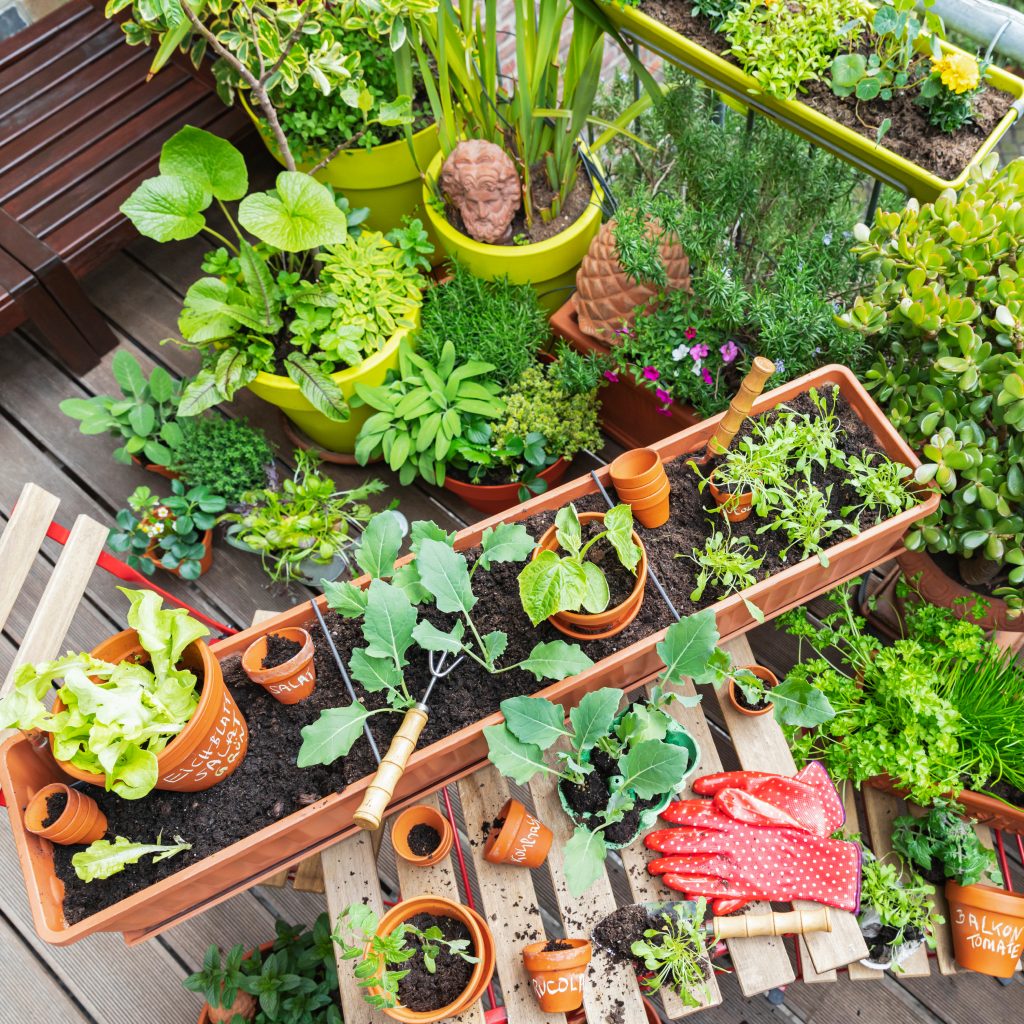
Imagine stepping out onto your balcony or patio and plucking fresh, homegrown vegetables to add to your meals. Sounds amazing, right?
Growing a container vegetable garden is not just a delightful hobby; it’s a rewarding way to ensure you have access to fresh produce, even if you’re short on space. Whether you’re new to gardening or a seasoned green thumb, learning how to cultivate a thriving container garden can transform your outdoor space into a lush, edible oasis.
In this guide, you’ll discover easy-to-follow steps, practical tips, and insider secrets to make your container garden flourish. Ready to dig in and see how your small space can yield big rewards? Let’s get started!
:max_bytes(150000):strip_icc()/GettyImages-14913084991-24873d74f5194dce93bdfcc05efdbe20.jpg)
Credit: www.thespruce.com
Choosing The Right Containers
Choosing the right containers for your vegetable garden is crucial. The right container can boost your plants’ growth and yield. It helps you maximize space and maintain healthy plants. Consider size, material, and drainage when selecting containers.
Size And Depth Considerations
Size matters for plant growth. Larger containers allow roots to spread. Deep containers support root vegetables like carrots and potatoes. Choose containers that fit your available space. Ensure they match the plant’s growth needs.
Material Options
Materials affect plant health. Clay pots are durable but heavy. Plastic containers are lightweight and affordable. Wood offers a natural look and good insulation. Metal containers can heat up quickly in the sun. Choose materials based on your climate and plant type.
Drainage Importance
Proper drainage prevents root rot. Containers need holes at the bottom. This allows excess water to escape. Without drainage, plants may drown. Use gravel or stones to improve water flow. Check containers regularly for blocked drainage holes.
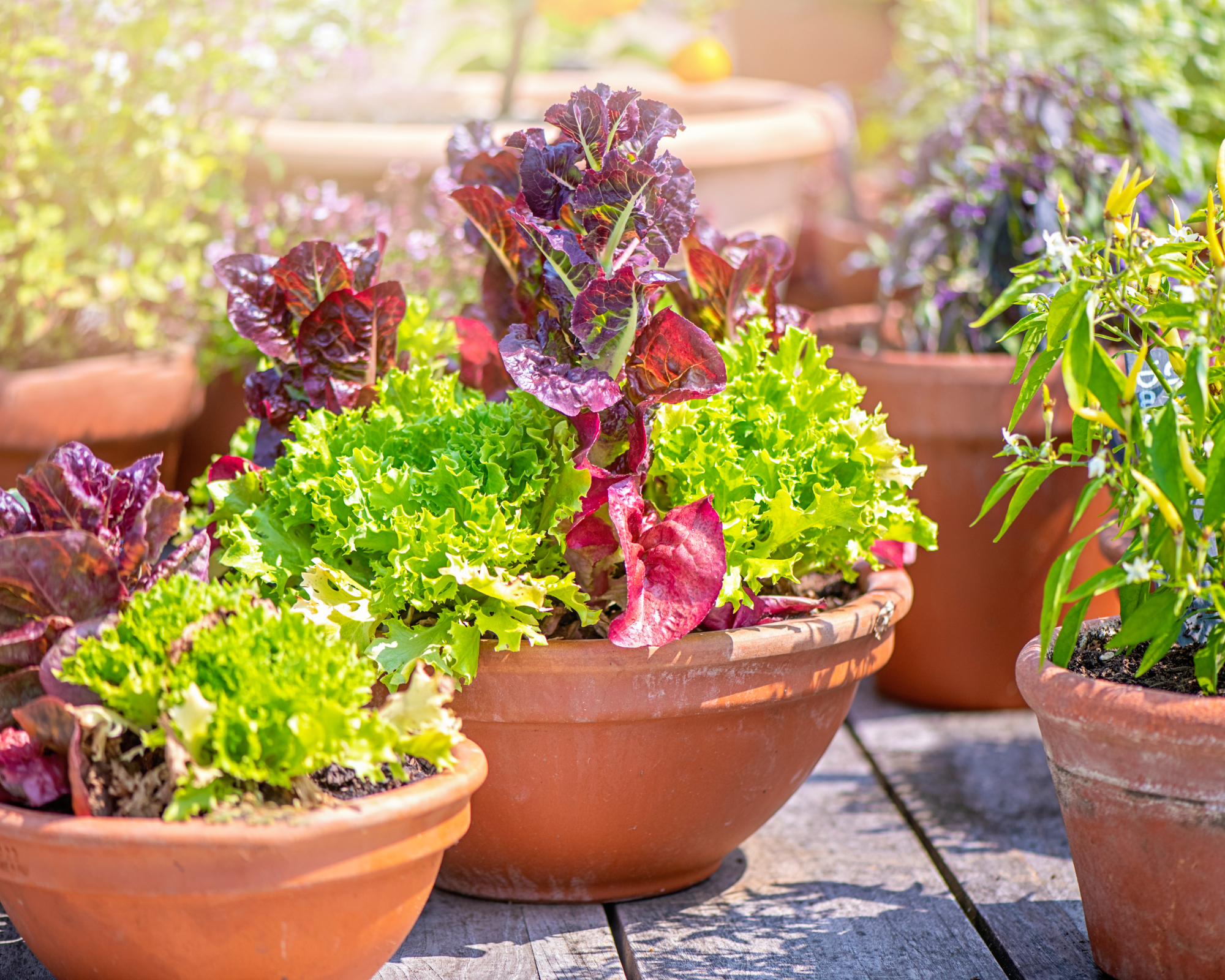
Credit: www.gardeningknowhow.com
Selecting Suitable Vegetables
Creating a thriving container vegetable garden starts with selecting suitable vegetables. Choosing the right varieties ensures a bountiful harvest. It’s important to consider factors like ease of growth, climate, and plant compatibility. With careful selection, even beginners can enjoy fresh produce from their gardens.
Easy-to-grow Varieties
Beginners should opt for vegetables that are easy to cultivate. Some vegetables thrive with minimal care. Consider these for your container garden:
- Lettuce
- Radishes
- Spinach
- Tomatoes
- Peppers
These varieties require less maintenance and offer quick yields. They are perfect for new gardeners.
Climate And Season Factors
Understanding your local climate is crucial. Not all vegetables grow well in every environment. Warm-season vegetables like tomatoes need lots of sunlight. Cool-season crops like lettuce prefer cooler temperatures. Consider the seasons when planning your garden. Some vegetables can be grown all year in certain climates.
Companion Planting Ideas
Companion planting enhances growth and deters pests. Some plants help others thrive when grown together. Consider these pairings:
- Tomatoes with basil
- Carrots with onions
- Lettuce with radishes
- Cucumbers with beans
These combinations can improve your garden’s health and yield.
Soil And Fertilizer Needs
Choosing the right soil and fertilizer is key for container vegetable gardens. Use well-draining potting soil to ensure plant health. Add organic fertilizers to provide essential nutrients and support growth.
Growing a container vegetable garden is a rewarding endeavor, but it hinges on understanding the soil and fertilizer needs. The right soil mix and nutrient supply ensure your plants thrive and yield delicious produce. It’s not just about filling pots with dirt; it’s about creating a nourishing environment. Imagine the joy of harvesting a fresh tomato from your balcony, knowing it grew in soil you carefully selected.Choosing The Right Soil Mix
Selecting the ideal soil mix is crucial. Opt for a lightweight, well-draining potting mix that retains moisture. Avoid garden soil as it compacts easily, suffocating roots. Look for mixes with peat moss, vermiculite, or perlite. These ingredients enhance aeration and water retention, providing a balanced medium for your vegetables.Nutrient Requirements
Vegetables have specific nutrient needs for growth. Nitrogen, phosphorus, and potassium are vital components. Leafy greens like spinach crave nitrogen for lush growth, while fruiting plants such as tomatoes demand phosphorus for robust flowering. Consider a soil test to identify deficiencies and tailor your fertilizer accordingly.Organic Vs. Synthetic Fertilizers
Choosing between organic and synthetic fertilizers can be puzzling. Organic options, like compost and manure, enrich soil health and encourage beneficial microbes. They release nutrients slowly, reducing the risk of over-fertilization. Synthetic fertilizers deliver nutrients quickly, but may lead to salt buildup if overused. Reflect on your gardening philosophy: Do you prefer natural growth or quick results?Watering Techniques
Proper watering ensures healthy container vegetable gardens. Use drip irrigation or self-watering pots to maintain consistent moisture. Adjust watering frequency based on weather and plant needs.
Watering techniques are crucial for a thriving container vegetable garden. Proper watering can mean the difference between a bountiful harvest and a lackluster yield. Understanding how, when, and how much to water can significantly impact the health of your plants.Frequency And Quantity
Watering frequency and quantity can vary depending on the type of vegetable, container size, and climate. Generally, most container gardens require watering once a day, especially during hot weather. Stick your finger into the soil up to the first knuckle; if it feels dry, it’s time to water. For many vegetables, providing about an inch of water per week is a good rule of thumb. However, this can change based on specific plant needs and weather conditions. Be sure to adjust your watering habits if you notice any changes in plant vitality.Self-watering Systems
Self-watering systems are a game-changer for busy gardeners. These systems use reservoirs to provide a consistent supply of water to your plants. You fill the reservoir, and the system ensures the soil remains moist without being waterlogged. Simple self-watering pots can be found in most garden centers. Alternatively, you can make your own using household items like plastic bottles or tubs. This method can save time and reduce the risk of overwatering.Signs Of Overwatering And Underwatering
Recognizing the signs of overwatering and underwatering can help you adjust your watering strategy. Overwatered plants often have yellowing leaves and may develop root rot. The soil may also appear constantly wet or soggy. On the other hand, underwatered plants might have dry, brittle leaves and the soil may pull away from the edges of the container. If you notice these signs, it’s crucial to modify your watering routine. Paying close attention to these signs ensures your plants receive the right amount of water they need to thrive. Is your watering schedule keeping your plants healthy and happy?Sunlight And Placement
Proper sunlight is crucial for thriving container vegetables. Place your garden in a spot that receives at least six hours of sunlight daily. Adjust placement as needed to ensure optimal growth.
Growing a container vegetable garden can be a rewarding experience. Sunlight and placement play crucial roles in the success of your garden. Vegetables need ample light for photosynthesis. Proper placement ensures your plants receive the necessary sunlight and thrive.Maximizing Sun Exposure
Position your containers where they get at least 6-8 hours of sunlight. This is essential for healthy growth. South-facing spots are ideal for sun-loving plants. Rotate your containers regularly to ensure even light distribution. Consider reflective surfaces nearby to enhance light exposure.Indoor Vs. Outdoor Placement
Decide whether your garden will be indoors or outdoors. Outdoor placement offers natural sunlight, which is ideal. Indoor gardens require grow lights to supplement natural light. Choose a location near windows for indoor setups. Assess the temperature and humidity for both options to ensure plant health.Dealing With Limited Space
Small spaces can still accommodate a container garden. Use vertical gardening techniques to maximize space. Hanging pots and wall planters are excellent solutions. Opt for compact or dwarf vegetable varieties. Consider multi-tiered plant stands to expand your growing area. Prioritize sunlight access in your limited space.Pest And Disease Control
Protect your container vegetable garden by monitoring plants regularly for pests and diseases. Apply natural remedies like neem oil or insecticidal soap to keep issues at bay. Encourage beneficial insects like ladybugs to help maintain a healthy garden environment.
Growing a container vegetable garden can be a rewarding endeavor, but it does come with its own set of challenges, particularly when it comes to pest and disease control. Just like a traditional garden, your container garden can fall victim to various pests and diseases that threaten your plants. Being proactive and well-informed can make all the difference in maintaining a healthy garden. So, how do you keep these pesky invaders at bay?Identifying Common Pests
The first step in combating pests is knowing what you’re up against. Common pests in container gardens include aphids, spider mites, and whiteflies. You might notice tiny bugs on the leaves or a sticky residue, which is a telltale sign of these invaders. Look for holes in the leaves or wilted plants. These symptoms often indicate a pest problem. Regularly inspecting your plants helps catch these issues early.Natural And Chemical Solutions
Once you’ve identified the pests, it’s time to choose your weapons. Natural solutions like neem oil and insecticidal soap are gentle on your plants but tough on bugs. These remedies are often effective for minor infestations. For more severe cases, you might consider chemical solutions. Products containing permethrin or bifenthrin can be more aggressive but should be used sparingly. Always read labels and follow the instructions to avoid harming your plants or beneficial insects.Preventive Measures
Prevention is always better than cure. Start by keeping your plants healthy, as strong plants are less susceptible to pests and diseases. Ensure your containers have good drainage and are not overcrowded, which can create a breeding ground for pests. Rotate your crops and avoid planting the same type of vegetable in the same container year after year. This practice helps prevent soil-borne diseases. Consider using floating row covers to physically block pests from reaching your plants. By staying vigilant and taking preventive steps, you can enjoy a thriving container garden with minimal pest issues. Are you ready to take control of your garden’s health?Harvesting Tips
Choose containers with good drainage for healthy plants. Regularly check soil moisture to prevent wilting. Harvest when vegetables are mature, ensuring fresh produce and continuous growth.
Growing your own container vegetable garden is rewarding. Knowing how to harvest properly enhances this experience. Effective harvesting keeps your vegetables fresh and flavorful. Here are some essential tips to guide you.Timing For Optimal Flavor
Harvesting at the right time ensures the best taste. Pick vegetables in the morning. This is when they are most hydrated. Leafy greens and herbs are tastier when young. Tomatoes and peppers should ripen fully on the plant. Use a calendar or notes to track growth stages.Techniques For Different Vegetables
Different vegetables require different harvesting techniques.- For root vegetables, loosen soil before pulling.
- Use scissors to snip herbs and leafy greens.
- Twist and pull gently for peas and beans.
- Cut squash and cucumbers with a knife.
Storage And Preservation
Proper storage extends the life of your harvest.- Wash and dry vegetables before storing.
- Keep leafy greens in the fridge wrapped in a towel.
- Store root vegetables in a cool, dark place.
- Freeze herbs in ice cube trays for longer use.

Credit: www.youtube.com
Maintaining Your Garden
Growing a container vegetable garden is a rewarding way to enjoy fresh produce at home. Choose containers with proper drainage and fill them with quality soil. Select easy-to-grow vegetables like tomatoes, peppers, and herbs for success in small spaces.
Maintaining your container vegetable garden is crucial for a bountiful harvest. It might seem daunting at first, but with a few simple routines, you can keep your plants thriving all season long. Whether you’re a seasoned gardener or just starting, understanding how to properly care for your plants ensures they grow healthy and strong.Pruning And Deadheading
Pruning and deadheading are essential tasks that keep your plants vigorous. Regularly trimming your plants encourages new growth and prevents disease. Have you noticed leaves turning yellow or flowers wilting? That’s your cue to prune. Removing these parts allows your plants to focus energy on producing vegetables rather than sustaining unhealthy leaves. Deadheading, the removal of spent flowers, is equally important. It diverts energy from seed production back to fruit development. Imagine each snip as a promise of more delicious harvests. Don’t hesitate to grab your scissors and give your plants the care they deserve!Seasonal Care Routines
Seasonal care routines help your garden adapt to changing conditions. As the weather shifts, your plants’ needs change too. What worked in spring might not be effective in summer. In warmer months, consider mulching to retain moisture and regulate soil temperature. This simple step can make a big difference in water conservation. During cooler months, think about repositioning your containers to maximize sunlight exposure. Adjusting your care routine seasonally is like tailoring a suit—your garden will flourish with the right fit.Monitoring Growth And Health
Keeping a close eye on your plants’ growth and health is vital. Regular checks can reveal early signs of pest infestations or nutrient deficiencies. You might notice leaves curling or turning different colors; these are indicators your plants need attention. Imagine your garden as a living diary. Each leaf and stem tells a story. Take notes on what you observe and adjust your care accordingly. This practice not only helps in solving current issues but also prepares you for future gardening adventures. Are you ready to nurture your garden into a thriving oasis? With these tips, you’ll transform your container vegetable garden into a source of pride and joy.Frequently Asked Questions
What Vegetable Grows Well In Containers?
Tomatoes, peppers, lettuce, and radishes grow well in containers. Choose compact or dwarf varieties for best results. Ensure good drainage and use quality potting soil. Regular watering and adequate sunlight are essential for healthy growth. Enjoy fresh, homegrown vegetables straight from your container garden.
What Is The Most Common Mistake Made With Container Plants?
Overwatering is the most common mistake with container plants. It leads to root rot and reduces plant health. Ensure proper drainage and check soil moisture before watering. Use containers with drainage holes to prevent excess water accumulation.
How To Start A Container Vegetable Garden?
Choose containers with good drainage. Use quality potting mix and select vegetables suitable for container gardening. Position containers in a sunny spot. Water consistently and provide nutrients with organic fertilizer. Monitor for pests and diseases regularly to ensure healthy growth.
What Do You Put In The Bottom Of A Container Garden?
Place small rocks or gravel at the bottom of a container garden. They improve drainage and prevent waterlogging. Adding a layer of landscape fabric can further enhance drainage by preventing soil from mixing with the rocks. This setup helps maintain healthy plant roots.
Conclusion
Growing a container vegetable garden is fun and rewarding. You can enjoy fresh veggies from your porch or balcony. Start small with easy plants like tomatoes and lettuce. Use good soil and containers with drainage holes. Water plants regularly to keep them healthy.
Sunlight is important, so find a sunny spot. Watch your plants grow and learn as you go. Share your harvest with friends and family. Gardening in containers is simple and enjoyable. Anyone can do it with a little care and attention.
Give it a try and taste the difference home-grown veggies make!