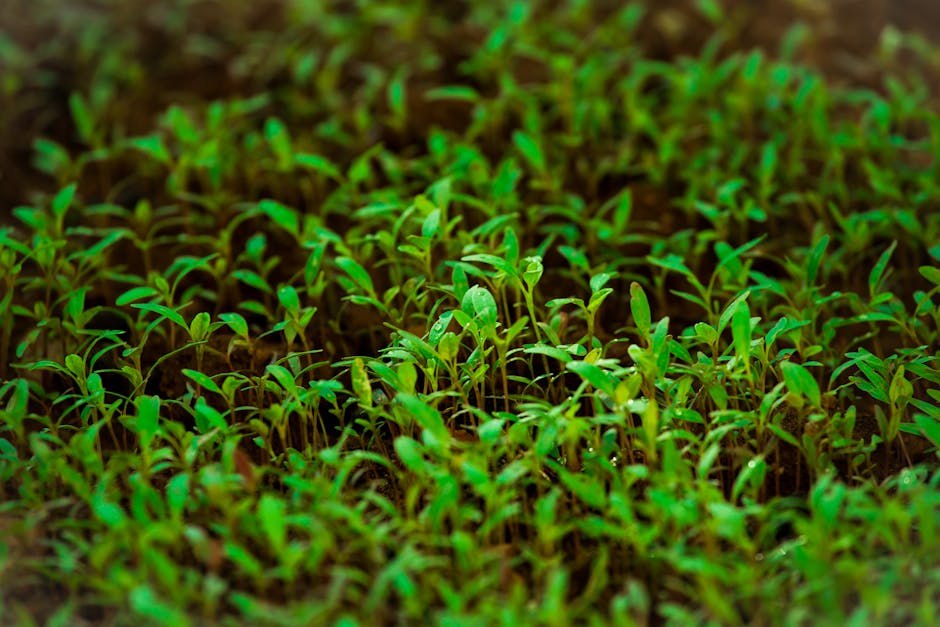
Imagine stepping into your garden and being greeted by vibrant blooms and lush greenery. It’s not just a dream—it’s entirely possible when you start with super seeds.
If you’re eager to transform your garden into a thriving oasis, understanding how to get super seeds is crucial. These special seeds are the secret sauce behind a flourishing garden, offering better growth, resilience, and beauty. But how do you get your hands on these garden game-changers?
We’ll guide you through every step, ensuring you have the tools and knowledge to cultivate the garden of your dreams. Ready to unlock the potential of super seeds and elevate your gardening experience? Let’s dive in and explore the secrets that will make your garden the envy of all.
Choosing Quality Seeds
Choosing quality seeds is crucial for a thriving garden. Seeds determine the health and yield of your plants. Selecting the right ones sets the foundation for your gardening success.
Organic Vs Non-organic
Organic seeds are grown without synthetic pesticides. They support sustainable gardening. These seeds are ideal for environmentally conscious gardeners. Non-organic seeds may involve chemical treatments. They can offer certain advantages like disease resistance. The choice depends on your gardening philosophy.
Seed Varieties
Seed varieties offer a range of options. Heirloom seeds are traditional and non-hybrid. They maintain their traits over generations. Hybrid seeds are bred for specific traits. They can provide higher yields or improved resistance. Consider what you want from your garden before choosing.

Credit: www.youtube.com
Seed Storage Tips
Seed storage is a crucial aspect of gardening that can make or break your efforts to grow a garden. Properly storing your seeds ensures they’re viable when you’re ready to plant them. It might seem simple, but a few key tips can make all the difference. Let’s dive into some essential strategies to keep your seeds in prime condition.
Temperature Control
Did you know that temperature plays a significant role in seed longevity? Seeds are best stored in cool, stable environments. A basement or a refrigerator can be ideal places because they maintain a consistent temperature. If you’ve ever noticed seeds sprouting prematurely, it’s likely due to fluctuating temperatures that trick them into thinking it’s time to grow.
Keep your seeds away from heat sources like ovens or direct sunlight. You’d be surprised how much a little extra warmth can affect their viability. Remember, maintaining a cool environment helps preserve your seeds for longer periods.
Humidity Levels
Humidity is another silent factor affecting seed storage. Excess moisture can lead to mold growth, ruining your seeds. To prevent this, ensure your storage area is dry, with humidity levels kept at a minimum. You might consider using desiccant packets, often found in new shoe boxes, to absorb excess moisture.
Containers with airtight seals can also help protect your seeds from humidity changes. Have you ever opened a jar to find your seeds clumped together? That’s a sign of moisture intrusion. Keeping them dry means keeping them healthy and ready to grow.
As you plan your garden, think about these storage tips. How will you ensure your seeds remain viable and ready to sprout when the season arrives? These small adjustments can lead to big rewards in your garden’s success.
Soil Preparation
Preparing soil carefully is key to getting super seeds to thrive. Break up clumps, remove debris, and enrich with organic matter. This creates a nutrient-rich environment, boosting plant growth and yield.
Soil preparation is crucial for growing a garden with super seeds. A well-prepared soil provides the right environment for seeds to thrive. It helps plants absorb nutrients and water effectively. Preparing the soil involves several steps that enhance its quality and fertility.Nutrient Enrichment
Enriching the soil with nutrients is essential. Start by adding organic matter like compost or manure. These materials improve soil structure and fertility. They also aid in retaining moisture, which is vital for seed germination. Consider using slow-release fertilizers. They supply nutrients over time, supporting healthy plant growth. Choose fertilizers based on the needs of your plants.Soil Testing
Testing your soil helps identify its nutrient levels and pH. Knowing these factors guides you in making necessary adjustments. Use a soil test kit for quick results. You can also send samples to a local extension service for detailed analysis. The test results will inform what amendments your soil requires. Adjust the pH if needed to ensure optimal growth conditions. Most plants prefer a slightly acidic to neutral pH.
Credit: www.youtube.com
Planting Techniques
Discover the secrets of growing a garden with super seeds. Choose high-quality seeds from trusted sources. Prepare the soil well and plant seeds at the right depth. Water them regularly and ensure they get enough sunlight. These steps will help your garden thrive.
Planting techniques are crucial for a thriving garden. Knowing how to plant seeds can make a big difference. This section explores two popular methods: direct sowing and starting indoors. Each technique has its benefits and challenges. Let’s dive into the details.Direct Sowing
Direct sowing means planting seeds directly into the garden soil. This technique is straightforward and often effective for hardy plants. Here are some steps to consider:- Choose a sunny spot with well-drained soil.
- Prepare the soil by removing weeds and adding compost.
- Follow the seed packet instructions for planting depth.
- Water the seeds gently to avoid washing them away.
Starting Indoors
Starting seeds indoors can give them a strong start. This method is useful for plants with a long growing season. Follow these steps:- Use seed trays or small pots with drainage holes.
- Fill containers with a light, seed-starting mix.
- Plant seeds according to the depth on the packet.
- Place trays in a warm, bright location.
Watering Best Practices
Water deeply to reach roots and promote strong growth. Schedule watering in early morning for best results. Adjust frequency based on weather and soil type for optimal seed development.
Watering your garden effectively is more of an art than a science. It’s crucial to strike the right balance to ensure your plants thrive, especially when aiming for those super seeds. Overwatering and underwatering can both be detrimental, so understanding best practices is key. Let’s dig into how you can water your garden just right.Frequency And Amount
Determining how often and how much to water can be tricky. The golden rule is to water deeply but less frequently. This encourages roots to grow deeper, making plants more drought-resistant. A good starting point is to water your garden about 1 inch per week, including rainfall. But remember, this can vary depending on your local climate and the type of plants you have. Always adjust based on the weather and observe your plants’ needs.Watering Tools
Selecting the right tools can make your watering routine more efficient. A soaker hose is a great option for delivering water directly to the roots while minimizing evaporation. This is especially useful if you have a larger garden. For smaller gardens or potted plants, a watering can with a long spout can help you reach difficult spots without disturbing the soil. If you’re tech-savvy, consider investing in a drip irrigation system. It’s an upfront investment but saves time and water in the long run. Are you using tools that meet your garden’s unique needs? Choosing the right equipment can make a world of difference in your gardening success.Sunlight And Shade
Understanding the balance of sunlight and shade is crucial in gardening. Plants need the right amount to thrive. Some plants love the sun. Others prefer a little shade. Knowing what each plant needs helps them grow better. Let’s explore how to identify and manage these needs.
Identifying Sun Needs
Observe your garden throughout the day. Note which areas get the most sunlight. Some spots receive direct sun all day. Others get just a few hours. Different plants have different sun needs. Check plant labels or guides for sunlight requirements. Full sun means six or more hours. Partial sun means four to six hours. Shade means less than four hours. Choose plants that match your garden’s sun exposure. This ensures they grow strong and healthy.
Creating Shade
Sometimes, too much sun can harm plants. Creating shade can help. Use tall plants or structures to provide shade. A simple trellis or pergola works well. Consider planting trees or shrubs for natural shade. Use shade cloths or garden umbrellas for flexible options. These can be moved around as needed. Providing shade helps protect delicate plants from harsh sun. It keeps them cool and happy.
Pest And Disease Management
Growing a garden with super seeds requires effective pest and disease management. Regularly check plants for signs of trouble. Use natural remedies to protect your garden and ensure healthy growth.
Pest and disease management is crucial for a thriving garden. Healthy plants need protection from harmful pests and diseases. Effective management ensures plants grow strong, yielding super seeds. This section provides insights into keeping your garden disease-free and pest-resistant.Natural Pest Control
Natural pest control is eco-friendly. It uses organic methods to keep pests at bay. Beneficial insects like ladybugs and spiders help. They eat harmful bugs, reducing damage. Companion planting is another method. Certain plants repel pests naturally. Garlic and marigold are great choices. Use traps for larger pests. They safely capture unwanted visitors.Disease Prevention
Preventing disease starts with healthy soil. Rotate crops to reduce disease buildup. Avoid planting the same crop in the same spot yearly. Use disease-resistant plant varieties. They withstand common infections better. Maintain proper spacing between plants. Good airflow reduces fungal growth. Water plants at the base. Wet leaves can harbor diseases. Regularly check for signs of disease. Early detection aids swift action.Harvesting Strategies
Effective harvesting strategies are essential for obtaining super seeds. Timing and care impact seed quality. These strategies ensure robust garden growth.
Optimal Harvest Time
Knowing the right time to harvest is crucial. Seeds should be mature but not overripe. Observe the plant’s growth cycle closely. Check seed color and firmness. This ensures maximum viability.
Harvesting too early affects seed development. Wait until seeds are fully developed. Mature seeds are plump and dry. They often change color, signaling readiness.
Post-harvest Care
Proper post-harvest care preserves seed quality. Begin by cleaning the seeds gently. Remove any plant debris or pulp. This prevents mold and decay.
Dry seeds in a cool, shaded area. Avoid direct sunlight. It can damage seed viability. Use breathable containers for storage. This ensures air circulation and prevents moisture buildup.
Label seeds with date and type. This helps in future planting. Store in a cool, dry place. Ideal conditions prolong seed life and vitality.
Seed Saving Techniques
Preserve the best seeds by selecting healthy plants and allowing the seeds to mature fully. Dry seeds thoroughly before storing them in a cool, dark place. Consider using airtight containers to protect them from moisture and pests.
Saving seeds is a wonderful way to ensure a thriving garden. It allows you to preserve plant varieties and save money. Let’s explore some effective techniques for seed saving. These will help you collect and store seeds for future planting success.Proper Seed Collection
Choose healthy plants for seed collection. Look for disease-free specimens with strong growth. Wait until seeds are mature before harvesting. This usually means waiting for seed pods to dry on the plant. Use clean, sharp tools to cut seed heads or pods. Shake seeds out gently into a container. Separate seeds from any surrounding plant material. This prevents mold and decay during storage.Storage Solutions
Store seeds in a cool, dry place. Excess moisture can lead to mold. Use airtight containers to keep seeds fresh. Glass jars or plastic bags work well. Label each container with the seed type and date collected. This helps with organization and planning for future planting. For long-term storage, consider refrigeration. The cool temperature extends seed viability. Regularly check stored seeds for signs of moisture or damage. Dispose of any compromised seeds promptly.
Credit: www.tiktok.com
Frequently Asked Questions
How Much Robux To Get Super Seed In Grow A Garden?
You need 50 Robux to get a super seed in Grow a Garden. Purchase it from the in-game store.
How To Claim Super Seed In Grow A Garden?
Claim super seeds by completing in-game challenges or purchasing them from the store. Check your inventory to use them.
What Is The Rarest Seed In Grow A Garden?
The rarest seed in Grow a Garden is the Moonflower Seed. It blooms only under specific conditions. Gamers highly seek it due to its beauty and rarity. Obtaining it requires patience and dedication. Collectors treasure it for its uniqueness.
How To Get The Rare Seeds In Grow A Garden?
Purchase rare seeds from the in-game shop using coins. Participate in special events to earn them. Trade with other players in the community for rare seeds. Check daily missions for potential rewards. Keep an eye on updates, as new rare seeds might be introduced.
Conclusion
Growing a garden can be a fun adventure. Super seeds make it easier. They grow stronger plants. Choosing the right seeds is key. Healthy soil helps them thrive. Water regularly, but not too much. Sunlight is crucial for growth. Care for your plants daily.
Watch them flourish with time. Share tips with your friends. Enjoy the beauty of your garden. Celebrate your green thumb success. Gardens bring joy and peace. Nature rewards patience and love. Keep learning and planting new seeds. Your garden reflects your effort.
Embrace the journey of growth. Happy gardening!


