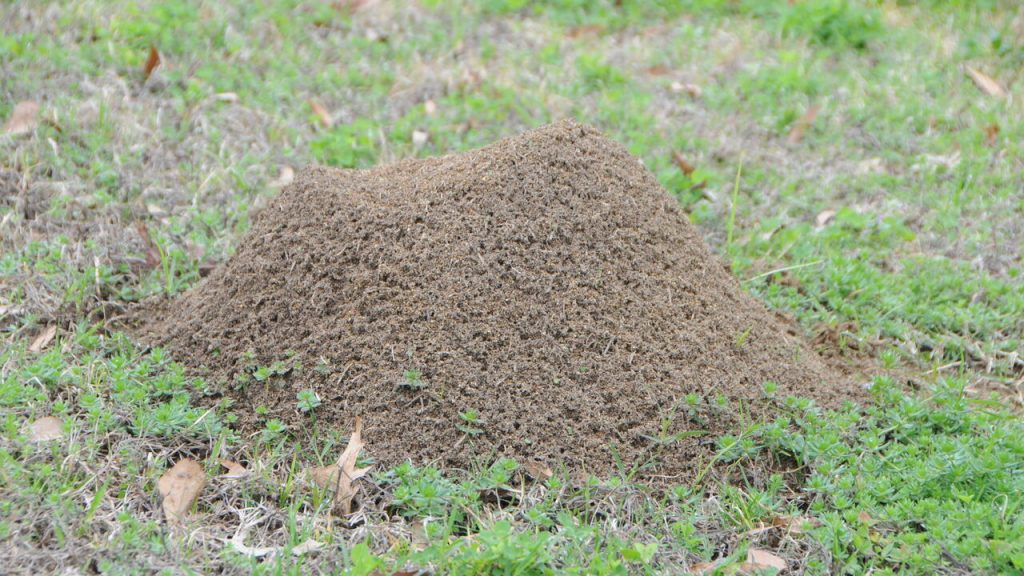
Imagine this: You’re excited to harvest your fresh, organic vegetables from your garden, but there’s a problem. Red ants have invaded, threatening the fruits of your labor.
These tiny invaders can cause significant damage, and getting rid of them can feel like a daunting task. But don’t worry—help is at hand. You’ll discover simple and effective strategies to reclaim your vegetable garden from these pesky intruders. With the right approach, you can protect your plants and enjoy a bountiful harvest.
Ready to learn how to take control and send those red ants packing? Keep reading to find out how you can make your garden ant-free and thriving!

Credit: www.instagram.com
Identify Red Ant Infestation
Spotting red ants in a vegetable garden? Look for small mounds of soil and trails of tiny red insects. These pests can harm plants and should be addressed quickly to protect your garden.
Identifying a red ant infestation in your vegetable garden is crucial. These ants can harm plants and their roots. Spotting them early helps manage their numbers. Below, you’ll find key signs and areas to check.Signs Of Red Ant Presence
Red ants leave visible trails. These trails are often pathways of worker ants. They move back and forth, carrying food. You might see small mounds of soil. These mounds are their nests. If disturbed, ants swarm out quickly. Red ants can be aggressive. Watch for small, painful bites. These bites can leave a burning sensation. Plants near ant hills may look unhealthy. Ants disturb the soil and roots.Common Areas To Check
Check near plant roots first. Ants love the shade of plant bases. Inspect soil around your garden’s edges. They often build nests in soft soil. Look under garden debris like leaves. Ants hide under anything providing cover. Examine your compost pile. Ants are drawn to decomposing material. Turn over garden stones or bricks. Ants might nest under these. Check near water sources. Ants need water to survive.
Credit: www.youtube.com
Natural Repellents
Natural repellents like vinegar and peppermint oil can help deter red ants from vegetable gardens. Diatomaceous earth is another effective option, disrupting their exoskeletons. Mixing a solution of dish soap and water can also repel ants naturally, keeping your plants safe.
Natural repellents are a safe way to manage red ants in your garden. They avoid harmful chemicals and keep your vegetables healthy. These methods are easy and effective, using items you might already have at home.Essential Oils
Essential oils work well against ants. Peppermint oil is a popular choice. Ants dislike its strong smell, which disrupts their scent trails. Mix a few drops with water in a spray bottle. Spray around the garden, focusing on ant paths. Tea tree oil also repels ants. Its scent confuses them. Apply it similarly to peppermint oil. Lavender oil is another option. It smells pleasant but ants hate it. Consistent use can reduce ant numbers.Vinegar Solutions
Vinegar is a powerful natural repellent. It masks ant scents and disrupts their trails. Mix equal parts of vinegar and water. Use a spray bottle for easy application. Target ant hills and paths. White vinegar is effective for this. Spray daily for best results. Apple cider vinegar is another choice. Its strong smell acts as a deterrent. Vinegar solutions are safe for plants but harmful to ants.Homemade Ant Traps
Eliminate red ants in your vegetable garden using homemade ant traps. Mix sugar and borax, then place near ant trails. This simple solution targets ants effectively without harming plants.
Getting rid of red ants in your vegetable garden can be tricky. Homemade ant traps offer a safe and effective solution. These traps use simple ingredients found at home. They are non-toxic and affordable. Below, we’ll explore different homemade ant traps.Borax Mixtures
Borax is a common household item. It can be used to make ant traps. Mix borax with sugar to attract ants. The sugar lures ants in. The borax then kills them. Here’s how to make it:- Mix one part borax with three parts sugar.
- Add enough water to form a paste.
- Place the paste in small containers.
- Set the containers near ant trails.
Sugar And Water Solutions
A sugar and water solution can trap ants. It’s simple and efficient. To make this trap:- Mix equal parts sugar and water.
- Pour the mixture into shallow dishes.
- Place dishes around the garden.
Garden Maintenance
Eliminate red ants in your vegetable garden by using natural remedies. Use a mix of vinegar and water to disrupt their trails and nests. Sprinkle cinnamon around plants to deter them. Consider diatomaceous earth as a safe, natural insecticide. Maintain garden cleanliness to reduce ant attraction.
Maintaining a healthy vegetable garden requires consistent effort. Garden maintenance is crucial in keeping pests like red ants away. Proper care not only boosts plant health but also deters unwanted insects.Regular Weeding
Weeds offer shelter to red ants. They provide hiding spots and disrupt your garden’s balance. Remove weeds often to reduce ant habitats. Pull them out by hand or use a hoe. Focus on areas around plants and garden edges. Regular weeding keeps the soil clear and healthy.Mulching Techniques
Mulching helps in managing pests effectively. It creates a barrier that ants find difficult to cross. Use organic mulch like straw, wood chips, or grass clippings. Spread a 2-3 inch layer around your plants. This not only deters ants but also retains soil moisture. Mulch improves soil quality over time, benefitting your vegetables.Barrier Methods
Planting mint or lavender around the garden can deter red ants effectively. Creating physical barriers like diatomaceous earth or coffee grounds keeps ants away from vegetable plants.
Creating a physical barrier between your vegetable garden and red ants can be an effective strategy to keep these pesky insects at bay. Barrier methods are simple yet powerful techniques that don’t involve harmful chemicals, ensuring your garden remains organic and healthy. By establishing boundaries, you can protect your plants and keep red ants from invading their space.Diatomaceous Earth
Diatomaceous earth is a natural, powdery substance that works wonders in your garden. Made from crushed fossilized algae, it’s a non-toxic option that kills ants by dehydrating them. Sprinkle it generously around the perimeter of your garden beds and watch as it creates a formidable barrier against red ants. One thing to remember is to reapply after rain, as moisture diminishes its effectiveness. Have you tried using diatomaceous earth before? It’s a fascinating method that’s gentle on the environment yet tough on ants.Coffee Grounds
Coffee grounds are more than just a morning pick-me-up. They can also serve as a natural barrier against ants in your garden. Ants dislike the strong scent of coffee, which disrupts their scent trails and confuses them. Spread used coffee grounds around your plants and see how it deters ants from crossing into your garden. You might find yourself wondering—can it really be that simple? Yes, it can! Plus, coffee grounds enrich the soil with nitrogen, benefiting your plants. So next time you brew a pot of coffee, save the grounds for your garden. These barrier methods are practical and easy to implement. They not only keep red ants out but also enrich your garden naturally. Have you considered trying one of these techniques in your garden?Biological Control
Introducing beneficial nematodes can naturally control red ants in your vegetable garden. These microscopic worms prey on ant larvae, reducing their population effectively. Another option is deploying predatory insects like ladybugs, which can help deter ants by disrupting their food sources.
Biological control offers a sustainable way to manage red ants in your vegetable garden. This method uses natural organisms to suppress pest populations. It minimizes chemical use and maintains ecological balance.Introducing Beneficial Insects
Beneficial insects can help control red ants effectively. Ladybugs are a great choice. They feed on aphids and other pests, reducing their numbers. Lacewings are another option. Their larvae consume many garden pests. Introducing these insects can improve your garden’s health. You can purchase them online or at garden stores. Release them carefully in your garden. They will start working immediately.Encouraging Natural Predators
Natural predators play a vital role in pest control. Birds are excellent ant predators. Set up bird feeders to attract them to your garden. Frogs also eat ants and other insects. Create a small pond to invite them. Spiders are helpful too. They catch and eat various pests. Avoid destroying spider webs in your garden. Encourage these creatures to maintain a healthy ecosystem. They will keep ant populations under control naturally.Chemical Solutions
Dealing with red ants in your vegetable garden can be a real headache. While natural solutions can be effective, sometimes you need to turn to chemical solutions to effectively manage these persistent pests. Choosing the right chemical solution can make all the difference, ensuring your garden thrives without harming the environment or your health.
Safe Pesticides
Not all chemical solutions are created equal. Choosing safe pesticides is crucial for protecting your vegetables and the surrounding ecosystem. Look for pesticides that are specifically designed for garden use and are labeled as safe for edible plants.
- Consider pesticides that break down quickly and don’t linger in the soil.
- Opt for products that are non-toxic to humans and pets, ensuring safety for your family.
- Research brands that have a reputation for being environmentally friendly and effective.
Have you ever used a pesticide only to find it harmed your plants more than the pests? Picking the right product can save you from this common gardening mishap.
Application Guidelines
Even the safest pesticide can be harmful if not applied correctly. Following the recommended application guidelines is key to ensuring effectiveness and safety.
- Read the label carefully. Pay attention to recommended dosages and application times.
- Avoid applying pesticides during windy conditions to prevent drift onto unintended areas.
- Wear protective clothing to minimize exposure, and always wash your hands after handling chemicals.
Have you ever wondered why your efforts aren’t yielding results? Misapplication is often the culprit, so sticking to guidelines can significantly enhance your success.
By selecting safe pesticides and following proper application guidelines, you can protect your vegetable garden from red ants without compromising safety. What strategies have you found effective in your own garden battle against pests?

Credit: www.youtube.com
Preventive Measures
Keep your vegetable garden ant-free by removing food sources and sealing entry points. Use natural deterrents like diatomaceous earth or vinegar to disrupt their paths. Regularly inspect and maintain your garden to ensure long-lasting protection against red ants.
Preventive measures are crucial in keeping red ants away from your vegetable garden. These small creatures can cause significant harm to your plants. By implementing some simple strategies, you can create an environment that’s less inviting for ants. These techniques help in reducing ant infestations, ensuring your garden remains healthy and productive.Proper Waste Management
Ants are attracted to food scraps and organic waste. Dispose of these materials properly to prevent ants from invading your garden. Use sealed compost bins. This keeps the waste inaccessible to ants. Regularly remove any fallen fruits or vegetables. Ensure your garden remains clean and free of debris. Maintain a tidy garden environment. This reduces potential nesting sites for ants.Regular Monitoring
Consistent observation is key. Check your garden frequently for signs of ant activity. Early detection helps in managing the situation before it worsens. Look for ant trails and nests. Use natural deterrents like diatomaceous earth around these areas. This creates barriers that ants avoid. Regular monitoring keeps your garden safe. It helps in identifying problems early and taking swift action.Frequently Asked Questions
Are Red Ants Bad For Vegetable Gardens?
Red ants can harm vegetable gardens by disturbing soil and feeding on seedlings. They may also protect harmful pests like aphids. It’s important to manage their population to prevent damage. Control methods include natural repellents or barriers to keep plants safe and healthy.
Do Coffee Grounds Keep Red Ants Away?
Coffee grounds can deter red ants due to their strong scent. Sprinkle grounds around entry points to create a barrier. The caffeine in coffee affects ants’ nervous systems, reducing their activity. Regular application enhances effectiveness, making coffee grounds a natural ant repellent.
Always use fresh grounds for best results.
What Is The Best Home Remedy For Red Ants?
Use a mixture of vinegar and water to deter red ants. Spray directly on their trails and entry points. Keep your home clean and seal food containers to prevent attraction. Diatomaceous earth is another effective natural option to eliminate ants without chemicals.
What Is The Best Deterrent For Red Ants?
Use diatomaceous earth to deter red ants. Sprinkle it around entry points to create a barrier. This natural solution disrupts their exoskeleton, effectively repelling them. Maintain cleanliness and seal cracks to prevent infestations. Regularly check and refresh the diatomaceous earth for continued effectiveness.
Conclusion
Banishing red ants from your vegetable garden is achievable. Use safe methods. Natural remedies often work best. Maintain your garden’s health. Regular checks help prevent infestations. Healthy soil deters ants naturally. Remove food sources they love. Keep your garden clean.
Use barriers to protect plants. Consider beneficial insects. They control ant populations. Patience is key. Solutions take time. Consistent effort pays off. Enjoy growing veggies without ant troubles. You can maintain a thriving garden. It’s possible with careful planning. Happy gardening!


