Are you frustrated by the mysterious damage to your vegetable garden? You might be dealing with grubs, those pesky little invaders that love to feast on your plants’ roots.
Imagine planting your favorite veggies with care, only to see them wilt and die because of these underground culprits. It’s not just about losing your precious crops—it’s about protecting your hard work and passion for gardening. In this guide, we’ll uncover the secrets to identifying, controlling, and ultimately getting rid of grubs in your vegetable garden.
You’ll discover simple, effective strategies that can restore the health of your garden and boost your yield. Don’t let grubs undermine your efforts; take charge of your garden’s future. Read on to find out how you can reclaim your green space and enjoy the vibrant, thriving garden you deserve.
Credit: learndirt.com
Identifying Garden Grubs
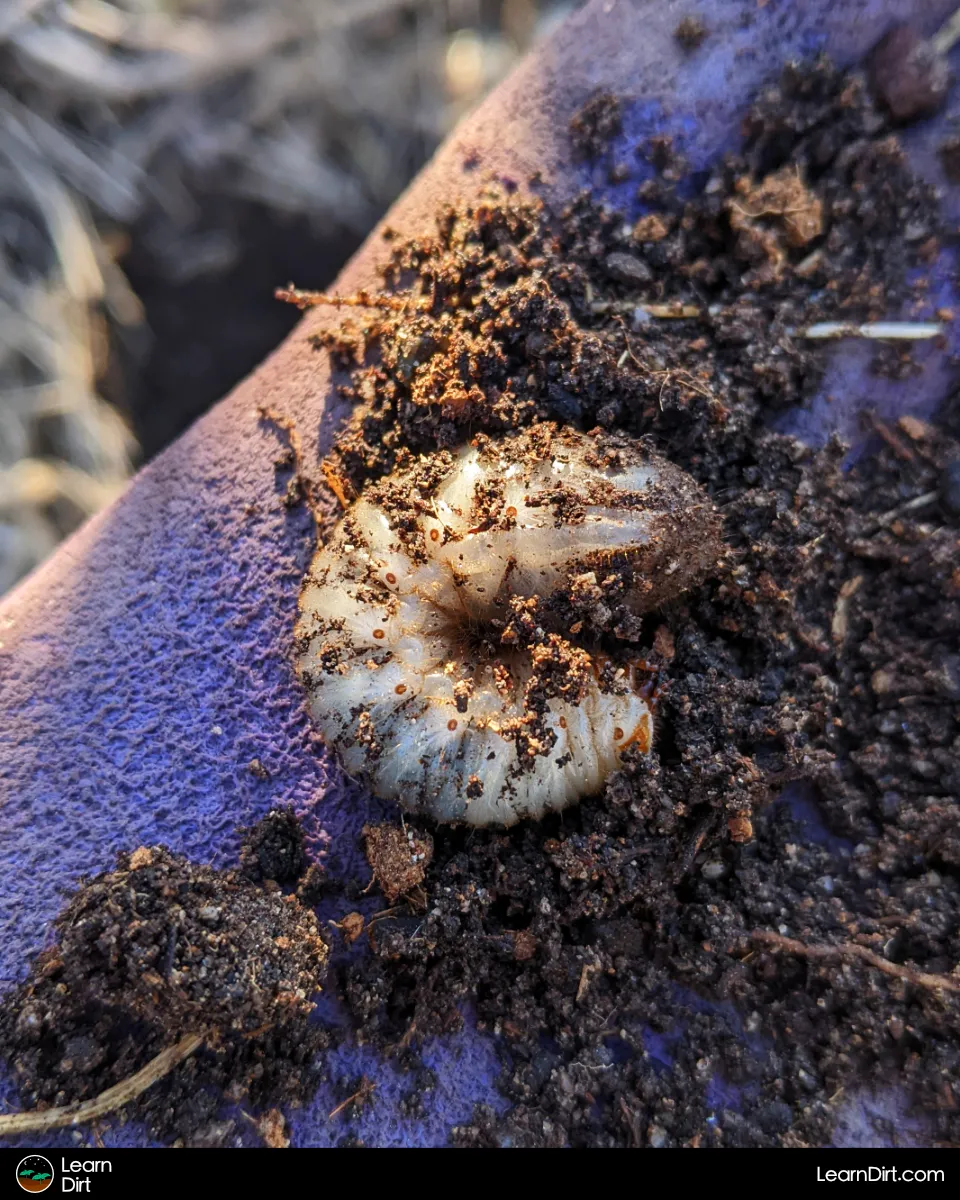
Garden grubs are a common problem for vegetable gardeners. These pests can damage roots and leave plants struggling. Identifying grubs is the first step in tackling the issue. By knowing what to look for, you can take action before they cause too much harm.
Common Types Of Grubs
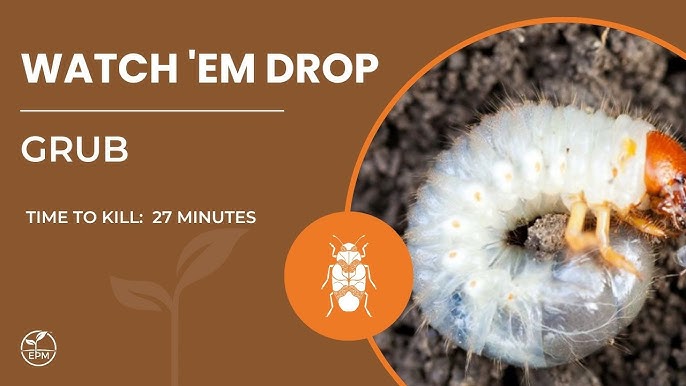
Several grub species can invade gardens. The most common ones include Japanese beetle grubs, European chafer grubs, and June beetle grubs. These pests are usually white or cream-colored with a C-shaped body. Japanese beetle grubs are easy to spot. They have a distinct V-shaped pattern on their hind end.
European chafer grubs are slightly smaller. They are also C-shaped and can be identified by their brown head. June beetle grubs are larger and cause significant damage. Knowing their appearance helps in identifying them early.
Signs Of Grub Infestation
Spotting the signs of a grub infestation can save your plants. One major sign is wilting or yellowing plants. Grubs feed on roots, leading to poor plant health. Another sign is patches of dead grass. This occurs as grubs eat the roots beneath the soil.
Birds and small animals digging in your garden may also indicate grubs. They feed on grubs, so their presence can be a clue. If you notice these signs, it’s time to check your soil. Dig a small section to look for grubs beneath the surface. Early detection is key to protecting your garden.
Natural Prevention Methods
Hand-picking grubs can effectively protect your vegetable garden. Introducing beneficial nematodes will naturally reduce grub populations. Encouraging birds to visit the garden also helps keep grubs away.
Natural prevention methods offer a sustainable way to protect your vegetable garden from grubs. These methods enhance the health of the garden without relying on harsh chemicals. They focus on creating an environment where grubs find it difficult to thrive. Implementing these techniques requires some planning, but they are worth the effort. They not only keep grubs at bay but also improve overall plant health.Soil Maintenance
Maintaining healthy soil is key to grub prevention. Start by regularly aerating the soil. This helps improve drainage and prevents pests from settling in. Use organic compost to enrich the soil with nutrients. It attracts beneficial organisms that deter grubs naturally. Rotate your crops each season. This disrupts the life cycle of grubs, reducing their numbers significantly. Testing soil pH levels ensures plants get the right nutrients, keeping them strong against pests.Companion Planting
Companion planting is an effective strategy for pest control. Certain plants naturally repel grubs and other pests. Plant marigolds around your vegetables. Their scent deters grubs and protects your crops. Consider adding garlic or onions to the garden. These plants release compounds that pests dislike. Basil and mint can also be useful. They create a barrier, making it hard for grubs to invade. Choose the right companions to enhance growth and pest resistance.Biological Control Options
Introduce beneficial nematodes to the soil to target grubs naturally. Attract birds by installing feeders, as they feed on grubs.
Biological control options offer a natural way to combat grubs in your vegetable garden. These methods use living organisms to control pest populations. They are environmentally friendly and safe for your plants and soil. Discover how you can harness nature’s power to keep your garden healthy.Beneficial Nematodes
Beneficial nematodes are microscopic worms. They are natural enemies of grubs. These tiny creatures enter grubs and release bacteria. This bacteria kills the grubs quickly. Nematodes are easy to apply. Mix them with water and spray on the soil. They work best in moist conditions. Their effectiveness is proven over time. They target grubs without harming other beneficial insects.Birds And Natural Predators
Birds are excellent grub hunters. Invite them into your garden. Provide birdhouses and feeders to attract them. They will feast on grubs and other pests. Encourage natural predators like beetles and spiders. They help balance the ecosystem. These predators reduce grub numbers naturally. Their presence ensures a healthy garden environment.
Credit: www.aol.com
Chemical Control Solutions
Chemical control solutions effectively eliminate grubs in vegetable gardens. Use targeted insecticides to disrupt grub life cycles. This ensures healthy plants and bountiful harvests.
Chemical control solutions can effectively manage grubs in vegetable gardens. These solutions target pests directly, offering quick results. They can be crucial for severe infestations, providing relief for gardeners worried about crop damage. Chemical methods vary from synthetic pesticides to organic options, each with distinct benefits.Using Pesticides Safely
Use pesticides with care to protect your plants and health. Read labels thoroughly before applying any product. Follow instructions precisely to avoid harming beneficial insects. Wear protective gear like gloves and masks when handling chemicals. Ensure pesticides do not contaminate water sources or nearby plants. Choose products designed for edible gardens to avoid residue issues.Organic Alternatives
Organic pesticides offer a gentler approach for grub control. They use natural ingredients to minimize environmental impact. Neem oil is a popular choice, disrupting grub growth and feeding. Diatomaceous earth can be sprinkled around plants, causing dehydration in pests. Beneficial nematodes can be introduced to soil, targeting grubs without harming plants. These options provide safety and effectiveness for organic gardens.Seasonal Grub Management
Seasonal grub management is essential for a healthy vegetable garden. Maintain vigilant care to spot grubs early. Use natural solutions like neem oil and beneficial nematodes to protect your plants.
Managing grubs in your vegetable garden requires a seasonal approach. Understanding the life cycle of these pesky creatures can help you tackle them effectively. By adapting your strategy to the changing seasons, you can protect your plants and ensure a bountiful harvest.Spring And Summer Strategies
In spring, grubs emerge from their winter slumber, hungry and ready to feast on your garden. Inspect your soil regularly for signs of these intruders. You can handpick them or use beneficial nematodes, microscopic worms that attack grubs without harming your plants. During summer, grubs are most active. They thrive in moist soil, so be mindful of your watering schedule. Consider using milky spore, a natural bacterium that targets grubs, providing long-term control. Planting resistant vegetable varieties can also reduce the damage caused by these pests.Fall And Winter Considerations
As fall approaches, grubs retreat deeper into the soil. This is an excellent time to till your garden. Tilling exposes grubs to predators and reduces their numbers before they hibernate. In winter, your garden rests, but you shouldn’t. Plan for the next growing season by rotating crops and maintaining soil health. Healthy soil is less attractive to grubs and supports stronger plants, making it easier for you to manage pests. What challenges have you faced with grubs in your garden? Share your experiences and help others learn from your journey.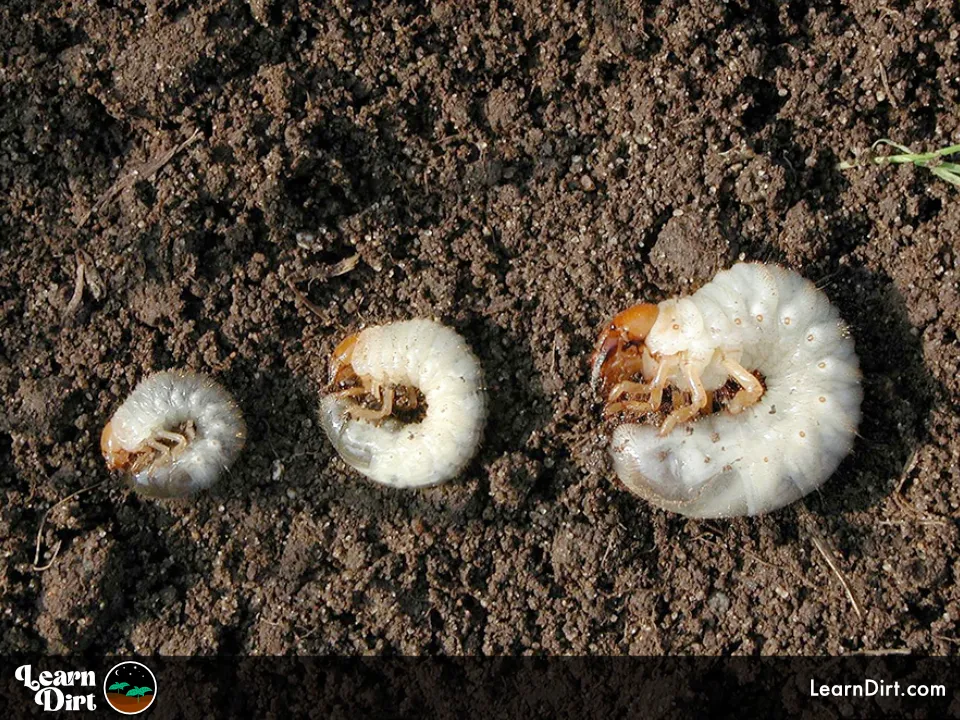
Credit: learndirt.com
Long-term Garden Health
Maintaining long-term garden health is crucial for a thriving vegetable garden. Grubs can disrupt this balance, causing damage to roots and soil. Addressing grub issues ensures your garden remains productive and vibrant. Implementing strategies for soil improvement and regular monitoring can help prevent future problems.
Improving Soil Quality
Healthy soil supports strong plant growth and resists grub infestations. Add organic matter like compost or well-rotted manure to enhance soil structure. These materials enrich the soil with nutrients and improve water retention. Aerate the soil regularly to ensure proper air circulation and root growth. This practice helps keep pests like grubs at bay.
Planting cover crops can also boost soil health. Cover crops prevent erosion and add organic matter to the soil. They provide a habitat for beneficial organisms that naturally control grub populations. Rotate crops each season to prevent soil depletion and pest buildup.
Regular Monitoring Techniques
Frequent garden checks help catch grub issues early. Look for signs like wilting plants or patches of dead grass. These can indicate grub presence beneath the soil. Use a spade to inspect the soil and identify grub activity.
Set up traps to monitor grub populations. Pheromone traps attract adult beetles, reducing future grub generations. Keep records of grub sightings to track patterns over time. This data helps in understanding grub life cycles and planning preventive measures.
Encourage natural predators like birds and beneficial insects. They help control grub numbers without harmful chemicals. Create a garden environment welcoming to these allies. Provide water sources, shelter, and nesting areas to attract them.
Frequently Asked Questions
What Can I Use In My Vegetable Garden To Kill Grubs?
Use beneficial nematodes to naturally control grubs in your vegetable garden. Consider applying milky spore powder for long-term grub prevention. Organic insecticides like neem oil or diatomaceous earth can also help. Regularly tilling soil exposes grubs to predators. Always read and follow product instructions for safe application.
Does Dawn Dish Soap Really Kill Grubs?
Dawn dish soap can kill grubs by suffocating them. Mix soap with water and spray it on affected areas. This solution disrupts their protective layer, leading to dehydration. It’s a temporary measure and not a long-term solution for grub infestations.
Consider professional pest control for persistent problems.
Are Grubs Bad For A Veggie Garden?
Grubs can harm veggie gardens by eating plant roots, leading to weakened or dead plants. They attract pests like raccoons and moles. Regular monitoring and natural predators help control grub populations. Consider using beneficial nematodes or organic treatments to protect your garden.
Healthy soil practices deter grubs effectively.
What Is The Best Month To Put Down Grub Control?
Apply grub control in early summer, ideally June. Target larvae when they’re most vulnerable. Timing ensures effective treatment, preventing lawn damage. Check local weather conditions for best results. Proper application promotes healthy grass growth.
Conclusion
Keeping grubs away from your vegetable garden requires some effort. Use organic methods for a safer approach. Regular inspections help catch grubs early. Consider beneficial nematodes for natural control. Encourage birds and insects that eat grubs. Maintain healthy soil to deter pests.
Remove dead plant matter promptly. Rotate crops to confuse grub cycles. Always monitor your garden closely. With patience, your garden stays grub-free. Enjoy a bountiful harvest without worry. Happy gardening!