Imagine stepping into your garden, ready to enjoy the fruits of your labor, only to find tiny armies of ants marching across your soil. These little invaders can turn your peaceful garden into a battleground, and you’re left wondering how to reclaim your space.
Ants might seem harmless, but they can disrupt your plants and soil health. If you’re tired of battling these persistent pests, you’re in the right place. In this guide, you’ll discover simple and effective strategies to banish ants from your garden soil once and for all.
These tips are designed to help you understand what attracts ants, how to stop them, and ensure they don’t return. With practical advice and easy-to-follow steps, you’ll soon have your garden thriving without the constant threat of ants. Ready to take back control of your garden? Let’s get started!

Credit: maggiesfarmproducts.com
Identifying Ant Species
Identifying the ants in your garden soil can be the first step towards effective management. Each ant species has its own set of characteristics, behaviors, and impacts on your garden ecosystem. Understanding which ants are present can help you decide whether they are friends or foes to your plants.
Common Garden Ants
Some ants are frequent visitors in gardens, like the black garden ant and the red fire ant. Black garden ants are usually harmless, living in harmony with your plants. They even help with soil aeration. However, red fire ants are aggressive and can pose a threat to both plants and humans.
- Black Garden Ants:Known for their small size and dark color, these ants are often found in sandy soil and love sugary foods.
- Red Fire Ants:These ants are larger and have a painful sting. They thrive in warm climates and can be a nuisance.
Beneficial Vs. Harmful Ants
Not all ants are detrimental to your garden. Some play a vital role in pest control by hunting harmful insects. They can also improve soil health by tunneling, which enhances aeration. But, some ants can cause more harm than good by farming aphids or damaging young plants.
| Beneficial Ants | Harmful Ants |
|---|---|
| Predatory ants that eat pests | Ants that farm aphids |
| Ants that enhance soil structure | Ants that disturb plant roots |
Have you ever noticed ants farming aphids on your rose bushes? While it might seem like a partnership, it’s a harmful one. The ants protect aphids from predators, allowing them to suck sap from your plants. Understanding the role of ants can help you decide how to manage them effectively.
Reasons Ants Invade Gardens
Ants invade gardens searching for food, shelter, and moisture. Their presence can disturb plant roots and encourage other pests. To manage them, maintain tidy garden beds, use natural deterrents, and regularly check for ant trails.
Ants are common visitors in many gardens. They often create intricate tunnels in the soil. But why do they choose your garden? Understanding their reasons helps in addressing the issue.
Attraction To Sweet Substances
Ants have a strong attraction to sweet substances. Nectar from flowers is a major draw for them. Fallen fruit also tempts ants with its sugary scent. Gardeners who use sugary fertilizers may unknowingly invite ants. These substances provide energy, making gardens irresistible to ants.
Soil Nesting Preferences
Ants seek out specific soil types for nesting. Loose, sandy soil is ideal for their colonies. Such soil offers easy digging and protection from predators. Gardens with this soil type are prime locations for ants. They establish tunnels and chambers quickly, multiplying in number.
Protection Of Aphids
Ants protect aphids in gardens. Aphids produce honeydew, a sweet liquid ants love. In exchange, ants guard aphids from predators. This mutual relationship benefits both ants and aphids. Gardens with many aphids often see increased ant activity. This partnership ensures a steady food supply for ants.
Natural Remedies
Natural remedies help control ants in garden soil. Sprinkle cinnamon or coffee grounds to deter them naturally. Vinegar mixed with water can also repel ants without harming plants.
Natural remedies are a fantastic way to address the pesky ant problem in your garden soil without resorting to harsh chemicals. These solutions are not only environmentally friendly but also safe for your plants and beneficial insects. Let’s dive into some practical and effective methods to keep your garden ant-free.
Using Diatomaceous Earth
Diatomaceous earth is a natural powder made from the fossilized remains of tiny aquatic organisms. It’s a safe and effective option for getting rid of ants. Sprinkle a thin layer around your plants and along ant trails. The fine powder works by dehydrating ants, leading to their demise. It’s important to reapply after rain or heavy watering to maintain its effectiveness. Are you worried about harming other creatures? Fear not, diatomaceous earth is harmless to pets and humans, making it a perfect natural remedy.
Vinegar And Water Spray
A simple yet powerful solution is a vinegar and water spray. Mix equal parts of white vinegar and water in a spray bottle. Spray directly onto ant trails and nests. Vinegar’s strong smell disrupts ants’ scent trails, confusing them and deterring further invasions. It’s a quick fix that you can reapply as needed. Have you tried this on a sunny day? The heat enhances vinegar’s potency, making it even more effective.
Cinnamon And Essential Oils
Cinnamon is not just a spice for your oatmeal; it’s a potent ant deterrent. Sprinkle ground cinnamon around the base of plants or directly onto ant trails. Ants hate its strong scent. Enhance its effectiveness with essential oils like peppermint or tea tree oil. Mix a few drops with water and spray around your garden. This aromatic approach not only repels ants but also leaves your garden smelling delightful. Who knew pest control could smell so good?

Credit: www.facebook.com
Chemical Solutions
Ants in the garden soil can be troublesome. Chemical solutions provide effective control. They work fast and target specific ant species. Proper use ensures your garden remains healthy and beautiful. Let’s explore how to select and apply these solutions safely.
Choosing The Right Pesticide
Select a pesticide labeled for ant control. Check for active ingredients like bifenthrin or permethrin. Read product labels carefully. These pesticides target ants effectively. Choose a product suited for your garden type. Consider whether you have vegetables or flowers. Some pesticides are safe for edible plants. Others are not. Make an informed choice.
Safety Precautions
Always prioritize safety when using chemicals. Wear gloves and protective clothing. Follow the instructions on the product label. Keep children and pets away from treated areas. Wash your hands after use. Store pesticides in a cool, dry place. Ensure they are out of reach of children. Safety ensures effective and responsible use.
Application Techniques
Apply pesticides during calm weather. This prevents the wind from spreading chemicals. Use a sprayer for even distribution. Focus on ant trails and nests. Avoid over-application. It can harm beneficial insects. Follow the recommended dosage on the label. Reapply as necessary for persistent ant problems. Consistent application yields the best results.
Preventive Measures
Natural remedies can deter ants from garden soil. Sprinkle cinnamon or coffee grounds around plants to repel them. Use a mix of vinegar and water to disrupt ant trails and nests effectively.
Preventive measures are essential to keep ants away from your garden soil. These strategies ensure ants don’t establish colonies, protecting your plants. Consistent efforts can maintain a balanced garden environment.
Regular Garden Maintenance
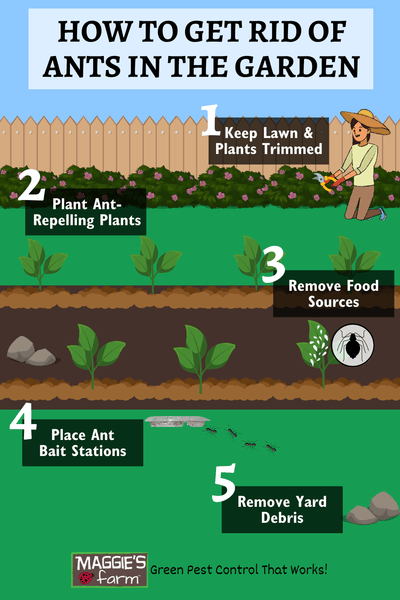
Regular garden maintenance is key to preventing ant infestations. Keep your garden tidy and free from debris. Remove fallen leaves and branches. They offer shelter to ants. Regularly turn and aerate the soil. This disrupts ant nests and makes the soil less appealing. Check plants for aphids. Ants are attracted to the honeydew they produce. Control aphid populations to reduce ant activity.
Removing Food Sources
Removing food sources is crucial in keeping ants away. Store pet food and birdseed in airtight containers. Clean up any spills immediately. Compost piles should be maintained properly. Cover them with a lid or tarp. This prevents ants from accessing food scraps. Avoid leaving sugary drinks or snacks outside. These attract ants quickly. Ensure trash bins are sealed tightly. Regularly empty them to eliminate food odors.
Planting Ant-repelling Plants
Planting ant-repelling plants can naturally deter ants from your garden. Consider planting mint, lavender, or marigolds. These plants have natural ant-repelling properties. Basil and garlic also work well against ants. Place these plants strategically around your garden. They act as a natural barrier. Not only do they repel ants, but they also add beauty and fragrance. This strategy supports a healthy, ant-free garden environment.
Encouraging Natural Predators
Attracting birds and beneficial insects can help manage ant populations naturally. These predators feed on ants and keep them in check. Planting diverse flowers and shrubs can invite these helpful creatures into your garden.
Encouraging Natural Predators Have you ever watched a bird swoop down and pick up an insect from your garden, leaving you with a sense of awe? Nature has a fascinating way of balancing things out, and by inviting natural predators into your garden, you can tackle ant problems effectively. This approach not only helps in reducing ant populations but also maintains a healthy ecosystem. But how can you attract these natural helpers? Let’s dive into practical ways to invite them into your garden.
Attracting Birds
Birds can be your best allies in controlling ants. They are constantly on the lookout for food and ants make for a tasty treat. To attract birds, consider adding a birdbath or a feeder. These simple additions can transform your garden into a bird paradise. Planting trees and shrubs that produce berries can also draw birds to your garden. Choose native plants that thrive in your area and offer natural shelter for birds. Providing nesting boxes tailored to the local bird species can encourage them to stick around longer. When birds feel at home, they’ll happily help keep your ant problem in check.
Introducing Beneficial Insects
Beneficial insects are another natural solution for managing ants. These insects, like ladybugs and beetles, love munching on ants and can be your garden’s guardians. You can attract them by planting flowers like marigolds and daisies, which provide nectar and pollen. These flowers act as magnets for helpful bugs. Creating a small insect hotel can offer shelter and encourage beneficial insects to settle in your garden. It’s a simple DIY project that can have a big impact. Ever considered how your garden soil affects insect populations? Healthy, nutrient-rich soil can support a diverse range of insects, keeping the ecosystem balanced. By fostering a welcoming environment, you might just find your garden buzzing with helpful creatures ready to tackle your ant problem.
Maintaining Soil Health
Eliminate ants from garden soil by maintaining its health. Use natural repellents like diatomaceous earth. Introduce beneficial nematodes to control ant populations.
Maintaining soil health is vital for keeping ants away from your garden. Healthy soil supports plants and discourages pests. Let’s explore key aspects of maintaining soil health.
Balancing Soil Moisture
Proper moisture levels are crucial. Ants thrive in dry soil. Regular watering helps keep soil moist but not soggy. Use mulch to retain moisture and prevent soil from drying out. Check moisture levels regularly with a soil moisture meter.
Improving Soil Structure
Good soil structure supports plant roots and deters ants. Add organic matter like compost to improve soil texture. This enhances water retention and aeration. Avoid compacting soil, as compacted soil creates a perfect home for ants. Use raised beds or amend soil with sand for better drainage.
Promoting Healthy Microbial Activity
Healthy microbes in soil repel pests. They enhance nutrient absorption for plants. Use organic fertilizers to boost microbial activity. Avoid chemical pesticides as they harm beneficial microbes. Encourage earthworms, which help aerate the soil and improve health.

Credit: www.ugaoo.com
Frequently Asked Questions
How Do You Get Rid Of Ants Without Harming The Soil?
Use diatomaceous earth to kill ants without harming soil. Sprinkle around entry points and ant trails. Natural repellents like peppermint oil or vinegar can deter ants. Encourage natural predators like birds or beneficial insects. Maintain cleanliness to prevent ant attraction.
What Is Best To Kill Ants In The Garden?
Use diatomaceous earth to effectively kill ants. Sprinkle it on ant trails and nests. It dehydrates ants, ensuring quick results. Alternatively, mix borax with sugar as bait. Ants carry it back to their colony, eliminating the entire nest. Both methods are safe for gardens and eco-friendly.
How To Treat Soil Infested With Ants?
To treat ant-infested soil, use natural repellents like diatomaceous earth or a vinegar-water solution. Apply consistently for effectiveness. Keep the area clean and dry to deter ants. For severe infestations, consider using ant baits or consult a pest control professional for targeted solutions.
How Do I Get Rid Of Ants In My Garden Beds?
Use diatomaceous earth to kill ants in garden beds. Plant mint or lavender to deter them. Keep soil dry to prevent infestation. Remove food sources and seal entry points. Use natural ant repellents like vinegar or citrus peels.
Conclusion
Getting rid of ants in garden soil is doable. Start with natural methods. Use diatomaceous earth or peppermint oil. Ensure your garden stays clean. Remove food sources and debris. Consider physical barriers for protection. Keep soil healthy and dry. Ants dislike moist environments.
Practice patience and persistence. Changes may take time. Monitor progress and adjust strategies. Ant control requires regular effort. Enjoy a thriving garden free from ants. Reap the rewards of your hard work. Happy gardening!