Are pesky ants invading your vegetable garden and threatening your hard-earned harvest? You’re not alone.
Many gardeners face this tiny yet persistent problem. While ants play a role in the ecosystem, they can become unwelcome guests, especially when they start farming aphids on your plants. But don’t worry, you can reclaim your garden without resorting to harsh chemicals.
Imagine enjoying your fresh vegetables without the worry of ants crawling all over them. This guide will show you effective and natural ways to get rid of ants, allowing your garden to thrive. Stay with us, and you’ll discover solutions that are both simple and satisfying, ensuring your vegetables grow undisturbed and your garden remains a sanctuary for you, not ants.
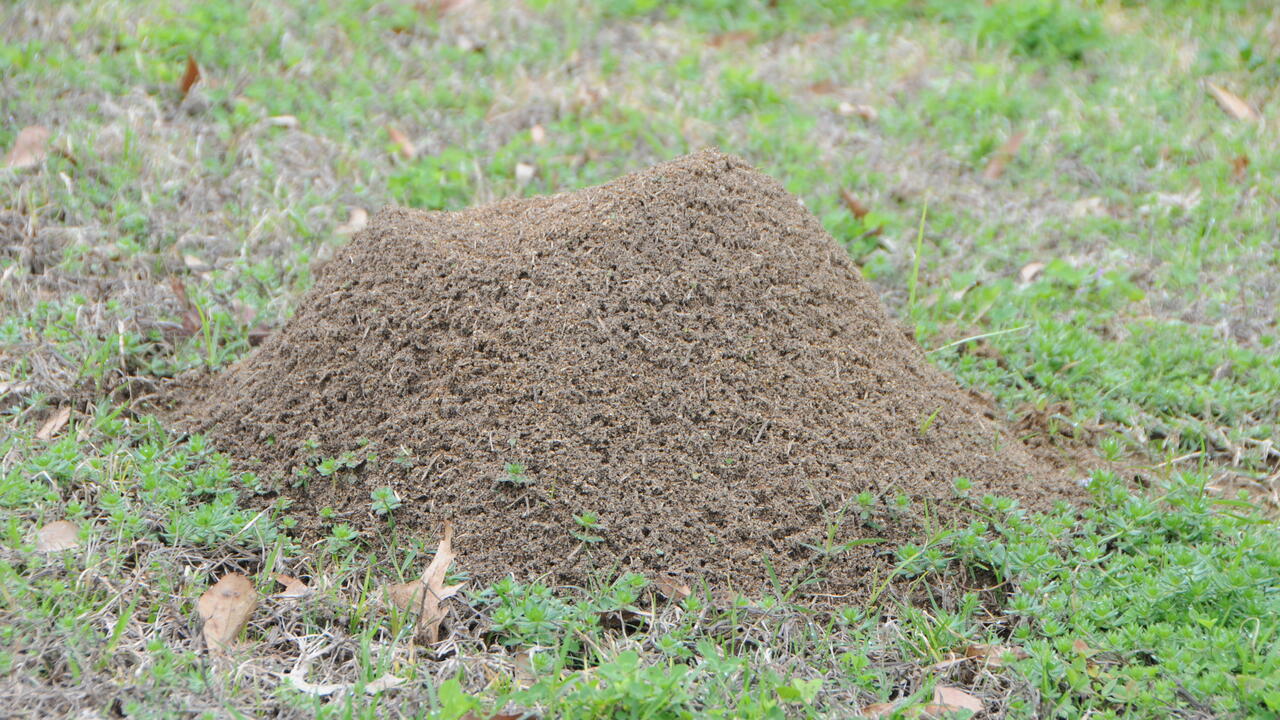
Credit: extension.msstate.edu
Identify Ant Species
Understanding ant species helps manage them effectively in vegetable gardens. Different ants need different removal methods. Identifying the species allows targeted action, ensuring garden safety and health.
Identifying ant species is crucial for effective garden management. Different ants have varied roles in the ecosystem. Some can be harmful, while others might be beneficial. Knowing which type of ant inhabits your vegetable garden will help you decide the best approach to control them. Let’s explore the common garden ants and understand their impact.Common Garden Ants
Several ant species often appear in gardens. These include the Argentine ants, pavement ants, and carpenter ants. Argentine ants are small and brown. They form large colonies and can become invasive. Pavement ants are dark brown to black. They usually nest under rocks and pavement. Carpenter ants are larger and black or red. They prefer moist wood and can damage structures. Each species has distinct characteristics. Recognizing them helps tailor your garden strategy.Harmful Vs. Beneficial
Ants play different roles in the garden. Some are harmful, others beneficial. Harmful ants may protect aphids and other pests. This can lead to crop damage. They might also disturb plant roots and soil structure. Beneficial ants, on the other hand, aid in pollination. They can control other pests and improve soil aeration. Understanding these roles is key. It helps you decide whether to eliminate or welcome the ants in your garden.Natural Deterrents
Natural deterrents can effectively reduce ants in your vegetable garden. Consider using vinegar or peppermint oil as repellents. These solutions help maintain a pest-free environment without harming your plants.
Natural deterrents offer a gentle approach to managing ants in your vegetable garden. These methods are not only safe for your plants but also environmentally friendly. They keep ants at bay without harming beneficial insects or polluting the soil.Essential Oils
Essential oils can be a great ally against ants. Peppermint oil is a popular choice for repelling ants. Mix a few drops with water and spray around your garden. Tea tree oil is another effective option. It disrupts the scent trails ants follow. To use, combine it with water and apply it to affected areas.Vinegar Solutions
Vinegar is a versatile household item that deters ants effectively. Its strong scent confuses ants and masks their trails. Create a solution by mixing equal parts vinegar and water. Spray this mixture on ant paths and entry points. Another method is to soak cotton balls in vinegar and place them strategically. Vinegar also helps in cleaning garden surfaces, removing ant trails effectively.Physical Barriers
Creating physical barriers can effectively keep ants out of your vegetable garden. Place copper tape around garden beds to deter ants. Use diatomaceous earth along pathways to disrupt their trails.
Creating physical barriers can be an effective way to protect your vegetable garden from pesky ants. By using simple techniques, you can keep these invaders at bay without resorting to chemical solutions. This approach is not only environmentally friendly but also allows your plants to thrive naturally. Imagine the satisfaction of seeing your garden flourish while knowing you’ve kept ants out with clever strategies.Mulching Techniques
Mulching is more than just a way to retain soil moisture; it can also deter ants. Use organic mulch like straw or wood chips to cover the soil around your plants. This creates a rough surface that ants find difficult to navigate. You might have noticed ants avoiding certain areas of your garden; this is often due to a well-chosen mulch. By creating these challenging paths, you can guide ants away from your vegetables. Experiment with different mulch materials to see what works best for your garden. What unexpected mulching material might ants dislike the most?Garden Edging
Garden edging is not just about aesthetics; it serves as a protective barrier too. Install edging around your garden beds to physically block ants’ entry. Choose materials like metal or stone for durability and effectiveness. Have you ever considered how ants find their way into your garden? They often follow unobstructed paths. By creating a defined border, you disrupt their usual routes, making it harder for them to invade. Think about the layout of your garden. Could strategic edging change the way ants approach your plants?
Credit: www.instagram.com
Biological Control
Biological control helps manage ants in vegetable gardens using natural predators. Introduce beneficial insects like nematodes or ladybugs. These predators effectively reduce ant populations without harming the plants.
Biological control involves using natural methods to manage pest populations. This eco-friendly approach targets pests without harming the environment. In a vegetable garden, biological control can help manage ants effectively.Beneficial Insects
Introducing beneficial insects can help control ant populations. Ladybugs and lacewings are natural predators of many garden pests. They help keep the ecosystem balanced. Ants tend to avoid areas with these helpful insects. Place insect-attracting plants in your garden. Plants like dill, fennel, and yarrow attract beneficial insects. This method reduces the need for chemical pesticides. It’s a safe way to protect your vegetables.Nematodes
Nematodes are tiny, worm-like organisms. They target soil-dwelling insects. Some nematodes attack ant larvae directly. This reduces ant numbers over time. Introduce nematodes to your garden soil. They are available in garden centers. Follow package instructions for best results. Nematodes work best in moist soil. Water your garden regularly to keep the soil damp. This encourages nematode activity and effectiveness. Using nematodes is a sustainable pest control method. It maintains soil health while controlling ants naturally.Homemade Remedies
Natural solutions can help keep ants away from your vegetable garden. Sprinkle cinnamon or coffee grounds around plants. Vinegar spray can also deter ants effectively.
In the quest to maintain a thriving vegetable garden, ants can be a pesky problem. Many gardeners prefer natural solutions over harsh chemicals. Homemade remedies offer a safe and effective way to keep ants at bay. These methods are simple, using ingredients you likely have at home. They are also gentle on your plants and the environment. Below, we explore some popular homemade remedies.Boric Acid Mixtures
Boric acid is a powerful ant deterrent. It’s easy to prepare a mixture. Combine boric acid with sugar and water. This attracts ants, who then carry it back to their nest. The sugar lures them in, while the boric acid eradicates them. Here’s how to make it:- Mix 1 teaspoon of boric acid with 1/2 cup of sugar.
- Add 1.5 cups of warm water and stir.
- Soak cotton balls in the solution.
- Place the soaked cotton balls near ant trails.
Citrus Peels
Citrus peels are another excellent ant deterrent. Ants dislike the smell of citrus. It disrupts their scent trails, making them lose their way. To use citrus peels:- Collect orange or lemon peels.
- Grind the peels into a fine powder.
- Sprinkle the powder around your plants.
Commercial Products
Commercial products offer a convenient and effective way to tackle ant infestations in your vegetable garden. While natural remedies are popular, sometimes you need a solution that works quickly and efficiently. If you’ve tried every trick in the book and those pesky ants still persist, it might be time to consider some trusted commercial options.
Ant Baits
Ant baits are a favorite among gardeners for their ability to target the entire colony. These products contain a sweet attractant mixed with a slow-acting insecticide. Ants carry the bait back to their nest, sharing it with their fellow ants, which eventually eliminates the colony.
Choose baits that are specifically designed for outdoor use. Place them strategically around your garden where you notice ant activity. But be patient—ant baits may take a few days to show results as the poison spreads through the colony.
Have you tried ant baits before? They can be a game-changer, especially when nothing else seems to work. Monitor the baits regularly and replace them as needed to ensure continuous protection.
Insecticidal Soaps
Insecticidal soaps are a gentler approach for those concerned about chemical residues. These soaps work by breaking down the outer shell of ants, causing them to dehydrate and die. They’re effective against a variety of garden pests, not just ants.
When using insecticidal soaps, ensure you cover the affected areas thoroughly. You might need to apply them multiple times for stubborn infestations. Always follow the manufacturer’s instructions for the best results and safety precautions.
These soaps are particularly useful if you’re dealing with aphids or other soft-bodied insects alongside ants. Have you considered combining methods for a more comprehensive pest control strategy?
Garden Maintenance
Keeping ants away from your vegetable garden is crucial for healthy plants. Use natural solutions like cinnamon or vinegar to deter them. Regularly check the garden for ant trails and nests to prevent infestations.
Garden Maintenance plays a crucial role in keeping ants away from your vegetable garden. Healthy gardens are less attractive to pests. Regular care ensures plants thrive and pests stay out.Regular Weeding
Weeds attract ants by providing shelter and food. Remove weeds promptly. Use a hoe or hands to pull them out. Focus on areas near plants. Weeds can harbor aphids which ants love. Frequent weeding keeps the garden clean and less appealing to ants.Proper Irrigation
Ants thrive in dry conditions. Ensure your garden has proper moisture levels. Water plants deeply but not too often. This encourages strong roots. Avoid overwatering which can lead to mold and more pests. Check soil moisture regularly. Adjust watering based on weather conditions. Proper irrigation makes the garden less inviting to ants.
Credit: www.tiktok.com
Preventive Measures
Keep ants away by cleaning up fallen fruit and vegetables regularly. Use natural barriers like cinnamon or diatomaceous earth around plants. Ensure your garden is well-drained to avoid attracting ants.
Preventive measures are essential in ensuring your vegetable garden remains free from ants. By focusing on prevention, you create an environment that discourages ants from making your garden their home. These strategies require consistency and attention but are effective in maintaining a healthy garden.Regular Monitoring
Regular monitoring is your first line of defense against ants. Spend a few minutes each day inspecting your garden. Look for ant trails, nests, and any signs of infestation. Use this time to check the health of your plants as well. Healthy plants are less likely to attract pests. By catching issues early, you can address them before they become major problems. Consider keeping a garden journal. Note any changes you observe. This will help you identify patterns and take proactive steps.Plant Rotation Strategies
Plant rotation is more than just a method for soil health. It’s also an effective way to deter ants. By changing the location of your plants each season, you disrupt the habitat that ants may have become accustomed to. Different plants have varying levels of attractiveness to ants. Rotating crops can keep ants guessing and discourage them from settling in. If you’ve noticed ants favoring certain plants, consider moving those to a different spot in your garden. This simple change can make a significant difference. Have you ever tried planting marigolds or mint? These plants are known for their ant-repelling properties. Incorporating them into your rotation can add an extra layer of protection. What strategies have worked best in your garden?Frequently Asked Questions
Will Ants Ruin A Vegetable Garden?
Ants can damage a vegetable garden by protecting harmful pests like aphids. They disrupt roots and soil structure. Encourage beneficial insects and use natural repellents to manage ant populations effectively. Maintain garden hygiene to minimize ant attraction. Regular monitoring helps prevent ant-related issues in your vegetable garden.
What Repels Ants Naturally In The Garden?
Use natural repellents like cinnamon, peppermint oil, vinegar, or citrus peels. Plant mint or lavender to deter ants. Diatomaceous earth also effectively repels ants by dehydrating them. Keep your garden clean to reduce ant attraction.
Will Ants Hurt My Tomato Plants?
Ants generally don’t harm tomato plants directly. They often indicate the presence of aphids, which can damage plants. Controlling aphids will reduce ant activity. Keep your garden clean to prevent infestations. Ants can also protect beneficial insects, contributing to your garden’s ecosystem balance.
What Can You Spray On Vegetables For Ants?
Use a mixture of water and dish soap to spray on vegetables for ants. This solution is safe and effective. Combine one tablespoon of soap with one quart of water, shake well, and spray directly on the plants. It repels ants without harming your vegetables.
Conclusion
Dealing with ants in your vegetable garden can be simple. Try natural solutions first. Use diatomaceous earth or vinegar. These are safe for plants. Keep your garden clean to prevent ants. Remove fallen fruits and leaves. Check for aphids, as they attract ants.
Regularly inspect plants for nests. Use barriers like cinnamon or citrus peels. These deter ants effectively. If needed, opt for safe pesticides. Always follow instructions carefully. Protect your garden and enjoy healthy vegetables. Consistent care ensures an ant-free garden. Stay vigilant and proactive.
Your garden will thrive.