Imagine stepping into your garden, greeted by the sight of plump, juicy fruits ready to be picked. It’s a dream come true for any gardening enthusiast.
You might be wondering how to achieve this abundance in your own backyard. What if you could unlock the secrets to growing large, luscious fruits that make your neighbors green with envy? Whether you’re a seasoned gardener or just starting out, mastering the art of growing big fruits is within your reach.
In this guide, you’ll discover simple, effective strategies that can transform your garden into a fruitful paradise. Prepare to be amazed as you learn the tips and tricks that will have your fruit trees bursting with bounty. Ready to get started? Let’s delve into the world of gardening excellence and make those big fruits a reality!
Selecting The Right Fruit Varieties
Choose fruit varieties known for their large size. Consider soil quality, sunlight, and water needs for optimal growth. Select hardy plants that thrive in your local climate, ensuring robust fruit production in your garden.
Selecting the right fruit varieties is crucial for growing a garden bursting with big, juicy fruits. Choosing the perfect type of fruit can make all the difference between a bountiful harvest and a disappointing yield. With the right knowledge, you can transform your garden into a fruitful paradise. Let’s explore some essential factors to consider.Climate Considerations
Understanding your local climate is the first step in selecting the right fruit varieties. Different fruits thrive in different conditions. If you live in a region with mild winters, consider fruits that need less chilling time, like figs or kiwis. On the other hand, if you experience harsh winters, apples and pears might be a better choice. By aligning your fruit choices with your climate, you set the stage for a successful harvest.High-yield Varieties
Opting for high-yield varieties can significantly increase your fruit production. Varieties like ‘Honeycrisp’ apples or ‘Chandler’ strawberries are known for their impressive yields. These varieties are bred to produce more fruit, ensuring you get the most out of your garden space. Imagine the satisfaction of picking baskets full of fresh produce right from your backyard!Disease-resistant Options
Disease-resistant fruit varieties are a smart choice for any gardener. By selecting fruits that naturally resist pests and diseases, you reduce the need for chemical treatments. For example, ‘Freedom’ apples offer excellent resistance to common apple diseases. This not only saves you time and effort but also ensures healthier fruits for you and your family. Have you ever wondered how much easier gardening could be with fewer disease worries? Selecting the right varieties might just be the answer.Preparing The Soil
Healthy soil is key to growing big fruits in your garden. Enrich it with compost and essential nutrients. Regularly loosen the soil to improve air flow and water absorption.
Growing large, juicy fruits in your garden begins with preparing the soil properly. A well-prepared soil provides essential nutrients, supports root growth, and helps retain moisture. This foundational step can significantly influence the size and quality of the fruits you grow. Let’s explore how you can set up your garden soil for success.Soil Testing And Analysis
Before planting, it’s crucial to understand your soil’s composition. Conduct a soil test to determine its nutrient levels and pH balance. You can purchase a home testing kit or send a sample to a local extension service for detailed analysis. Testing helps you identify deficiencies that might hinder growth. Knowing your soil’s strengths and weaknesses allows you to make informed decisions about necessary amendments. This step is like reading your garden’s blueprint, setting the stage for bountiful harvests.Amendments For Nutrient Enrichment
Once you have your soil test results, it’s time to enrich the soil with necessary nutrients. Organic matter like compost or well-rotted manure can significantly boost soil fertility. These not only provide nutrients but also improve soil structure and water retention. Consider adding specific fertilizers if your soil lacks certain nutrients. Nitrogen, phosphorus, and potassium are critical for fruit growth. Tailor your amendments to address any deficiencies identified in your soil test, ensuring your plants have everything they need to thrive.Ph Level Adjustments
The pH level of your soil can affect nutrient availability. Most fruits prefer a slightly acidic to neutral pH range, typically between 6.0 and 7.0. If your soil is too acidic or alkaline, it may prevent plants from absorbing nutrients effectively. To adjust pH levels, use lime to increase alkalinity or sulfur to increase acidity. Adjustments should be made gradually, as drastic changes can shock your plants. Regularly monitor pH levels to maintain the optimal range for your fruits’ growth. Preparing your soil thoughtfully can make a noticeable difference in your garden’s output. Have you ever considered how these small adjustments might transform your harvest?Planting Techniques
Choose the right soil and ensure proper drainage. Regular watering and balanced fertilization help in growth. Prune trees to allow sunlight to reach all parts, promoting big, healthy fruits.
Growing a garden filled with big, juicy fruits requires more than just planting seeds and hoping for the best. Planting techniques play a crucial role in the size and health of your fruit harvest. It’s all about using smart strategies that maximize growth potential and optimize your garden space. Let’s dive into some essential planting methods that can make all the difference.Proper Spacing
Proper spacing is vital for fruit growth. Fruits need room to breathe and grow. Crowding plants can lead to competition for nutrients and sunlight. Have you ever noticed how cramped plants struggle to thrive? Ensure each plant gets its share of space by following recommended distances on seed packets. A little elbow room can make a big difference in fruit size and quality.Depth And Orientation
Depth and orientation affect how well your fruits develop. Plant seeds at the right depth to ensure they get enough moisture and warmth. Too shallow, and they might dry out; too deep, and they may struggle to emerge. Consider the sun’s path and plant accordingly. Plants oriented towards the sun will have better access to light, which is essential for photosynthesis and fruit development.Companion Planting Benefits
Companion planting can boost fruit size and health. Certain plants can help each other by repelling pests or enhancing soil nutrients. For instance, marigolds can deter harmful insects, while legumes add nitrogen to the soil. Mixing these beneficial plants can create a harmonious environment that supports robust fruit growth. Have you ever tried pairing plants that complement each other? It might be time to experiment and see the results in your garden!
Credit: www.tiktok.com
Watering Practices
Consistent watering is key to growing big fruits in your garden. Water deeply once or twice a week. Ensure the soil remains moist but not waterlogged to support healthy growth.
Watering practices play a crucial role in growing big fruits. Proper watering ensures that plants receive enough moisture without being overwhelmed. This balance helps fruits develop fully, reaching their maximum size and flavor. Let’s explore some effective watering techniques.Optimal Watering Schedules
Water plants early in the morning. This timing reduces evaporation and allows leaves to dry. Ensure each plant gets adequate water for its needs. Test soil moisture regularly to avoid under or overwatering. Adjust schedules based on weather conditions.Drip Irrigation Systems
Drip irrigation provides water directly to plant roots. This method conserves water and reduces evaporation. Install a drip system to save time and resources. It delivers consistent moisture, which is essential for fruit growth.Signs Of Overwatering And Underwatering
Overwatering leads to yellowing leaves and root rot. Check if the soil remains soggy. Underwatering causes wilting and dry, crispy leaves. Feel the soil to see if it’s too dry. Adjust your watering practices based on these signs.Fertilization Strategies
Boost fruit size with balanced fertilization. Choose nutrient-rich organic compost to enhance soil health. Regularly apply phosphorus and potassium for robust growth and juicy fruits.
Fertilization is vital for growing big, healthy fruits. It ensures plants receive essential nutrients. Proper fertilization boosts fruit size and quality. Here, we explore effective strategies to enhance your garden’s yield.Organic Vs. Chemical Fertilizers
Choosing the right fertilizer impacts fruit growth. Organic fertilizers come from natural sources like compost or manure. They improve soil health over time. Organic options release nutrients slowly, feeding plants gradually. Chemical fertilizers provide nutrients quickly. They are often concentrated and fast-acting. They can lead to immediate growth boosts. Each type has pros and cons. Organic is eco-friendly, while chemical offers quick results. Consider your garden’s needs before deciding.Timing For Fertilizer Application
Timing is crucial for effective fertilization. Apply fertilizers during the growing season. Begin when plants show new growth. Early feeding supports root development. Mid-season application enhances fruit production. Avoid fertilizing late in the season. It can lead to excessive foliage, not fruit. Follow specific instructions for each plant type. This ensures optimal growth and fruit size.Foliar Feeding Techniques
Foliar feeding nourishes plants through leaves. It provides nutrients directly to plant tissues. This method is useful during nutrient deficiencies. Use a spray bottle for even application. Ensure the solution is mild to avoid leaf burn. Foliar feeding is quick and efficient. It supports plants during stressful conditions. Apply in early morning or late afternoon. This prevents sunburn and maximizes absorption.
Credit: www.youtube.com
Pruning And Training
Pruning and training plants directs energy to fruit production. Regularly trim branches and guide plant growth to ensure sunlight reaches all parts. This practice helps produce bigger, healthier fruits in your garden.
Growing big fruits in your garden can be a rewarding experience, and the secret often lies in effective pruning and training. These techniques not only enhance the health of your plants but also boost their yield, allowing them to produce larger and tastier fruits. Let’s dive into the art of pruning and training to help you achieve a bountiful harvest.Pruning For Health And Yield
Pruning is essential for maintaining the health and productivity of your fruit-bearing plants. By removing dead or diseased branches, you allow the plant to focus its energy on producing fruits. Think of pruning as a way to direct the plant’s growth where it’s most beneficial. Consider this: when you prune, you open up the plant’s structure, improving air circulation and reducing the risk of disease. This means healthier plants and potentially bigger fruits. Regular pruning also encourages new growth, which often leads to more fruit-bearing branches. Have you ever noticed how some plants suddenly thrive after a good trim? This is your plant responding positively to the care and attention you’ve given it.Training For Better Sunlight Exposure
Training your plants is all about optimizing their exposure to sunlight. Sunlight is crucial for photosynthesis, the process that fuels fruit growth. By training your plants, you ensure that each branch gets the sunlight it needs. Try spreading out the branches or using trellises to guide your plants into better positions. This simple adjustment can make a world of difference in fruit size and quality. Have you ever thought about how sunlight affects the sweetness of your fruits? More sunlight exposure often results in sweeter, juicier fruits. So, by training your plants, you’re not just growing bigger fruits, but tastier ones too.Tools And Techniques
Having the right tools is essential for effective pruning and training. Sharp pruning shears are a must-have for clean cuts that promote quick healing. Invest in a sturdy pair that feels comfortable in your hand. For training, consider using soft ties or clips that won’t damage your plants. These tools help you gently guide branches without causing harm. Experiment with different techniques such as espalier or trellising to see what works best for your garden. Each garden is unique, so find the methods that suit your space and plants. Now, as you prepare to put these techniques into practice, think about how you can personalize them for your garden. What changes can you make to see bigger fruits this season?Pest And Disease Management
Effective pest and disease management is key to growing big fruits in your garden. Regular monitoring and using natural remedies can protect plants from threats, ensuring healthy growth.
Managing pests and diseases in your garden is crucial for achieving large, healthy fruits. While nurturing your plants, it’s essential to protect them from threats that can hinder their growth. Understanding effective pest and disease management strategies can make all the difference in your gardening success.Integrated Pest Management
Integrated Pest Management (IPM) is a holistic approach that combines different strategies to control pests effectively. It involves monitoring your garden regularly to detect early signs of infestation. You can then use a mix of biological, cultural, and mechanical methods to manage pests. For instance, introducing beneficial insects like ladybugs can help control aphid populations naturally. Regularly rotating crops and maintaining clean garden beds are cultural practices that reduce pest habitats. Using barriers or traps can physically prevent pests from reaching your plants.Natural Pest Control Methods
Natural pest control methods prioritize using eco-friendly solutions. These methods help maintain the balance of your garden ecosystem while protecting your fruits. Consider using homemade remedies like neem oil or garlic sprays to deter unwanted insects. Another effective method is companion planting. By planting pest-repellent plants like marigolds or basil alongside your fruit crops, you create a natural shield against pests. It’s fascinating how nature provides its own solutions if you know where to look.Identifying Common Diseases
Identifying common diseases early can save your fruits from significant damage. Knowing the signs of diseases like powdery mildew, blight, or root rot helps you take swift action. Yellowing leaves or unusual spots are often the first indicators. Regularly inspecting your plants gives you a chance to notice these symptoms early. If a disease is detected, removing affected leaves and applying organic fungicides can prevent it from spreading. Have you ever noticed how a small change in leaf color can signal a big problem? By focusing on pest and disease management, you can boost your chances of harvesting big, luscious fruits. Embrace these strategies to safeguard your garden and enjoy a bountiful harvest.
Credit: www.tiktok.com
Pollination Enhancement
Enhancing pollination is key for larger fruits in your garden. Attracting bees with vibrant flowers boosts pollination. Ensure diverse plant species to support bee activity and fruit development.
Pollination is vital for growing large fruits in your garden. Enhancing pollination increases fruit size and yield. By focusing on pollination, you ensure your plants receive the needed pollen transfer. This section explores ways to boost pollination, leading to bigger, healthier fruits. Learn to attract pollinators, apply hand pollination techniques, and understand the benefits of cross-pollination.Attracting Pollinators
Create a welcoming environment for bees and butterflies. Use bright, fragrant flowers to draw them in. Lavender, sunflowers, and marigolds are excellent choices. Plant these around your fruit-bearing plants. Provide a water source, like a shallow birdbath. Avoid pesticides, as they harm beneficial insects. Companion planting can also help. Pairing certain plants together attracts more pollinators.Hand Pollination Methods
Hand pollination is useful when natural pollinators are scarce. Use a small paintbrush or cotton swab. Gently transfer pollen from one flower to another. Focus on flowers that appear healthy and strong. This method ensures each flower receives enough pollen. It’s especially helpful for plants in greenhouses or indoors. Hand pollination gives you control over the pollination process.Cross-pollination Benefits
Cross-pollination occurs between different plant varieties. It can lead to larger, more resilient fruits. This process strengthens genetic diversity in your garden. It often results in better-tasting fruits. Cross-pollinated plants may also resist diseases better. Encourage cross-pollination by planting different varieties close together. This natural process enhances the overall health of your garden.Harvesting At The Right Time
Harvesting at the right time ensures bigger and tastier fruits. Observe signs like color change and firmness. Picking fruits too early or late affects size and flavor.
Harvesting fruits at the right time is crucial for garden success. It ensures your fruits are flavorful and nutritious. Knowing when to harvest can make a big difference.Signs Of Ripeness
Ripeness signs vary by fruit type. For tomatoes, look for a deep red color. They should be slightly soft to touch. Apples should easily come off the branch. Check their color and firmness. Melons should have a sweet aroma. Tap them; a hollow sound means they are ready.Optimal Harvest Techniques
Use clean tools to avoid fruit damage. Pick fruits gently to prevent bruising. Cut stems with sharp scissors for safety. Avoid pulling fruits by hand. This can harm the plant and future yield. For larger fruits like pumpkins, use a knife. Leave a few inches of stem for longer storage.Post-harvest Handling
Handle fruits carefully to maintain quality. Store them in a cool, dry place. Avoid stacking fruits to prevent pressure damage. Inspect fruits regularly for signs of spoilage. Remove any damaged fruits promptly. This prevents spoilage from spreading. Use breathable containers for storage. This helps in maintaining freshness. Growing big fruits requires attention to harvesting time. Follow these tips for a bountiful harvest.Frequently Asked Questions
How To Make Fruit Larger?
Boost fruit size by ensuring optimal soil nutrition. Regularly water plants and choose high-yield varieties. Prune excess branches for better energy distribution. Use organic fertilizers rich in potassium and phosphorus. Protect fruits from pests and diseases to maximize growth potential.
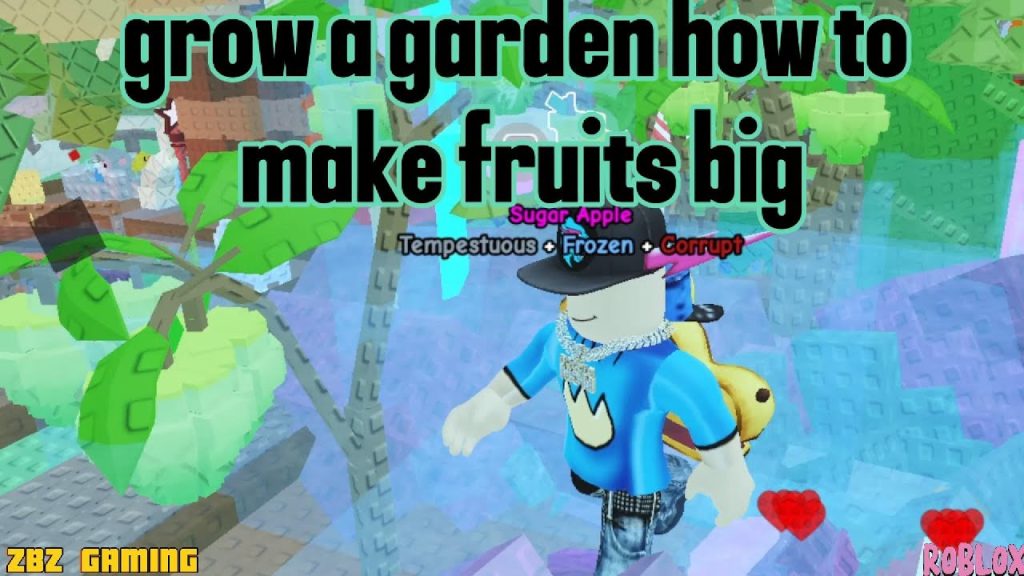
How To Make Plants Bigger In Grow A Garden Roblox?
To make plants bigger in Grow a Garden Roblox, regularly water and fertilize them. Use high-quality seeds for better growth. Upgrade your tools and garden plot to enhance plant size. Engage in daily tasks and missions to earn rewards and improve your garden.
What’s The Best Fruit In Grow A Garden Roblox?
The best fruit in Grow a Garden Roblox is the Golden Apple. It offers high value and boosts player rewards. This fruit increases profit and provides significant benefits in gameplay, making it a popular choice among players.
What Makes Fruit Huge?
Genetics, optimal growing conditions, and proper care make fruit huge. Nutrient-rich soil boosts growth. Adequate water and sunlight are crucial. Pruning and pest control enhance fruit size. Selective breeding produces larger varieties. These factors combined result in bigger, healthier fruits.
Conclusion
Big fruits in your garden come from careful planning and care. Follow simple steps to enhance growth. Use rich soil and provide enough sunlight. Water your plants regularly. Prune them for better air circulation. Choose the right plant varieties for your climate.
Protect fruits from pests with natural solutions. Be patient and watch them grow. Gardening is rewarding and fun. Enjoy the fruits of your labor, literally! Share your garden bounty with friends and family. They will love the fresh taste. Keep gardening and learn more each season.
Happy gardening!