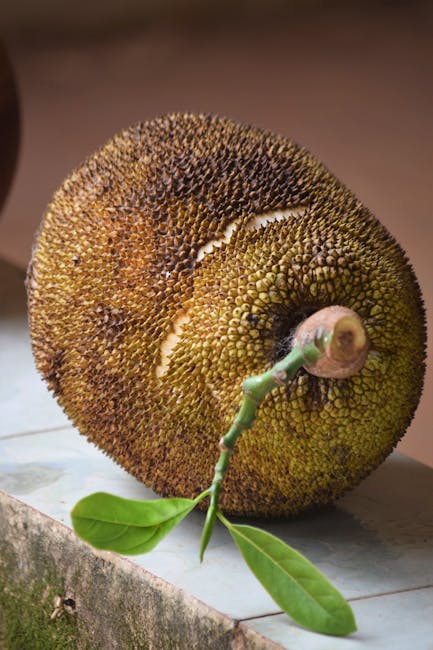
Imagine strolling through your garden, and there it is—a radiant, plump fruit, ripe for picking. It’s the envy of your neighbors and a testament to your green-thumb skills.
Achieving this isn’t just a dream; it’s within your reach. Understanding how to get big fruit in your garden can transform your gardening experience, making it more rewarding and satisfying. You might wonder, what’s the secret to growing those impressive fruits that are the pride of your backyard?
Well, you’re in the right place to discover the tricks and tips that can turn your garden into a fruitful paradise. Keep reading, because what follows could change the way you garden forever.

Credit: www.tiktok.com
Choosing The Right Seeds
Selecting seeds plays a crucial role in growing large fruit. Opt for high-quality, disease-resistant varieties for the best results. Consider the climate and soil conditions to ensure optimal growth.
Choosing the right seeds is key to growing big fruits in your garden. The seeds you pick determine the quality and size of your produce. Understanding the differences between seed types helps you make better choices. Let’s dive into the options available to you.Heirloom Vs Hybrid Varieties
Heirloom seeds are passed down through generations. They remain unchanged over time. This means they produce plants with the same traits year after year. These seeds offer unique flavors and colors. They are open-pollinated, which means they rely on natural pollination. Hybrid seeds, on the other hand, are created by crossing two different parent plants. They are often bred for specific traits like disease resistance or size. Hybrid plants can be more robust and may produce larger fruits. But, their seeds usually don’t produce the same plants in future generations.Understanding Seed Labels
Seed labels contain important information. They tell you about the plant’s growth habits and care needs. Look for terms like “disease-resistant” or “early-maturing.” These can give you clues about the plant’s performance. Pay attention to the seed’s expiration date. Fresh seeds have higher germination rates. Check the plant’s growing zone. This ensures the plant will thrive in your climate. Selecting the right seeds sets the stage for a successful harvest. Your garden can flourish with the right choices.Preparing The Soil
Enhancing soil health is crucial for growing big fruit in your garden. Begin by mixing compost to enrich nutrients and improve soil texture. Ensure proper drainage to prevent waterlogging, which can hinder fruit growth.
Preparing the soil is crucial for growing big, healthy fruit. Proper soil preparation provides plants with nutrients and a good environment. This helps them thrive and produce large, delicious fruit. Let’s dive into essential steps in preparing your garden soil.Testing Soil Quality
Testing your soil quality is the first important step. A soil test reveals nutrient levels and pH balance. You can buy a simple test kit from a gardening store. Follow instructions to collect a soil sample. This test helps you understand your soil’s strengths and weaknesses. Knowing this guides you in making necessary improvements.Amending With Nutrients
After testing, it’s time to amend the soil with nutrients. Based on test results, choose the right fertilizers. Organic options like compost and manure enrich the soil naturally. They improve texture and add essential nutrients. Spread compost evenly over the garden bed. Mix it well with the existing soil. This prepares a nutrient-rich base for your plants. Regularly adding organic matter keeps the soil fertile. It ensures your plants have what they need to grow big and strong.Optimal Planting Techniques
Growing big fruit in your garden starts with optimal planting techniques. These techniques ensure your plants receive the right resources to flourish. By focusing on spacing and timing, you can maximize fruit growth.
Spacing For Growth
Proper spacing allows fruit plants to access sunlight and nutrients. Crowded plants compete for resources, leading to smaller fruits. Follow these tips:
- Keep enough distance between plants.
- Consider the mature size of each plant.
- Space rows to allow air circulation.
These steps help create a healthy environment for your plants.
Timing For Seasons
Planting at the right time boosts fruit size and quality. Each fruit type has an ideal season for planting. Check local weather patterns before planting. Use these guidelines:
- Start seeds indoors for early growth.
- Transplant seedlings after the last frost.
- Choose varieties suited for your climate.
Correct timing ensures plants grow strong and produce large fruits.
Watering Strategies
Proper watering can lead to bigger fruits in your garden. Use deep and infrequent watering for stronger roots. Consistent moisture helps prevent fruit cracking and promotes healthy growth.
Watering is crucial for growing big fruits in your garden. The right strategy can enhance fruit size and quality. Proper watering ensures plants get enough moisture without drowning them. Explore effective watering techniques for a fruitful garden.Deep Watering Benefits
Deep watering reaches plant roots directly, promoting healthy growth. This method encourages roots to grow deeper into the soil. Deep roots provide better stability and nutrient access. Watering deeply reduces evaporation, conserving water efficiently. It also minimizes surface runoff, saving resources.Avoiding Overwatering
Overwatering can harm plant roots, leading to rot. It prevents roots from getting enough air, causing stress. Plants may appear wilted despite excess water. Check soil moisture before watering again. Ensure proper drainage to prevent waterlogging. Use mulch to retain moisture and reduce watering frequency.Nutrient Management
Proper nutrient management ensures healthy fruit growth in gardens. Balanced soil nutrients, regular watering, and sunlight are key for big, juicy fruits. Use organic fertilizers to enrich soil and boost fruit production.
Nutrient management is vital for growing large, healthy fruits. A balanced nutrient supply supports plant growth and fruit development. Understanding the right nutrients and how to provide them is key. Let’s explore essential aspects of nutrient management.Understanding Fertilizer Types
Fertilizers come in various forms. Each type has different benefits for plants. Granular fertilizers release nutrients slowly. They are suitable for long-term feeding. Liquid fertilizers act quickly. They’re ideal for rapid nutrient uptake. Organic fertilizers improve soil health. They add essential nutrients naturally. Selecting the right type depends on your garden’s needs.Compost And Organic Matter
Compost enriches soil with organic matter. It boosts nutrient levels and improves soil structure. Adding compost helps retain moisture. It reduces the need for frequent watering. Organic matter supports beneficial microorganisms. These organisms enhance nutrient availability. Regular composting can lead to bigger, healthier fruits. Use kitchen scraps and garden waste for compost. This sustainable practice benefits both your garden and the environment.
Credit: www.tiktok.com
Pest And Disease Control
Healthy plants produce big fruits. Manage pests and diseases with regular monitoring and natural remedies. This ensures fruits grow large and healthy.
Managing pests and diseases in your garden is crucial to growing big, healthy fruit. These unwanted invaders can cause significant damage, stunting growth and reducing yields. However, with a proactive approach, you can protect your plants and ensure a bountiful harvest.Natural Pest Deterrents
Using natural pest deterrents is both eco-friendly and effective. Consider planting marigolds around your garden; they repel nematodes and other harmful insects. Introduce beneficial insects like ladybugs and lacewings, which feast on aphids and other common pests. A homemade garlic spray can also keep bugs at bay without harming your plants. Regularly inspect your plants for signs of insect activity. Early detection makes it easier to manage infestations before they become severe.Identifying Common Diseases
Recognizing plant diseases early can save your garden from widespread damage. Keep an eye out for discolored leaves or unusual spots, which could indicate fungal infections. Tomato plants, for example, are prone to blight, which appears as dark spots on leaves and fruit. Powdery mildew, a white, powdery fungus, often affects squash and cucumber plants. Consider maintaining a gardening journal to track symptoms and treatments. This can help identify patterns and prevent future outbreaks. Have you noticed any recurring issues? Sharing your experiences with fellow gardeners can provide insights and solutions. Remember, a healthy garden is less susceptible to pests and diseases. By taking preventative measures, you’re one step closer to enjoying large, delicious fruit from your garden.Pruning And Maintenance
Pruning helps plants focus energy on fruit production. Remove dead branches and excess leaves regularly. Proper maintenance ensures healthy growth and bigger fruits.
Pruning and maintenance are vital for growing big, healthy fruits in your garden. Proper care ensures plants focus energy on producing larger fruits. Regular maintenance prevents diseases and promotes plant growth. Let’s explore the essentials of pruning and maintaining your garden for bigger fruits.When To Prune
Prune your garden plants during late winter or early spring. This dormant period minimizes stress on plants. For fruit trees, prune before buds break open. This helps direct energy towards fruit growth instead of excess foliage.Tools For Effective Pruning
Use quality tools for precise cuts and better results. Essential tools include:- Pruning Shears:Ideal for cutting small branches and twigs.
- Loppers:Use for thicker branches up to 2 inches wide.
- Pruning Saw:Necessary for cutting large branches.

Credit: www.tiktok.com
Maximizing Sunlight Exposure
Position plants to receive maximum sunlight throughout the day. Trim branches and leaves to prevent shading. Ensure adequate spacing between plants for optimal sun exposure.
Maximizing sunlight exposure can be a game-changer for growing big, juicy fruits in your garden. Sunlight is like fuel for your plants, and getting the right amount can significantly enhance fruit size and quality. Let’s dive into some practical ways you can make the most of the sun’s rays.Choosing The Right Location
Selecting the ideal spot for your garden is crucial. You want a location that receives at least six to eight hours of direct sunlight daily. Observe your garden throughout the day to identify areas with the most consistent sun exposure. Avoid planting near large trees or buildings that might cast shadows. These structures can limit the sunlight your plants receive, stunting their growth. Remember, a well-lit garden is a thriving garden. Consider using a compass app to determine the sun’s path. This can help you position your plants in the optimal direction, maximizing their sunbathing potential.Using Reflective Materials
Reflective materials can amplify sunlight exposure for your plants. Aluminum foil or white surfaces can reflect sunlight onto your plants, especially in areas where natural light might be limited. Place reflective boards or surfaces strategically around your garden. This technique is particularly useful for plants that are shaded by taller companions or garden structures. Experiment with different materials and placements. You might be surprised at how a simple piece of foil can transform a shady spot into a sun-drenched haven. Are you ready to give your garden the sunlight boost it deserves? By maximizing sunlight exposure, you can cultivate bigger, more delicious fruits that will make your garden the envy of the neighborhood.Harvesting Techniques
Harvesting techniques for bigger fruit involve careful timing and gentle handling. Picking fruit at the right time ensures maximum size and flavor. Using the proper tools can prevent damage to the plant and the fruit itself.
Harvesting Techniques When it comes to maximizing the size and flavor of your garden fruits, timing and technique are everything. Picking fruits at the right moment ensures they have developed their full size and sweetness. Let’s explore how to recognize when your fruits are ready for harvest and the best practices for picking them.Signs Of Ripeness
Recognizing the signs of ripeness is crucial to harvesting big, juicy fruits. A ripe fruit often changes color, becomes softer, and might emit a stronger aroma. For instance, a ripe tomato turns bright red and feels slightly tender when gently squeezed. Consider the size and shape as well. A fully grown fruit will have reached its expected size, with a smooth and even surface. Don’t forget to check for any natural shedding of parts like the calyx or flower end, which often indicates readiness.Best Time To Harvest
Harvesting at the right time of day can impact the quality of your fruits. Early morning is often the best time, as fruits are cooler and more hydrated after the night. This helps maintain their crispness and flavor. If mornings aren’t an option, aim for late afternoon when the sun isn’t as intense. Avoid picking during the hottest part of the day, as fruits can dehydrate and lose their firmness. By understanding these harvesting techniques, you ensure your garden yields the biggest and best fruits. Are you ready to enjoy a bountiful harvest this season?Common Mistakes To Avoid
Choosing the right soil is crucial for growing big fruit. Overwatering can hinder growth, so keep water levels balanced. Using the wrong fertilizer may affect fruit size; opt for a balanced mix to nourish plants properly.
Growing large, juicy fruits in your garden is a rewarding experience. However, many gardeners unknowingly make mistakes that can stunt the growth of their produce. By avoiding these common pitfalls, you can ensure your garden thrives and yields the bountiful harvest you’re aiming for.Over-fertilization
Over-fertilization is a trap many gardeners fall into, thinking more nutrients will lead to bigger fruits. However, excessive fertilizer can burn plant roots, leading to stunted growth or even plant death. Instead, follow the recommended guidelines for your specific plants. A balanced approach will provide the nutrients your plants need without overwhelming them. Remember, a little goes a long way.Ignoring Plant Needs
Every plant has unique requirements that must be met for it to flourish. Ignoring these needs is a common mistake that can result in underdeveloped fruits. Research the specific needs of each plant in your garden. Consider factors like sunlight, water, and soil type. Tailoring your care routine to meet these needs can make a significant difference in the size and quality of your harvest. Think about it: Would you thrive in an environment that doesn’t cater to your basic needs? Neither do your plants. Give them the attention they deserve, and they’ll reward you with abundant, luscious fruits.Frequently Asked Questions
How To Make Your Fruit Bigger?
To grow bigger fruit, ensure optimal sunlight, water regularly, and enrich soil with organic compost. Prune excess branches to focus energy on fewer fruits. Use balanced fertilizers to boost growth. Protect plants from pests and diseases for healthy fruit development.
Consistent care leads to larger, juicier fruits.
What’s The Best Fruit In Grow A Garden Roblox?
The best fruit in Grow a Garden Roblox is the Golden Apple. It offers the highest points and boosts your score significantly. Cultivating this fruit can enhance your game progress and bring more rewards. Focus on growing it to maximize your garden’s potential and elevate your gameplay experience.
How To Make Your Garden Bigger In Grow A Garden Roblox?
Expand your garden in Grow a Garden Roblox by earning coins. Buy more plots and upgrade tools. Complete quests to gain rewards. Collaborate with friends for faster growth. Use fertilizers and special seeds to boost plant growth efficiently. Maintain regular care for optimal garden expansion.
How To Get Moonlit Fruit In Grow A Garden?
To get moonlit fruit in Grow a Garden, plant moonlit seeds in the enchanted garden. Water regularly and ensure adequate sunlight. Harvest fruit once the plant matures. Use fertilizers to boost growth and speed up the process. Check garden updates for seasonal growth tips and special moonlit events.
Conclusion
Growing big fruit in your garden takes patience and care. Start with healthy soil, rich in nutrients. Choose the right plant varieties for your climate. Water consistently, but avoid overwatering. Sunlight is crucial, so ensure your plants get enough. Regular pruning helps plants focus energy on fruit growth.
Keep an eye out for pests and diseases. Organic methods can keep plants safe and healthy. Harvesting at the right time ensures the best flavor and size. Follow these steps and watch your garden thrive with big, juicy fruits. Enjoy the fruits of your labor!


