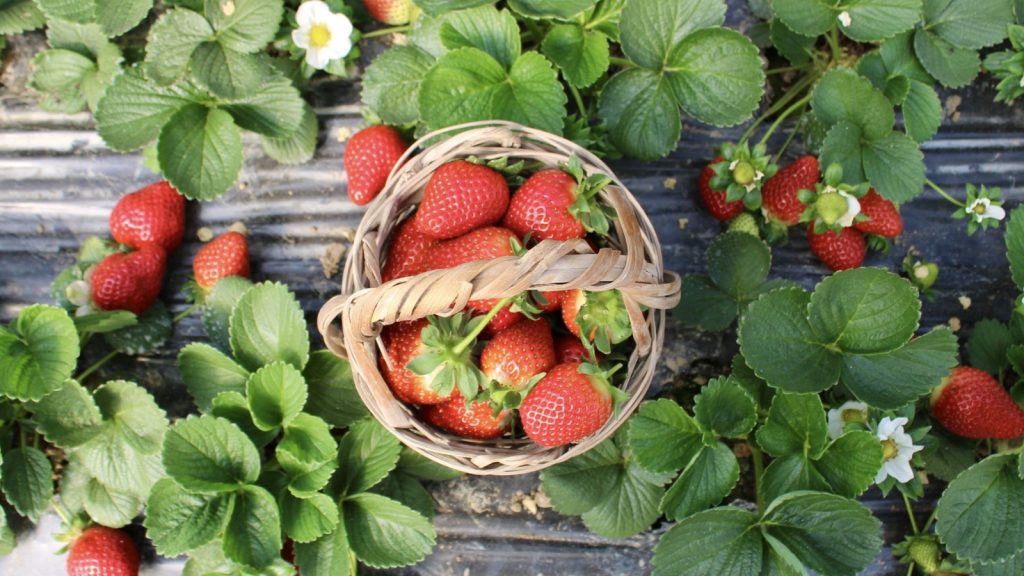
Imagine stepping into your backyard and picking fresh, juicy strawberries straight from your own garden. Sounds delightful, right?
If you’ve ever dreamed of growing your own strawberries but felt overwhelmed by the thought, you’re not alone. Many people shy away from gardening, thinking it’s too complicated. But what if I told you that growing strawberries is easier than you think?
With the right tips and tricks, you can enjoy a bountiful harvest, full of flavor and satisfaction. In this guide, you’ll discover how to garden strawberries like a pro, turning your green space into a strawberry paradise. Get ready to dig in and uncover the secrets to a sweet success, because these little red gems are just waiting for you to give them a home. Keep reading, and let’s make your strawberry garden dreams a reality!
Credit: www.aucklandforkids.co.nz
Choosing The Right Strawberry Variety
Selecting the right strawberry variety can greatly enhance your garden’s yield. Consider climate, space, and personal taste preferences. Opt for everbearing varieties for a prolonged harvest season.
Choosing the right strawberry variety is like picking the perfect team for your garden; each type has its own unique traits and flavors. You want a variety that matches your climate, soil, and taste preferences. The process might seem daunting, but once you know what to look for, you’ll be well on your way to a fruitful strawberry harvest.Understanding Your Climate
Consider your local climate conditions. Some varieties thrive in cooler climates, while others prefer warmer environments. For example, in cooler regions, June-bearing strawberries flourish, producing large, juicy berries once a year. On the other hand, everbearing varieties might be more suited to milder climates, offering multiple harvests throughout the growing season.Soil Compatibility
Strawberries are picky about their soil. Test your garden soil to understand its pH level and composition. Varieties like the Seascape strawberry can thrive in a wider range of soil types, including sandy and loamy soils. If your soil is heavy clay, consider adding organic matter to improve drainage and choose a variety that can adapt to these conditions.Personal Taste Preferences
Do you prefer sweet, tart, or a mix of flavors? Some strawberries like the Albion are known for their sweet taste and firm texture, making them perfect for desserts. If you enjoy a tart flavor, the Quinault variety might be your best bet. Think about what you want to use your strawberries for — fresh eating, jams, or baking — and choose accordingly.Harvesting Time
Plan your harvest season. If you want strawberries throughout the summer, opt for everbearing varieties that produce fruit intermittently. For a large, single harvest, June-bearing strawberries might be more suitable. This decision will impact how you enjoy your strawberries — whether in a steady stream or all at once.Resistance To Diseases
Some strawberry varieties have better resistance to common diseases, reducing the need for chemical treatments. Look for varieties like the disease-resistant Jewel, which can save you time and effort in managing garden health. This choice is crucial if you’re aiming for an organic garden. Choosing the right variety is crucial for a successful strawberry garden. Have you considered what you will do with your bounty once it’s ripe?Ideal Planting Location
Sunny spots with well-drained soil offer ideal conditions for strawberry growth. Ensure ample space for air circulation to prevent disease. Consider raised beds to enhance drainage and promote healthy roots.
Finding the perfect spot to plant your strawberries can be the key to growing lush, juicy fruits. Strawberries thrive best when you give careful thought to their environment. From soaking up the sun to having rich soil, every detail counts. So, where should you plant your strawberries for the best harvest?Sunlight Requirements
Strawberries adore sunlight. Ideally, they need about 6-8 hours of full sun each day to flourish. Choose a location that isn’t shaded by trees or buildings. If your garden struggles to get enough sun, consider planting strawberries in raised beds or containers that you can move around. Think about how you can maximize the sun’s rays. Could you plant them along a south-facing wall to capture the most sunlight? Imagine the sweet taste of strawberries picked fresh from a sun-drenched plant!Soil Preparation
The soil is your strawberries’ foundation. Aim for well-draining, sandy soil that’s rich in organic matter. Test your soil’s pH; strawberries love a slightly acidic environment, around 5.5 to 6.8. Before planting, work compost into the soil to boost its nutrient content. Adding organic matter not only improves soil structure but also helps retain moisture. Are you ready to dig your hands into the earth and prepare a cozy home for your strawberries? Remember, a little effort in choosing the right spot can lead to a bountiful harvest. Happy gardening!Planting Techniques
Planting strawberries can be an exciting venture, whether you’re a seasoned gardener or a beginner. The key lies in understanding the planting techniques that will ensure your strawberry plants thrive. This section will guide you through essential aspects such as timing and spacing, and the benefits of container gardening. Get ready to cultivate sweet, juicy strawberries in your own backyard!
Timing And Spacing
Timing is crucial when planting strawberries. Aim to plant them in early spring once the frost danger has passed. This gives them a good start before the heat of summer kicks in.
Spacing is equally important. Keep your strawberries about 18 inches apart to allow for air circulation. This helps prevent diseases and ensures each plant has room to grow.
Consider staggering your planting dates to extend the harvest season. This way, you’ll enjoy fresh strawberries over a longer period.
Container Gardening
If you lack garden space, container gardening is a fantastic option. Choose a pot with good drainage holes and fill it with quality soil.
Strawberries have shallow roots, making them perfect candidates for containers. This method also allows you to move them easily to catch optimal sunlight.
Experiment with different containers, such as hanging baskets or tiered planters, to add aesthetic appeal and maximize space. Have you ever tried growing strawberries in unusual containers? It’s a fun way to personalize your gardening experience.
Watering And Fertilizing
Gardening strawberries requires careful watering and fertilizing. Water deeply but avoid soggy soil to prevent root rot. Apply balanced fertilizer monthly to boost growth and berry production.
Gardening strawberries involves two critical components: watering and fertilizing. Both are essential for healthy plants and juicy fruits. Proper watering ensures strawberries receive enough moisture without drowning them. Fertilizing provides the nutrients they need to grow and produce fruit.Watering Schedule
Strawberries need consistent moisture to thrive. Water them deeply once a week. During hot weather, increase the frequency to twice a week. Ensure the soil is moist, not soggy. Use a drip irrigation system to deliver water directly to the roots. This helps prevent diseases by keeping the foliage dry. Mulching helps retain soil moisture and reduces watering frequency.Nutrient Needs
Strawberries require balanced nutrients for optimal growth. Use a slow-release fertilizer in spring. Choose a formula with equal parts nitrogen, phosphorus, and potassium. Apply it around the base of the plant. Avoid direct contact with the foliage. In the growing season, supplement with liquid fertilizer every two weeks. Consider organic options like compost or well-rotted manure. These improve soil health and provide essential nutrients. Monitor the plants for signs of nutrient deficiency. Yellow leaves might indicate a lack of nitrogen. In such cases, adjust your fertilizing strategy accordingly.Pest And Disease Control
Healthy strawberry plants thrive with proper pest and disease control. Regularly inspect leaves for signs of pests or fungus. Use organic methods like neem oil to treat infestations. Ensure proper spacing for airflow, reducing disease risk. Keep plants well-watered but avoid wet foliage to prevent mold.
Growing strawberries can be a rewarding experience, but managing pests and diseases is crucial to ensure a healthy harvest. As these sweet berries are a favorite for many, they also attract a variety of uninvited guests that can wreak havoc on your plants. Understanding how to control these issues effectively can make all the difference in your gardening journey. So, let’s delve into the world of pest and disease control for strawberries.Common Pests
Strawberries are susceptible to several pests that can damage both the fruit and the plant. Aphids, small insects often found on the underside of leaves, suck sap from the plant, potentially stunting growth. You might spot spider mites, which leave tiny webs and speckles on leaves, indicating their presence. Slugs and snails are notorious for munching on strawberries overnight. They leave telltale holes in the fruit and can decimate your crop quickly. If you’ve ever noticed your strawberries being nibbled, these slimy creatures might be the culprits. Birds, though not insects, are another common pest. They are particularly fond of the ripe berries and can strip your plants clean if left unchecked. You can combat these feathered thieves with some simple strategies.Preventive Measures
Preventing pests starts with maintaining a clean and healthy garden. Regularly remove dead leaves and debris to minimize hiding spots for pests. This simple step can drastically reduce pest populations around your strawberries. Consider using natural barriers like row covers or netting. These can protect your plants from birds and larger pests without harming beneficial insects. They can be easily removed for harvesting, making them a practical addition to your garden toolkit. Introduce beneficial insects like ladybugs to tackle aphids naturally. Ladybugs feast on these pests, providing a natural form of pest control. You can encourage their presence by planting flowers nearby, creating a welcoming environment for them. Finally, keep an eye on your plants regularly. Spotting issues early allows you to address them before they escalate. What strategies have you found most effective for keeping your strawberries safe from pests?Pruning And Maintenance
Pruning and regular maintenance ensure healthy strawberry plants and boost fruit production. Remove dead leaves and excess runners. This helps plants focus energy on growing delicious strawberries.
Pruning and maintenance are vital for thriving strawberry plants. Regular care ensures healthy growth and bountiful harvests. Pruning helps manage plant size and stimulates fruit production. Proper maintenance minimizes pests and diseases, keeping the plants robust.Removing Runners
Strawberry plants produce runners that spread quickly. These runners draw energy from the main plant, impacting fruit yield. Trim runners regularly to focus energy on fruit production. Use sharp scissors or shears for clean cuts. This practice encourages stronger and more productive plants. Runners can be rooted elsewhere, expanding your strawberry patch.Mulching Benefits
Mulching is key for maintaining healthy strawberry plants. It conserves soil moisture and controls weeds effectively. Mulch also regulates soil temperature, protecting roots from extreme heat or cold. Organic mulch like straw enriches soil nutrients as it decomposes. Spread mulch evenly around the plants, ensuring coverage without suffocating the stems. It creates a clean environment, reducing rot risk. Regular mulching keeps your strawberry plants thriving.Harvesting Techniques
Strawberries are delightful and rewarding to grow in any garden. Knowing the right harvesting techniques ensures the best taste and quality. Harvesting strawberries at the right time enhances their flavor and nutrition. Mastering proper picking methods also protects the plants for future growth. Here, we explore essential tips for harvesting strawberries effectively.
Identifying Ripeness
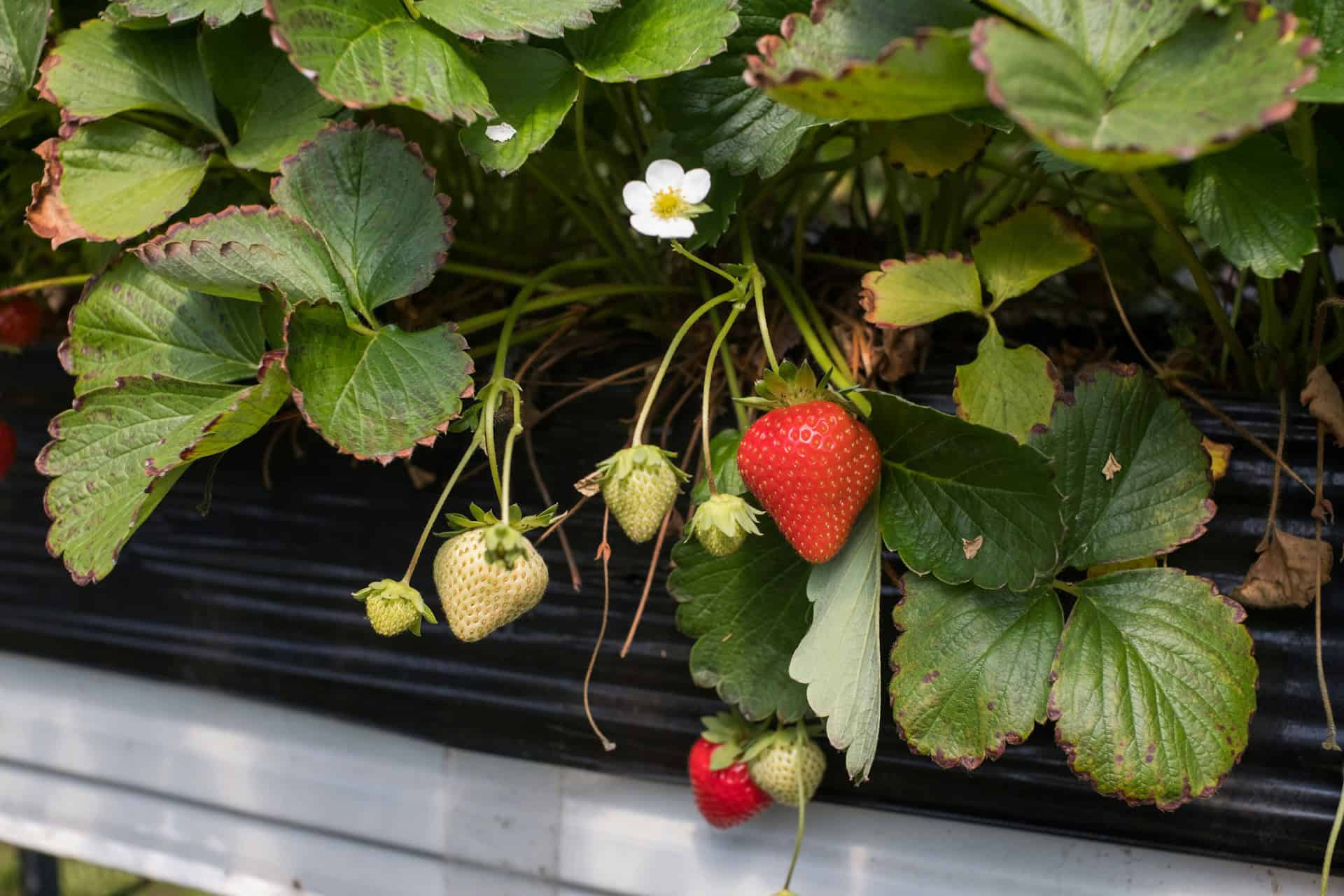
Ripe strawberries are bright red and glossy. Check for a uniform color from top to bottom. Avoid strawberries with green or white tips. A ripe strawberry feels firm but not hard. Smell also helps; ripe strawberries have a sweet aroma. Harvesting at this stage provides the best taste and texture.
Proper Picking Methods
Pick strawberries in the morning when they are cool. Use your thumb and forefinger to gently pinch the stem. Twist slightly to detach the fruit from the plant. Leave a small stem on each berry to extend freshness. Avoid squeezing the fruit to prevent bruising. Place picked strawberries in a shallow container. This prevents them from crushing each other. Handle them gently throughout the process to maintain quality.

Credit: greenstalkgarden.com
Extending The Growing Season
Cultivate strawberries by choosing frost-resistant varieties to extend the growing season. Use row covers for additional warmth in cooler months. Plant strawberries in raised beds to enhance drainage and protect roots.
Extending your strawberry growing season can be the key to enjoying these sweet berries for longer periods. Whether you’re a seasoned gardener or a beginner, stretching those harvest weeks can feel like a gardening victory. Imagine picking fresh strawberries well into the cooler months; it’s a delight that’s entirely achievable with some strategic planning.Using Row Covers
Row covers are an excellent tool to shield your strawberries from unexpected frosts and extend their growth period. These lightweight fabrics act as a cozy blanket, capturing warmth from the sun while protecting plants from chilly winds. Make sure your row covers are well secured, as even a slight breeze can whip them off, leaving your plants exposed. Once, I almost lost a whole patch to a late frost because my covers weren’t fastened properly. A few rocks or garden staples can save you from such heartaches. You’ll find that row covers are not just for frost; they also help in keeping pests at bay. Have you ever found your strawberries nibbled overnight? Row covers might just be your new best friend.Overwintering Strategies
Overwintering your strawberry plants allows them to survive the cold months and come back stronger in spring. It’s like giving your plants a winter vacation where they rest and rejuvenate. Consider mulching with straw or pine needles to insulate the roots. This layer acts as a thermal blanket, keeping the soil temperature stable. Have you tried this before? If not, you’ll be amazed at how your strawberries bounce back after a good winter nap. Also, think about moving potted strawberries to a sheltered area, like a garage or shed. This simple move can make a world of difference. What strategies have you tried to keep your strawberry plants thriving during the colder months?
Credit: www.youtube.com
Frequently Asked Questions
What Is The Trick To Growing Strawberries?
Plant strawberries in well-drained soil with full sun exposure. Space plants 12-18 inches apart. Water consistently, especially during fruiting. Use mulch to retain moisture and prevent weeds. Fertilize regularly with balanced nutrients.
What Not To Do When Growing Strawberries?
Avoid planting strawberries in soggy soil; they need well-drained conditions. Don’t overcrowd plants; space them adequately. Skip fertilizing excessively; it hinders growth. Don’t forget to mulch; it conserves moisture. Avoid letting pests go unchecked; regularly inspect for damage.
Can You Cut Off Strawberry Runners And Plant Them?
Yes, you can cut off strawberry runners and plant them. Ensure they have roots before planting. This helps propagate new strawberry plants efficiently. Plant them in well-drained soil and provide adequate water for healthy growth.
What To Put In A Hole When Planting Strawberries?
Place well-rotted compost or aged manure in the hole for planting strawberries. Add a handful of balanced fertilizer. Ensure the soil is loose, rich, and well-draining. Mix in some bone meal for additional nutrients. This combination promotes healthy growth and abundant fruit production.
Conclusion
Growing strawberries at home can be a fun experience. These juicy fruits brighten gardens and tables alike. Remember to plant them in sunlight. Water them regularly, but not too much. Check for pests and pick ripe strawberries often. Enjoy their sweet taste fresh or in recipes.
Share with family and friends. Gardening strawberries brings joy and healthy snacks. Happy gardening, and may your strawberries thrive!