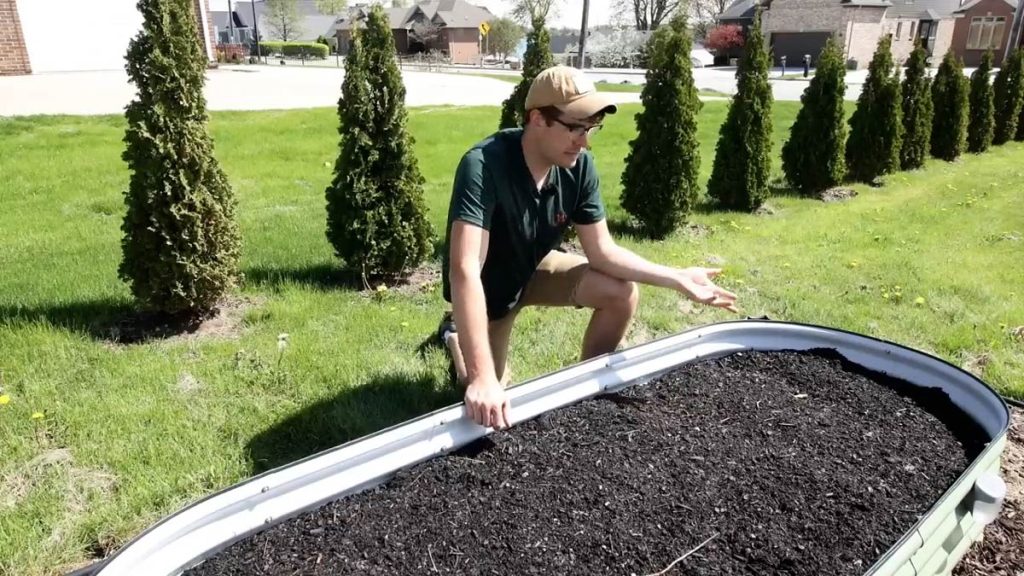
Are you ready to transform your backyard into a lush, green paradise filled with fresh vegetables? If you’ve got a raised garden bed and a dream of harvesting your own produce, you’re in the right place.
Filling a raised garden bed might seem straightforward, but the way you do it can make all the difference in the health and yield of your plants. By mastering the art of layering the perfect mix of soil, compost, and nutrients, you’ll set the stage for a bountiful harvest.
Imagine biting into a juicy tomato or crisp lettuce leaf, knowing it came from your very own garden. Intrigued? Let’s dig into the secrets that will ensure your raised garden bed is ready to support thriving, healthy vegetables. Keep reading to unlock tips that will make your garden the envy of the neighborhood!
Choosing The Right Location
Choosing the right location for your raised garden bed is crucial. It can significantly impact the success of your vegetable garden. By selecting an optimal spot, you ensure your plants receive necessary resources.
Sunlight Requirements
Vegetables need sunlight to grow strong and healthy. Most require at least six hours of direct sunlight each day. Observe your yard throughout the day to find sunny spots. Avoid areas shaded by trees or buildings. Proper sunlight helps plants photosynthesize effectively.
Proximity To Water Source
Watering is essential for a thriving garden. Placing your raised bed near a water source simplifies maintenance. You won’t need to carry heavy watering cans far. Consider access to hoses or sprinklers. Easy access encourages regular watering, vital for plant health.
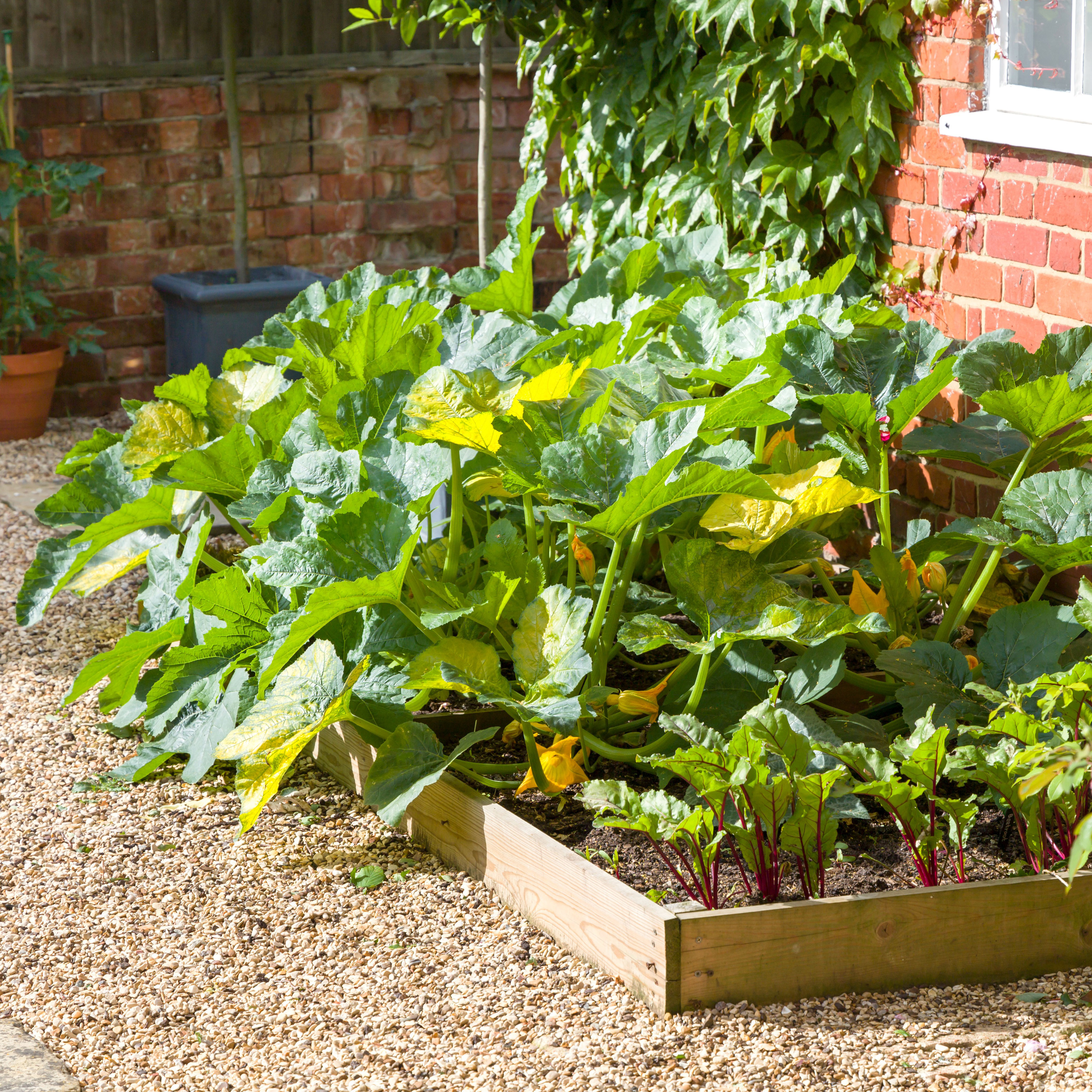
Credit: www.gardeningknowhow.com
Selecting Suitable Materials
Filling a raised garden bed with the right materials is the secret to a thriving vegetable garden. You want to ensure that your bed has the right balance of nutrients, drainage, and texture to support healthy plant growth. Selecting suitable materials involves understanding the types available, their durability, and cost considerations. Let’s dive into how you can make informed choices for your raised garden bed.
Types Of Raised Bed Materials
- Wood:Cedar and redwood are popular choices due to their natural resistance to rot. Pine is cheaper but requires treatment to withstand moisture.
- Stone:Provides excellent durability and a rustic aesthetic but can be more expensive and labor-intensive to install.
- Metal:Galvanized steel offers sleek modern looks and longevity but can heat up in direct sunlight, affecting soil temperature.
- Plastic:Lightweight and often recycled, plastic can be cost-effective but may not offer the same longevity as other materials.
Have you considered using reclaimed materials? Sometimes old bricks or wooden pallets can be repurposed to create unique and environmentally friendly beds.
Durability And Cost Considerations
When choosing materials, balance between initial cost and long-term durability is key. Wood, while affordable, may need replacement in a few years unless you opt for naturally rot-resistant types like cedar.
Stone may require a higher upfront investment but offers decades of use, reducing long-term costs. Metal beds, while durable, might require additional maintenance to prevent rust, especially if you live in a humid area.
Plastic beds provide a budget-friendly option but may need reinforcement or replacement sooner, depending on exposure to the elements.
Think about what works best for your climate, budget, and garden style. Are you willing to invest more now for less maintenance later, or would you prefer the flexibility of changing materials more frequently?
Soil Composition Basics
Understanding the right soil composition is crucial for a thriving vegetable garden. The soil in your raised garden bed directly affects plant growth and health. Well-balanced soil promotes root development and nutrient absorption. A good mix ensures your vegetables grow strong and produce abundantly.
Ideal Soil Mix
A perfect soil mix includes topsoil, compost, and potting soil. Topsoil provides structure and minerals. Compost enriches the soil with nutrients and organic matter. Potting soil offers excellent drainage and aeration. Combine these in equal parts for a balanced blend.
Incorporating Organic Matter
Organic matter boosts soil fertility and water retention. Add shredded leaves, grass clippings, or kitchen scraps. They decompose and feed your plants. Mix them into the soil thoroughly. This ensures nutrients reach the roots effectively. Organic matter also improves soil texture, making it crumbly and easy to work with.

Credit: migardener.com
Layering Techniques
Layering Techniques Start with a base of coarse organic material like straw or wood chips for drainage. Add layers of compost and soil, alternating between the two. This technique enriches the soil, boosts drainage, and supports healthy vegetable growth.
Filling a raised garden bed with vegetables requires careful layering. These layers provide drainage, nutrients, and a solid growing foundation. Understanding layering techniques ensures healthy plant growth and abundant harvests.Bottom Drainage Layer
The bottom layer prevents waterlogging. It ensures excess water drains away efficiently. Use materials like small rocks or gravel. This layer improves drainage and aeration. Arrange them evenly across the base. This step helps prevent root rot. A well-drained base supports healthy roots.Middle Nutrient Layer
The middle layer is packed with nutrients. Think compost or well-rotted manure. These enrich the soil with vital minerals. They boost plant growth and health. Spread the nutrient layer evenly. Aim for about four to six inches thick. This layer feeds the vegetables, enhancing yield.Topsoil Layer
The top layer is crucial for planting. Use quality topsoil or garden soil. This layer supports seed germination. It should be six to eight inches thick. Ensure it’s free from weeds and debris. The topsoil layer is where plants thrive. Proper topsoil ensures robust vegetable growth.Improving Soil Fertility
Filling a raised garden bed with a mix of quality soil, compost, and organic matter enhances soil fertility. This blend supports healthy vegetable growth and boosts nutrient availability, ensuring a bountiful harvest.
Improving soil fertility is a game-changer when it comes to having a thriving vegetable garden. Your raised garden bed is only as good as the soil you fill it with. Rich, fertile soil will provide your vegetables with the nutrients they need to grow strong and healthy. But how do you ensure your soil is fertile enough? Let’s explore some effective strategies.Using Compost And Manure
Compost is often called “black gold” for a reason. It enriches soil by adding vital organic matter and nutrients. To start, layer your raised bed with a few inches of high-quality compost. If you have a compost bin at home, this is the perfect opportunity to use what you’ve been nurturing. Manure is another excellent choice, providing a rich source of nitrogen. Cow, horse, or chicken manure works best, but make sure it’s well-aged to avoid burning your plants. A mix of compost and manure can create a powerhouse of fertility in your raised bed.Adding Slow-release Fertilizers
Slow-release fertilizers are an excellent way to provide a steady supply of nutrients. Unlike quick-release options, these fertilizers break down over time, ensuring your plants have access to nutrients throughout the growing season. Consider using organic slow-release fertilizers like bone meal or blood meal. These not only add essential nutrients but also improve soil structure. Sprinkle them lightly over the soil before planting, and let them work their magic. Are you curious about the specific needs of the vegetables you plan to grow? Different vegetables have varying nutrient requirements. Knowing these can help you choose the right type of slow-release fertilizer. Combining these methods will set a strong foundation for your raised garden bed. Imagine the satisfaction of seeing robust plants and a bountiful harvest, all thanks to the fertile soil you created.Maintaining Soil Health
Fill a raised garden bed with layers for healthy soil. Begin with coarse material like twigs for drainage. Add compost and topsoil to enrich nutrients. Finally, mulch helps retain moisture and suppress weeds.
Maintaining soil health in your raised garden bed is essential. Healthy soil means healthy vegetables. Proper care ensures your plants get the nutrients they need. Let’s explore ways to keep your soil thriving.Regular Testing And Adjustments
Test your soil regularly. This helps identify nutrient levels and pH balance. Kits are available at garden centers. They are easy to use. Follow the instructions for accurate results. Adjust the soil based on test results. If the pH is off, add lime or sulfur. For nutrient deficiencies, use organic fertilizers. Compost is a great choice. It enriches the soil naturally.Rotating Crops For Sustainability
Crop rotation is key for sustainable gardening. It prevents soil depletion. Each plant has different nutrient needs. Rotating crops balances the nutrient use. Plan your garden layout annually. Avoid planting the same family of vegetables in the same spot. This reduces pest and disease risks. It also keeps the soil fertile. Use a simple rotation plan. Follow a pattern like leaf, fruit, root, and legume crops. This method naturally replenishes soil nutrients. Your vegetables will grow better and healthier.Common Mistakes To Avoid
Selecting the wrong soil mix can harm plant growth. Overpacking soil restricts root expansion. Skipping drainage materials leads to waterlogging.
Filling a raised garden bed is an exciting venture, but it can be fraught with common mistakes that hinder your vegetables’ growth. Proper soil and drainage are essential components, yet they are often misunderstood or overlooked. If you’ve ever found your vegetables struggling, you might be making one of these errors. Let’s dive into some typical mistakes you should steer clear of to ensure your garden thrives.Overpacking Soil
Cramming too much soil into your raised garden bed can lead to serious issues. While it might seem like more soil equals more nutrients, overpacking can restrict root growth. Roots need space to spread out, and compacted soil limits this, leading to stunted plants. Think about it this way: would you thrive in a cramped environment? Your vegetables won’t either. A lighter, airy soil mixture promotes healthy roots and vibrant plants. Consider mixing in organic materials like compost to keep the soil loose.Ignoring Water Drainage
Proper drainage is crucial for a thriving garden. Ignoring this aspect can turn your garden into a swamp after heavy rain or watering. Excess water drowns plants, leading to root rot and other diseases. Have you checked if your raised bed has adequate drainage? Ensure there are enough holes or gaps at the bottom to allow water to escape. You might be surprised how a simple fix can transform your garden’s health. Adding gravel or coarse sand at the base can also enhance drainage. Avoiding these common mistakes will put you on the path to a flourishing vegetable garden. Are you ready to give your plants the best start possible?
Credit: migardener.com
Frequently Asked Questions
What Is The Best Thing To Put In The Bottom Of A Raised Garden Bed?
Use organic materials like straw, leaves, or grass clippings for drainage in raised garden beds. These materials decompose, enriching the soil. Avoid using non-biodegradable materials. Ensure good drainage to prevent root rot and promote healthy plant growth. Proper bottom layering enhances soil aeration and nutrient availability.
How To Cheaply Fill Raised Garden Beds?
Use layers of cardboard, straw, and organic waste as a base. Add compost and topsoil to fill. Mix in kitchen scraps and grass clippings for nutrients. These materials are cost-effective and improve soil quality over time, ensuring a fruitful garden.
What Not To Fill Raised Beds With?
Avoid filling raised beds with clay, rocks, or garden soil that compacts easily. Use well-draining materials like compost, peat moss, and vermiculite for optimal growth. Avoid wood chips and gravel, as they hinder water retention and root development. Prioritize lightweight, nutrient-rich, and aerated materials for healthy plant growth.
How Full Should I Fill My Raised Garden Bed?
Fill your raised garden bed to 1-2 inches below the top. Ensure proper drainage and soil aeration. This level allows room for watering and plant growth. Use quality soil mixed with compost for optimal plant health. Avoid overfilling to prevent soil erosion and nutrient loss.
Conclusion
Raised garden beds bring joy to growing vegetables. Filling them correctly matters. Start with a solid base. Add nutrient-rich soil. Include compost for fertility. Mix well. Ensure proper drainage. Water regularly to keep plants healthy. Enjoy watching your vegetables thrive.
Fresh produce tastes better. Your garden will flourish with care. Embrace the satisfaction of homegrown food. Gardening teaches patience and rewards effort. Take pride in your creation. Share your harvest with loved ones. Raised beds are perfect for beginners and experts alike.
Celebrate each growing season. Happy planting!