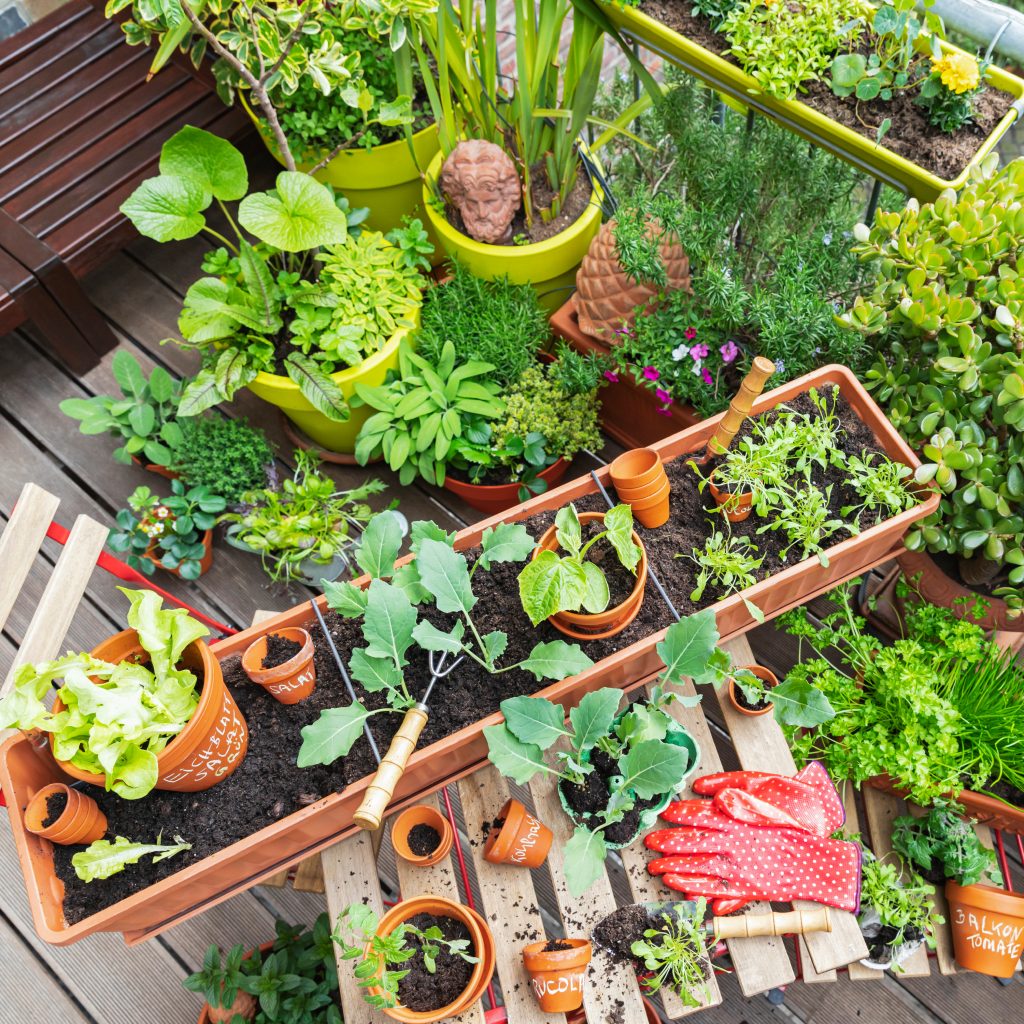
Imagine stepping into your backyard and being greeted by the vibrant colors and fresh aromas of your very own vegetable garden. You can create a space where fresh produce flourishes right at your fingertips.
Designing a vegetable garden doesn’t have to be overwhelming. In fact, it can be a rewarding and enjoyable experience. Whether you’re a seasoned gardener or a beginner, this guide is here to help you every step of the way. You’ll learn how to choose the right plants, where to place them, and how to make the most of your space.
Picture the satisfaction of harvesting your own vegetables, knowing exactly where your food comes from. Stick around to discover how you can transform a patch of soil into a bountiful garden that not only nourishes your body but also feeds your soul.
Choosing The Right Location
Selecting the ideal spot for a vegetable garden ensures thriving plants. Aim for a sunny area with good soil drainage. Accessibility to water sources will help maintain consistent growth.
Choosing the right location for your vegetable garden is crucial. A well-chosen spot ensures healthy plants and bountiful harvests. Consider three main factors: sunlight, water, and soil quality.
Sunlight And Shade Considerations
Vegetables thrive in sunlight. Check if your garden receives at least six hours of sun daily. Observe the patterns of shade throughout the day. Avoid areas with too much shade from buildings or trees. Some plants prefer partial shade. Plan accordingly for diversity in your garden.
Proximity To Water Sources
Water is essential for plant growth. Locate your garden close to a water source. This makes watering convenient. Consider using hoses or drip irrigation systems. Ensure easy access to water during dry spells. Reliable water access can prevent plant stress.
Soil Quality Assessment
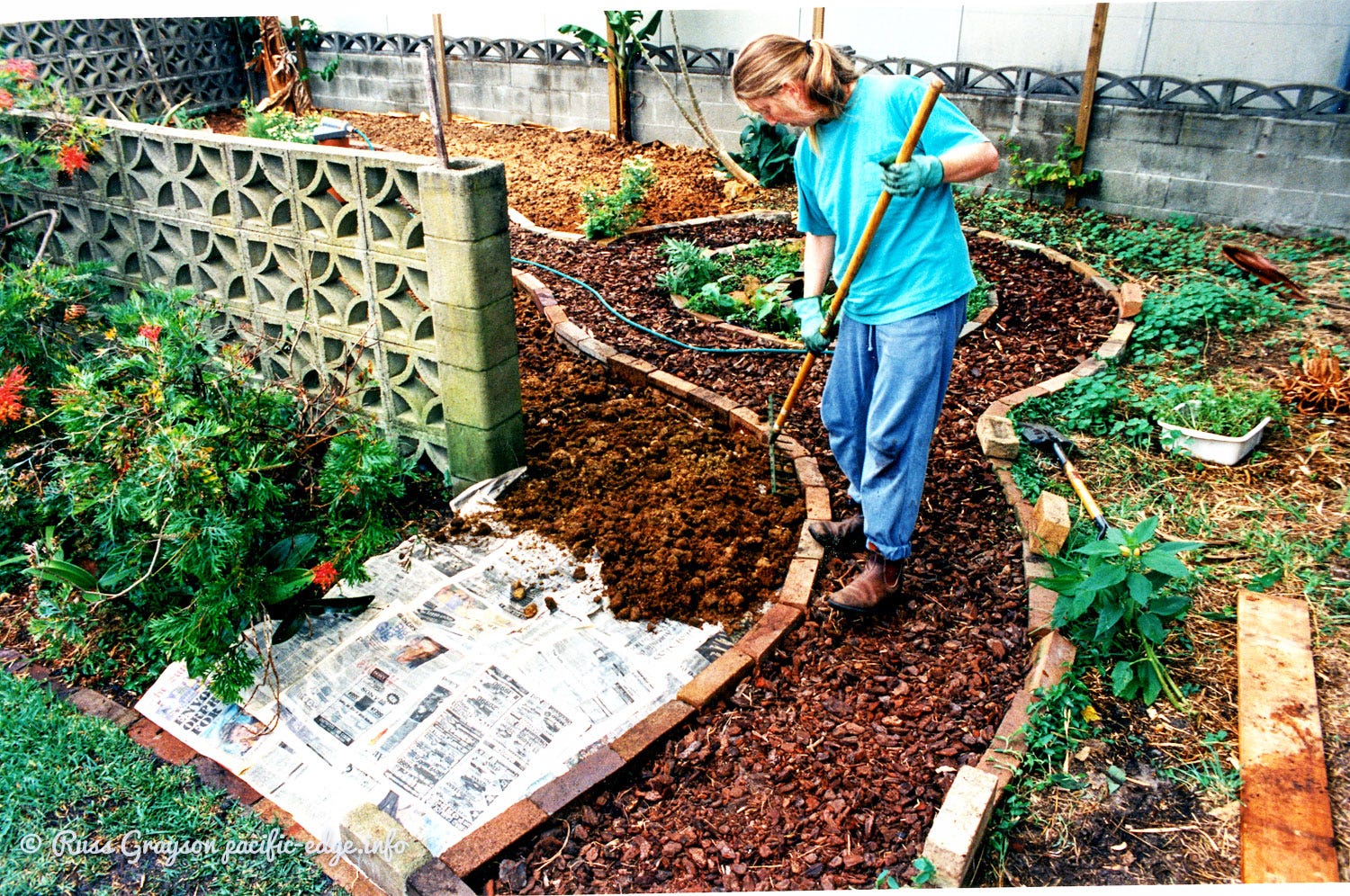
Healthy soil is the foundation of a thriving garden. Test the soil for nutrients and pH levels. Look for rich, dark soil that crumbles easily. Avoid areas with rocky or compacted soil. Amend poor soil with organic matter like compost. Healthy soil supports strong roots and abundant crops.
Credit: medium.com
Planning Your Garden Layout
Designing a vegetable garden involves choosing the right spot and considering sunlight, soil, and water needs. Arrange plants by size, ensuring taller ones don’t overshadow smaller ones. Create pathways for easy access and maintenance, keeping aesthetics and practicality in mind.
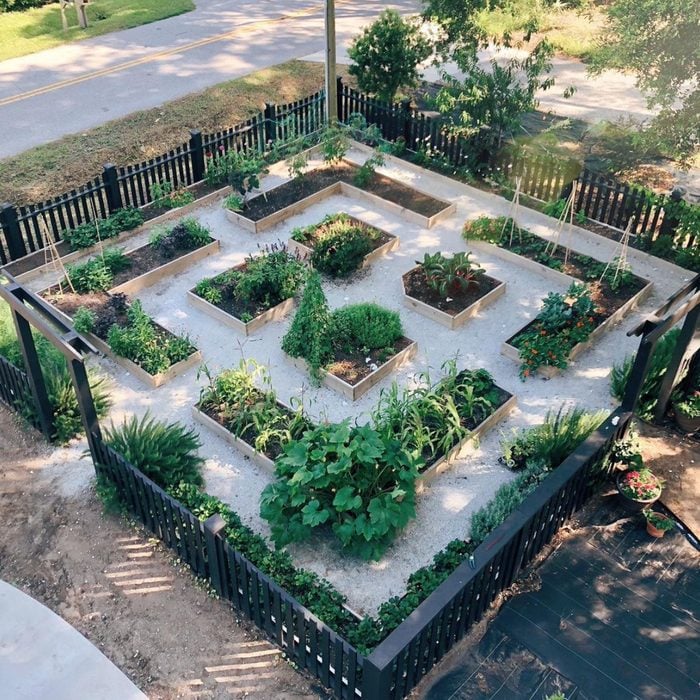
Planning your garden layout is crucial for a successful vegetable garden. It helps you maximize space and yield. A well-thought-out plan can make gardening enjoyable and productive. Consider the size, type of beds, and pathways for accessibility. Each element plays a vital role in the garden’s efficiency and aesthetics.
Deciding On Garden Size
Start by measuring the available space for your garden. Ensure it receives at least six hours of sunlight daily. Decide how many types of vegetables you want to grow. Larger gardens can accommodate more variety. Small gardens require careful selection of plants. Think about your family’s needs and preferences. A bigger garden needs more maintenance. Balance your enthusiasm with your available time.
Types Of Garden Beds
Choose the type of garden beds that suit your space. Raised beds are popular for their good drainage and soil control. They are ideal for small spaces and urban gardens. In-ground beds blend with the landscape and are cost-effective. Consider container gardening if space is very limited. Containers are versatile and can be moved for sunlight. Each type has benefits depending on your needs and space.
Pathways And Accessibility
Plan pathways to access all parts of your garden. Make them wide enough for a wheelbarrow. Use materials like gravel, wood chips, or stepping stones. Ensure they provide a stable walking surface. Paths should allow you to reach plants easily. Keep accessibility in mind for planting, watering, and harvesting. A well-laid path reduces soil compaction. It enhances the garden’s overall appearance and functionality.
Selecting Vegetables For Your Garden
Choose vegetables that match your local climate. Consider space and sunlight needs for each plant. Select varieties you enjoy eating to make gardening rewarding.
Selecting vegetables for your garden is a crucial step. It impacts the success and enjoyment of your gardening experience. Choosing the right mix requires knowledge of your climate, planting benefits, and balancing variety with yield. This section will guide you through these considerations.
Climate And Seasonal Suitability
Understanding your local climate is vital. Choose vegetables that thrive in your area’s conditions. Consider temperature, rainfall, and frost dates. Some vegetables prefer cooler weather, like lettuce and spinach. Others, like tomatoes and peppers, need warmth. Seasonal suitability ensures your plants grow healthily.
Companion Planting Benefits
Companion planting is a smart strategy. Some vegetables help each other grow better. For example, planting basil near tomatoes can deter pests. Beans add nitrogen to the soil, benefiting corn and squash. Choose companions wisely to boost growth and protect crops.
Balancing Variety And Yield
Striking a balance between variety and yield is important. Too many types can overwhelm a gardener. Focus on vegetables that offer a good harvest. Consider favorites you love to eat. Grow a mix for diversity and nutrition. This ensures a productive garden that satisfies your needs.
Preparing The Soil
Preparing the Soil Healthy soil is key to a flourishing vegetable garden. Begin by removing weeds and debris. Mix in organic compost to enrich nutrients. Ensure good drainage by loosening compacted areas. This foundation supports strong plant growth and abundant harvests.
Preparing the soil is the foundation of a flourishing vegetable garden. By investing time in this crucial step, you ensure your plants receive the nutrients they need to thrive. It might seem daunting at first, but with a few actionable steps, you’ll be well on your way to cultivating rich, productive soil.
Testing And Amending Soil
Understanding your soil’s composition is like knowing the ingredients of your favorite recipe. A simple soil test can reveal your soil’s pH level and nutrient content. You can pick up a test kit from a local garden center or send a sample to a lab for more detailed results. Once you have your results, amend your soil accordingly. If your soil is too acidic, adding lime can help balance the pH. Conversely, if it’s too alkaline, sulfur might be necessary. Tailor your amendments based on the plants you intend to grow. Tomatoes, for instance, love slightly acidic soil, while asparagus prefers it more alkaline.
Composting And Organic Matter
Adding compost and organic matter is like giving your soil a vitamin boost. Compost enriches the soil, improving its structure and fertility. Whether you have a compost heap in your backyard or buy it from a store, it’s a game-changer for your garden. Layer organic matter like leaf mold, well-rotted manure, or kitchen scraps into your soil. This not only boosts nutrients but also enhances soil moisture retention. Remember, a well-fed soil nurtures a thriving garden.
Ensuring Proper Drainage
Have you ever noticed puddles of water in your garden after rain? This might indicate poor drainage, a common problem for many gardeners. To solve this, consider using raised beds or adding sand to heavy clay soils. Check if water drains well by digging a small hole and filling it with water. If the water doesn’t drain within a few hours, you might need to address drainage issues. Good drainage prevents root rot and ensures your plants get the oxygen they need. With the right soil preparation, you’re setting the stage for a vibrant and productive vegetable garden. Are you ready to get your hands dirty and transform your soil into a nutrient-rich paradise?
Efficient Watering Techniques
Designing a vegetable garden requires efficient watering techniques to ensure healthy plant growth. Use drip irrigation to deliver water directly to the roots, reducing evaporation and conserving resources. Group plants with similar water needs together for optimized watering schedules.
Efficient watering techniques can make or break your vegetable garden’s success. Proper watering ensures that your plants thrive, leading to a bountiful harvest. Let’s explore some effective methods to keep your garden lush and productive.
Irrigation Systems Options
Choosing the right irrigation system is crucial for your garden’s health. Drip irrigation is a popular choice, delivering water directly to the plant roots and minimizing wastage. It’s perfect for those who want a set-and-forget system. Soaker hoses are another great option, especially for gardens with rows. They slowly seep water into the soil, ensuring deep watering without surface runoff. Sprinkler systems can be effective for larger gardens but may lead to water wastage if not managed properly. Ensure they are adjusted to cover only the garden area.
Water Conservation Tips
Conserving water is not just eco-friendly—it’s essential for sustainable gardening. Mulching around plants helps retain soil moisture, reducing the need for frequent watering. Collect rainwater in barrels to use during dry spells. It’s a simple way to make your garden more self-sufficient and cut down on water bills. Consider planting drought-tolerant vegetable varieties. These plants require less water and can survive on natural rainfall, making them ideal for conserving resources.
Timing And Frequency Of Watering
Timing is everything when it comes to watering your garden. Early morning is the best time, as it allows water to soak in before the sun evaporates it. Avoid watering in the evening as it can lead to fungal growth due to prolonged moisture. How often should you water your garden? It depends on your climate and soil type. Sandy soils may need more frequent watering, while clay soils retain moisture longer. A good rule of thumb is to water deeply but less frequently. This encourages roots to grow deeper, making plants more resilient during droughts. Are you watering effectively? Test by checking soil moisture a few inches below the surface.
Managing Pests And Diseases
Designing a vegetable garden involves choosing pest-resistant plants and rotating crops regularly. Maintain plant health with proper spacing and watering. Implement natural pest control like companion planting to reduce disease spread.
Managing pests and diseases in a vegetable garden is crucial. It ensures healthy growth and bountiful harvests. Pests can quickly damage plants, while diseases weaken them. Both can reduce the yield and quality of your produce. Knowledge and prevention are key. A well-maintained garden can resist many threats naturally. Understanding pest behavior and disease symptoms aids in timely intervention. Let’s explore strategies to protect your garden.
Natural Pest Control Methods
Using natural methods keeps your garden eco-friendly. Companion planting helps deter pests. Marigolds repel nematodes. Basil keeps away flies and mosquitoes. Use traps for larger pests like slugs. Beer traps attract and drown them. Diatomaceous earth is effective against insects. It dehydrates and kills them. Encourage beneficial insects. Ladybugs eat aphids. Birds consume caterpillars. Create habitats for these natural allies.
Identifying Common Garden Pests
Knowing common pests helps you act swiftly. Aphids are tiny, often green, and cluster on stems. They suck sap and weaken plants. Caterpillars chew leaves, leaving holes. They can strip a plant bare. Slugs and snails leave a shiny trail. They feed at night, often on tender seedlings. Whiteflies flutter around plants and lay eggs. Their larvae damage foliage. Regular inspection helps spot these pests early.
Preventing Plant Diseases
Prevent diseases by maintaining plant health. Rotate crops yearly to reduce soil-borne diseases. Use resistant plant varieties. They withstand common pathogens better. Water plants at the base. Wet leaves promote fungal growth. Ensure adequate spacing for airflow. Crowded plants trap moisture and invite disease. Clean tools before and after use. Dirty tools spread pathogens. Remove infected plants immediately. Dispose of them properly to prevent spreading.
Enhancing Growth With Mulching
Enhancing growth with mulching involves covering soil to retain moisture and suppress weeds. This technique enriches soil and improves vegetable garden design. Mulching promotes healthier plants by maintaining consistent soil temperature and reducing erosion.
Enhancing Growth with Mulching Mulching transforms your garden into a thriving ecosystem. It enriches the soil and conserves moisture. This technique helps plants grow strong and healthy. Mulching reduces weeds and maintains soil temperature. It plays a vital role in a successful vegetable garden.
Types Of Mulch Materials
Choosing the right mulch is crucial. There are various types of mulch materials:
- Organic Mulch:Includes straw, wood chips, and grass clippings. It adds nutrients to the soil as it decomposes.
- Inorganic Mulch:Made of stones or plastic. It lasts longer and provides excellent weed control.
- Compost:A mixture of decayed organic matter. It improves soil structure and fertility.
Application Tips For Best Results
Applying mulch correctly boosts its effectiveness. Follow these tips for the best results:
- Layer Thickness:Spread mulch 2-4 inches thick. This ensures adequate coverage and prevents weed growth.
- Keep Away from Stems:Avoid piling mulch against plant stems. It prevents rot and disease.
- Reapply as Needed:Check mulch regularly. Add more if it decomposes or gets thin.
Benefits Of Mulching
Mulching offers numerous benefits for your vegetable garden:
- Moisture Retention:Mulch helps soil retain water. This reduces the need for frequent watering.
- Weed Suppression:A thick mulch layer blocks sunlight. It prevents weed growth effectively.
- Improved Soil Health:Organic mulches break down over time. They enhance soil fertility and structure.
Embrace mulching to nurture a vibrant vegetable garden. It supports plant growth and simplifies maintenance.

Credit: www.veranda.com
Seasonal Maintenance Tasks
Designing a vegetable garden is only half the battle; maintaining it throughout the year is where the real magic happens. Seasonal maintenance tasks ensure that your garden stays healthy and productive. By paying attention to these tasks, you can enjoy fresh produce all year round.
Pruning And Harvesting
Pruning is essential to keeping your plants healthy and encouraging growth. Regularly remove dead or diseased branches to prevent the spread of pathogens. Harvesting frequently encourages plants to produce more; don’t wait until your vegetables are overly ripe.
Did you know that harvesting in the morning helps preserve the freshness of your produce? The cooler temperatures keep your vegetables crisp and full of flavor. Plus, morning harvesting fits perfectly into a daily routine—just like grabbing a cup of coffee.
Soil Fertility Management
Your garden’s productivity depends heavily on the quality of your soil. Testing your soil’s pH levels and nutrient content can guide you on what amendments to add. Compost, well-rotted manure, or organic fertilizers are excellent choices to enrich your soil.
Have you tried rotating your crops? This practice helps maintain soil fertility and reduces pest infestations. If you’re noticing reduced yields, it might be time to rethink your soil management plan.
Preparing For Off-season
As the growing season winds down, preparing your garden for the off-season is crucial. Start by clearing out spent plants and debris to prevent pests from overwintering. Consider planting cover crops like clover or rye to protect and enrich your soil.
What about your tools? Sharpening and cleaning your gardening tools now saves time next season. Trust me, nothing feels better than starting a new season with tools that are in top shape.
Incorporating Aesthetic Elements
Designing a vegetable garden with aesthetic elements brings beauty and functionality. Use colorful plants and creative layouts for a visually pleasing space. Pathways and decorative borders enhance the garden’s charm while organizing plant areas effectively.
Incorporating aesthetic elements can transform a vegetable garden into a visual delight. These elements add beauty and personality, making your space more inviting. By blending functionality with aesthetics, your garden becomes a peaceful retreat.
Decorative Plant Arrangements
Arrange plants with varying heights and colors for visual interest. Use taller plants as a backdrop to shorter ones. Consider companion planting to enhance both beauty and growth. Group plants with similar colors for a striking effect. Use patterns like spirals or waves for an artistic touch.
Adding Garden Art
Garden art adds unique character to your space. Choose sculptures that reflect your personal style. Use colorful pots to add charm and vibrancy. Hang wind chimes for a soothing sound. Place painted stones or tiles along pathways for a playful look.
Creating Relaxation Spaces
Design cozy corners for relaxation within your garden. Add a bench or hammock under a shady tree. Use soft cushions for comfort and a touch of luxury. Create a small patio with chairs for enjoying the view. Incorporate a water feature for a calming atmosphere.
Credit: www.familyhandyman.com
Frequently Asked Questions
How Do I Layout My Vegetable Garden?
Plan your vegetable garden by considering sunlight, soil quality, and water access. Group plants with similar needs together. Arrange taller plants to avoid shading shorter ones. Leave space for pathways to access plants easily. Rotate crops annually to maintain soil health and prevent diseases.
Which Vegetables Grow Well Together Chart?
Vegetables like carrots and onions, lettuce and radishes, and tomatoes and basil grow well together. Companion planting improves growth and repels pests. Use charts to identify compatible pairs. Optimize garden space and enhance yields by choosing suitable combinations. Consider sunlight, soil, and watering needs for successful vegetable pairing.
Which Vegetables Should Not Be Planted Next To Each Other?
Beans and onions should not be planted together. Cabbage and strawberries are poor companions. Avoid pairing carrots with dill. Corn and tomatoes can compete for resources. Keep potatoes away from sunflowers.
Is There An App To Help Me Design My Garden?
Yes, several apps can help design your garden. Popular options include Garden Planner, iScape, and Home Design 3D. These apps offer features like plant selection, layout planning, and design visualization. They are user-friendly and can assist in creating a beautiful garden space.
Conclusion
Creating a vegetable garden is rewarding and fun. Start small and plan well. Choose easy-to-grow plants. Consider sunlight and soil quality. Water regularly and keep weeds away. Use natural fertilizers for healthy growth. Enjoy fresh produce from your garden. It connects you to nature and improves health.
Share your harvest with family and friends. Gardening teaches patience and care. It offers peace and satisfaction. You learn new skills with each season. The garden grows with your dedication. Embrace the journey and watch your garden flourish. A well-designed garden brings joy and nourishment.


