Are ants turning your vegetable garden into their playground? You’re not alone.
Many gardeners struggle with these tiny invaders that can cause big headaches. Ants may seem harmless, but they can disrupt your plants and even encourage pests like aphids. If you’re tired of seeing your hard work become a feast for these little critters, you’re in the right place.
In this guide, you’ll discover simple, effective strategies to take back control of your garden. Imagine a thriving garden where your veggies grow strong and healthy, free from ant disturbances. Keep reading to learn how to make this vision a reality and reclaim your green space!
Identify Ant Species
Understanding ant species is key to managing them in your vegetable garden. Recognize their habits to implement effective control strategies.
Identifying ant species in your vegetable garden is crucial. Different species can have different impacts on your plants. Some ants may benefit your garden by aerating the soil. Others might harm your plants or encourage pests like aphids. Knowing which species you are dealing with helps in choosing the right control method.Observe Physical Characteristics
Ants vary in color, size, and shape. Look for specific physical traits. Note the size and color of the ants. Are they red, black, or brown? Are they tiny or larger?Monitor Behavior
Watch how ants behave in your garden. Do they form long trails or wander alone? Do they move quickly or slowly? Observe their nesting habits and food preferences.Consult Local Resources
Local gardening centers or extension services can help. They often have information on common ant species in your area. They may offer advice tailored to your specific region.Use Online Identification Guides
Online resources provide detailed guides and images. These can help you match the ants in your garden to specific species. Look for reliable sources with comprehensive information.Consider Professional Help
If you’re unsure, consider consulting a professional. Pest control experts can identify species and suggest control methods. They have experience dealing with various ant species effectively.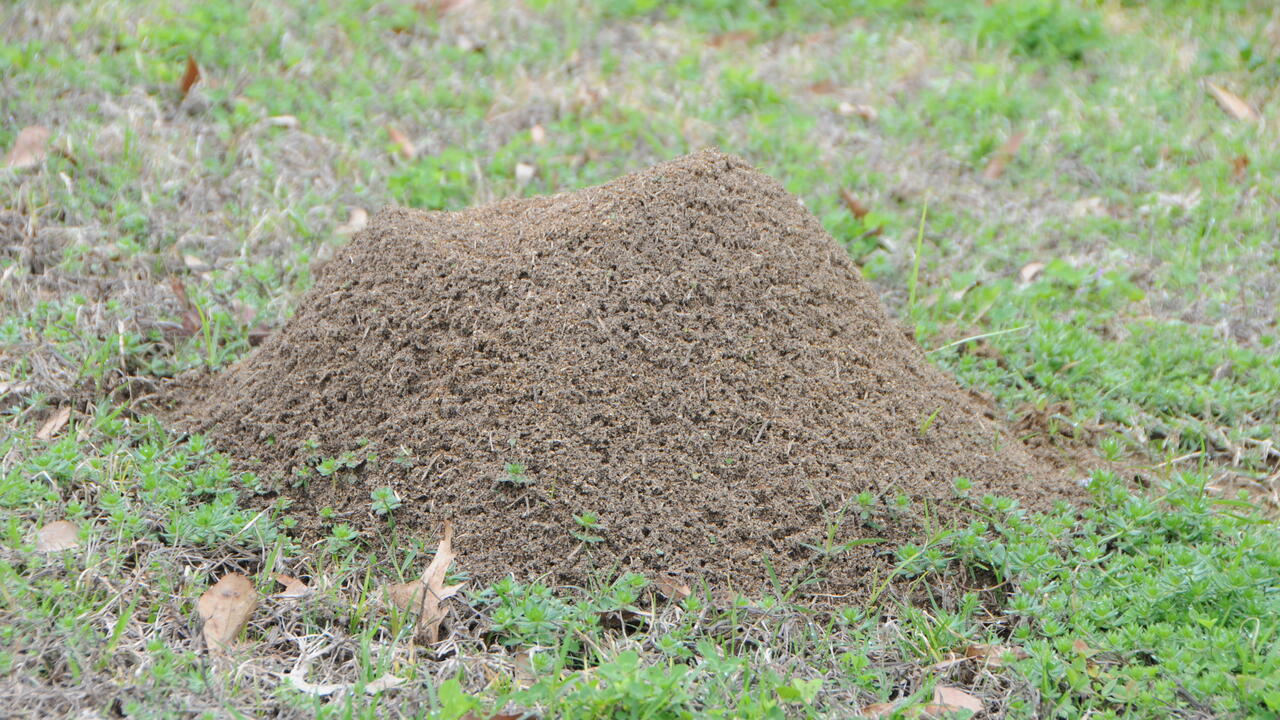
Credit: extension.msstate.edu
Natural Deterrents
Natural deterrents help keep ants away from vegetable gardens. Use cinnamon or coffee grounds around plant bases. These common pantry items deter ants without harming your plants.
Natural deterrents provide effective solutions to control ants in your vegetable garden. They are safe and eco-friendly options that protect plants without harming the environment. Using natural methods ensures a healthy garden while keeping ants at bay.Essential Oils
Essential oils are powerful ant repellents. Peppermint oil works wonders. Mix a few drops with water. Spray around your plants. This creates a barrier ants dislike. Tea tree oil is also effective. It disrupts ant trails. Use a similar mixture for best results.Vinegar Solutions
Vinegar is a natural ant deterrent. Mix equal parts of vinegar and water. Spray it directly on ant trails. Ants hate the strong smell. This disrupts their communication. Repeat every few days for ongoing protection. White vinegar works best for this purpose.Cinnamon Barriers
Cinnamon is a natural ant repellent. Sprinkle ground cinnamon around plant bases. This creates a barrier ants avoid. The strong scent confuses ants. It blocks their pheromone trails. Cinnamon sticks can also be used. They last longer and maintain effectiveness.Biological Control Methods
Natural predators like ladybugs and spiders help control ants in vegetable gardens. Encourage these beneficial insects by planting diverse flowers and herbs. This method reduces the need for harmful chemicals, keeping your garden healthy and thriving.
Biological control methods offer a natural way to manage ants. These methods involve using other living organisms to reduce ant populations. They are environmentally friendly and safe for your vegetable garden. Let’s explore two effective biological control methods: beneficial nematodes and predatory insects.Beneficial Nematodes
Beneficial nematodes are microscopic worms. They are harmless to humans and plants. These tiny creatures attack and kill ant larvae in the soil. This disrupts the ants’ life cycle and reduces their numbers. To use them, mix nematodes with water. Then, apply the mixture to the garden soil. Ensure the soil is moist for a few days. This helps the nematodes move and find the larvae.Predatory Insects
Predatory insects are natural ant hunters. Ladybugs and lacewings are common examples. They feed on ants and other garden pests. Attract these insects by planting flowers like dill and marigold. These plants provide nectar and pollen for predatory insects. You can also buy them from garden centers. Release them in your garden during the early morning or late evening. This ensures they stay and help control the ant population.Organic Pesticides
Organic pesticides offer a natural way to control ants in your vegetable garden. Use solutions like diatomaceous earth or citrus oil to keep these pests at bay while maintaining a healthy garden environment. These methods ensure your vegetables remain safe and chemical-free.
Controlling ants in your vegetable garden can be quite a challenge, especially if you’re committed to organic gardening. But don’t worry, organic pesticides offer a safe and effective way to tackle this issue without harming your plants or the environment. By understanding and utilizing natural solutions, you can maintain a healthy and vibrant garden that is free from unwanted pests.Neem Oil
Neem oil is a powerful organic pesticide that can help keep ants away. Extracted from the seeds of the neem tree, this oil disrupts the life cycle of insects, including ants. Simply mix a few tablespoons of neem oil with water and a dash of mild soap, then spray it on the affected areas. This method not only repels ants but also keeps your plants healthy. Neem oil is safe for vegetables and won’t harm beneficial insects when used correctly. Have you ever used neem oil in your garden? It’s worth a try if you haven’t!Diatomaceous Earth
Diatomaceous earth is another excellent organic option. Made from fossilized algae, it’s a fine powder that can be sprinkled directly onto the soil. When ants come into contact with it, the powder dehydrates them, effectively controlling their population. This method is non-toxic to humans and pets, making it a safe choice for your garden. However, it’s essential to keep it dry, as moisture reduces its effectiveness. Have you considered using diatomaceous earth before? It’s a simple and effective way to protect your vegetables. Engaging with these organic options not only helps maintain a healthy garden but also supports a sustainable environment. What other natural methods have you tried to keep ants at bay? Sharing your experiences might inspire others to follow in your green footsteps!Cultural Practices
Cultural practices play a vital role in managing ants in vegetable gardens. Regularly remove debris and organic matter to reduce ant habitats. Rotate crops annually to disrupt their nesting sites and maintain soil health.
Controlling ants in the vegetable garden can be challenging. Cultural practices offer a natural way to manage these pests without chemicals. These methods enhance the garden’s health and productivity.Crop Rotation
Crop rotation involves changing the location of crops each season. It disrupts the habitat that ants prefer. Ants often thrive in areas with consistent food sources. Rotating crops breaks this pattern. It also improves soil health and reduces pest populations. Diverse planting reduces the chance of large ant colonies forming. This practice keeps the garden balanced.Companion Planting
Companion planting uses specific plants to repel ants. Some plants have natural properties that deter pests. Marigolds, mint, and garlic are known for their ant-repelling abilities. Planting these alongside vegetables creates a protective barrier. This method encourages beneficial insects while discouraging ants. It also boosts nutrient levels in the soil. Companion planting is a smart way to maintain garden harmony.
Credit: www.tiktok.com
Physical Barriers
Use physical barriers to keep ants away. Install mesh or fabric around plants to block their path. Ensure barriers are secure and cover the soil well.
Physical barriers are a practical way to keep ants from invading your vegetable garden. These methods don’t rely on chemicals, making them a safe choice for your plants and the surrounding environment. By setting up physical deterrents, you can effectively manage ant populations and protect your produce.Sticky Traps
Sticky traps are an excellent tool to catch ants as they approach your plants. Place these traps around the base of your plants or along the garden’s perimeter to intercept ants before they reach your vegetables. Their adhesive surface captures ants on contact, preventing them from going any further. You can either purchase pre-made sticky traps or create your own using materials like cardboard and a sticky substance such as petroleum jelly. Remember to replace or clean the traps regularly to maintain their effectiveness. Have you ever noticed how ants seem to find their way around obstacles? Sticky traps make it much harder for them to do so.Copper Tape
Copper tape is another effective barrier that can deter ants from your garden. The natural electrical charge in copper creates a sensation that ants find unpleasant, discouraging them from crossing it. Simply wrap copper tape around plant pots, garden beds, or even directly on plant stems to create a protective barrier. This method is especially useful for potted plants where you can easily control the entry points. Ensure the tape remains intact and free from dirt, as this could reduce its effectiveness. Have you ever considered how a simple strip of copper could protect your precious veggies? Give it a try and see how it works for you. Engaging with these physical barriers not only helps in controlling ant invasions but also offers a non-toxic solution that is easy to manage. Which barrier will you implement first to safeguard your vegetable garden?Maintaining Soil Health
Controlling ants in the vegetable garden can help maintain soil health. Use natural methods like diatomaceous earth or vinegar sprays. These options deter ants without harming beneficial soil organisms.
Maintaining soil health is essential for a thriving vegetable garden. Healthy soil supports plant growth and discourages pests like ants. By focusing on soil health, gardeners can create a balanced ecosystem. This reduces the need for chemical interventions.Improve Organic Matter
Adding organic matter enriches soil nutrients. Compost and aged manure are great options. They provide a steady food source for beneficial organisms. These organisms help break down organic material. This process improves soil structure and fertility. Ants are less likely to invade healthy, rich soil.Enhance Soil Aeration
Proper soil aeration is crucial. It allows roots to access oxygen. Use a garden fork to aerate the soil regularly. Loosen compacted areas to promote air circulation. This process helps roots grow strong and deep. Ants prefer compact, dry soil, so aeration can deter them.Maintain Proper Moisture Levels
Consistent moisture levels keep soil healthy. Water your garden deeply but less frequently. This encourages roots to grow deeper. Well-watered soil is less attractive to ants. They avoid moist environments, choosing dry areas instead.Encourage Beneficial Soil Organisms
Encouraging beneficial organisms is key. Earthworms and microbes improve soil health. They break down organic matter and enhance nutrient availability. Introduce these organisms by using organic fertilizers. A healthy soil ecosystem keeps ants at bay naturally.Monitor Soil Ph Levels
Soil pH affects plant health and pest presence. Most vegetables prefer slightly acidic to neutral pH. Test your soil regularly. Adjust pH with lime or sulfur as needed. Balanced pH supports healthy plant growth. Ants tend to avoid well-maintained soil environments.Monitoring And Maintenance
Regularly inspect your vegetable garden for ant activity. Addressing issues early prevents infestations. Use natural deterrents like diatomaceous earth or vinegar solutions for effective control.
Monitoring and maintenance are key to keeping ants at bay in your vegetable garden. While initial control measures might provide temporary relief, the real success comes from consistent vigilance and timely adjustments. You’re not just tending to plants; you’re safeguarding your vegetable bounty from tiny intruders.Regular Inspection
Regular inspection is your first line of defense. Make it a habit to stroll through your garden, especially after watering or rain, as these conditions can attract ants. Look closely at plant bases, under leaves, and around soil mounds. Ants can be subtle, but their trails are tell-tale signs. Have you ever wondered why they choose certain spots? It’s often due to moisture and food availability. Spotting them early can prevent infestations.Adjusting Control Methods
Ant control isn’t a one-size-fits-all approach. What worked last month might not be effective now. Keep an open mind and adjust your methods based on the current ant behavior and garden conditions. If your homemade repellents aren’t doing the trick, consider trying commercial options or altering their concentration. Sometimes, slight tweaks can make a significant difference. Reflect on your past experiences with ants. Did a particular method prove more effective during certain seasons? Use this insight to adapt your strategy. It’s a dynamic process that requires experimentation and patience.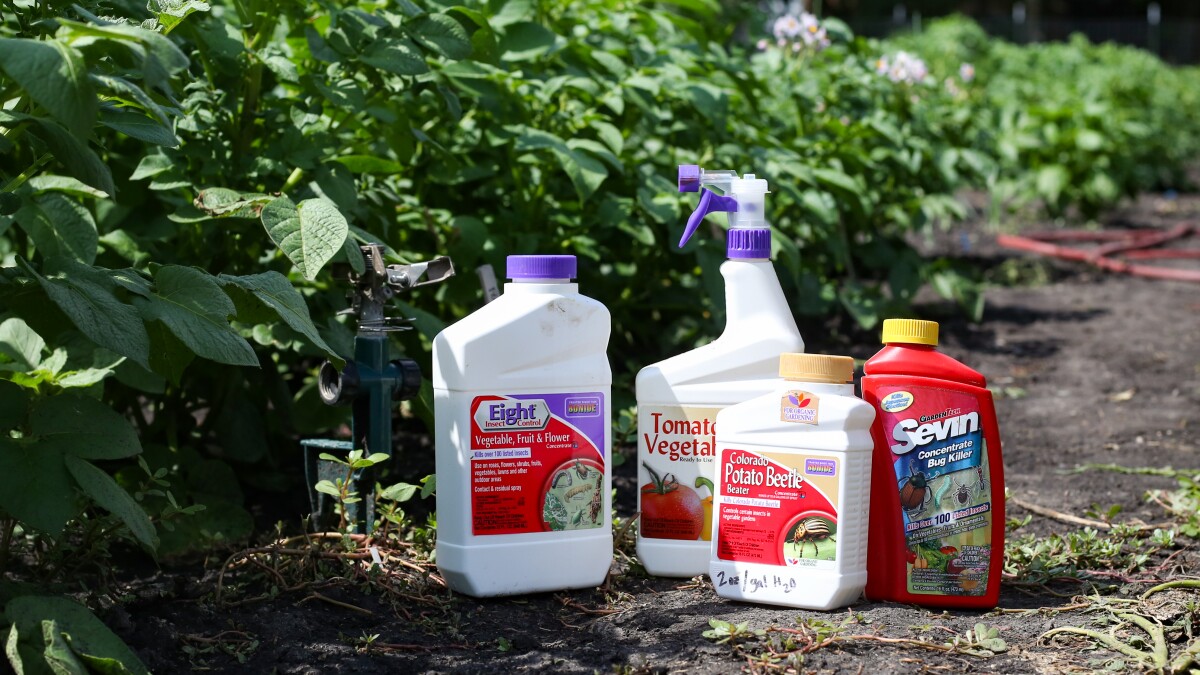
Credit: www.inforum.com
Frequently Asked Questions
What Do Ants Hate The Most In The Garden?
Ants hate vinegar, cinnamon, and citrus peels in the garden. These natural repellents disrupt their scent trails. Peppermint oil and diatomaceous earth also deter them effectively. Regularly using these can keep ants at bay, maintaining a pest-free garden environment.
Is It Good To Have Ants In Your Vegetable Garden?
Ants can benefit your vegetable garden by aerating soil and controlling pests. They disperse seeds and improve pollination. However, too many ants can harm plants by protecting harmful insects like aphids. It’s good to maintain a balanced ant population for a healthy garden ecosystem.
Will Ants Hurt My Tomato Plants?
Ants don’t directly harm tomato plants. They often indicate the presence of aphids, which can damage plants. Controlling aphids helps reduce ant activity. Ants protect aphids for their honeydew, increasing aphid populations. Regularly check plants and use natural pest control methods to prevent aphid infestations and indirectly manage ants.
What Can You Spray On Vegetables For Ants?
Spray a mixture of water and dish soap on vegetables to deter ants. Use neem oil spray for a natural solution. Ensure thorough coverage of leaves and stems. Reapply weekly or after rain for effectiveness. Always rinse vegetables before consumption to ensure safety.
Conclusion
Controlling ants in your vegetable garden is possible with simple steps. Start by keeping your garden clean. Remove fallen fruits and leaves. Consider natural remedies like vinegar or lemon juice. Ants dislike strong smells. Set up barriers using diatomaceous earth or cinnamon.
These can deter ants effectively. Regularly inspect your plants for any signs of ants. Early detection helps manage them better. Encourage helpful insects like ladybugs. They can keep ants in check. Remember, persistence is key. With patience and effort, you can enjoy a healthy, ant-free garden.
Keep nurturing your garden, and stay vigilant.