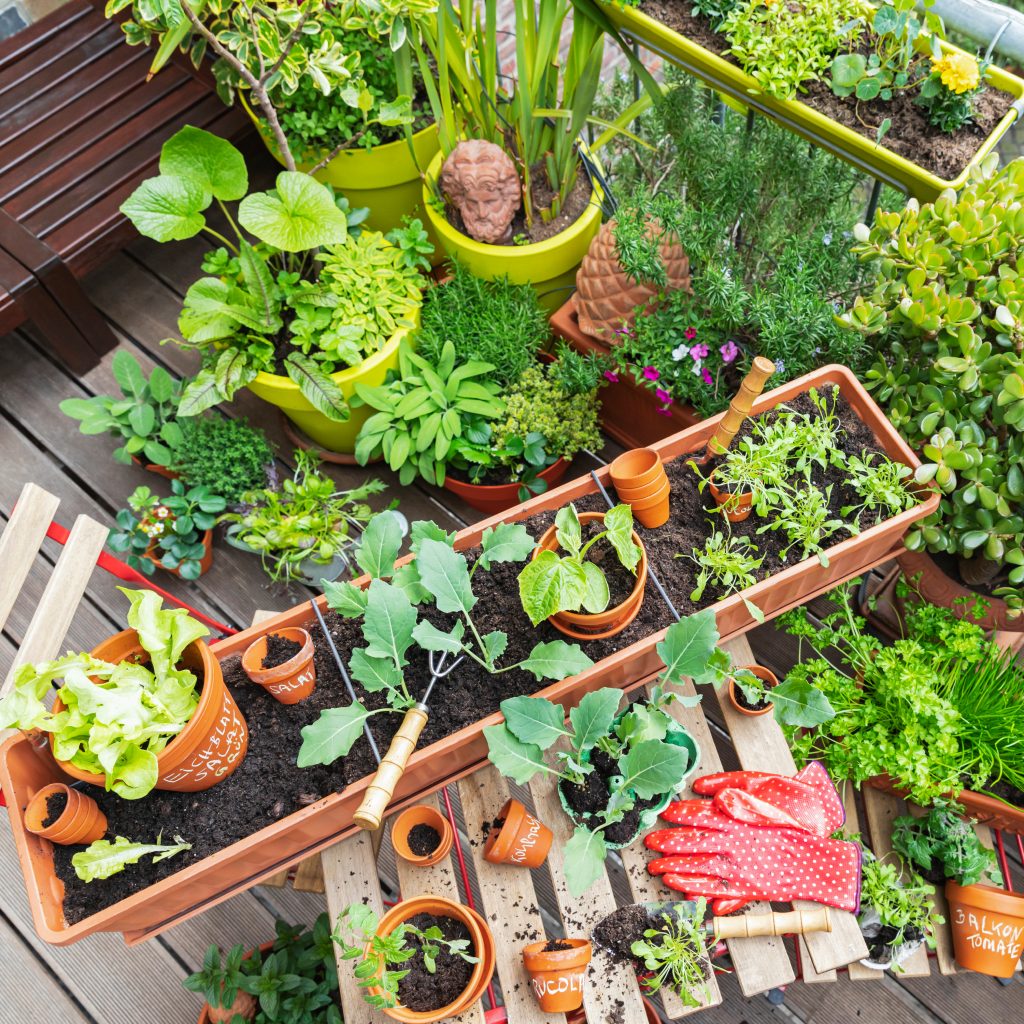
Imagine stepping onto your balcony or porch and plucking fresh tomatoes or crisp lettuce for your salad. Sounds like a dream, right?
With container gardening, it can be your reality. Even if you don’t have a spacious backyard, you can still grow your own vegetables. Container gardening is easy, fun, and perfect for small spaces. In this guide, we’ll show you how to start your own vegetable container garden.
You’ll discover which vegetables grow best in pots, how to care for them, and the secrets to maximizing your harvest. Ready to transform your space into a vibrant, productive garden? Let’s dive in and turn your green-thumb dreams into reality.
Choosing The Right Containers
Choosing the Right Containers Select containers with good drainage for healthy vegetable growth. Ensure they are large enough for root development. Material and size matter for temperature and moisture control.
Choosing the Right Containers Growing vegetables in containers is like giving them a cozy home where they thrive. But how do you ensure they have the perfect environment? The answer lies in selecting the right containers. The choice of container can significantly impact your plant’s growth, productivity, and even the taste of your veggies. Before you dive in, let’s explore some critical aspects.Size And Depth Considerations
Size matters! Vegetables need space for their roots to spread and nutrients to soak in. For instance, tomatoes and peppers prefer larger containers, ideally 5 gallons or more. Depth is equally crucial. Root vegetables like carrots need deeper containers, while leafy greens are content with shallow pots. Check the plant’s requirements and match them with the container size to ensure happy, healthy growth.Material Options
What your container is made of can affect plant health and maintenance. Plastic pots are lightweight and retain moisture well, perfect for arid climates. Clay pots offer breathability, allowing air to circulate and roots to breathe, though they can dry out quickly. Metal containers are durable but may heat up, potentially affecting root health. Choose wisely based on your climate and maintenance preference.Drainage Solutions
Too much water can drown your plants, while too little can leave them parched. Ensuring proper drainage is non-negotiable. Most containers come with drainage holes, but if yours don’t, consider drilling some. Use materials like gravel or broken pottery at the base to enhance drainage. Have you ever battled with wilting plants only to discover poor drainage was the culprit? It’s a common hurdle, but easily avoided with the right setup.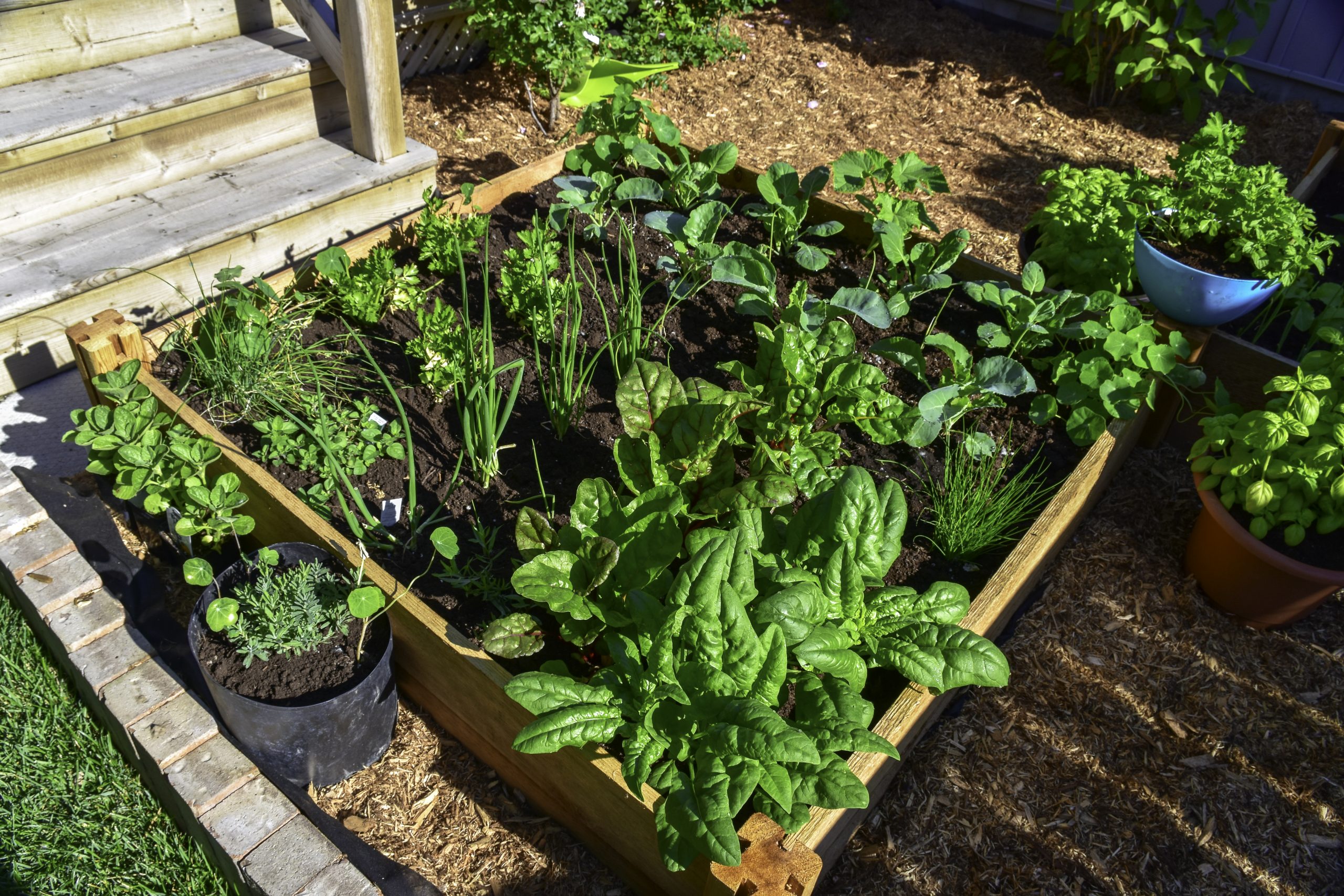
Credit: ryanlawn.com
Selecting Suitable Vegetables
Choosing the right vegetables for container gardening involves selecting varieties that thrive in limited space. Opt for compact, fast-growing plants like cherry tomatoes, lettuce, and radishes. These vegetables adapt well to containers and provide a bountiful harvest in small areas.
Selecting the right vegetables is key in container gardening. Not all vegetables thrive in pots. Choose varieties that adapt well to small spaces. This ensures a bountiful harvest and a rewarding experience.Best Varieties For Containers
Certain vegetables perform exceptionally in containers. Here are some top picks:- Tomatoes: Choose compact varieties like ‘Patio Princess’. They grow well in pots.
- Peppers: ‘Mini Bell’ and ‘Jalapeño’ peppers are great. They flourish in limited space.
- Carrots: Opt for ‘Thumbelina’ or ‘Paris Market’. Their small roots fit well in containers.
- Lettuce: ‘Buttercrunch’ and ‘Red Sails’ are ideal. They grow quickly in shallow pots.
- Radishes: ‘Cherry Belle’ is a fast-growing choice. Perfect for container gardening.
Companion Planting Choices
Companion planting helps maximize space and improve growth. Pairing vegetables strategically benefits your garden.- Tomatoes and Basil: Basil enhances tomato flavor and repels pests.
- Carrots and Onions: Onions deter carrot flies, aiding healthy growth.
- Lettuce and Radishes: Radishes mature fast, making room for growing lettuce.
- Peppers and Marigolds: Marigolds repel nematodes, protecting pepper roots.
Preparing Potting Mix
Creating the right potting mix is crucial for container vegetable gardening. Combine peat moss, compost, and perlite for balanced drainage and nutrients. This mixture ensures healthy growth and productive plants.
Preparing potting mix is a crucial step in container gardening vegetables. The right mix supports healthy root development, retains moisture, and provides essential nutrients. You might wonder how to create a mix that balances all these elements while being cost-effective. Let’s dive into the components that make up a perfect potting mix and how you can create your own at home.Essential Ingredients
A good potting mix is composed of several key ingredients that ensure your plants thrive.- Peat Moss or Coco Coir:These materials retain moisture and provide aeration.
- Perlite or Vermiculite:These minerals improve drainage and keep the mix light.
- Compost:Adds nutrients essential for plant growth.
- Sand or Grit:Enhances drainage, especially for heavier mixes.
Diy Potting Mix Recipe
Creating your own potting mix can be both rewarding and economical. Here’s a simple recipe you can try:| Ingredient | Quantity |
|---|---|
| Peat Moss or Coco Coir | 2 parts |
| Perlite or Vermiculite | 1 part |
| Compost | 1 part |
| Sand or Grit | 1 part |
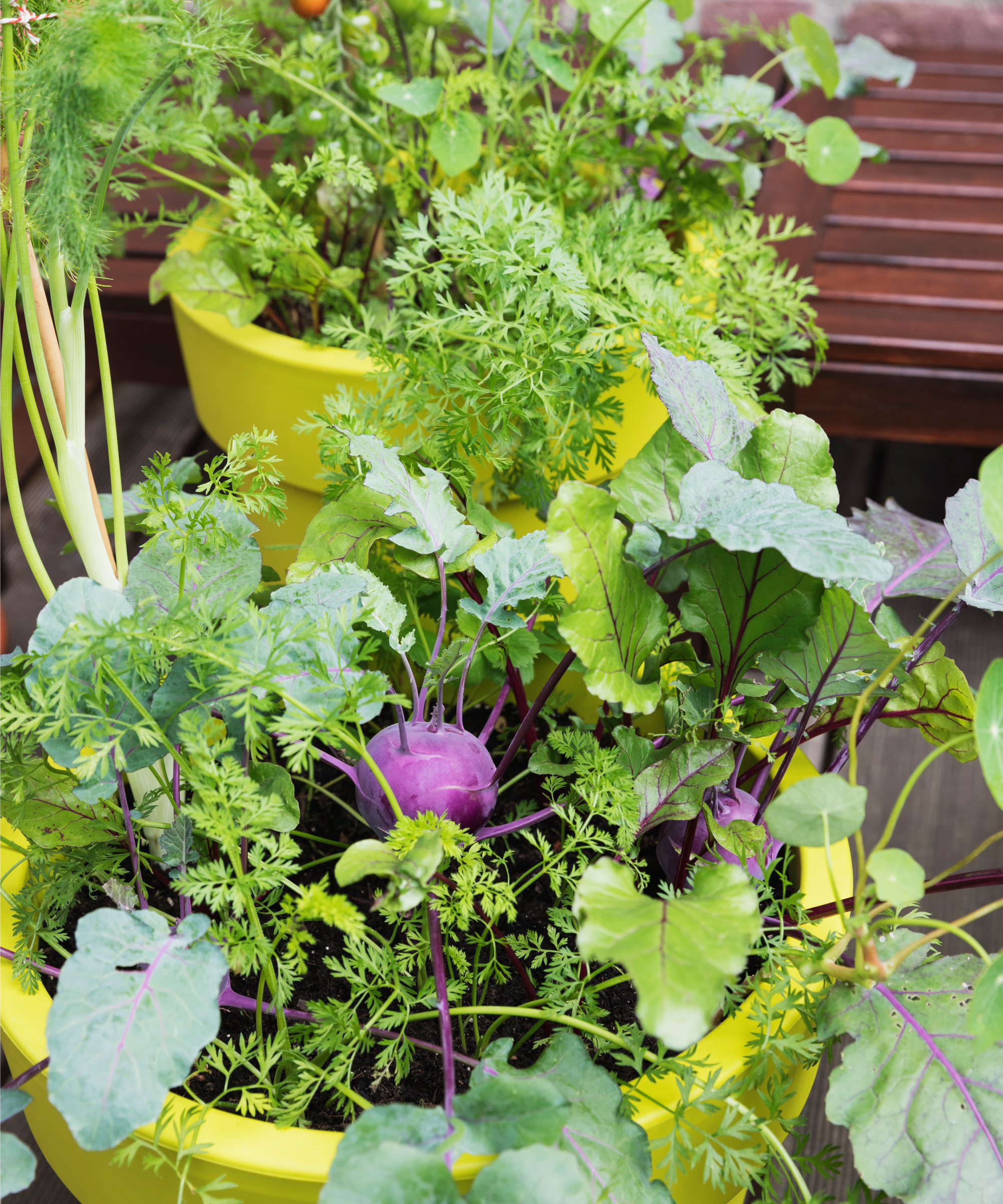
Credit: www.gardeningknowhow.com
Planting Techniques
Container gardening vegetables involves selecting the right containers and soil. Ensure good drainage and suitable sunlight. Regular watering and proper spacing promote healthy growth.
Container gardening is an ideal way to grow vegetables when space is limited. Whether you’re using a balcony, patio, or a small backyard, you can cultivate a thriving vegetable garden. One of the key aspects to successful container gardening is mastering planting techniques. Let’s dive into some practical advice on planting your vegetables with precision for a bountiful harvest.Seed Vs. Seedling Planting
Choosing between seeds and seedlings can impact your gardening experience. Seeds are more economical and offer a wider variety. Plus, watching them sprout can be incredibly rewarding. However, seedlings may save time and are less susceptible to pests and diseases. Consider starting with seeds for fast-growing vegetables like radishes or beans. For those that require a longer growing season, like tomatoes or peppers, seedlings might be the better choice.Spacing And Depth Tips
Proper spacing is crucial for healthy growth. In containers, vegetables need room to spread their roots and access nutrients. It’s tempting to overcrowd, but resist the urge. Use a simple rule: the bigger the plant, the more space it needs. For example, give tomatoes at least 18 inches apart in large containers. Depth is equally important. As a general rule, plant seeds at a depth twice their size. For seedlings, ensure the root ball is covered and stabilized. If you’re unsure, check the seed packet or plant tag for specific instructions. A well-planted vegetable is a happy vegetable, and it will reward you with a plentiful yield. Are your plants thriving, or do they need more room to grow? It’s worth asking yourself to ensure your container garden reaches its full potential.Watering Strategies
Watering is key in container gardening for healthy vegetable growth. Unlike garden beds, containers dry out faster. They need consistent and proper watering.
Frequency And Amount
Watering frequency depends on the plant type and container size. Check soil moisture daily. Insert your finger two inches into the soil. If dry, it’s time to water. Early morning is best to reduce evaporation. This gives plants time to absorb moisture.
Container size affects water retention. Small containers dry out quicker. They may need daily watering. Large containers can hold moisture longer. Water until it drains from the bottom. This ensures roots get enough moisture.
Self-watering Systems
Self-watering containers are helpful for busy gardeners. These systems have a water reservoir at the base. They provide consistent moisture to plant roots. This reduces the need for daily watering checks.
Choose a container with a wick or capillary action. This draws water up from the reservoir. Check water levels weekly. Refill as needed to keep the system working.
Some self-watering systems include a water gauge. This shows when the reservoir needs refilling. It’s a simple way to ensure plants stay hydrated.
Fertilizing Essentials
When you’re nurturing a container garden, fertilizing becomes essential for vibrant and healthy vegetables. Without the right nutrients, your plants might struggle to produce the lush foliage and bountiful harvest you’re hoping for. Understanding the essentials of fertilizing can transform your garden into a thriving oasis, even if you’re working with limited space.
Choosing The Right Fertilizer
Choosing the right fertilizer for your container garden can be a game-changer. You need to consider the specific needs of your vegetables and tailor your choices accordingly. Do your plants need a boost in nitrogen for leafy greens or more phosphorus for flowering and fruiting?
Organic fertilizers, like compost or fish emulsion, can be excellent choices for maintaining a healthy balance. They release nutrients slowly, reducing the risk of over-fertilization. On the other hand, synthetic fertilizers can provide a quick nutrient fix but must be used cautiously to avoid burning your plants.
Reading labels is crucial. Look for balanced fertilizers with numbers like 10-10-10, which indicate equal parts of nitrogen, phosphorus, and potassium. These are often a safe bet for general vegetable gardening.
Application Methods
How you apply fertilizer can significantly impact your container garden’s success. Do you sprinkle it on the soil surface or mix it with water for a liquid feed? Each method has its benefits, and choosing the right one can enhance nutrient uptake.
Liquid fertilizers are ideal for fast absorption, especially when your plants show signs of nutrient deficiency. They’re easy to apply and can be used in conjunction with watering. However, be cautious with frequency to prevent nutrient overload.
If you prefer granular fertilizers, evenly distribute them across the soil surface before watering. This allows the nutrients to seep down, reaching the roots. Remember, moderation is key to avoiding root burn or nutrient leaching.
Consider using slow-release fertilizers, which gradually supply nutrients over time. This method can be particularly beneficial for busy gardeners or those new to fertilizing, ensuring consistent nourishment without constant attention.
Have you tried different fertilizing strategies in your container garden? What worked best for your vegetables? Experimenting can lead to surprising discoveries and a more personalized approach to gardening success.
Sunlight And Placement
Sunlight is crucial for container gardening vegetables. Ensure your plants get at least six hours of direct sunlight daily. Place containers in spots that maximize sun exposure, like patios or balconies.
Sunlight is vital for growing healthy vegetables in containers. Proper placement ensures plants get the light they need. Choosing the right spot can greatly affect growth and yield. Learn about light requirements and how to optimize container placement.Light Requirements For Vegetables
Different vegetables need varying amounts of sunlight. Leafy greens thrive in partial shade. They need about 3-4 hours of sunlight. Root vegetables like carrots need moderate sun. Aim for 4-6 hours daily. Fruiting vegetables like tomatoes need full sun. They require at least 6-8 hours of sunlight. Understanding these needs helps in selecting the right spot.Optimizing Container Placement
Consider your garden’s sun exposure. Place containers where they get adequate light. South-facing areas often receive the most sunlight. Use these for sun-loving plants. East or west-facing spots work for moderate sun needs. Rotate containers for even light distribution. Use movable containers for easy sun adjustment. Ensure plants aren’t shaded by walls or other structures. Keep containers away from competing plants. Optimize placement for healthy, productive growth.Pest And Disease Control
Choose disease-resistant plants for container gardening to reduce pest issues. Regularly check leaves for signs of pests or disease. Use natural remedies like neem oil or insecticidal soap for treatment.
Container gardening offers the joy of growing your own vegetables. But pests and diseases can be a challenge. Managing them ensures healthy plants and a good harvest. Here’s how to keep your container garden thriving.Natural Pest Deterrents
Using natural methods can keep pests away. They’re safe for plants and the environment. Try these simple ideas:- Introduce beneficial insects like ladybugs. They eat harmful pests.
- Sprinkle diatomaceous earth around plant bases. It deters slugs and snails.
- Use neem oil spray. It repels many insects naturally.
- Plant marigolds. They deter nematodes and attract pollinators.
Common Diseases And Solutions
Diseases can harm your plants. Recognizing them early helps. Here’s what to watch for:| Disease | Symptoms | Solutions |
|---|---|---|
| Blight | Dark spots on leaves | Remove affected leaves. Ensure good air circulation. |
| Powdery Mildew | White powder on leaves | Spray with milk and water mix. Prune crowded plants. |
| Root Rot | Yellowing leaves, wilting | Check drainage. Avoid overwatering. |
Pruning And Maintenance
Regular pruning keeps container garden vegetables healthy. Remove dead leaves and branches to improve air circulation and light exposure. Consistent maintenance ensures optimal growth and productivity.
Pruning and maintaining your container garden vegetables is crucial for healthy growth and bountiful yields. Proper care not only promotes better airflow and sunlight penetration but also prevents diseases and pests from taking hold. By dedicating a little time to routine maintenance, you’ll ensure your plants thrive and produce delicious, fresh vegetables.Routine Care Practices
Consistent routines make all the difference in a thriving container garden. Begin by checking your plants daily for any dead or yellowing leaves. Removing these helps prevent disease and keeps your plants focused on producing healthy foliage. Watering is key, but overwatering can be just as harmful as underwatering. Ensure your containers have proper drainage and stick to a regular watering schedule. Use your finger to check soil moisture; if it’s dry an inch deep, it’s time to water. Pruning is another vital practice. Trim back any overcrowded branches to encourage growth and prevent mold. Remember, a well-pruned plant is a happy plant.Signs Of Plant Stress
Being attentive to your plants helps catch stress signs early. If leaves are wilting, it might be a sign of either too much or too little water. Adjust your watering habits and observe changes over a few days. Discoloration, such as yellowing leaves, can indicate a nutrient deficiency. Consider adding a balanced fertilizer to your routine to boost plant health. Pests are another stress signal. Check leaves and stems for any unusual spotting or holes. Regular inspections help catch infestations before they spread. Engage with your plants like you would with a pet or a friend. They communicate their needs in subtle ways. Are you ready to respond to their signals for a flourishing garden?Harvesting Tips
Choose containers with good drainage to avoid waterlogged soil. Select vegetable varieties suited for limited space. Regularly check the soil moisture and adjust watering for optimal growth.
Harvesting your container-grown vegetables is a rewarding experience. It’s the moment you get to enjoy the fruits of your labor, literally. Knowing the right time and method to harvest ensures you get the best flavor and nutritional value from your produce. Let’s dive into some practical tips to make the most of your container garden harvest.Optimal Harvest Times
Timing is everything in harvesting. Picking vegetables at their peak ripeness guarantees the best taste and texture. For tomatoes, look for vibrant color and a slight softness when gently squeezed. Leafy greens like spinach should be harvested when they are young and tender for a sweet taste. Consider the season and weather as they influence ripeness. A cloudy day might slow down the ripening process, so keep an eye on your plants.Proper Harvesting Techniques
Harvesting correctly is crucial to prolong the life of your plants and ensure continued production. Use sharp scissors or pruning shears to avoid damaging the plants. A clean cut helps the plant recover quickly and encourages more growth. When harvesting root vegetables like carrots, loosen the soil gently before pulling them out to avoid breakage. For herbs, snip the top leaves to encourage bushier growth. Think about how you handle your vegetables post-harvest. Immediate cooling can preserve their freshness longer. Are you maximizing your harvest potential by using the best techniques? Maybe it’s time to try something new this season.
Credit: www.youtube.com
Frequently Asked Questions
What Do You Put In The Bottom Of A Vegetable Container?
Place a layer of gravel or small stones at the bottom for drainage. This prevents waterlogging and promotes healthy roots.
What Is The Most Common Mistake Made With Container Plants?
The most common mistake with container plants is overwatering. It leads to root rot and poor plant health. Ensure proper drainage and check soil moisture before watering. Choose containers with drainage holes for optimal growth. Avoid overwatering by monitoring soil conditions and adjusting watering frequency accordingly.
How Many Vegetable Plants Can You Put In A 5 Gallon Bucket?
You can grow one large plant like tomato or pepper in a 5-gallon bucket. For smaller plants like lettuce or spinach, you can fit about three to four per bucket. Ensure proper drainage and use quality potting soil for best results.
What Vegetables Cannot Be Grown In Pots?
Large root vegetables like pumpkins, watermelons, and sweet potatoes struggle in pots due to space constraints. Corn and full-size squash also require more room than containers provide. Proper drainage and soil depth are crucial for successful growth, making these vegetables unsuitable for pot cultivation.
Conclusion
Growing vegetables in containers is practical and rewarding. Small spaces work too. Urban settings or balconies can host your garden. Container gardening is flexible. Choose the right pot and soil. Regular watering is crucial. Sunlight matters. Rotate pots for even growth.
Watch your plants thrive. Fresh, home-grown vegetables taste great. Share with friends and family. Gardening is a joy for everyone. Start your container garden today. Enjoy the beauty and bounty it brings. Happy gardening!


