Are you constantly wondering how often you should water your garden to keep it thriving? You’re not alone.
Finding the perfect balance between too much and too little can feel like a never-ending puzzle. Watering your garden is an art and a science, and getting it right is crucial to the health of your plants. Too much water can drown them, while too little can leave them parched.
But what if there was a simple way to ensure your garden gets exactly what it needs? We’ll unravel the mystery and provide you with clear, actionable advice. Keep reading to discover how to transform your garden into a lush, vibrant paradise by mastering the art of watering.

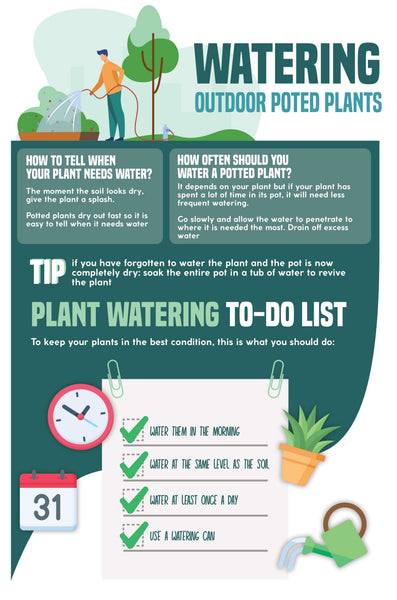
Credit: www.rasnetwork.org
Factors Influencing Watering Frequency
Understanding the factors influencing watering frequency is crucial. Soil type, climate, and plant species all impact how often you should water your garden. Adjust watering schedules based on weather changes to maintain healthy plants.
Watering the garden isn’t a one-size-fits-all task. The frequency depends on several factors. Understanding these will help you provide the right amount of water.Climate Conditions
The local climate plays a major role. In hot areas, gardens need more water. If it’s cooler, they require less. Rainfall also affects watering. Regular rain means less manual watering is needed.Soil Type
Different soils retain water differently. Sandy soil dries quickly, needing more frequent watering. Clay soil holds moisture longer, reducing the need. Loamy soil balances between these two types.Plant Species
Plants have varying water needs. Some thrive with little water, others require more. Knowing your plant types helps in setting a watering schedule. Succulents, for example, need less water.Seasonal Changes
Seasons impact watering frequency. Summer heat demands more water. In winter, plants may need less. Spring and fall can vary depending on local conditions. Adjust watering to suit the season.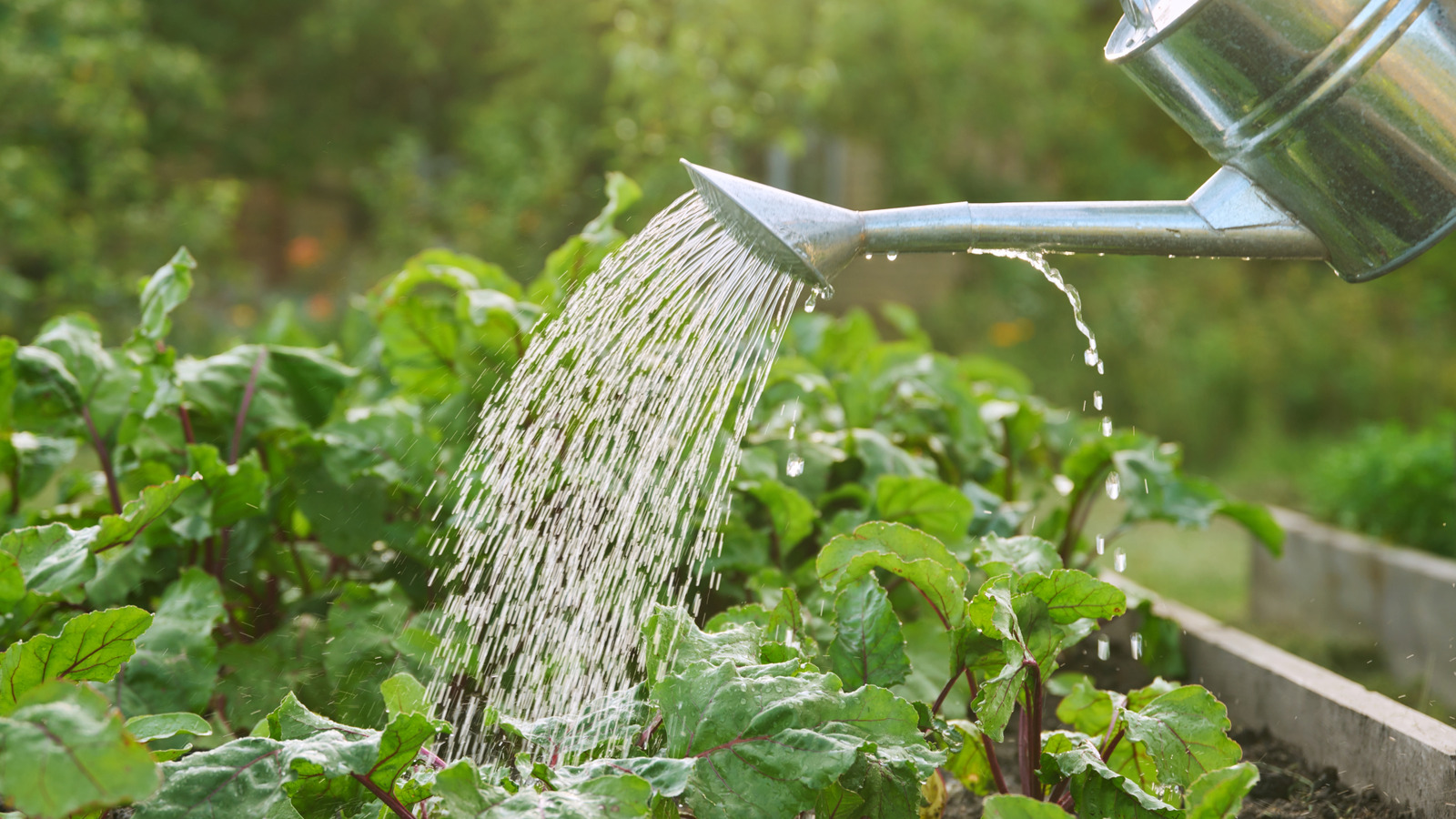
Credit: www.chowhound.com
Signs Your Garden Needs Water
Understanding the signs your garden needs water is crucial for healthy plants. Observing these signs can help maintain a thriving garden. Let’s explore the indicators your garden might be thirsty.
Wilting Leaves
Wilting leaves are a common sign of water stress. Leaves droop and lose their firmness when plants lack moisture. Check for leaves that appear lifeless or limp. This can indicate your garden needs a good drink.
Dry Soil
Dry soil is another clear indicator. Push your finger into the soil around the plants. If it feels dry or crumbly, it’s time to water your garden. Moist soil should feel cool and slightly damp.
Slow Plant Growth
Slow plant growth suggests inadequate watering. Plants need water to carry nutrients. Observe if your plants seem stunted or aren’t growing as expected. Providing sufficient water can boost their growth.
Best Times For Watering
Best Times for Watering Water the garden early in the morning or late afternoon. These times help prevent evaporation. Aim to water deeply once a week. This encourages strong roots and healthy plants. Avoid midday watering to prevent plant stress.
The timing of watering your garden impacts its health significantly. Watering at the right times helps plants absorb moisture effectively. It prevents diseases and promotes growth. Timing can also save water. Below are the ideal times to water your garden.Morning Watering
Morning is often the best time to water. Early watering helps plants absorb moisture before the sun rises. It reduces evaporation, ensuring that plants get the needed water. Morning watering allows leaves to dry during the day. This prevents fungal diseases, which thrive on wet leaves. This time also refreshes plants after a night of rest.Evening Watering
Evening watering can be effective, especially in hot climates. When the sun sets, temperatures drop. This reduces evaporation and keeps soil moist longer. Evening watering prepares plants for the cooler night. It helps them store moisture needed for the next day. However, avoid watering too late. Wet leaves overnight can encourage diseases. Aim for early evening for the best results.Watering Techniques
Watering your garden is essential for healthy plants. The technique you choose can impact plant growth. Different methods suit different garden types and sizes. Let’s explore the most common watering techniques.
Drip Irrigation
Drip irrigation delivers water directly to plant roots. It reduces water wastage and ensures deep root hydration. This technique is ideal for conserving water. It also prevents leaf diseases by keeping foliage dry.
Sprinkler Systems
Sprinkler systems mimic natural rainfall. They cover large areas efficiently. This method is suitable for lawns and wide garden spaces. Adjust sprinkler heads to control water flow. Proper setup prevents water runoff.
Hand Watering
Hand watering offers control over water application. It’s perfect for small gardens or potted plants. Use a watering can or hose with a spray nozzle. This method lets you water specific plants as needed.
Avoiding Overwatering
Watering your garden is essential, but overwatering can harm plants. Too much water drowns roots and causes disease. Understanding how to avoid overwatering helps maintain healthy plants. This section focuses on recognizing signs of overwatering and its impact on plant health.
Recognizing Overwatering Signs
Overwatering shows clear signs. Leaves may turn yellow or wilt. Soil may stay wet for days, not drying out. Mold or algae can grow on soil surfaces. Roots might start rotting, which smells unpleasant. If you notice these signs, reduce watering immediately.
Impact On Plant Health
Overwatering affects plant health negatively. Roots need oxygen to breathe. Waterlogged soil cuts off oxygen supply. This can lead to root rot, damaging the plant. Overwatered plants become weak and susceptible to diseases. They may also grow slower or stop growing altogether. Maintaining proper watering keeps plants strong and vibrant.
Water Conservation Tips
Watering your garden efficiently is not just about keeping your plants healthy; it’s also about conserving this precious resource. With increasing concerns over water scarcity, adopting smart watering practices can make a significant difference. Here are some practical tips to help you conserve water while ensuring your garden thrives.
Mulching Benefits
Mulching is a fantastic way to retain soil moisture, reduce evaporation, and minimize the need for frequent watering. By covering the soil with organic or inorganic materials, you create a protective layer that shields the ground from direct sunlight.
- Organic mulches, like straw or wood chips, not only conserve water but also enrich the soil as they decompose.
- Inorganic mulches, like gravel or stones, are great for areas prone to heavy rainfall, helping prevent soil erosion.
Have you ever tried mulching your garden? You might find your plants look fresher, even with less frequent watering.
Rainwater Harvesting
Rainwater harvesting is an excellent method to utilize free water from the sky. Installing rain barrels can help collect rainwater during downpours, which can then be used for watering your garden.
- Place barrels under your gutters to capture runoff efficiently.
- Ensure lids are secure to prevent mosquito breeding.
Imagine watering your garden without increasing your water bill. Have you considered how much rainwater you could collect during a single storm?
Expert Recommendations
Understanding how often to water your garden can be tricky. Expert recommendations help guide you through the process. By consulting local experts and customizing watering schedules, you can ensure optimal growth for your plants. Let’s explore how these strategies can be applied effectively.
Consulting With Local Experts
Local gardening experts know the regional climate well. They understand which plants need more or less water. Visiting a local nursery is a great way to get expert advice. You can ask questions specific to your garden. This helps tailor your watering routine to fit local conditions.
Customizing Watering Schedules
Every garden is unique. Different plants have different water needs. Customize your watering schedule based on plant type, soil, and weather. Check soil moisture regularly to decide when to water. Automated systems can help maintain consistent watering. Adjust settings based on the season and plant growth.

Credit: www.instagram.com
Frequently Asked Questions
Do You Need To Water The Garden Every Day?
Watering daily is unnecessary for most gardens. Factors like climate, soil type, and plant species determine frequency. Check soil moisture before watering. Aim for deep watering once or twice a week. Adjust according to weather conditions to prevent overwatering or underwatering.
Always observe plant health for best results.
Can A Garden Go 3 Days Without Water?
Yes, many gardens can survive 3 days without water. Plant types and weather conditions play a role. Drought-tolerant plants fare better. Moisture-retaining soil helps. Regular watering ensures optimal growth.
What Are The Three Rules Of Watering?
Water deeply to reach roots, water early morning to reduce evaporation, and avoid overwatering to prevent root rot.
Can You Overwater A Garden?
Yes, overwatering a garden can harm plants. Excess water leads to root rot and nutrient deficiencies. Ensure proper drainage to prevent waterlogging. Check soil moisture before watering. Balanced watering encourages healthy growth and strong roots. Adjust watering frequency based on weather and plant type for optimal results.
Conclusion
Watering the garden requires balance and attention. Every plant needs different care. Check soil moisture regularly. Adjust watering based on weather and season. Dry days demand more water; wet days need less. Morning or evening are the best times. This prevents evaporation and waste.
Observe your plants for signs of thirst or excess. Droopy leaves? They need water. Yellow leaves? Too much water. With time, you’ll find the right rhythm. A well-watered garden thrives beautifully. Happy gardening!


