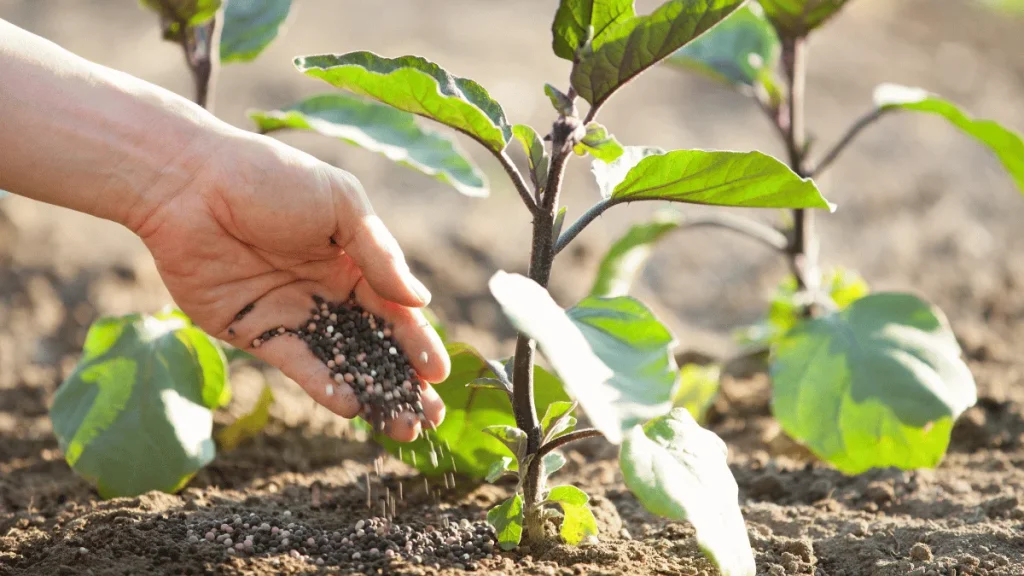
Have you ever wondered how often you should fertilize your vegetable garden for lush and productive growth? You’re not alone.
Many home gardeners grapple with finding the right balance between under-fertilization and over-fertilization. The truth is, knowing exactly when and how much to feed your plants can make a world of difference in your harvest. Imagine biting into a fresh, juicy tomato or crisp lettuce that you’ve nurtured from seed to table.
Fertilization plays a crucial role in achieving that dream. As you read on, you’ll discover simple, actionable steps to ensure your garden flourishes without the guesswork. Whether you’re a seasoned gardener or just starting, this guide will help you unlock the secrets to a thriving vegetable garden. Dive in and transform your gardening experience into a fruitful adventure.
Credit: gardenappli.com
Understanding Plant Nutrient Needs
Understanding the nutrient needs of your vegetable garden is crucial. Plants, like humans, require essential nutrients to thrive. Knowing what your vegetables need ensures a bountiful harvest. This section explores the basics of plant nutrition.
Essential Nutrients For Vegetables
Vegetables need a balanced diet of nutrients. The primary ones are nitrogen, phosphorus, and potassium. These are often referred to as N-P-K, found on fertilizer labels.
- Nitrogen (N):Promotes leafy growth. Crucial for green vegetables like spinach.
- Phosphorus (P):Supports root development and flowering. Important for root crops.
- Potassium (K):Helps with overall plant health. Essential for disease resistance.
Other important nutrients include calcium, magnesium, and sulfur. These are secondary but still vital.
Signs Of Nutrient Deficiency
Plants exhibit signs when lacking nutrients. Yellowing leaves often indicate nitrogen deficiency. Purple leaves can mean a lack of phosphorus.
If leaf edges turn brown, potassium might be insufficient. Stunted growth can signal any nutrient deficiency.
Regularly inspect your plants. Early detection helps prevent major issues.

Credit: www.rasnetwork.org
Types Of Fertilizers
Fertilizing your vegetable garden can be a game changer for healthy growth and abundant harvests. However, the type of fertilizer you choose plays a crucial role in the effectiveness of this process. With so many options available, understanding their differences can greatly impact your garden’s success. Let’s explore the various types of fertilizers and see which suits your garden best.
Organic Vs. Synthetic
Organic fertilizers come from natural sources such as compost, manure, and bone meal. They enrich the soil by adding nutrients gradually and improving soil structure. This slow nutrient release can be advantageous for long-term soil health.
On the other hand, synthetic fertilizers are chemically manufactured and provide immediate nutrient availability to plants. While they can offer quick results, they may not improve soil quality over time like organic options. Do you prefer rapid growth or a sustainable, long-term approach?
Slow-release And Liquid Options
Slow-release fertilizers are designed to gradually supply nutrients over weeks or months, making them a great choice for low-maintenance gardening. They reduce the frequency of application, saving you time while ensuring consistent nourishment for your plants.
Liquid fertilizers, in contrast, are fast-acting and ideal for addressing immediate nutrient deficiencies. They penetrate the soil quickly and can be applied directly to leaves for rapid absorption. If you notice your plants looking a bit lackluster, liquid options might be your best bet.
Seasonal Fertilization Strategies
Understanding the right seasonal fertilization strategies can make all the difference in the health and productivity of your vegetable garden. Each season brings its unique demands, and knowing when and how to fertilize can help your garden thrive. Whether you’re planting for the first time or maintaining a well-established garden, aligning your fertilization practices with the seasons ensures robust growth and bountiful harvests. Let’s dive into the specific needs of spring, summer, and fall to optimize your fertilization routine.
Spring Planting Needs
Spring is a time of renewal and fresh starts in the garden. As you prepare to plant, focus on enriching the soil to support new growth. Before sowing seeds or transplanting seedlings, consider adding a balanced fertilizer to give your plants the nutrients they need from the get-go.
Look for fertilizers high in nitrogen, which promotes leafy growth. You might notice your garden beds looking a bit barren after winter; this is your cue to add organic matter like compost or manure. These not only provide nutrients but also improve soil texture.
Ask yourself: is the soil ready to nurture new life? Testing your soil can reveal nutrient deficiencies that spring fertilization can address. This proactive step sets the stage for a thriving garden season.
Summer Growth Boost
Summer is all about rapid growth and developing fruits and vegetables. Your plants are working hard, and they need a boost to keep up the pace. This is where targeted fertilization can play a critical role.
Consider using a fertilizer rich in potassium and phosphorus during the summer months. These elements enhance root strength and fruit production. Regularly check your plants for signs of nutrient stress, such as yellowing leaves or stunted growth, and address these with a quick nutrient fix.
Remember, watering and fertilizing go hand in hand. Fertilizer can burn plants if applied to dry soil, so ensure your garden is well-watered before adding nutrients.
Fall Maintenance
As the gardening season winds down, fall maintenance is crucial to prepare for future planting. While growth slows, maintaining nutrient levels in the soil helps protect your plants as they transition to dormancy.
Focus on adding organic fertilizers to enrich the soil and improve its structure. This is the time to think about the long-term health of your garden beds. Consider incorporating cover crops to naturally replenish nitrogen levels.
Reflect on this: how can you ensure your soil stays fertile through the colder months? By investing in fall fertilization, you set a solid foundation for the next planting season, ensuring your garden remains vibrant year-round.
Frequency Of Fertilization
The frequency of fertilization is crucial for a thriving vegetable garden. Plants need nutrients to grow, and fertilizing provides these essential elements. Knowing when to fertilize can make a big difference in your garden’s health and yield. Regular fertilization supports strong, healthy plant growth and helps prevent nutrient deficiencies.
Weekly Vs. Monthly Applications
Weekly fertilization offers consistent nutrient supply. It’s ideal for fast-growing vegetables like tomatoes and cucumbers. These plants benefit from regular nutrient boosts. Choose a balanced liquid fertilizer for weekly use. It ensures steady growth and prevents nutrient depletion.
Monthly applications suit slower-growing plants. Vegetables like carrots and potatoes require less frequent feeding. A granular fertilizer is perfect for monthly use. It releases nutrients slowly, matching the plant’s growth pace.
Adjusting Based On Growth Stages
Plants have different needs at various stages. Seedlings often need less fertilizer. Too much can harm young plants. Use a diluted solution for seedlings to avoid damage.
Mature plants may need more nutrients. They are actively producing flowers and fruits. Increase fertilization during the flowering stage. This supports fruit development and overall health.
Consider the plant’s growth cycle. Adjust fertilization based on its current stage. Tailor the approach for optimal results.
Soil Testing And Analysis
Regular soil testing ensures optimal fertilization for a vegetable garden. Analyze soil every 2-3 years to adjust nutrient levels effectively.
Testing and analyzing your soil is a crucial step in ensuring your vegetable garden thrives. By understanding what your soil needs, you can provide the exact nutrients required for optimal plant growth. This not only boosts your garden’s productivity but also saves you from wasting resources on unnecessary fertilizers.Importance Of Soil Testing
Soil testing is like getting a health checkup for your garden. It reveals the nutrient levels and pH balance, helping you understand what your plants are absorbing. Without this knowledge, you could be over-fertilizing or missing out on key nutrients, which can hinder your garden’s growth. Think about it: How often have you added fertilizer without knowing if your soil actually needed it? Testing takes the guesswork out and provides a clear path forward.Interpreting Soil Test Results
Once you have your soil test results, the next step is understanding them. Look for key indicators like nitrogen, phosphorus, potassium, and pH levels. These are critical for plant health. A common question gardeners have is: What do these numbers mean for my garden? A high pH might suggest the soil is too alkaline, while low nitrogen levels could point to a need for more organic matter. Consider creating a small table to track your soil’s progress over time. This can help you adjust your fertilization schedule and ensure your vegetables receive the nutrients they need. By keeping an eye on these numbers, you can make informed decisions and enjoy a more bountiful harvest.Common Mistakes In Fertilization
Fertilizing a vegetable garden is essential for healthy plant growth. Yet, many gardeners make common mistakes in fertilization that can hinder their garden’s success. Understanding these pitfalls can save time and boost vegetable yield.
Over-fertilization Risks
Applying too much fertilizer can harm plants. Excess nutrients can lead to nutrient burn, where leaves turn yellow or brown. Over-fertilized soil can affect water absorption, making plants more susceptible to diseases.
Too many fertilizers can also damage beneficial soil organisms. These microorganisms help break down organic matter, providing nutrients naturally. Disrupting this balance can lead to poor soil health.
Ignoring Soil Health
Soil health is vital for thriving plants. Many gardeners overlook the importance of soil testing before fertilization. Testing reveals nutrient levels and guides proper fertilization strategies.
Ignoring soil health can lead to nutrient imbalances. Some nutrients may be abundant, while others are lacking. This imbalance can stunt plant growth and reduce yields.
Healthy soil promotes better root development. Well-aerated, nutrient-rich soil allows roots to absorb water and nutrients efficiently, supporting robust vegetable growth.
Tips For Successful Fertilization
Fertilizing your vegetable garden is crucial for healthy growth. Successful fertilization ensures plants receive essential nutrients. Understanding the right techniques and timing can make a big difference.
Timing And Application Techniques
Apply fertilizer at the right times for best results. Early spring is ideal for most vegetables. Choose a calm day to minimize fertilizer drift. Water the garden after fertilizing to help nutrients absorb. Use slow-release fertilizers for prolonged nutrient supply. Avoid over-fertilizing; it can harm plants.
Integrating Compost And Mulch
Compost enriches soil naturally. Add it before planting for improved nutrient content. Spread mulch around plants to retain moisture. Mulch reduces weed growth and protects roots. Organic mulch breaks down over time, adding nutrients to the soil. Keep mulch away from plant stems to prevent rot.

Credit: www.rasnetwork.org
Frequently Asked Questions
Is It Necessary To Fertilize A Vegetable Garden?
Fertilizing a vegetable garden boosts plant growth and improves yield. Nutrients replenish the soil, ensuring healthy crops. Choose organic or synthetic fertilizers based on your garden’s needs. Regular fertilization enhances nutrient availability, resulting in vibrant, productive plants. Remember, balanced fertilization is key for optimum vegetable growth.
Should I Fertilize My Vegetable Garden In The Fall?
Yes, fertilizing in fall boosts soil nutrients for spring planting. Use organic compost or slow-release fertilizers. These enrich soil health and improve future crop yield. Avoid synthetic fertilizers as they may leach during winter rains. Proper fall fertilization ensures a productive vegetable garden next growing season.
How Often Should I Fertilize Tomatoes In A Raised Bed?
Fertilize tomatoes in raised beds every 4-6 weeks during the growing season. Use a balanced, slow-release fertilizer. Adjust frequency based on plant growth and soil conditions. Regular feeding ensures healthy plants and abundant fruit. Always follow package instructions for optimal results.
When Should I Apply 10-10-10 Fertilizer To My Vegetable Garden?
Apply 10-10-10 fertilizer in early spring when preparing soil for planting. Use again mid-season for growth boost. Ensure correct application rates to avoid over-fertilization.
Conclusion
Regular fertilizing helps plants grow strong and healthy. Understand your soil needs before choosing a fertilizer. Follow the recommended schedule for applying nutrients. Pay attention to your plants’ growth and appearance. Adjust frequency based on weather and soil conditions. Consistent care prevents nutrient deficiencies.
Healthy vegetables result from balanced nourishment. Avoid over-fertilizing, which may harm plants. Use natural options for a safer garden environment. A little effort leads to a fruitful harvest. Keep learning and observing your garden’s unique needs. Happy gardening and enjoy your fresh, homegrown produce!


