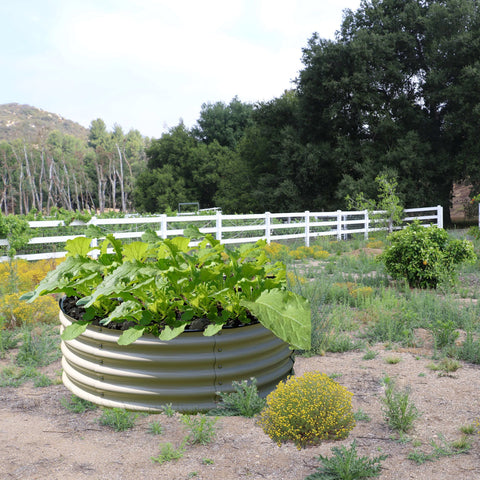
Are you planning to transform your backyard into a lush oasis with a raised garden bed but unsure of how much soil you’ll need? You’re not alone.
Many garden enthusiasts find themselves puzzled by this question. Getting the right amount of soil is crucial for the success of your plants and the overall health of your garden. Too little soil, and your plants may struggle to root deeply; too much, and you might end up wasting resources and money.
This article is designed to guide you through the process with ease. Stick around to discover the simple formula that will take the guesswork out of your gardening project and ensure your raised bed flourishes. Your dream garden is just a few steps away!

Credit: www.instagram.com
Benefits Of Raised Garden Beds
Determining the right amount of soil is essential for a productive raised garden bed. Proper soil depth promotes healthy root growth and efficient water drainage. This setup enhances plant yield and makes gardening more manageable.
Raised garden beds offer a multitude of benefits for both novice and experienced gardeners. They provide a convenient and efficient way to grow plants, making gardening more accessible and enjoyable. Whether you’re dealing with limited space or challenging soil conditions, raised beds can be your solution to a thriving garden.Enhanced Soil Quality
Raised garden beds allow you to control the quality of your soil, ensuring optimal conditions for plant growth. By filling your bed with a customized soil mix, you can provide the perfect balance of nutrients and drainage. This means healthier plants and better yields, without the hassle of amending poor native soil.Improved Drainage
One of the standout benefits of raised garden beds is improved drainage. Waterlogged soil can be a nightmare for plants, but raised beds allow excess water to drain away easily. This minimizes the risk of root rot and other moisture-related issues, giving your plants a better chance to thrive.Pest And Weed Control
Raised beds can help reduce the presence of pests and weeds, making your gardening tasks more manageable. The elevated design acts as a barrier against common garden pests like slugs and snails. Additionally, the defined borders of raised beds make it easier to spot and remove weeds before they become a problem.Accessibility And Comfort
Gardening in raised beds can be easier on your back and knees. You don’t have to bend as low to tend to your plants, making it an excellent option for those with mobility issues. Imagine spending more time enjoying your garden rather than struggling with discomfort.Extended Growing Season
Raised beds can warm up faster in the spring compared to traditional in-ground gardens. This means you can start planting earlier and potentially extend your growing season. Have you ever wanted to experiment with a fall crop? Raised beds can make it possible.Versatile Design Options
Raised beds come in a variety of shapes and sizes, allowing you to tailor your garden space to fit your needs. Whether you prefer a compact urban garden or a sprawling backyard oasis, there’s a raised bed design that suits your vision. The flexibility in design also means you can maximize your gardening space efficiently.Determining Soil Quantity
Calculating soil quantity for a raised garden bed involves measuring length, width, and depth. Multiply these dimensions to find the total cubic feet needed. This ensures your plants have enough soil to thrive.
Determining the right amount of soil for a raised garden bed is vital. Proper soil quantity ensures healthy plant growth and root development. Calculating the soil volume and considering the plant needs are key factors. This section guides you through these steps.Calculating Volume
Start by measuring the garden bed dimensions. You’ll need the length, width, and height. Use the formula: Length x Width x Height. Convert measurements to feet for consistency. This gives the volume in cubic feet. Remember, one cubic yard equals 27 cubic feet. Use this to calculate total soil needed.Considering Plant Needs
Different plants have unique soil requirements. Deep-rooted plants need more soil. Shallow-rooted plants require less. Check plant labels for specific depth needs. Ensure your soil depth matches these needs. This promotes healthy growth and yields. Adjust soil type based on plant preferences. Some plants prefer sandy soil, others clay. Tailor your soil mixture to support plant health.Types Of Soil For Raised Beds
Choosing the right soil is crucial for raised garden beds. Consider a mix of loamy, sandy, and clay soil for optimal growth. Each type supports different plant needs and ensures healthy root development.
Types of soil for raised beds can make or break your gardening success. Choosing the right soil mix ensures plants get the nutrients and drainage they need. Different soil types bring unique benefits to your raised garden bed, so understanding them is crucial.Topsoil Vs. Garden Soil
Topsoil is the upper layer of soil, rich in organic material. It provides a basic foundation for plants. Garden soil, on the other hand, is a blend of topsoil and organic matter. It offers better nutrition and drainage. Garden soil is preferred for raised beds due to its enhanced qualities.Compost And Organic Matter
Compost enriches soil with nutrients and improves its structure. It promotes plant growth and health. Organic matter, like leaves and grass clippings, boosts soil fertility. Adding compost creates a nutrient-rich environment, perfect for vegetables and flowers.Sand And Perlite Additions
Sand improves drainage and prevents soil compaction. It helps roots breathe and grow. Perlite is a lightweight additive that enhances aeration and drainage. It prevents soil from becoming too dense. Both sand and perlite ensure your soil remains loose and well-drained. Choosing the right mix makes all the difference in a raised garden bed.Layering Techniques
Layering techniques determine soil depth in raised garden beds. Typically, beds need 12-18 inches of soil for optimal plant growth. Use layers of compost, topsoil, and organic matter for rich, nutrient-filled beds.
Creating a thriving raised garden bed involves more than just filling it with soil. Layering techniques play a crucial role in ensuring optimal soil health and plant growth. Each layer has its unique purpose and composition, contributing to nutrient availability, drainage, and root development. Let’s dig into the essentials of layering your raised garden bed effectively.Base Layer Considerations
The base layer is the foundation of your raised garden bed. It’s vital for providing good drainage and preventing water logging. Consider using coarse materials like crushed stone, gravel, or even small branches to form a solid base. These materials allow excess water to escape and keep the soil from becoming too compacted. You might wonder how much base layer is enough. Typically, a depth of 3 to 6 inches is sufficient. This ensures effective drainage without taking up too much of your valuable planting space.Middle Layer Options
The middle layer acts as the reservoir of nutrients. Organic materials, such as compost, aged manure, or decayed leaves, are ideal choices. They break down over time, enriching the soil with vital nutrients and enhancing its structure. I once experimented with a mix of shredded leaves and kitchen scraps. The decomposition not only boosted plant growth but also attracted beneficial earthworms. Have you considered what organic resources you have at your disposal? Keep this layer between 6 to 12 inches deep to provide ample room for nutrient storage and root expansion.Top Layer Essentials
The top layer is where your plants will interact the most. It should be rich, loamy soil that’s easy for roots to penetrate. A balanced mix of topsoil and well-rotted compost ensures that your plants have immediate access to nutrients. Aim for a depth of at least 6 inches, which will accommodate most vegetable roots. If you’re growing deeper-rooted plants, consider increasing this layer’s depth accordingly. Regularly refreshing the top layer with fresh compost or mulch can keep the soil fertile and reduce weed growth. How often do you replenish your soil to maintain its vitality? By carefully considering each layer, you can create a productive environment that supports healthy, thriving plants. What might you change in your garden bed setup to optimize for growth this season?Soil Maintenance Tips
Determining the right amount of soil for a raised garden bed ensures healthy plant growth. Calculate the volume by measuring the bed’s length, width, and depth. Fill the bed with nutrient-rich soil, leaving space for water and air circulation.
Soil maintenance is the backbone of a thriving raised garden bed. Proper upkeep ensures that your plants receive the nutrients they need to grow robustly. A well-maintained soil can make the difference between a mediocre harvest and a bountiful one. Dive into these practical tips to maintain the health and productivity of your raised garden bed soil.Regular Testing
Understanding your soil’s current condition is crucial. Regular soil testing helps identify nutrient deficiencies or pH imbalances. Consider purchasing a simple home testing kit or sending samples to a local extension service. Testing empowers you to make informed decisions about amendments. Seasonal testing can prevent nutrient lockout and ensure that your plants are thriving. How often do you check the health of your soil?Nutrient Management
Once you know your soil’s needs, it’s time to manage nutrients effectively. Organic compost is a fantastic addition to enrich soil naturally. It not only boosts nutrients but also improves soil structure. Consider using slow-release fertilizers for a steady nutrient supply. Balance is key; over-fertilizing can harm plants just as much as neglect. Have you ever noticed how vibrant your plants become with the right nutrient balance?Weed And Pest Control
Weeds and pests can quickly become a gardener’s nightmare. Regularly inspect your garden bed for unwanted visitors. Hand-pulling weeds is effective and prevents them from competing for nutrients. Natural pest deterrents like neem oil or companion planting can protect your crops. Engaging in proactive pest management can save you a lot of trouble down the road. What strategies do you use to keep your garden pest-free?
Credit: migardener.com
Common Mistakes To Avoid
Creating a thriving raised garden bed involves more than just tossing in soil and seeds. Many gardeners, especially beginners, make common mistakes that can hinder the growth and productivity of their plants. Understanding these pitfalls ensures your garden flourishes rather than flounders. Let’s dive into some frequent missteps that can be easily avoided.
Overfilling Issues
It’s tempting to pack your raised garden bed to the brim with soil, thinking more is better. However, overfilling can lead to a lack of airflow and root space. Plants need space to breathe and expand their roots comfortably.
Consider using a mixture of soil and compost, leaving a few inches from the top to allow for water absorption and air circulation. This approach prevents the soil from spilling over and keeps your garden tidy.
Ignoring Soil Compaction
Compacted soil is a silent garden killer. When soil is too dense, roots struggle to grow, and water cannot penetrate effectively. You might end up with stunted plants and dry patches.
Regularly aerate your soil using a garden fork or tiller, especially after heavy rains. Adding organic matter such as compost or peat moss can also improve soil structure, enhancing both drainage and root growth.
Neglecting Drainage Needs
Proper drainage is vital for a healthy garden bed. Without it, roots can drown, leading to rot and disease. It’s easy to overlook drainage, but your plants will thank you for paying attention.
Ensure your bed has drainage holes or is slightly elevated. If water pools on the surface, consider mixing in materials like sand or gravel to increase permeability. Observe your garden after watering to ensure excess water escapes efficiently.
Tools For Soil Preparation
Determining soil quantity for a raised garden bed involves calculating its dimensions. Fill the bed with a mix of topsoil, compost, and organic materials. This ensures healthy plant growth and adequate drainage. Proper soil preparation tools help achieve the right texture and nutrient balance.
Preparing soil for a raised garden bed requires the right tools. These tools ensure the soil is ready for planting. Proper preparation can lead to a healthier garden. Let’s explore some essential equipment and the choice between DIY and professional help.Essential Equipment
You need a garden fork for turning the soil. It helps in mixing soil components effectively. A shovel is useful for moving soil and removing debris. Use a rake to level the soil surface. It also helps in breaking down clumps. A hoe is handy for weeding and shaping the soil. For measuring soil depth, a tape measure is crucial. Ensure the soil is at the right level. A wheelbarrow assists in transporting soil and compost. It saves time and effort. Don’t forget gloves to protect your hands.Diy Vs. Professional Help
DIY soil preparation can be rewarding. It gives you control over the process. You save money by doing it yourself. But it requires time and effort. You must learn about soil types and amendments. Professional help offers expertise and convenience. They have experience in soil preparation. You benefit from their knowledge and tools. They can complete the job quickly. But it may cost more than doing it yourself.
Credit: www.thunderbirddisco.com
Frequently Asked Questions
How Full Should You Fill A Raised Garden Bed?
Fill a raised garden bed up to 2-3 inches from the top. Ensure proper drainage and soil aeration. Use quality soil and compost mix for best results. This allows room for watering and prevents overflow. Proper filling supports healthy plant growth and maximizes your garden’s productivity.
How Many Cubic Feet Of Soil For A 4×8 Raised Bed?
A 4×8 raised bed needs approximately 32 cubic feet of soil. Calculate using the bed’s length, width, and depth. Ensure to consider the soil type for optimal plant growth.
How Much Soil Do I Need For A Raised Bed?
The amount of soil depends on the size of your raised bed. Typically, a 4×8 foot bed requires about 1 cubic yard of soil. This ensures proper plant growth and adequate drainage. It’s important to use a soil mix that includes compost for nutrient-rich planting.
What Type Of Soil Is Best For Raised Beds?
A mix of topsoil, compost, and organic matter works best. This combination provides essential nutrients and ensures proper drainage. Avoid using just garden soil as it can compact easily. Using a mix promotes healthy plant growth and improves soil aeration.
Conclusion
Raised garden beds need the right amount of soil. Choosing quality soil ensures plant health. Avoid overfilling or underfilling the bed. Measure dimensions carefully before adding soil. Balanced soil supports water drainage and root growth. Nutrient-rich soil boosts plant vitality.
Adjust soil depth based on plant types. Taller plants require deeper soil. Regularly check soil levels to maintain bed structure. Proper soil management leads to better yield. Soil care enhances gardening success. Remember, the right amount of soil is key.
Happy gardening!


