Are you dreaming of lush, thriving plants in your garden bed? Wondering how much soil you really need to make that dream come true?
You’re not alone. Many gardeners grapple with finding the perfect amount of soil to create an ideal environment for their plants. Getting this right is crucial; too little soil can stunt growth, while too much could overwhelm your space. Imagine the joy of seeing your garden flourish with vibrant colors and healthy crops, simply because you nailed the soil amount.
Intrigued? Stick around as we delve into the secrets of determining just the right amount of soil for your garden bed, ensuring your green paradise thrives.
Garden Bed Basics
Creating a garden bed is like laying the foundation for a flourishing garden. Knowing the basics can make all the difference in your gardening success. The right soil amount ensures that your plants have the nutrients and space they need to thrive. But how do you determine how much soil you need for your garden bed? Let’s explore the essentials of garden beds and how they can elevate your gardening experience.
Types Of Garden Beds
Garden beds come in various forms, each serving a unique purpose. You might opt for a traditional in-ground bed, which integrates seamlessly into your landscape. This type is ideal for large spaces and allows for natural drainage.
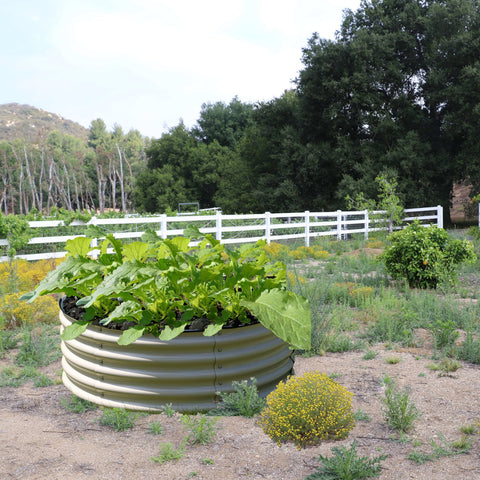
Container beds, on the other hand, offer flexibility. They are perfect for small spaces or urban gardening, where soil quality can be controlled more easily. The choice between these types often depends on your space constraints and gardening goals.
Have you ever considered vertical beds? They save space and can add a striking visual element to your garden. With these options, what kind of garden bed suits your lifestyle?
Benefits Of Raised Beds
Raised beds bring a host of benefits to the table. They allow for better soil control, reducing the risk of poor drainage and soil compaction. This can lead to healthier plants and more abundant yields.
With raised beds, you gain flexibility in your garden’s location. They can be placed anywhere, including areas with poor soil. Plus, they offer easier access for planting and maintenance, which is a boon for anyone dealing with mobility issues.
Imagine walking out to your garden and tending to your plants without kneeling or bending awkwardly. Raised beds offer this convenience. Are raised beds your next gardening upgrade?
Soil Composition
Understanding soil composition is vital for a thriving garden bed. Soil is more than just dirt; it is a complex mixture of various elements. A balanced soil composition ensures plants receive the nutrients they need. Let’s explore the essential components and how to balance them.
Essential Soil Components
Three primary components make up soil: sand, silt, and clay. Each plays a unique role in soil structure and plant health.
- Sand:Provides excellent drainage, preventing waterlogging.
- Silt:Holds moisture and nutrients well, supporting plant growth.
- Clay:Retains water and nutrients but can compact easily.
Organic matter, like decomposed plants and animals, is crucial too. It enriches the soil, improving fertility and structure.
Balancing Soil Ingredients
Achieving the right mix of soil components is key. A loamy soil, with equal parts sand, silt, and clay, is ideal. It offers good drainage and nutrient retention.
Test your soil to understand its composition. Adjust ingredients based on results. Add sand to improve drainage or clay to retain moisture. Incorporate organic matter to enhance fertility and structure.
Use compost, peat moss, or aged manure for organic content. Monitor soil regularly and adjust as needed for optimum growth.
Calculating Soil Volume
Calculating soil volume ensures your garden bed thrives. Determine the bed’s length, width, and depth. Multiply these dimensions to find the total soil needed.
Calculating soil volume is essential for creating a thriving garden bed. Knowing the precise amount of soil needed helps plants flourish and avoids waste. This process involves measuring your garden bed dimensions and using formulas to determine the right volume of soil. Let’s explore how to do it efficiently.Measuring Garden Bed Dimensions
Start by measuring the length, width, and depth of your garden bed. Use a tape measure for accuracy. Write down these measurements in feet for easy calculations later. Consider irregular shapes by dividing them into smaller sections. Measure each section separately.Using Soil Volume Formulas
To calculate soil volume, use the formula: Length × Width × Depth. This gives you the cubic feet needed for your garden bed. Convert cubic feet to cubic yards if necessary. Multiply cubic feet by 0.037037 to get cubic yards. This helps when purchasing soil in larger quantities. For circular garden beds, measure the radius and depth. Use the formula: π × Radius² × Depth. This provides the soil volume needed in cubic feet. Always double-check your measurements to ensure accuracy.Choosing The Right Soil Mix
Choosing the right soil mix is crucial for a flourishing garden bed. The soil provides nutrients, supports roots, and holds moisture. Selecting the best mix ensures plants thrive.
Commercial Soil Mixes
Commercial soil mixes are readily available. They come pre-blended with essential components. These mixes often include peat moss, compost, and perlite. These ingredients help retain moisture and improve drainage. Additionally, they are often enriched with fertilizers. This boosts plant growth by supplying necessary nutrients. When using commercial mixes, read the labels carefully. Ensure the mix suits the plant types in your garden.
Diy Soil Mix Options
Creating a DIY soil mix offers flexibility. You can tailor it to suit specific plants. Basic ingredients include topsoil, compost, and sand. Topsoil provides structure and stability. Compost enriches the soil with organic matter. Sand improves drainage, preventing waterlogging. Mixing these components gives you control. You can adjust ratios to meet your garden’s needs. Experiment with different blends for optimal results.
Filling The Garden Bed
Calculate the volume of your garden bed to determine the right amount of soil needed. Consider the bed’s length, width, and depth for accuracy. Ensuring proper soil levels supports healthy plant growth and efficient water drainage.
Filling a garden bed correctly is essential for healthy plant growth. The right soil mix provides nutrients, drainage, and support. It also ensures plants thrive throughout the growing season. Understanding how to layer soil and avoid common pitfalls can enhance your garden’s productivity.Layering Techniques
Layering soil in a garden bed is like building a lasagna. Start with a base layer for drainage. Use coarse materials like gravel or small rocks. This prevents water from pooling. Next, add a layer of organic material. Use straw, leaves, or grass clippings. This layer helps retain moisture and add nutrients. Finally, top with quality garden soil. Ensure it’s rich in organic matter for plant health.Avoiding Common Mistakes
Don’t fill your garden bed with only topsoil. It lacks the structure needed for drainage. Avoid compacting the soil layers too tightly. Compacted soil restricts root growth and water movement. Ensure your bed has a mix of textures. This provides aeration and supports plant roots. Avoid using contaminated materials that might harm plants. Always check for weeds or pests in organic layers.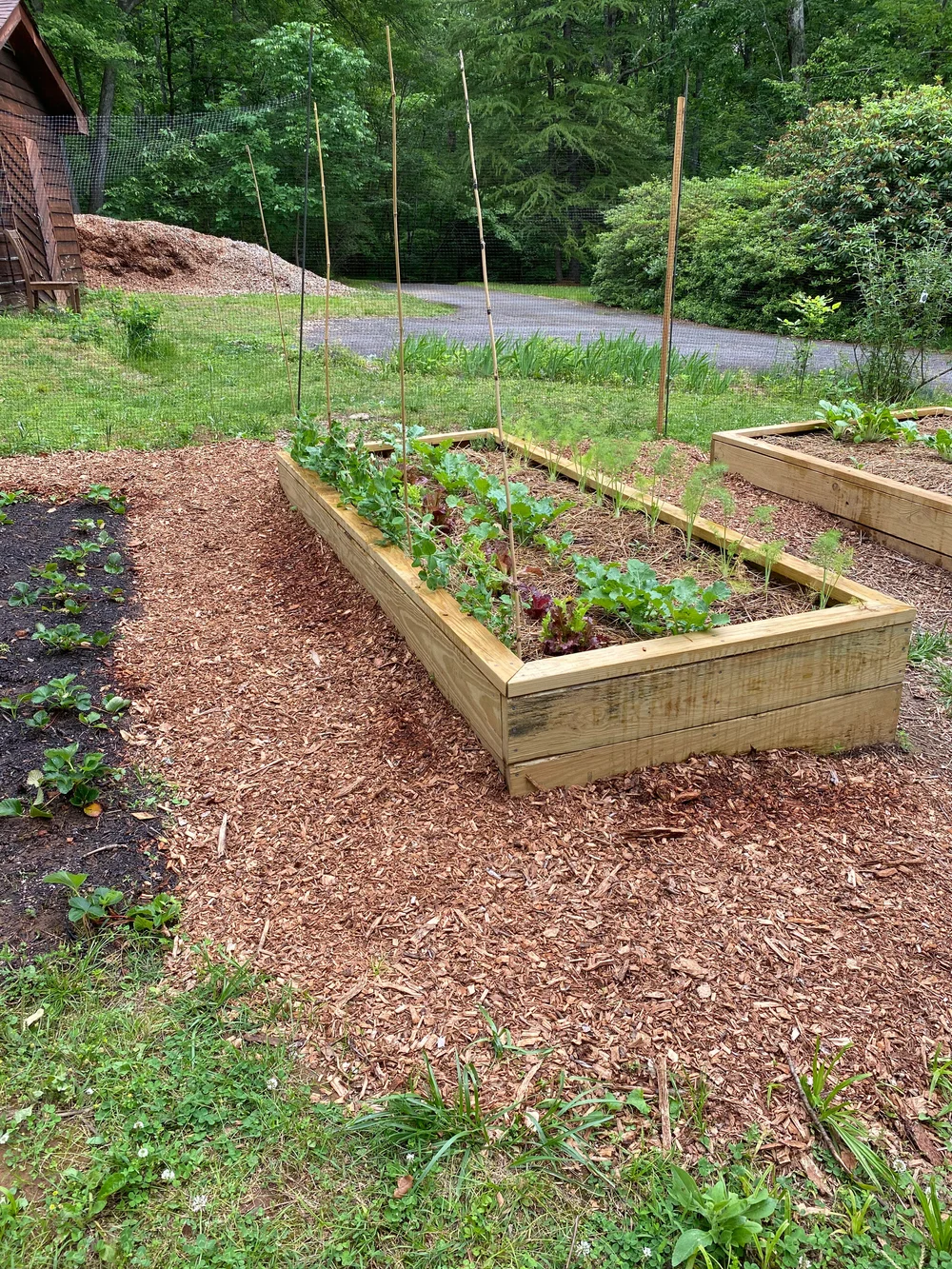
Credit: www.thunderbirddisco.com
Maintaining Soil Quality
Choosing the right amount of soil is key for garden beds. Too little soil can limit plant growth, while too much may suffocate roots. Aim for 6 to 12 inches of soil depth for optimal plant health and soil quality.
Maintaining soil quality is vital for a thriving garden bed. Healthy soil supports plant growth and keeps pests at bay. It ensures nutrients are available for your plants. Good soil promotes water drainage and reduces erosion. Let’s explore some ways to maintain soil quality.Regular Soil Testing
Testing soil regularly helps identify nutrient deficiencies. It provides insights into pH levels and organic matter content. It helps you make informed decisions for soil improvements. Conduct tests seasonally or annually. Use a simple soil test kit available in garden stores. Knowing your soil’s needs boosts plant health.Amendments And Additives
Adding organic matter enriches soil. Compost, aged manure, and peat moss improve texture. They enhance nutrient retention and water holding capacity. Use natural fertilizers for essential minerals. Bone meal and fish emulsion are good choices. Avoid chemical fertilizers that degrade soil quality over time. Rotate crops to maintain nutrient balance. Plant cover crops like clover and rye. They improve soil structure and prevent nutrient loss.Seasonal Soil Considerations
Understanding seasonal soil considerations is crucial for any gardener aiming to maximize their garden bed’s productivity. Soil isn’t static; it changes with the seasons, requiring different approaches to maintain optimal growing conditions. This section will guide you through adjusting your garden soil for varying climates and preparing it for each growing season, ensuring your plants thrive all year round.
Adjusting For Different Climates
Every climate poses unique challenges to your garden soil. In a dry, arid region, soil may lose moisture quickly, necessitating frequent watering and mulching to retain water. Conversely, in a humid area, soil might become too damp, increasing the risk of root rot and fungal diseases.
Consider using soil amendments like compost or well-rotted manure to improve soil texture and drainage. These amendments can help regulate moisture levels and provide essential nutrients. If you’ve ever struggled with clay soil that compacts easily, adding sand or perlite can enhance its aeration and prevent waterlogging.
How does your climate affect soil temperature? Cold climates can slow down plant growth, so warming the soil with black plastic or using raised beds might be beneficial. On the other hand, in hot climates, shade nets can protect delicate plants from scorching sun and help maintain cooler soil temperatures.
Preparing For Each Growing Season
Each growing season demands specific soil preparations. In spring, focus on rejuvenating your soil after the cold months. Remove any debris and weeds, and consider a fresh layer of compost to kickstart plant growth.
Summer may require more frequent watering, so check your soil’s moisture level regularly. Mulching can help retain moisture and keep soil temperatures stable. Have you ever noticed how mulch can also suppress weeds, saving you from constant weeding?
As autumn arrives, it’s time to prepare your soil for winter. This might involve planting cover crops like clover or rye, which protect soil from erosion and improve its fertility. In winter, let your soil rest, but keep an eye on any erosion or compaction issues, planning ahead for spring’s demands.
Reflecting on your gardening experience, what seasonal adjustments have made the biggest difference in your garden’s success? By understanding and adapting to these seasonal soil considerations, you can nurture a garden that flourishes through every change in climate.

Credit: migardener.com

Credit: www.facebook.com
Frequently Asked Questions
How Do I Calculate How Much Soil I Need For My Garden Bed?
Measure the garden bed’s length, width, and depth in feet. Multiply these dimensions to find cubic feet. Divide by 27 to convert to cubic yards. Purchase the calculated soil volume.
How Many Cubic Feet Of Soil For A 4×8 Raised Bed?
A 4×8 raised bed requires approximately 16 cubic feet of soil. Calculate by multiplying length, width, and depth. Ensure the soil depth is at least 6 inches for optimal growth. This calculation provides enough soil for healthy plant roots and drainage in your raised garden bed.
How Do I Calculate Soil For My Garden Bed?
To calculate soil for a garden bed, multiply length, width, and depth. Convert all measurements to feet for accuracy. This gives you the volume in cubic feet. Use this total to determine the amount of soil bags needed, based on the size of the bags you plan to purchase.
What Type Of Soil Is Best For Garden Beds?
The best soil for garden beds is a mix of loam, sand, and organic matter. This combination ensures good drainage, nutrient retention, and aeration. Loamy soil provides a balanced texture, while organic matter enriches the soil with essential nutrients for healthy plant growth.
Conclusion
Choosing the right soil fills your garden bed with life. Good soil helps plants grow strong and healthy. Remember to measure your garden bed carefully. Calculate how much soil you need. It saves time and money. High-quality soil improves plant health.
Keep your garden thriving by checking soil regularly. Look for signs of poor soil like yellow leaves. Adjust with compost or fertilizer if needed. Healthy soil means happy plants. Enjoy watching your garden flourish with the right soil mix. Start small, learn, and grow your gardening skills with each season.
Your garden’s success starts with great soil.