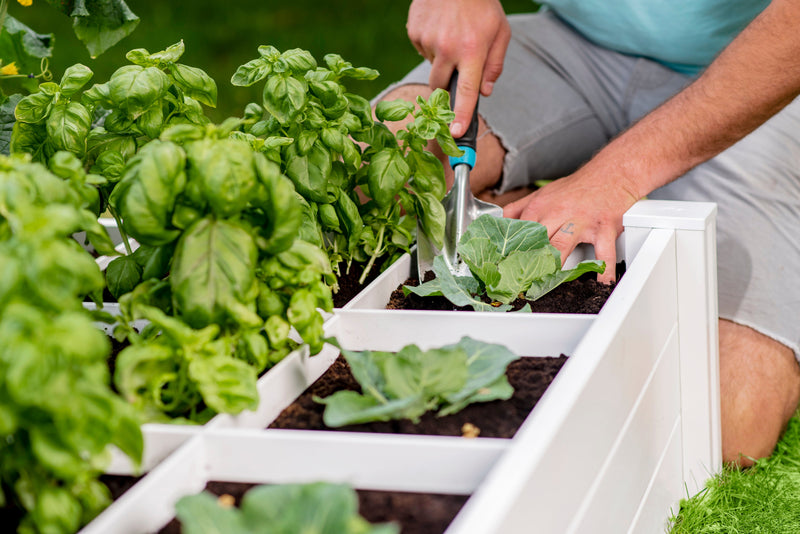
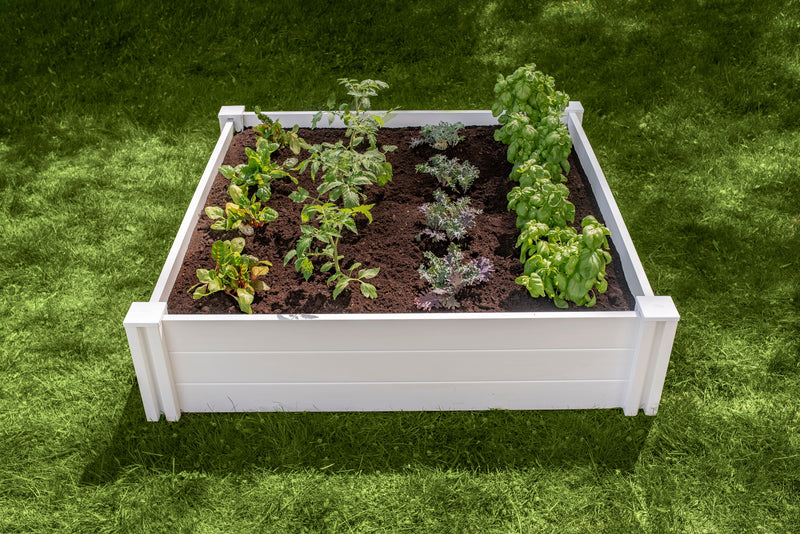
Imagine stepping into your garden and being greeted by vibrant, thriving plants nestled in a perfect raised bed. A 4×4 raised garden is the ideal canvas for cultivating your favorite vegetables and flowers, but one crucial question stands in the way of your gardening dreams: how much soil do you need to bring this vision to life?
If you’ve ever felt confused or overwhelmed by the calculations, you’re not alone. The right amount of soil is the foundation of a successful garden, influencing the health and growth of your plants. This article is tailored for you, providing clear, straightforward guidance to ensure your garden flourishes.
Dive in to discover the secrets of soil quantity and transform your raised bed into a flourishing oasis.
Credit: wearevita.com
Choosing The Right Soil Type
Calculating soil needs for a 4×4 raised garden is crucial. Aim for 8-12 inches of depth to ensure healthy plant growth. This typically requires about 1 to 1. 5 cubic yards of soil, depending on the plant types and drainage needs.
Choosing the right soil type is essential for a thriving 4X4 raised garden. The soil serves as the foundation for your plants, providing essential nutrients and support. Selecting the ideal mix can significantly impact plant growth and yield. Let’s explore the key aspects of soil composition and the benefits of organic matter in your garden.Understanding Soil Composition
Soil composition refers to the different elements that make up the soil. The main components include sand, silt, clay, and organic matter. Each element has unique properties affecting drainage, aeration, and nutrient retention. A balanced mix ensures your plants receive adequate water and nutrients. Sand improves drainage and prevents soil compaction. Silt retains moisture and provides nutrients. Clay holds nutrients but can limit drainage if too dense. Organic matter enriches the soil and boosts plant health.Benefits Of Organic Matter
Organic matter is crucial in a raised garden bed. It enriches the soil and improves its structure. This matter consists of decomposed plant and animal materials. It enhances nutrient content and promotes moisture retention. Organic matter encourages beneficial microorganisms in the soil. These organisms break down nutrients, making them accessible to plants. It also aids in root development and plant growth. Adding compost or aged manure boosts the organic matter content. This leads to healthier, more productive plants.Calculating Soil Volume
Determining the amount of soil for a 4×4 raised garden involves calculating its volume. Multiply the garden’s length, width, and desired soil depth to find the total cubic feet of soil needed.
Calculating the right amount of soil for a 4×4 raised garden is essential. It ensures your plants have enough room to grow. With proper soil volume, your plants can thrive. Let’s explore how to calculate this volume.Dimensions And Depth
First, know the dimensions of your garden bed. A 4×4 raised garden has a length and width of 4 feet each. But depth is also important. Most garden beds are 8 to 12 inches deep. Decide the depth based on the plants you want to grow. Shallow-rooted plants like lettuce need less soil. Deep-rooted plants like tomatoes require more soil.Formula For Volume Calculation
The formula to calculate soil volume is straightforward. Use the length, width, and depth of the bed. Here is how you do it:- Convert depth from inches to feet: Divide by 12.
- Multiply length by width by depth.
Preparing The Raised Bed
Calculating soil for a 4×4 raised garden is essential. Typically, 8 cubic feet of soil is needed. This ensures proper plant growth and healthy roots.
Preparing the Raised Bed Creating a thriving 4×4 raised garden begins with preparing the bed properly. The foundation you lay in this stage can significantly impact the health and yield of your plants. Have you ever wondered why some gardens flourish while others falter? The secret often lies in the soil preparation.Layering Techniques
To build the best bed for your plants, consider using a layering technique. This method mimics the natural forest floor by layering different materials to enrich the soil. Start with a base layer of cardboard or newspaper to suppress weeds. Follow with a layer of coarse material like straw or small branches to improve aeration. Next, add a layer of compost or aged manure. This introduces essential nutrients, supporting vigorous plant growth. Top it off with high-quality topsoil, ideally mixed with organic matter. This approach not only provides nutrients but also maintains moisture, reducing the need for frequent watering.Drainage Considerations
Proper drainage is crucial for preventing root rot and ensuring your plants get the right amount of water. Have you ever faced a soggy garden after heavy rain? It’s a common challenge. Ensuring good drainage can save your plants from such woes. Elevating your raised bed slightly can help with drainage. Consider adding a layer of gravel or coarse sand at the bottom of the bed. This aids in water flow, preventing the soil from becoming waterlogged. If your garden area tends to retain water, you might want to drill small holes in the sides of your raised bed. This encourages excess water to escape, safeguarding your plants’ roots. Remember, the right soil preparation sets the stage for a flourishing garden. Take these steps, and watch your 4×4 raised bed transform into a lush, productive plot.Credit: www.greentractortalk.com
Enhancing Soil Quality
Enhancing soil quality is crucial for a thriving 4×4 raised garden. Rich soil ensures healthy plants and abundant harvests. Improving soil involves adding nutrients and balancing its pH. Let’s explore effective methods to boost soil quality.
Nutrient-rich Additives
Adding nutrients to soil supports plant growth. Organic matter such as compost or aged manure works well. These materials enrich soil with essential nutrients. Worm castings are another great option. They enhance soil structure and provide vital minerals. Consider using bone meal or blood meal. These are rich in phosphorus and nitrogen, respectively. Always mix additives thoroughly into the soil.
Balancing Ph Levels
Checking soil pH is important for plant health. Most plants thrive in slightly acidic to neutral soil. Use a pH meter or test kit to check levels. If soil is too acidic, add lime to increase pH. For alkaline soil, add sulfur to reduce pH. Adjusting pH helps plants absorb nutrients better. Regular pH testing ensures ongoing soil health. Happy plants depend on balanced soil conditions.
Seasonal Soil Maintenance
Seasonal soil maintenance is key for a thriving 4×4 raised garden. Proper care ensures your garden produces healthy plants each year. Understanding soil needs and adjustments during different seasons is essential. This keeps your garden fertile and bountiful.
Composting Benefits
Composting enriches your garden soil with nutrients. It improves soil structure, helping with drainage and aeration. Compost adds organic matter, which retains moisture and nurtures plants. Using compost reduces the need for chemical fertilizers. It also recycles kitchen and garden waste, reducing your environmental footprint.
Rotating Crops
Rotating crops prevents soil nutrient depletion. Different plants require different nutrients. By rotating, you maintain balanced soil health. It also reduces pest and disease buildup in your garden. Changing plant locations interrupts pest life cycles. This makes your garden more resilient.
Common Mistakes To Avoid
Creating a 4×4 raised garden bed can be rewarding and fun. But, mistakes in soil management can impact plant health and growth. Knowing what to avoid helps you build a thriving garden.
Overfilling Risks
Filling your garden bed to the brim may seem beneficial. It isn’t. Overfilling causes soil to spill out during watering. This makes your garden messy and wastes soil. Plants need space for air circulation. Too much soil can suffocate roots. Always leave a few inches below the top. This helps prevent overflow and supports plant health.
Ignoring Soil Settling
Soil settles over time. This affects plant stability and water drainage. Many gardeners forget this crucial detail. Over time, soil compresses naturally. This reduces the bed’s effective depth. Plan for settling by adding extra soil initially. Check soil levels regularly. Top up as needed. This ensures your plants have enough room to grow.
Expert Recommendations
A 4×4 raised garden typically requires about 8 cubic feet of soil. Fill it with nutrient-rich soil mix for healthy plant growth. Consider adding compost or organic matter to enhance soil quality and drainage.
When planning a 4×4 raised garden, determining the right amount of soil is crucial for healthy plant growth. Too little soil can stunt roots, while too much can lead to poor drainage. Expert recommendations offer valuable insights to help you optimize your garden’s potential.Best Practices For Beginners
Beginners often wonder how much soil is enough. A 4×4 raised garden bed typically requires about 7-8 cubic feet of soil. This ensures a depth of about 8-12 inches, ideal for most vegetables and flowers. Start with a simple mix: combine topsoil, compost, and peat moss in equal parts. This creates a nutrient-rich environment for plants. Use a tarp or large container to mix your soil before adding it to the bed. This ensures an even distribution of nutrients.Advanced Techniques
For seasoned gardeners, enhancing soil composition can yield better results. Consider adding perlite or vermiculite to improve aeration and drainage. Experiment with layering techniques, such as lasagna gardening. Alternate layers of organic materials like straw, leaves, and grass clippings, topped with soil. Test your soil’s pH level and nutrient content regularly. Adjust with lime or sulfur to maintain an optimal pH for your plants. How do you determine the perfect soil mix for your garden? It often comes down to understanding your plants’ specific needs and experimenting with different combinations. Incorporating expert advice can transform your 4×4 raised garden into a thriving oasis.
Credit: crystelmontenegrohome.com
Frequently Asked Questions
How Much Soil Is Needed For A 4×4 Raised Bed?
A 4×4 raised bed requires about 8 cubic feet of soil. This equals roughly 16 bags of soil, each containing 0. 5 cubic feet. Ensure soil is rich in nutrients for optimal plant growth. Consider adding compost or organic matter to enhance soil quality.
How Do I Calculate How Much Dirt I Need To Raise Land?
To calculate dirt needed, multiply the area’s length, width, and desired height in feet. Divide by 27 to convert cubic feet to cubic yards. This gives the total cubic yards of dirt required. Always account for settling and compacting, adding 5-10% extra to your final calculation.
How Many Inches Of Soil Should Be In A Raised Garden Bed?
A raised garden bed typically requires 12 to 18 inches of soil. This depth supports most vegetable roots. Ensure good drainage and nutrient-rich soil for optimal plant growth. Adjust the depth based on specific plant needs, like deeper-rooted plants, which may require more soil.
How Many Plants Are In A 4×4 Raised Bed?
A 4×4 raised bed can typically accommodate 16 to 64 plants, depending on species and spacing. For larger plants like tomatoes, aim for around 16. Smaller plants such as carrots or radishes can fit up to 64. Proper spacing ensures healthy growth and maximum yield.
Conclusion
Calculating soil for a 4×4 garden is simple. Measure the depth you need. Multiply length, width, and depth. Choose quality soil for healthy plants. Consider drainage and nutrients. Adjust soil based on plant type. Regularly check moisture levels. This ensures robust plant growth.
Use organic matter to enrich soil. Keep experimenting with mixtures. Garden success takes time and patience. Happy gardening!


