Are you eager to transform your backyard into a blooming oasis but uncertain about how much soil you’ll need for your 4×8 raised bed? You’re not alone.
Many gardening enthusiasts find themselves puzzled by this crucial step. Imagine the thrill of watching your plants thrive, knowing you’ve set the perfect foundation. In this guide, we’ll unravel the mystery of calculating the right amount of garden soil, ensuring your raised bed becomes a fertile ground for growth.
Stick with us, and you’ll gain the confidence to kickstart your gardening adventure. Get ready to dig into the details and set your garden up for success!

Credit: www.facebook.com
Calculating Soil Volume
Calculating soil volume for a 4×8 raised bed is straightforward. Multiply length, width, and height to find cubic feet needed. Consider soil depth for plant types and growth.
Calculating the right amount of soil for a raised bed ensures healthy plant growth. Knowing how much soil to fill a 4×8 raised bed is essential for your garden’s success. A precise calculation prevents wasting resources and ensures optimal plant health.Understanding Cubic Feet
Garden soil is measured in cubic feet. This unit helps understand the volume needed for your raised bed. A cubic foot equals a space of one foot wide, one foot long, and one foot deep. To find the soil volume, calculate how many cubic feet your bed can hold. This measurement helps you purchase the correct amount of soil.Formula For Soil Calculation
To calculate soil volume, use a simple formula. Multiply the bed’s length by its width and depth. For a 4×8 raised bed, the formula looks like this:- Length: 4 feet
- Width: 8 feet
- Depth: usually 1 foot for most plants
Choosing The Right Soil Mix
Choosing the Right Soil Mix Calculate the soil needed for a 4×8 raised bed by multiplying length, width, and depth. A typical depth of 12 inches requires about 32 cubic feet of soil. Use a well-draining mix with compost, peat, and vermiculite for healthy plant growth.
Choosing the right soil mix for your 4×8 raised bed can be the difference between a bountiful harvest and plants that struggle to thrive. Understanding the components of a good soil mix is crucial. It’s not just about filling up the space; it’s about creating a nurturing environment for your plants.Topsoil Vs. Garden Soil
When deciding between topsoil and garden soil, it’s important to know the difference. Topsoil is the uppermost layer of soil, rich in nutrients but often lacks the structure needed for plant roots to thrive. On the other hand, garden soil is a mixture designed specifically for gardening, often containing compost and other organic matter to improve its quality. Which one should you choose? For raised beds, garden soil is typically the better option as it is more tailored to the needs of plants. However, mixing a bit of topsoil can add volume if you’re on a budget.Incorporating Organic Matter
Adding organic matter to your soil mix is essential for healthy plant growth. This can include compost, peat moss, or well-rotted manure. These components not only improve the soil’s texture but also enhance its ability to retain moisture. Have you ever noticed how plants seem to thrive after a rainstorm? That’s because organic matter helps soil absorb and retain water better, giving your plants a consistent supply of moisture.Benefits Of Soil Amendments
Soil amendments are materials added to improve the physical properties of the soil. Consider adding perlite or vermiculite to enhance drainage, especially if your raised bed is prone to waterlogging. You might wonder if these amendments are truly necessary. The answer lies in the performance of your plants. If they’re not growing as expected, amendments could be the missing piece. By carefully selecting and preparing your soil mix, you’re setting the stage for a successful growing season. Are you ready to give your plants the best foundation possible?Preparing Your Raised Bed
Preparing your raised bed for gardening is an exciting journey that promises lush greenery and bountiful harvests. Whether you’re a seasoned gardener or a newbie, setting up your 4X8 raised bed is crucial to ensure your plants thrive. Let’s dive into the essential steps to get your raised bed ready for planting.
Clearing The Area
Begin by selecting a location with ample sunlight and good accessibility. Clear the area of weeds, rocks, and debris that might hinder plant growth. You might encounter stubborn roots or hidden pests, so don’t shy away from putting in a little extra effort here. Ask yourself: How does this space look in different seasons? Will it remain accessible in winter?
Lining The Base
Lining your raised bed is a game-changer for maintaining soil quality and preventing erosion. Consider using landscape fabric, cardboard, or newspaper to line the bottom. These materials will decompose over time, enriching the soil while keeping weeds at bay. Did you know that lining also helps in retaining moisture? It’s a simple step with massive benefits.
Ensuring Proper Drainage
Proper drainage is essential to prevent waterlogging, which can damage roots and stunt growth. Consider adding a layer of gravel or small stones at the base for improved water movement. This step ensures excess water escapes, protecting your plants from drowning. Will your bed handle heavy rains? Testing drainage with a small watering can help you find out.
Filling The Raised Bed
Filling a 4×8 raised bed requires about 16 cubic feet of garden soil. This amount ensures optimal growth for plants. Proper soil depth enhances root development and water retention.
Filling a 4×8 raised bed can be both an exciting and daunting task. You might be wondering how to ensure it has just the right amount of soil. The key is to fill it efficiently, ensuring the plants receive the nutrients they need while maintaining excellent drainage.Layering Techniques
Start by adding a layer of cardboard or newspaper at the bottom. This acts as a weed barrier and gradually decomposes, enriching the soil. Next, alternate layers of garden soil, compost, and well-rotted manure. This layering not only provides nutrients but also mimics the natural processes found in forests.Avoiding Soil Compaction
Avoid stepping on the soil inside the raised bed to keep it loose and airy. If you must reach the center, use a plank to distribute your weight. Compacted soil limits root growth and water absorption, affecting your plant’s health.Watering The Soil
Once filled, water the soil thoroughly to help it settle. This ensures there are no air pockets that could dry out plant roots. Watering also allows you to gauge if the bed needs more soil as it compacts naturally after the first watering. How do you feel about trying these techniques in your own garden? With a bit of patience and care, your raised bed will be ready to nurture a bountiful harvest.Maintaining Soil Health
Calculate soil needs precisely for a 4×8 raised bed. Typically, these beds require about one cubic yard of soil. This ensures optimal plant growth and maintains soil health for your gardening success.
Maintaining soil health is crucial for a productive 4×8 raised bed. Healthy soil supports plant growth and helps prevent diseases. A few practices can keep your garden soil in top condition.Regular Soil Testing
Regular soil testing helps monitor nutrient levels. It identifies deficiencies or excesses in the soil. This information guides fertilization and amendment efforts. Testing every couple of years is ideal. Use a home test kit or send samples to a lab. Accurate results lead to better soil management.Rotating Crops
Rotating crops reduces soil depletion and pest buildup. Different plants use different nutrients. Changing plant families each season helps balance soil nutrients. For example, follow tomatoes with beans. This rotation improves nitrogen levels naturally. Crop rotation also prevents disease cycles.Adding Mulch
Adding mulch conserves moisture and suppresses weeds. It also moderates soil temperature. Organic mulches like straw or leaves improve soil structure. They add nutrients as they break down. Spread a 2-3 inch layer over the soil. Mulch helps maintain a stable, healthy environment for plants.
Credit: savvygardening.com
Common Mistakes
Calculating the soil needed for a 4×8 raised bed often leads to errors. Many overestimate or underestimate the volume. Knowing the exact dimensions and soil depth is crucial for accurate calculation.
Common mistakes in filling a 4×8 raised garden bed can affect plant growth. Knowing these mistakes helps you create a thriving garden space.Overfilling The Bed
Overfilling the raised bed is a common mistake. Adding too much soil can cause water to run off. Plants can drown if there is not enough drainage. Ensure the soil level stays below the bed’s rim. This helps with water retention and air circulation.Ignoring Soil Ph
Ignoring soil pH can hinder plant health. Plants need balanced pH for nutrient uptake. Test your soil’s pH before planting. Most vegetables thrive in slightly acidic to neutral pH. Adjust the soil pH with lime or sulfur if needed.Neglecting Soil Settling
Soil settling occurs over time, reducing soil volume. Many gardeners forget this natural process. Fill the bed with soil, but expect settling. Add extra soil as needed. This ensures plants have enough room for root growth.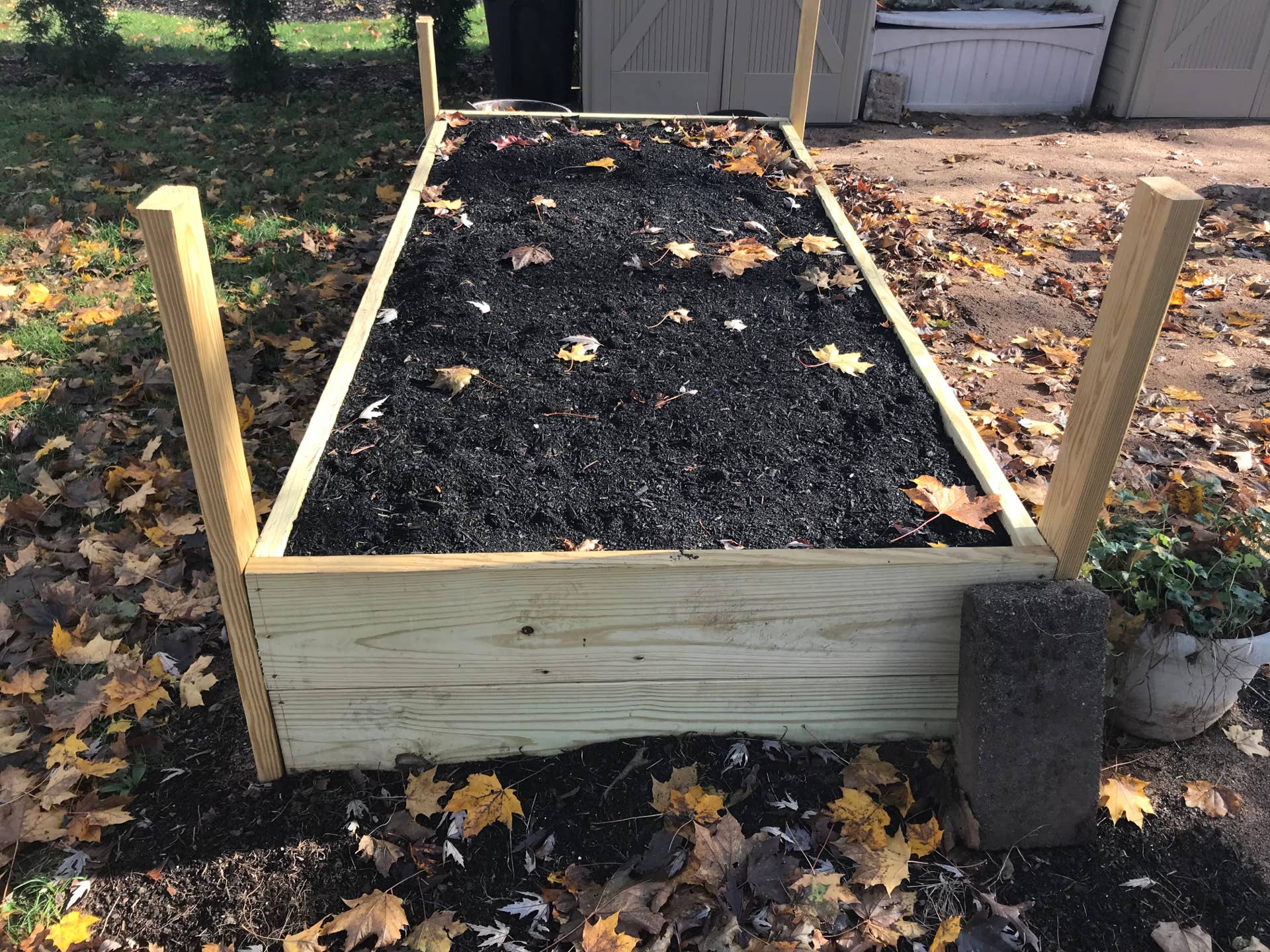
Credit: dengarden.com
Frequently Asked Questions
How Much Soil For A 4×8 Raised Garden Bed?
A 4×8 raised garden bed typically requires about 32 cubic feet of soil. Calculate by multiplying length, width, and depth. Consider soil type for plant health. Amend with compost or organic matter for nutrients. Ensure proper drainage to prevent waterlogging.
Adjust soil depth based on plant roots.
How Much Soil For 4×8 Raised Bed Reddit?
Fill a 4×8 raised bed with approximately 1 cubic yard of soil, considering a depth of 12 inches. Use quality soil mix for optimal plant growth.
How Many Cubic Feet Is A 4×8 Garden Bed?
A 4×8 garden bed with a height of 1 foot has 32 cubic feet. Multiply the length, width, and height for different dimensions. Adjust the height to find cubic feet for varied sizes. Simple calculations can help plan soil or materials needed.
What Is The Difference Between Garden Soil And Raised Bed Mix?
Garden soil is denser, ideal for in-ground planting. Raised bed mix is lighter, designed for optimal drainage and aeration in elevated gardens. Raised bed mix often contains organic matter and nutrients, promoting plant growth in confined spaces.
Conclusion
Calculating soil for a 4×8 raised bed is simple. Consider depth and plant needs. Use quality soil for healthy growth. Typically, 1 cubic yard fills a bed 12 inches deep. Adjust based on your plan. More soil boosts root space.
Less depth suits shallow plants. Soil health impacts your garden’s success. Choose wisely for thriving plants. Mix compost for nutrients. A well-prepared bed promises fruitful harvests. Enjoy gardening with your new knowledge. Happy planting!