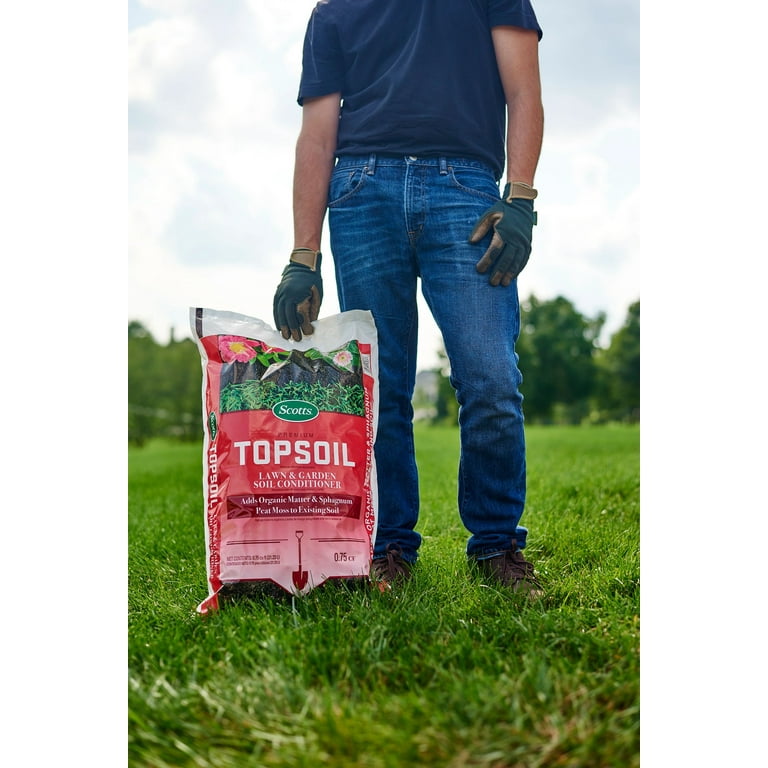
Are you planning a garden project and wondering about the weight of a yard of garden soil? Knowing this can make or break your gardening plans.
Imagine being halfway through your project only to realize you don’t have enough soil, or worse, you’ve ordered too much and now have piles of soil sitting around, unused and in the way. This simple yet crucial detail can save you time, effort, and money.
We’ll uncover the mysteries of soil weight and how it impacts your gardening endeavors. Stick around to discover the answers and ensure your garden project goes off without a hitch.

Credit: www.lowes.com
Importance Of Garden Soil Weight
Understanding the weight of a yard of garden soil is crucial for effective planning and transportation. A typical yard can weigh between 2,200 and 2,700 pounds, depending on moisture and composition. Knowing this helps gardeners manage projects efficiently.
The weight of garden soil might seem like a trivial detail, but it’s crucial for gardeners to understand. The weight determines how much soil you can safely transport and use in your garden. It affects the choice of containers, the structural integrity of raised beds, and even impacts the health of plants. Understanding soil weight can be the difference between thriving plants and a garden struggling to survive.Understanding The Basics Of Soil Weight
Garden soil weight varies depending on its moisture content and composition. Dry soil is lighter, while wet soil can weigh significantly more. A yard of dry soil typically weighs around 2,000 pounds, but can increase to 3,000 pounds when wet. Knowing this helps you plan for transport and storage.Impact On Garden Structure And Design
Heavy soil can put stress on garden structures. If you’re designing raised beds, consider the weight capacity of materials like wood or metal. A personal experience taught me that underestimating soil weight led to cracked wooden frames in my garden. Ensure your design accommodates the weight for longevity.Influence On Plant Health
The weight of garden soil influences drainage. Heavier soils often compact easily, leading to poor drainage, which can drown roots. Lighter soils offer better aeration. Choosing the right soil weight can improve your plants’ root development and overall health.Transport And Handling
Transporting heavy soil can be labor-intensive. Consider logistics like using a wheelbarrow or dolly, especially if moving large quantities. For instance, a friend underestimated the effort needed for transporting soil and ended up with sore muscles. Planning ahead can save you time and energy.Practical Tips For Managing Soil Weight
– Monitor Moisture Levels: Keep an eye on weather forecasts. Wet soil is heavier and harder to handle. – Choose the Right Tools: Use sturdy equipment designed for heavy loads. A reliable wheelbarrow can be a gardener’s best friend. – Start Small: If you’re new to gardening, start with smaller amounts of soil to learn how weight affects your setup. Understanding garden soil weight is vital for successful gardening. How will you use this knowledge to enhance your garden?Factors Affecting Soil Weight
Soil weight varies due to moisture content, soil type, and compaction. A yard of garden soil typically weighs between 2,000 and 3,000 pounds, influenced by its density and water retention capacity. Understanding these factors helps in planning garden projects effectively.
Understanding how much a yard of garden soil weighs is crucial for planning. Several factors can alter soil weight significantly. Knowing these can help estimate soil needs better.Moisture Content
Moisture plays a major role in soil weight. Wet soil is much heavier than dry soil. Water adds substantial weight. Even a small amount of rain can increase soil weight. Always consider recent weather conditions. This helps in assessing soil moisture levels. Moisture can change soil density quickly.Soil Composition
Soil composition affects weight considerably. Sandy soil is lighter compared to clay soil. Clay has denser particles, increasing weight. Organic matter also influences soil weight. More organic content usually means lighter soil. Soil mixes with more rock or gravel will weigh more. Understanding your soil type is key.Compaction Level
Compacted soil is denser and heavier. Construction activity or heavy machinery can compact soil. Compacted soil has less air space, increasing weight. Loose, aerated soil weighs less. Checking soil compaction can prevent underestimating soil weight. A simple test is to dig a small patch. This reveals how compact the soil is.Average Weight Of Garden Soil
A yard of garden soil typically weighs around 2,200 pounds. This can vary based on moisture content and composition. Understanding the weight helps in planning transportation and usage in your garden.
Understanding the average weight of garden soil is crucial whether you’re planning to buy soil in bulk or just need a small amount for a weekend project. Knowing this can help you make sure you have the right transportation and avoid any unpleasant surprises. Plus, it’s an interesting way to get more acquainted with the natural elements that make up your garden.Dry Soil Vs. Wet Soil
The weight of garden soil can vary significantly depending on its moisture content. Dry soil is much lighter compared to its wet counterpart. If you’ve ever tried lifting a bag of dry soil versus a wet one, you probably know this firsthand. When soil is dry, it contains less water, which reduces its overall weight. This can make it easier to transport, but it may not provide the immediate hydration your plants need. On the other hand, wet soil is heavier because of the added water weight. It can provide your plants with instant moisture but might pose a challenge when moving it.Different Soil Types
Various soil types have different weights, and this can impact your gardening plans. Sandy soil, for instance, is generally lighter than clay soil. This is because sandy soil has larger particles and more air spaces, making it less dense. Clay soil is compact with fine particles, which makes it heavier and often more challenging to work with. If you’re planning to plant in clay soil, consider its weight when calculating how much you need. Loamy soil, a mix of sand, silt, and clay, strikes a balance between weight and nutrients. It’s often considered ideal for gardening due to its balanced properties. Which soil type is in your garden? Understanding the weight differences can help you choose the right soil for your gardening needs.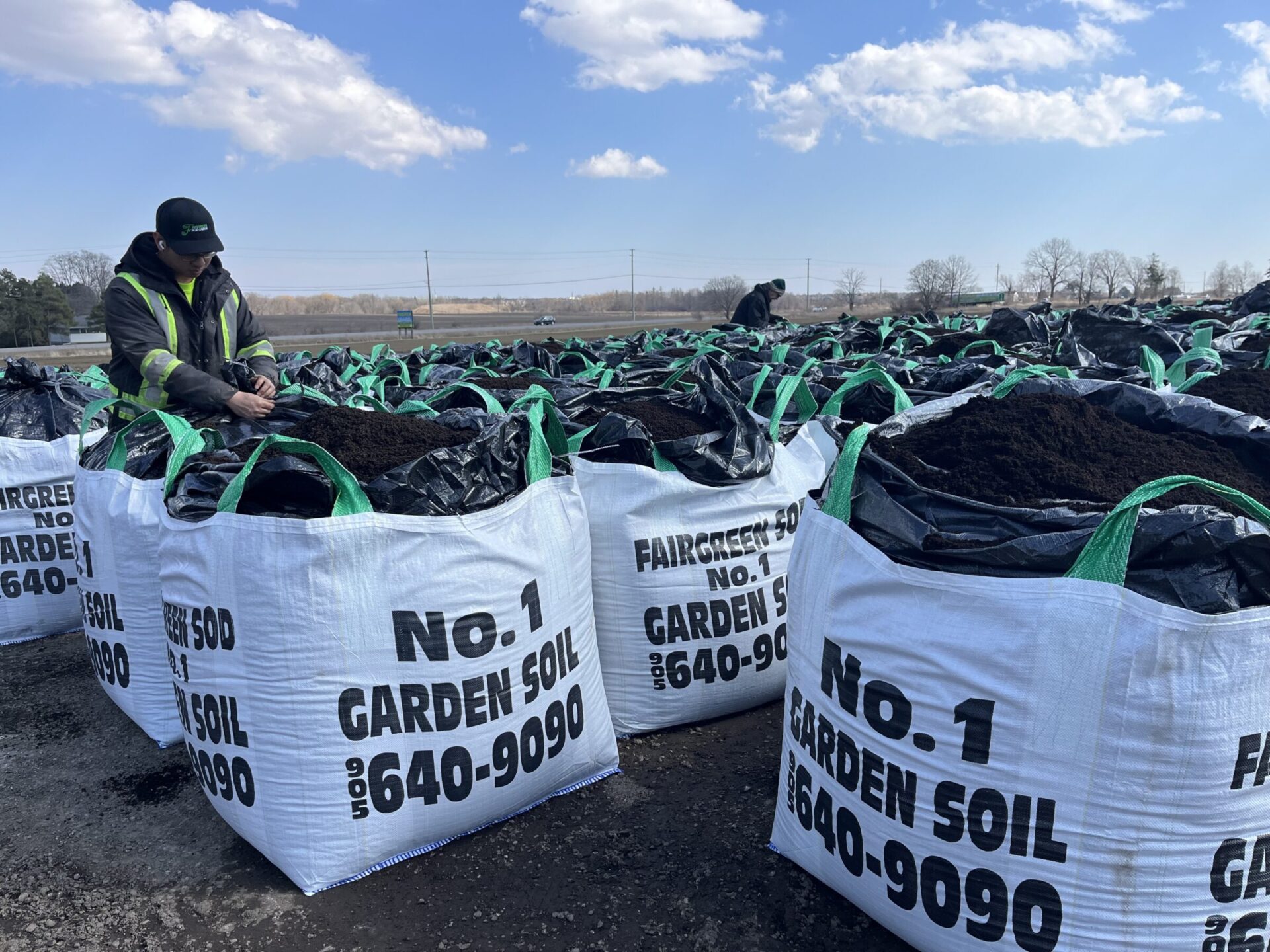
Credit: fairgreensod.com
Calculating Soil Needs For Your Garden
Understanding soil weight is crucial for garden planning. A yard of garden soil typically weighs about 2,000 pounds. This varies with moisture content and soil type.
Calculating the right amount of soil is vital for your garden. Knowing how much soil you need ensures healthy plant growth. It also helps you avoid unnecessary expenses. This section will guide you through determining and estimating soil needs effectively.Determining Volume Requirements
First, measure your garden space. Use a tape measure to find the length and width in feet. Multiply these numbers to find the area. For example, a garden 10 feet by 5 feet has an area of 50 square feet. Next, decide the desired depth of soil in inches. Convert this depth to feet by dividing by 12. For instance, a 6-inch depth is 0.5 feet. Now, calculate the volume. Multiply the area by the depth. So, 50 square feet times 0.5 feet equals 25 cubic feet. This is your soil volume requirement.Estimating Weight For Transportation
Garden soil weight varies by type and moisture level. On average, a cubic yard of soil weighs about 2,200 pounds. To convert cubic feet to cubic yards, divide by 27. For our example, 25 cubic feet divided by 27 equals approximately 0.93 cubic yards. Multiply this by the average weight to estimate the total weight. This would be about 2,046 pounds. It’s crucial to know the weight for transportation purposes. This ensures you choose the right vehicle for hauling. Calculate carefully and plan your gardening project efficiently.Tips For Handling And Transporting Soil
Garden soil varies in weight depending on moisture and type. A yard of soil typically weighs between 2,000 to 3,000 pounds. Knowing the weight is crucial for safe handling and transport.
Transporting garden soil can be a daunting task, especially when you consider that a yard of soil can weigh anywhere from 2,000 to 3,000 pounds. This is no small feat, and handling such weight requires careful planning and execution. To ensure your gardening project goes smoothly, it’s essential to handle and transport soil with both safety and efficiency in mind. Here are some practical tips to help you get the job done right.Safety Measures
Before you start moving soil, prioritize safety. Make sure you wear appropriate clothing such as gloves and sturdy shoes to protect yourself from injuries. Be mindful of your body posture when lifting or shoveling soil. Bend your knees, not your back, to avoid strain. If you’re using equipment like wheelbarrows, ensure they are in good working condition to prevent accidents. Check tires and handles for any signs of wear and tear.Efficient Transport Methods
Transporting soil efficiently can save you both time and energy. Use a wheelbarrow or a garden cart to move small amounts of soil; these tools make it easier to navigate through tight spaces. For larger quantities, consider renting a small trailer or a pickup truck. These vehicles can handle the weight and reduce the number of trips you need to make. Think about the path you will take while transporting the soil. Is it smooth and free of obstacles? Planning your route in advance can help you avoid unnecessary challenges.Environmental Impact Of Soil Weight
The weight of garden soil can have a significant environmental impact on your gardening efforts. A yard of garden soil typically weighs around 2,000 pounds, but this varies based on moisture content and soil type. Understanding its weight is crucial for effective soil management, which ultimately influences plant health and sustainability practices. Are you considering the environmental implications of the soil you use in your garden?
Effects On Plant Health
Heavy soil can lead to compaction, restricting root growth and reducing oxygen availability. Plants struggle to thrive when their roots are suffocated. On the other hand, soil that is too light may not retain enough moisture, causing plants to dry out quickly. Finding the right balance in soil density is crucial for healthy plant development.
Soil Management Practices
Managing soil weight involves strategic practices such as mixing sand or organic material to adjust density. Using raised beds can prevent soil compaction by distributing weight more evenly. Regularly aerating your soil can also improve drainage and root growth, optimizing plant health. Which soil management practice could transform your garden’s productivity?

Credit: www.facebook.com
Frequently Asked Questions
How Much Does Garden Soil Weigh Per Yard?
Garden soil weighs about 2,200 to 2,700 pounds per cubic yard. The weight varies with moisture content and composition. It’s essential to consider these factors for accurate transportation and gardening needs. Ensure you verify local conditions for precise weight measurements.
Will 1 Yard Of Topsoil Fit In A Pickup Truck?
Yes, 1 yard of topsoil can fit in a standard pickup truck bed. Ensure the truck’s payload capacity supports the weight, as a yard of topsoil weighs approximately 2,200 pounds. Always distribute the load evenly for safe transportation.
How Much For 1 Yard Of Garden Soil?
The cost for 1 yard of garden soil typically ranges from $12 to $60, depending on quality and location. Prices can vary based on factors like delivery fees and local suppliers. It’s best to compare rates from nearby vendors for the most accurate pricing.
How Many 40lb Bags Of Topsoil Are In A Yard?
A yard of topsoil is approximately 27 cubic feet. Each 40lb bag contains about 0. 75 cubic feet. You need around 36 bags of 40lb topsoil to make up one yard. This calculation helps in planning your garden or landscaping projects efficiently.
Conclusion
Understanding garden soil weight helps in planning your gardening projects. Knowing this can save time and effort. A yard of soil weighs around 1,000 to 3,000 pounds. It varies by moisture and type. So, check before buying. Accurate estimates prevent over or under-purchasing.
This ensures you have enough soil for your garden. Always consider soil type and density. Use this knowledge wisely in your gardening tasks. Soil weight matters for transportation and landscaping. Proper planning leads to better results. Enjoy your gardening with informed choices.
A well-prepared garden thrives.


