Ever found yourself standing in the garden section of your local store, staring at bags of soil, and wondering, “How much does .75 cubic feet of garden soil weigh?” You’re not alone.
Whether you’re planning to revamp your garden, fill up some pots, or tackle a small landscaping project, understanding the weight of garden soil is crucial. It affects everything from transportation to the ease of handling and application in your garden space.
We’ll break down the mystery surrounding the weight of. 75 cubic feet of garden soil. You’ll discover the factors that influence its weight and why knowing this can make your gardening tasks smoother and more efficient. Stick with us, and you’ll be armed with the knowledge you need to make smart decisions for your gardening projects. Let’s dig in!

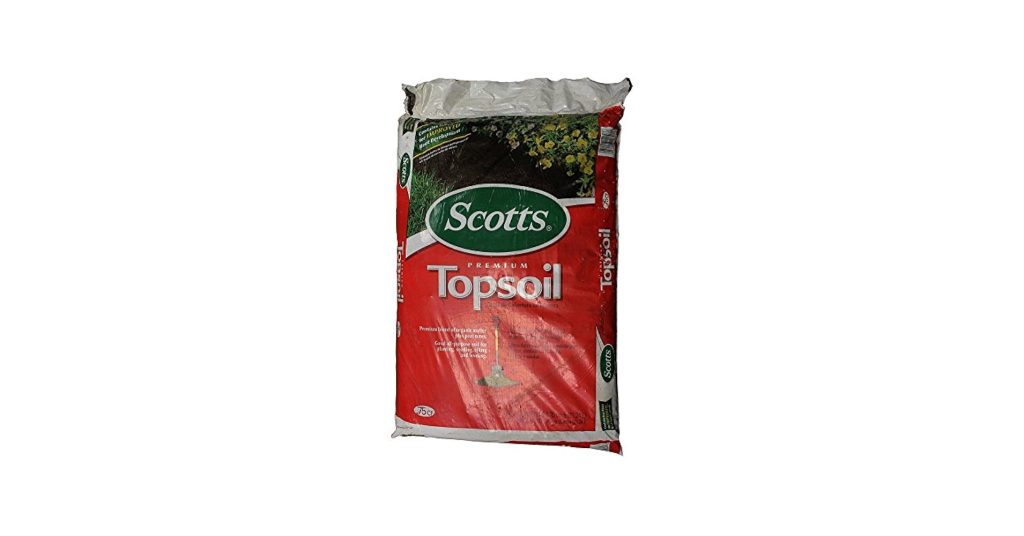
Credit: www.walmart.com
Factors Affecting Soil Weight
Garden soil weight depends on moisture, texture, and organic matter. . 75 cubic feet typically weighs around 40-60 pounds. Soil density varies with water content and composition.
Factors Affecting Soil Weight Understanding how much garden soil weighs is important. Several elements influence the weight of soil, which can affect gardening tasks and soil transportation.Soil Composition
Different types of soil vary in weight. Sandy soil tends to be lighter. Clay soil is generally heavier. Organic matter also impacts soil weight. More organic content usually makes soil lighter.Moisture Content
Water content plays a major role. Wet soil weighs more than dry soil. Rain and watering increase soil moisture. This leads to a heavier soil mass. Drying out soil reduces its weight significantly.Bulk Density
Bulk density measures soil compaction. Compact soil is denser and weighs more. Loose soil is less dense and lighter. Soil structure affects bulk density. Soil with larger particles typically has lower density.Calculating Soil Weight
Garden soil weight can vary due to moisture and composition. Typically,. 75 cubic feet of garden soil weighs around 40 to 60 pounds. This estimate helps in planning for gardening projects and ensures efficient soil management.
Calculating the weight of garden soil can seem tricky. It is vital for gardening projects. Knowing how much soil you need helps avoid waste. It also ensures the right amount for your plants. Here, we break down the process into simple steps.Understanding Cubic Feet
Cubic feet measure volume, not weight. A cubic foot is a cube with each side measuring one foot. Garden soil is often sold by the cubic foot. So, it’s crucial to understand this measurement. Knowing how much space a cubic foot covers helps plan your garden.Converting Volume To Weight
The weight of soil varies. It depends on moisture, type, and compaction. On average, a cubic foot of dry soil weighs around 75 pounds. To find the weight of .75 cubic feet, multiply 75 by 0.75. This gives an approximate weight of 56.25 pounds. Keep in mind, wet soil weighs more. Moisture can add significant weight. Always consider soil type and moisture for accurate calculations. Estimating soil weight helps in transport and application. Proper calculations ensure you buy the right amount for your gardening needs.Average Weight Of .75 Cubic Feet
Understanding the weight of. 75 cubic feet of garden soil is crucial for planning gardening tasks. Typically, this amount of soil weighs around 56 pounds. However, weight can vary based on moisture content and soil type.
Determining the weight of .75 cubic feet of garden soil can be quite insightful, especially if you’re planning a gardening project or landscaping task. The weight varies significantly based on whether the soil is dry or wet, and understanding these differences can help you plan better. Let’s dive into the specifics of the average weight of .75 cubic feet of garden soil under different conditions.Dry Soil Weight
When soil is dry, it is considerably lighter. Typically, dry garden soil weighs about 74-80 pounds per cubic foot. Therefore, .75 cubic feet of dry soil would weigh approximately 55-60 pounds. This variation depends on the soil’s composition, including the proportion of sand, silt, and clay. For instance, sandy soil is lighter than clay soil due to its larger particle size.Wet Soil Weight
Wet soil is significantly heavier due to the water content. Water adds substantial weight, increasing the total to about 100-120 pounds per cubic foot. Consequently, .75 cubic feet of wet soil may weigh between 75-90 pounds. The additional weight can affect transportation and handling, so it’s crucial to consider this when planning your garden project. Have you ever tried lifting a wet bag of soil? It’s noticeably heavier than a dry one! Understanding these weight differences helps you decide how much soil you can handle and transport. So next time you’re preparing for a gardening project, remember to factor in whether your soil is dry or wet!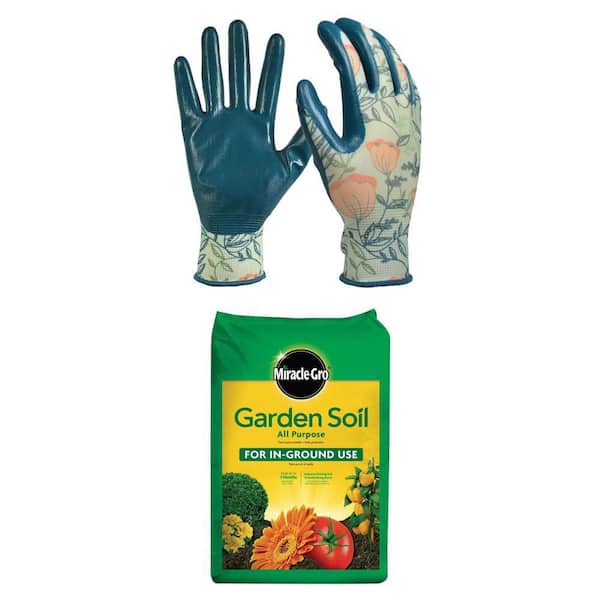
Credit: www.homedepot.com
Practical Applications
Understanding the weight of. 75 cubic feet of garden soil is essential for gardening projects. The weight typically ranges from 40 to 60 pounds, depending on moisture and composition. This knowledge helps in planning transportation and ensuring adequate support for garden structures.
Understanding how much .75 cubic feet of garden soil weighs can significantly impact your gardening success. Knowing the weight of soil helps you make informed decisions about garden planning and transportation logistics. This knowledge not only saves time but also prevents unnecessary physical strain and potential damage to your vehicle or garden space.Garden Planning
Effective garden planning requires precise calculations. When you know the weight of .75 cubic feet of garden soil, you can accurately determine how much soil is needed for your garden beds. For instance, if each of your raised beds requires 6 cubic feet of soil, you can calculate the total weight you need to handle. This ensures you don’t overestimate your soil requirements, which can save you money and avoid cluttering your storage space. Moreover, understanding soil weight helps in planning for structural support in large garden installations. You avoid potential mishaps by ensuring your garden structures can handle the weight without collapsing.Transport Considerations
Transporting garden soil is often underestimated but understanding the weight can make a big difference. .75 cubic feet of garden soil typically weighs around 40 to 60 pounds, depending on moisture content and soil type. Consider this: if you’re transporting multiple bags, the cumulative weight can quickly add up, affecting your vehicle’s fuel efficiency and handling. Knowing the weight helps you decide whether renting a truck or making multiple trips is more economical. Additionally, being aware of soil weight aids in planning the safest way to load and unload it, reducing the risk of injury. Have you ever strained your back lifting a heavy bag of soil? Planning your transportation with weight in mind can prevent such mishaps, ensuring your gardening journey is both productive and safe.Tips For Measuring Soil
Measuring soil accurately is vital for healthy gardening. Knowing the right amount helps plants thrive. Whether filling pots or building garden beds, precise measurements ensure success. Here, we explore effective tips for measuring soil.
Using A Soil Calculator
A soil calculator simplifies the measurement process. Enter the dimensions of your garden area. The calculator will provide the amount of soil needed. This tool is especially useful for large projects. It saves time and reduces errors. You can find soil calculators online for free. Use them to plan your garden efficiently.
Ensuring Accurate Measurements
Accurate measurements start with the right tools. Use a tape measure for length, width, and depth. Record these measurements carefully. Convert your measurements to the same unit for consistency. For smaller areas, a simple ruler might suffice. For larger gardens, a yardstick or measuring wheel is beneficial. Check your measurements twice to avoid mistakes.
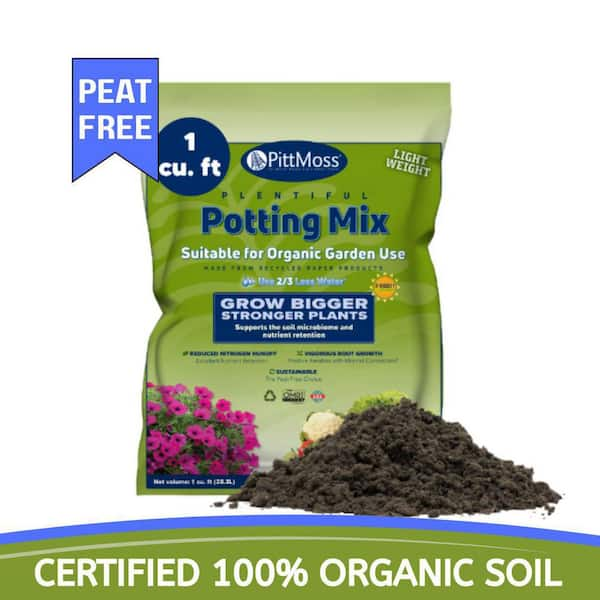
Credit: www.homedepot.com
Frequently Asked Questions
How Much Does .75 Cu Ft Of Topsoil Weigh?
. 75 cubic feet of topsoil typically weighs about 45 to 60 pounds. The weight can vary by moisture content and soil composition. Check the packaging for specific weight details for accuracy.
How Heavy Is 0.75 Cubic Feet Of Dirt?
0. 75 cubic feet of dirt typically weighs between 56 to 80 pounds. The weight varies based on moisture content and type. For example, wet dirt weighs more than dry dirt. Always consider the specific type of soil for precise measurements.
How Much Does .75 Cu Feet Of Soil Weigh?
. 75 cubic feet of soil typically weighs between 40 to 60 pounds. Weight varies by soil type and moisture content. For precise measurement, check the specific soil bag or consult the supplier. Ensure accurate calculation for gardening or landscaping projects.
How Heavy Is .75 Cubic Feet Of Topsoil?
. 75 cubic feet of topsoil typically weighs around 40 to 60 pounds. This weight varies due to moisture content and soil type. Ensure accurate measurement by considering these factors.
Conclusion
Understanding garden soil weight helps in planning your gardening tasks. Soil weight varies by moisture and ingredients. Knowing this assists in buying the right amount. You can avoid extra trips to the store. It’s important for planting decisions. This knowledge saves time and effort.
You can focus on nurturing your garden. Soil weight insights contribute to successful gardening. Your plants will thrive with the right soil amount. Remember to check product details for accuracy. Gardening is rewarding with informed choices. Soil weight awareness is key.
Enjoy your gardening journey!